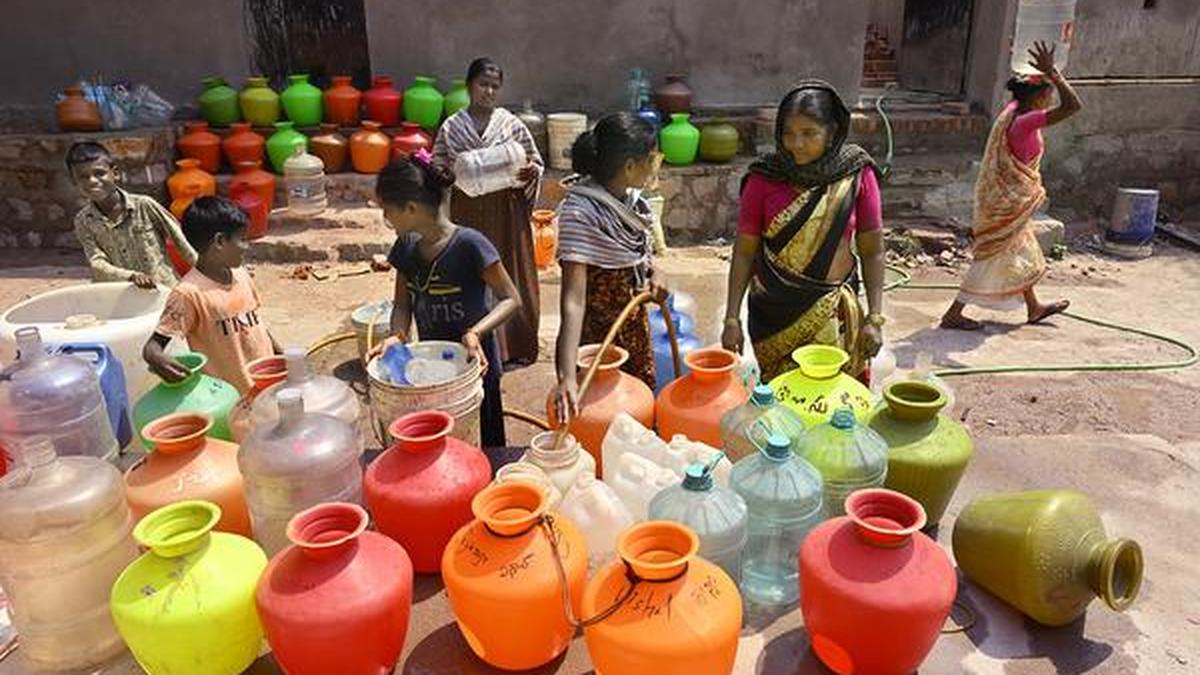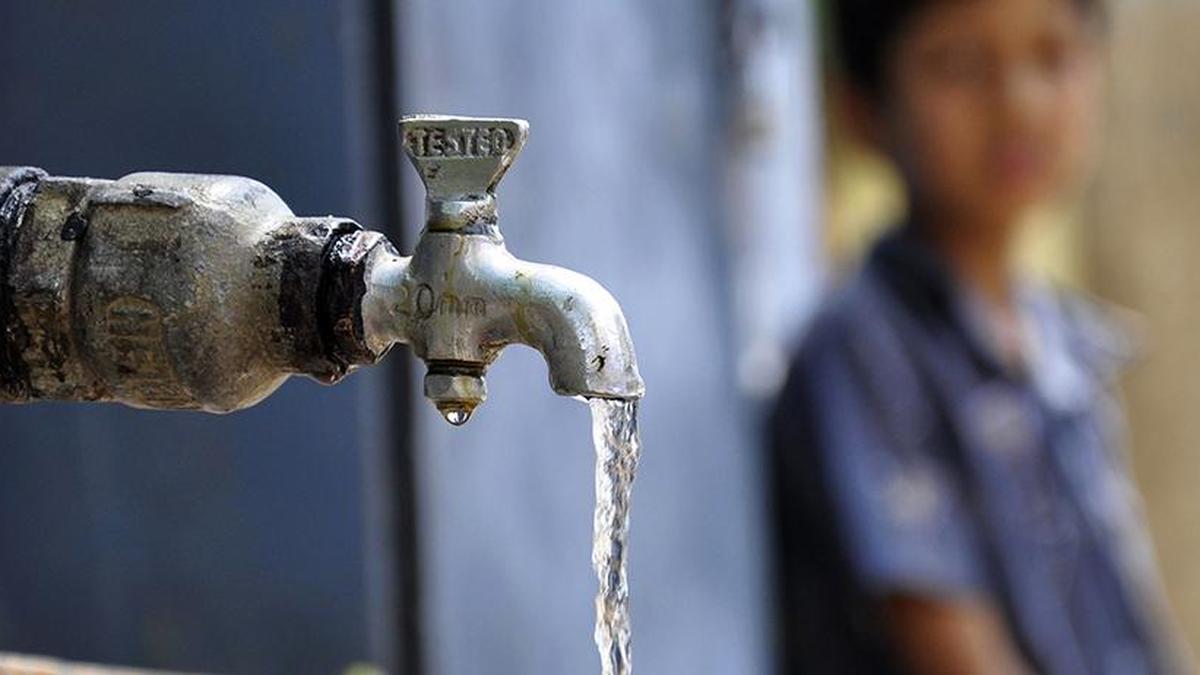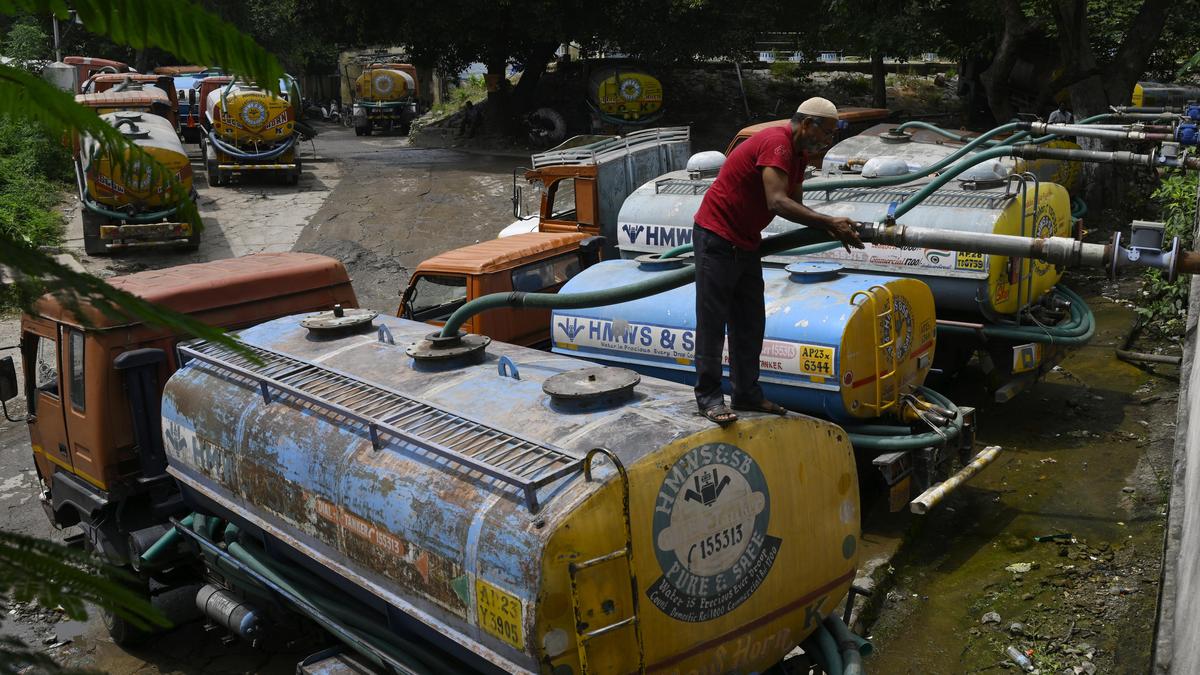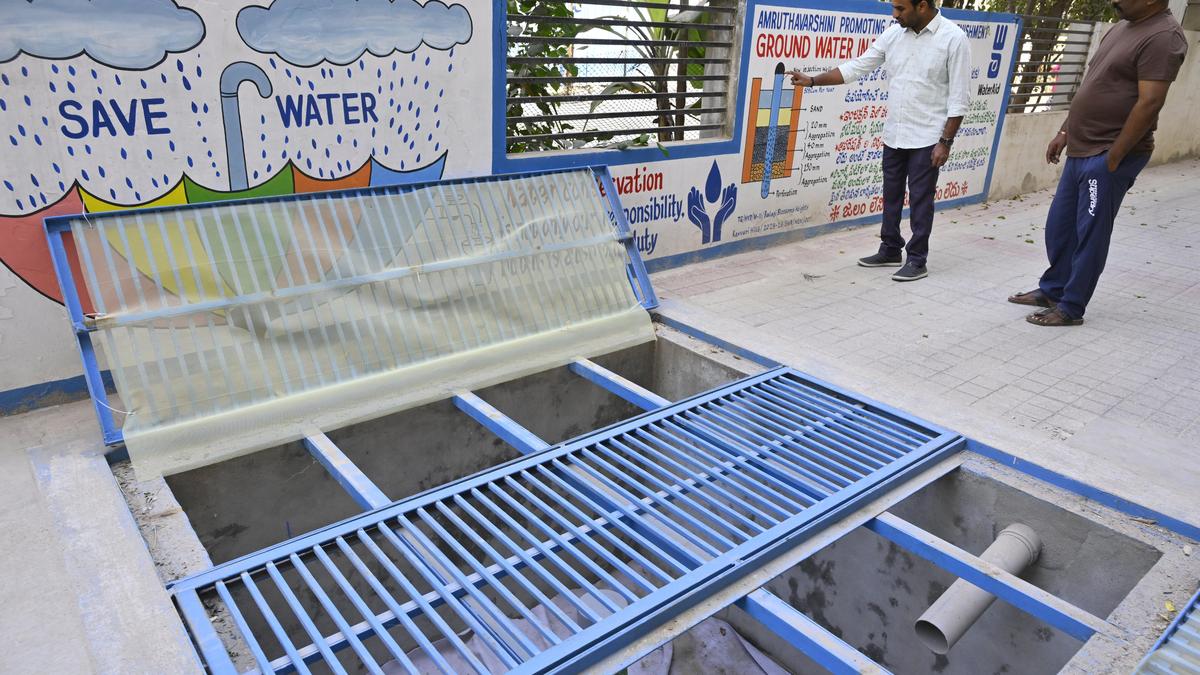
Every January, just after the Sankranthi cheer ebbs, residents of the Czech Colony in Sanathnagar, Hyderabad, brace for an annual test, watching their water taps a little more closely. The borewell serving their 40-flat apartment still runs twice a day, but not for long. Its yield starts thinning, and within a month, there is nothing left to draw. What follows is a familiar routine: they must depend on water tankers, repeatedly checking the HMWS&SB app, tracking a slow crawl up the waiting list.
That ritual, however, has quietly ended. T. Srinivas, a member of the apartment association, says the turning point came with the construction of an injection borewell. The change was immediate. “Our borewell improved and a few nearby apartments that opted for percolation pits saw a difference too.”
He details the consultations that went into the project, the pit collection system, annual rainwater estimates and how the intervention eased everyday life in the building.
Rainfall isn’t enough: scientists call for smarter groundwater management in Telangana
Experiences such as this are shaping a broader rethink of water use and conservation across Hyderabad. At Kavuri Hills, in the upscale Kakatiya Hills residential colony, a 16-flat apartment complex built on a 1,000-square yard plot also constructed an injection borewell with technical assistance from the Hyderabad Metropolitan Water Supply and Sewerage Board (HMWS&SB) and WaterAid, an NGO facilitating such projects through corporate social responsibility funds in select localities.