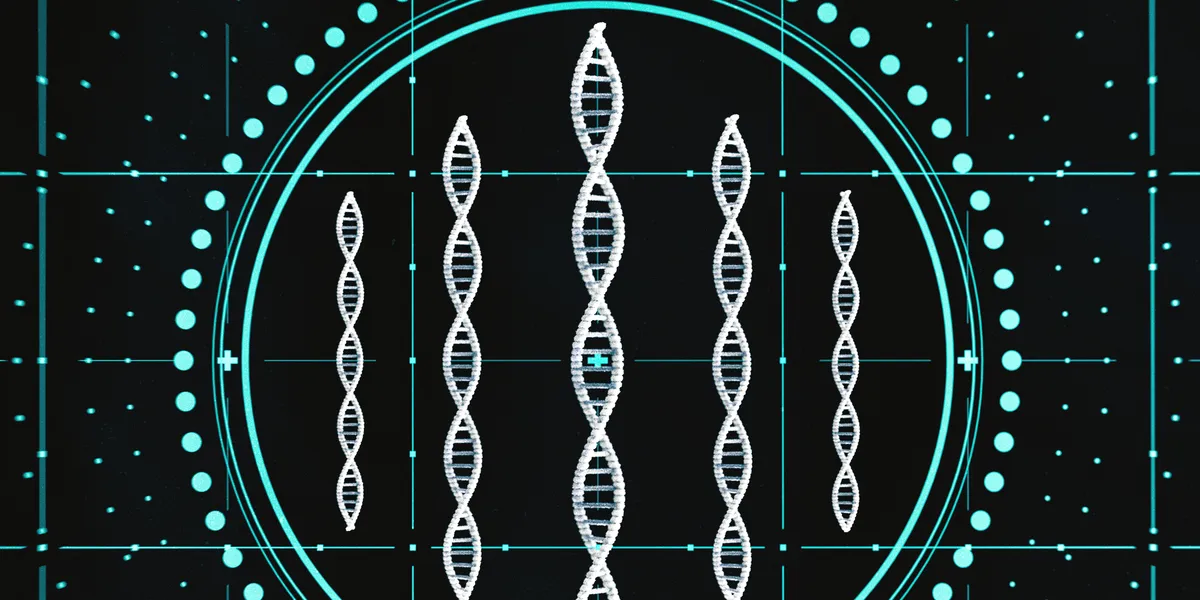
Data keeps growing exponentially, driving demand for better memory storage solutions. Synthetic DNA is a strong candidate to answer this need, given its high information density, durability and relevance as the molecule of life.
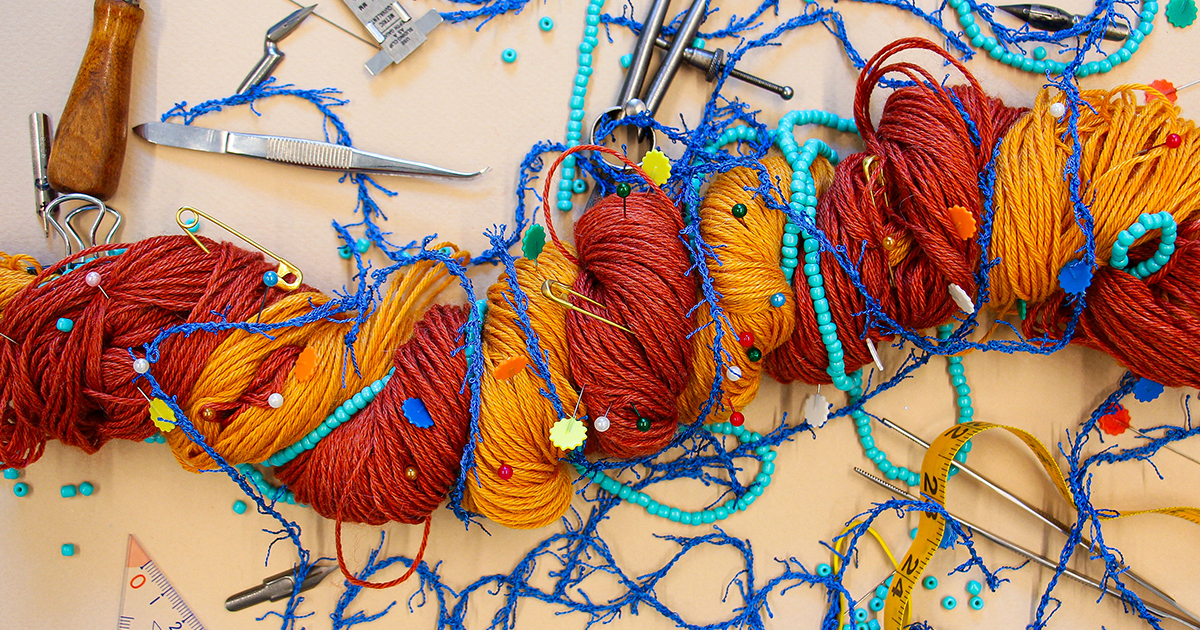
TextaDNA proposes an alternative to conventional memory storage by embedding information-bearing oligonucleotides within flexible fibers that can be incorporated into fabrics or other material platforms. In theory, all the information contained in a room full of hard disks could be stored in a grain-of-rice-sized volume of DNA.
Over the first two years, the project has succeeded in establishing a workflow, including developing an encoding and decoding scheme adapted to next-generation sequencing technologies. This includes exploring different algorithms and implementing a decoding architecture optimized for reading the data stored within the fibers.
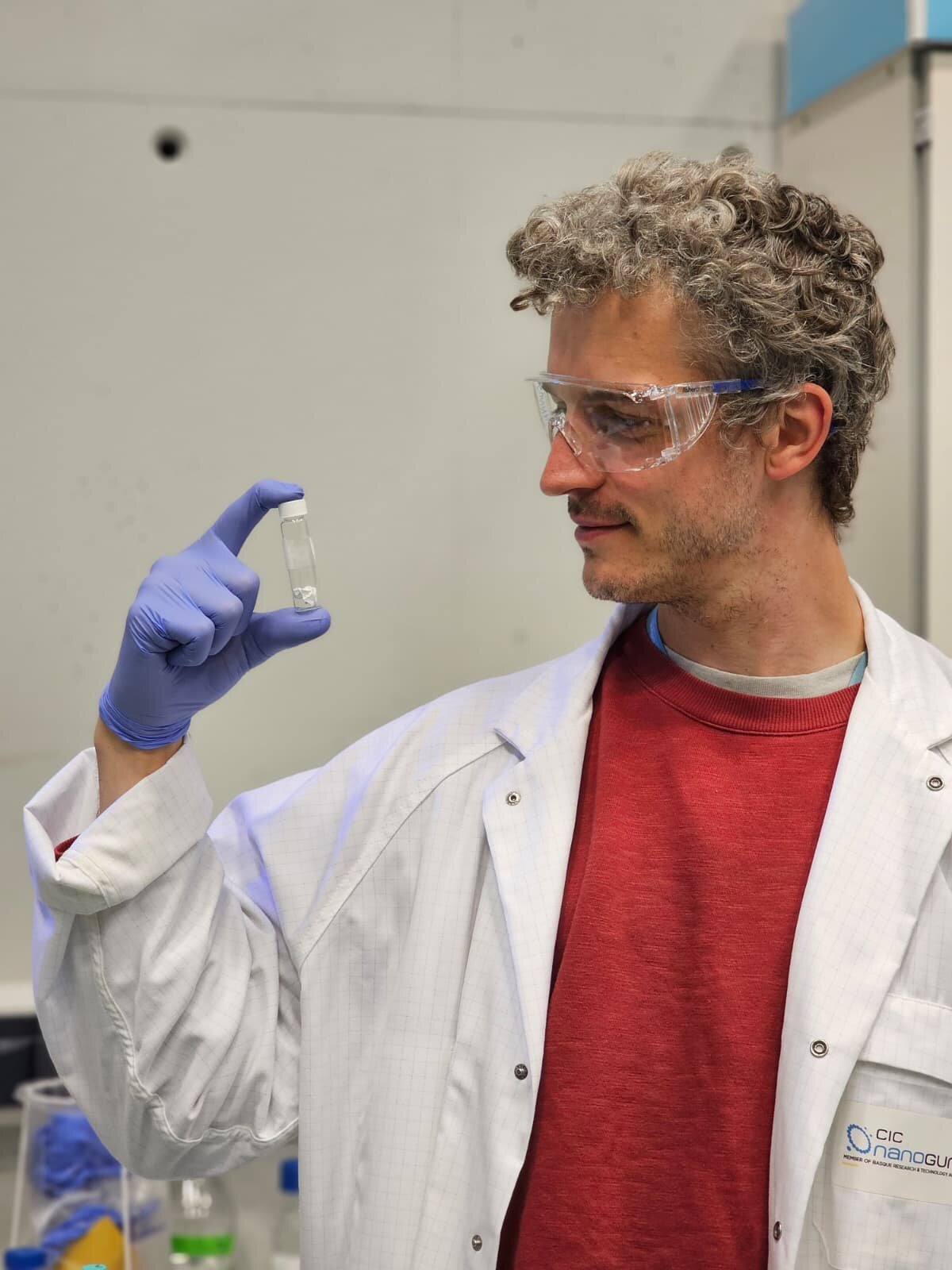
Eurofins Genomics has advanced the synthesis of stable oligonucleotides and produced proof-of-concept sequence pools while optimizing solid-phase DNA synthesis protocols. In parallel, nanoGUNE has created a library of polymer fibers capable of protecting the DNA and enabling controlled, non-destructive retrieval of information when required.