From Hand-Woven Logic to Giga-RAM: A Tutorial on Magnetic Core Memory
Introduction: The Unsung Heroes of Storage
We live in an age of abundant memory. A typical developer workstation boasts 64GB, 128GB, or even more RAM, and when our applications chug, our immediate reaction is often to lament the perceived inadequacy of this colossal capacity. We troubleshoot, optimize, and occasionally upgrade, taking for granted the sheer volume and speed of modern silicon-based storage. But pause for a moment and consider a time before transistors, before integrated circuits, when the very concept of digital memory was a revolutionary, hands-on feat of engineering.
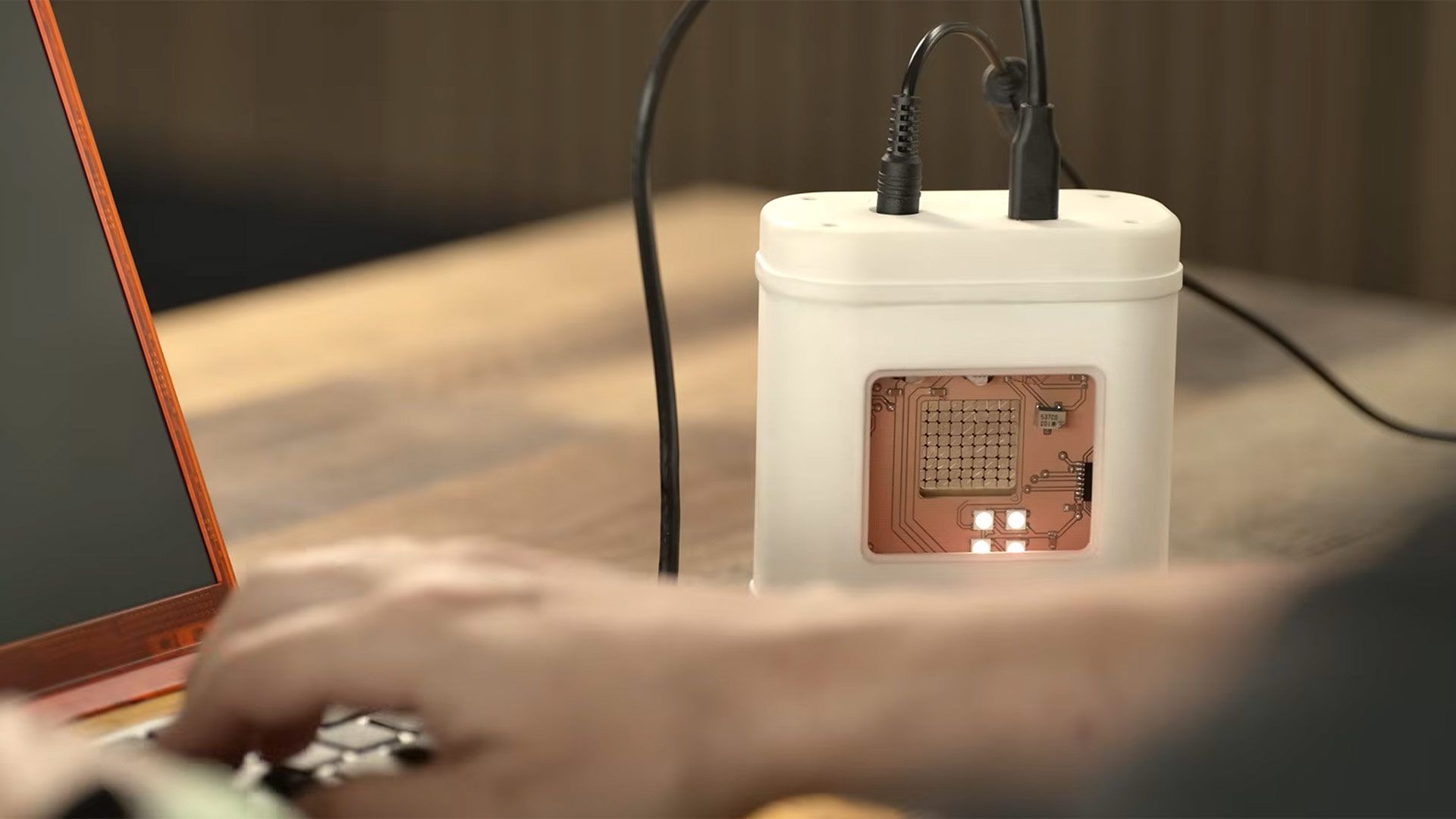
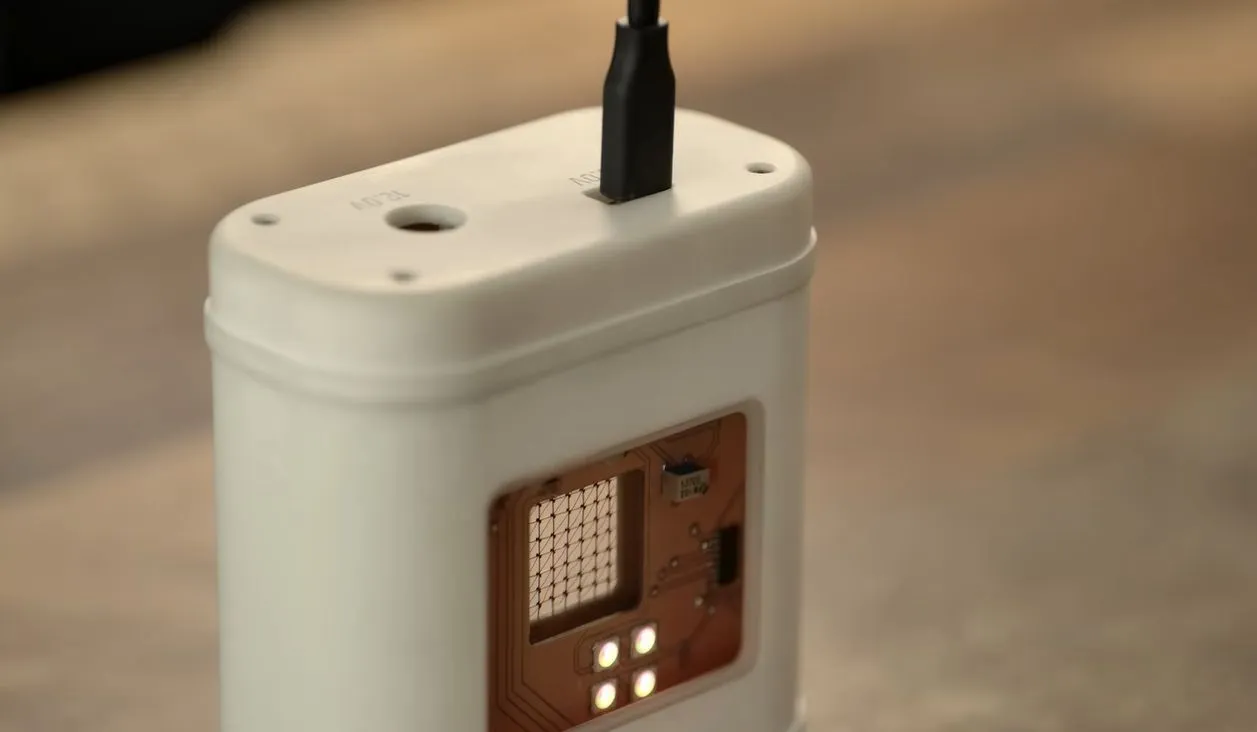
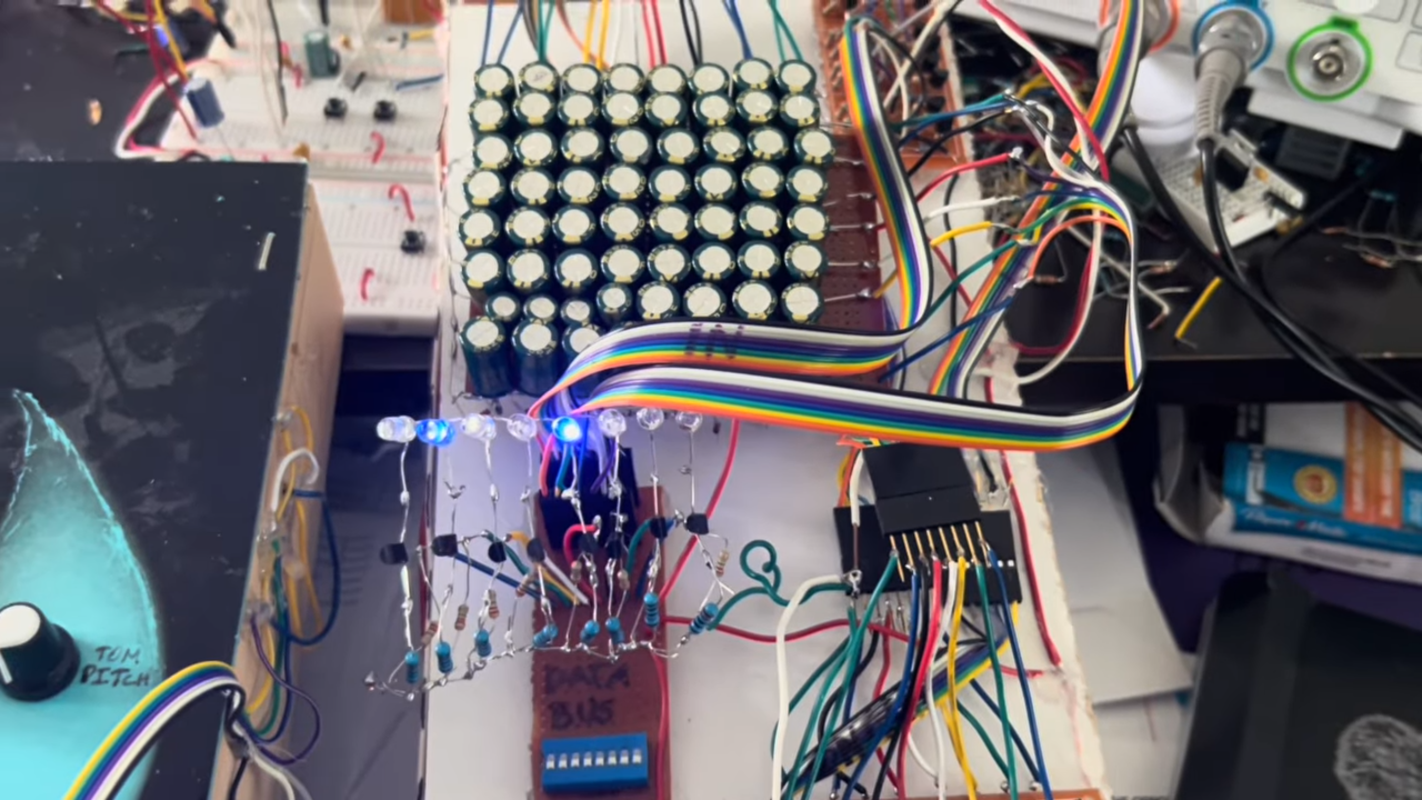
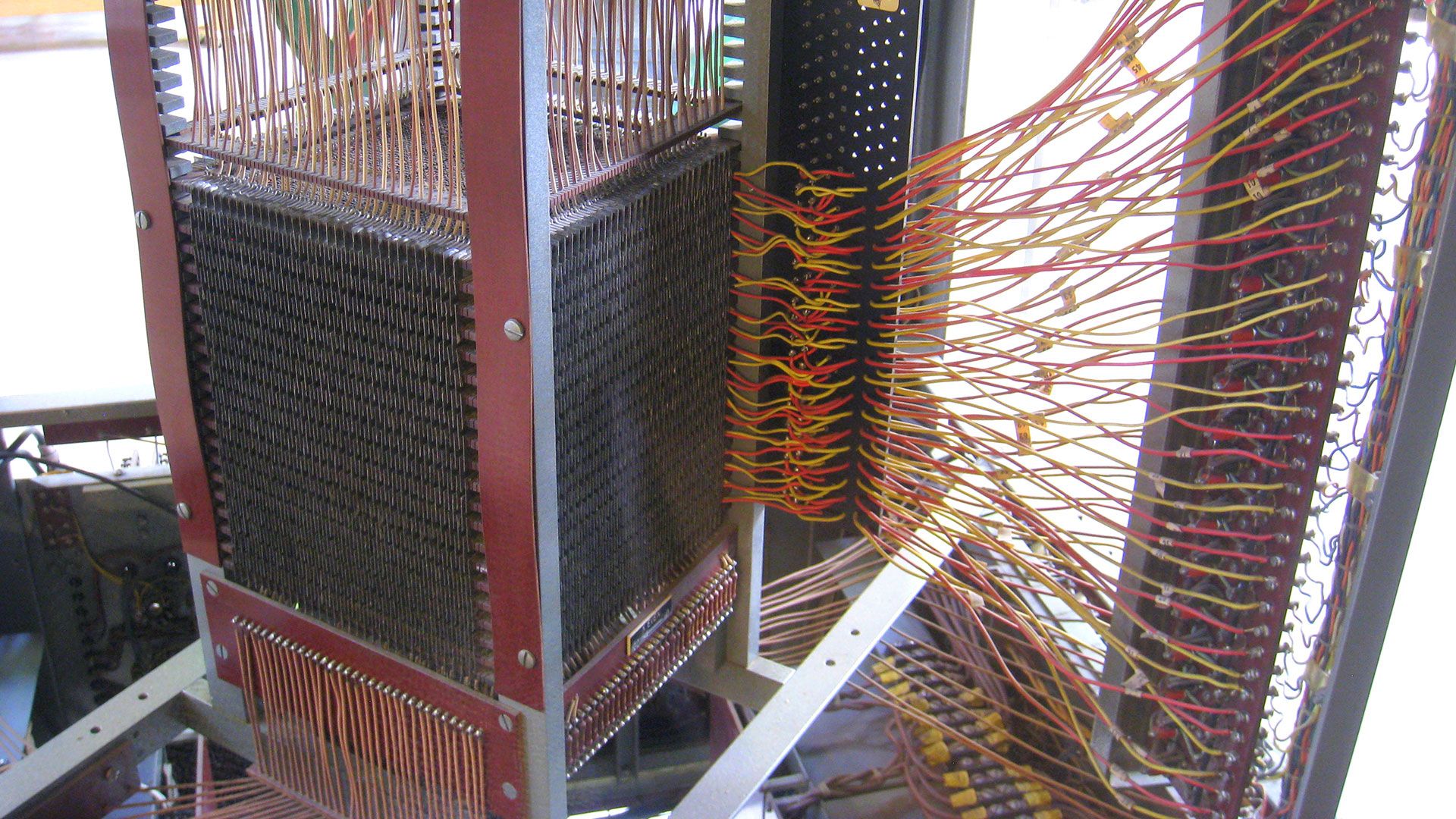
Imagine strolling through a Computer History Museum, and your gaze falls upon a meticulously preserved grid of tiny, donut-shaped rings. This is magnetic core memory – the primary digital storage technology from the 1950s to the 1970s. Here, logic and storage weren't etched onto silicon but woven by hand, quite literally. Each minuscule ferrite ring, just a fraction of a millimeter wide, held a single bit of information. A single bit! Understanding its construction and operation isn't just a trip down memory lane; it's a stark reminder of the brilliant minds who bent physics to their will, laying the groundwork for every byte we consume today.