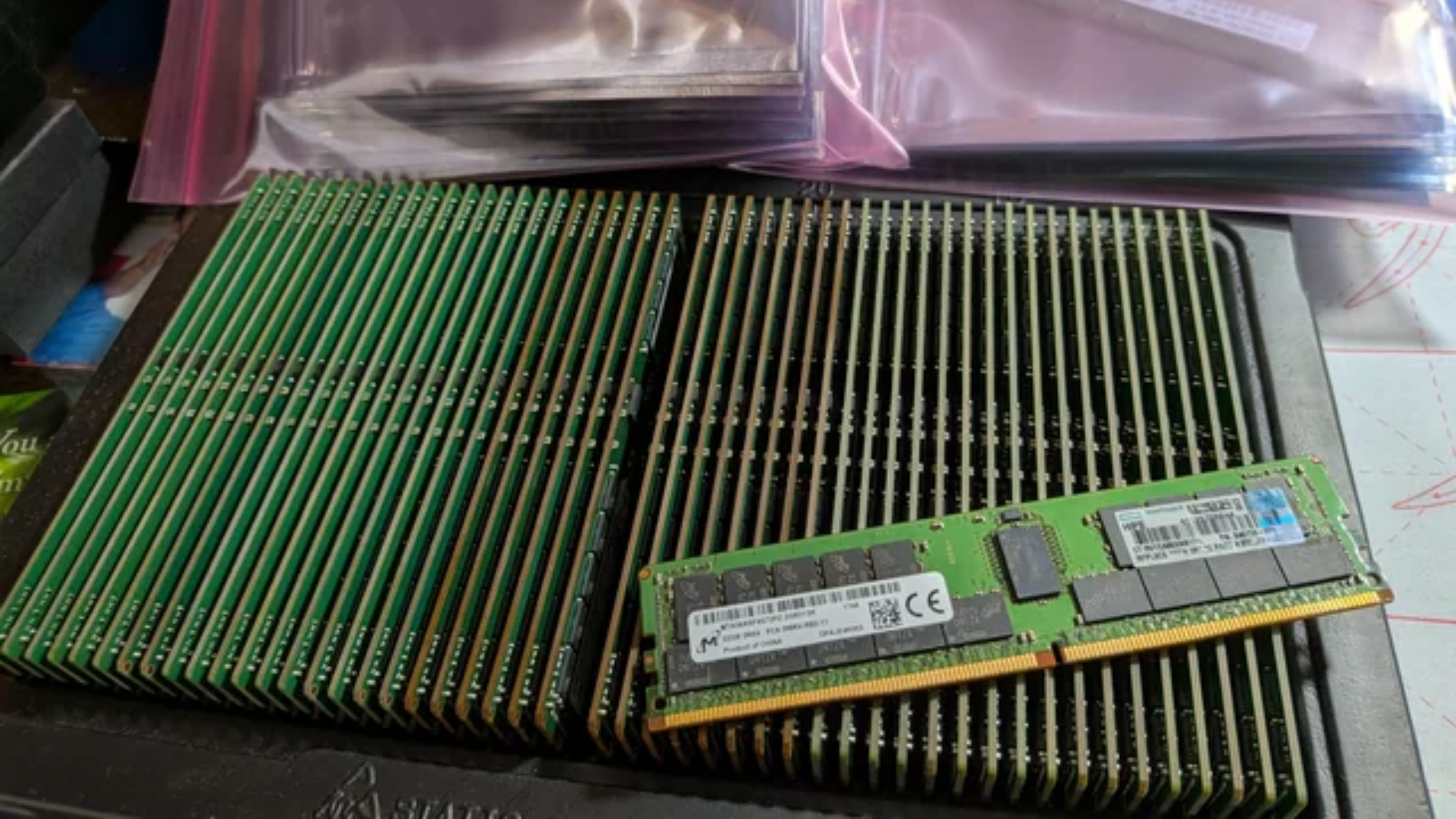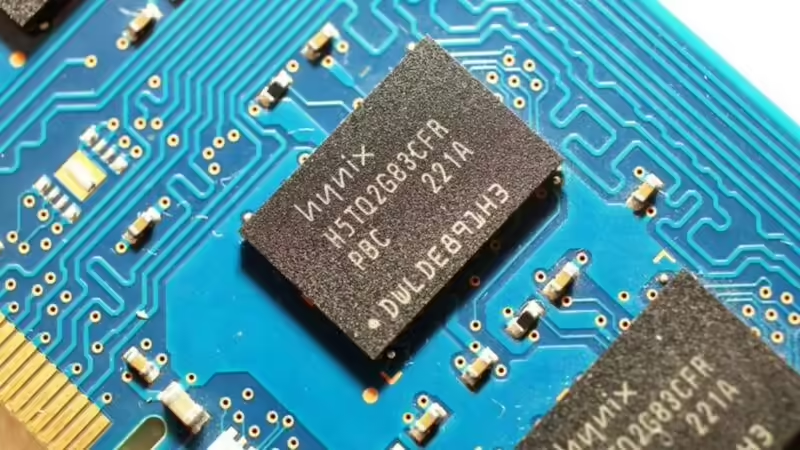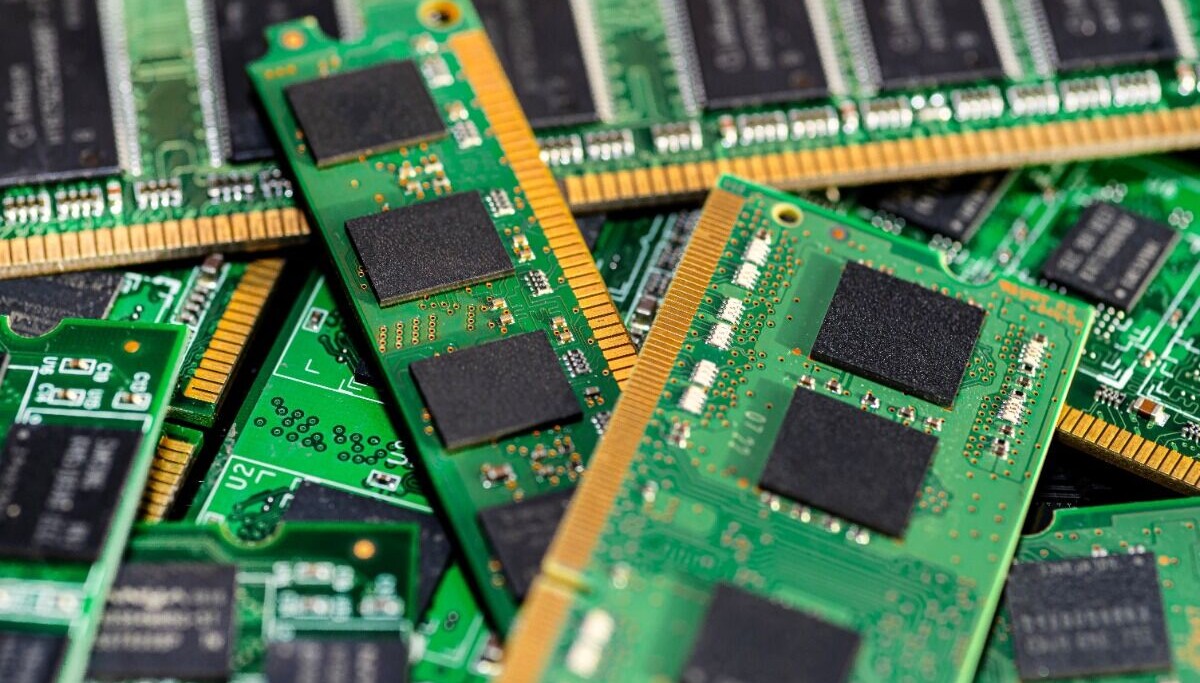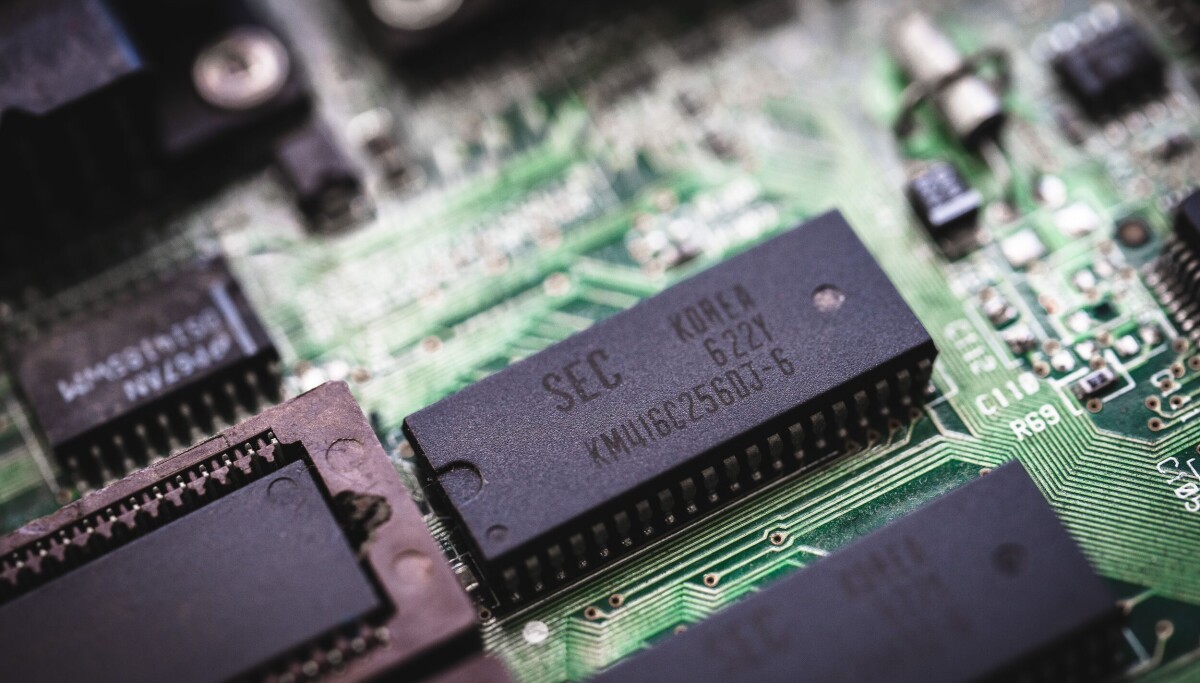
If you ask any senior backend engineer or database administrator how to instantly make a slow, disk-bound application faster, their first answer is almost always: "Put it in memory."
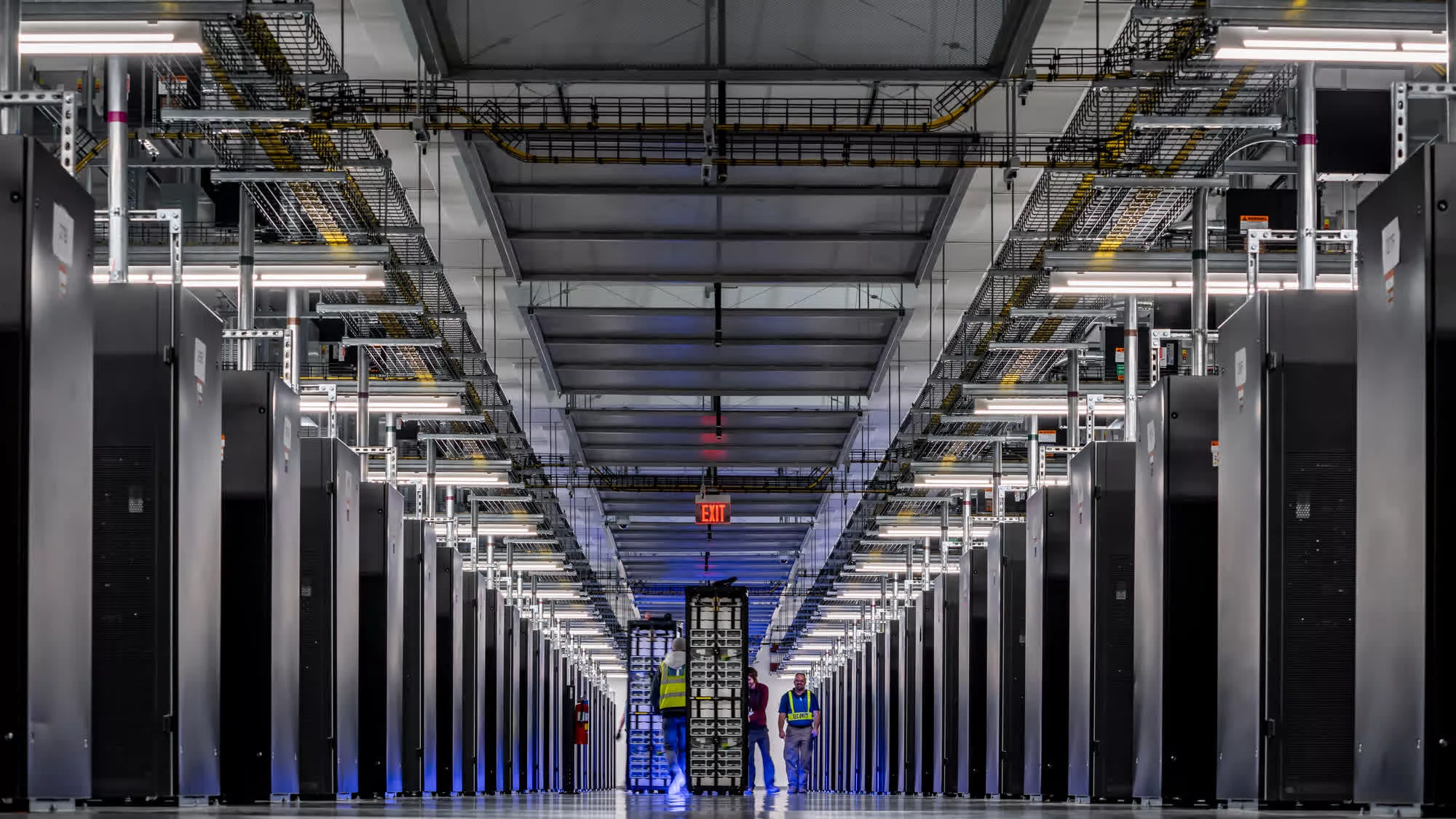
But why is memory so preferred, and how do modern architectures utilize RAM to achieve sub-millisecond latencies? We're seeing a massive revival of RAM disks and in-memory architectures. Let's explore why computer experts are increasingly treating RAM like a hard drive.
1. The Physics of Storage: Why RAM Wins
To understand the shift towards in-memory architectures, we have to look at the numbers.
Hard Disk Drives (HDDs): Mechanical spinning disks. Seek times are around 2-5 milliseconds.