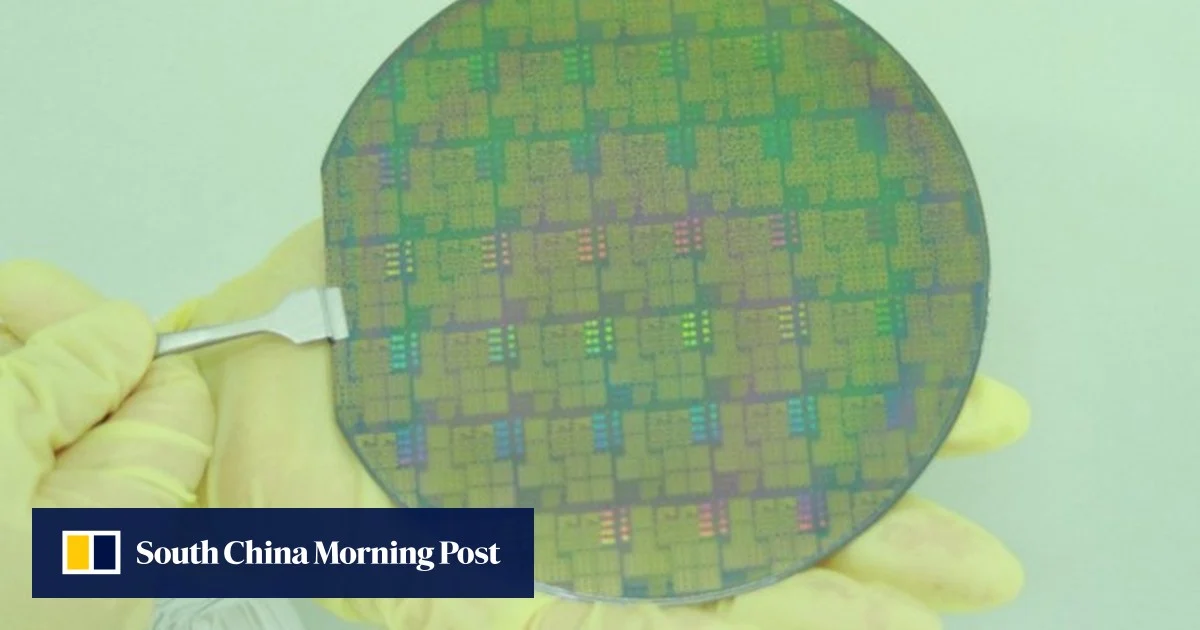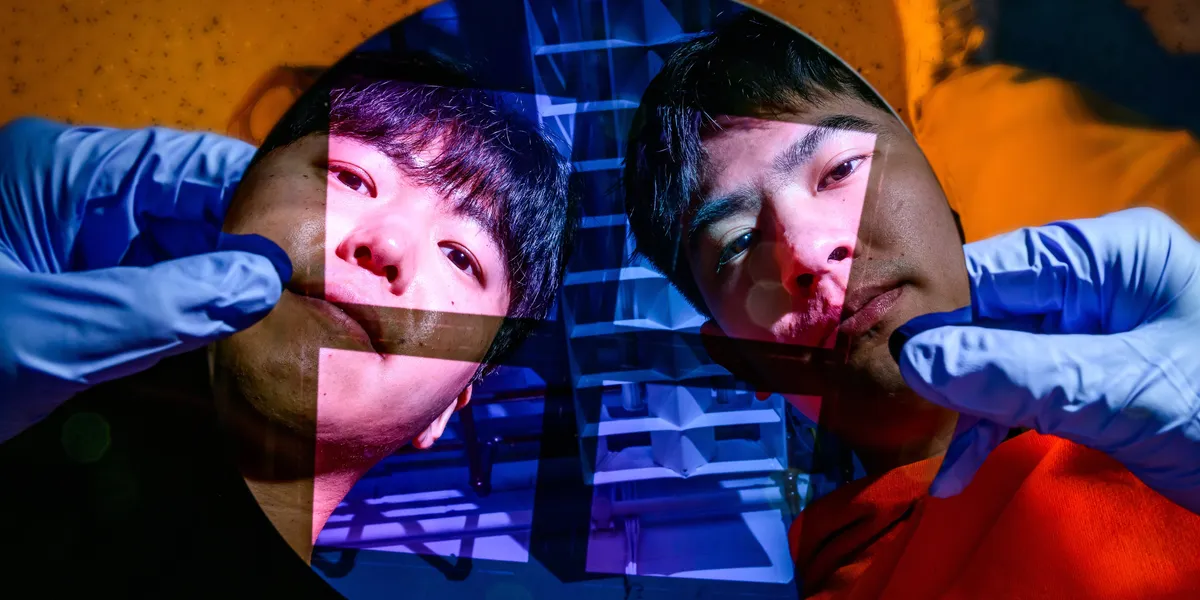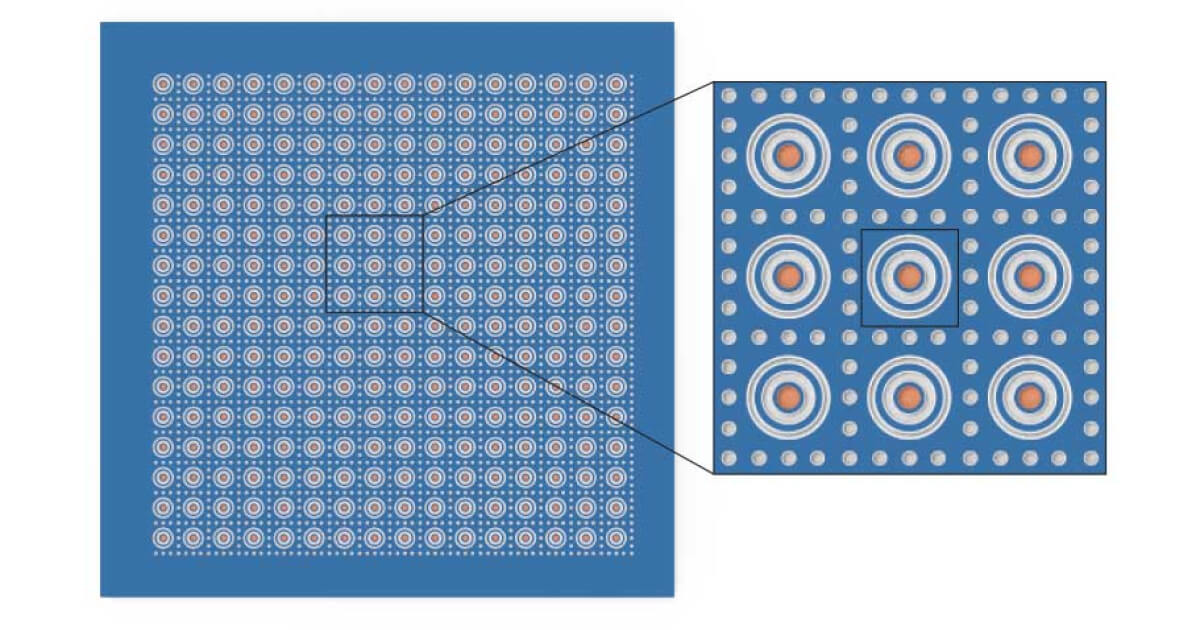
Silicon chips have powered computing for half a century. Increasingly, they are also becoming platforms to read and manipulate biology at scale – recording from many neurons, reading many DNA sequences, and now, synthesizing DNA. In a study published in Nature Electronics, a Harvard-led team reports a silicon chip that synthesized 64 distinct DNA sequences on its surface in parallel – not by using the solvent-heavy chemistry that dominates custom DNA manufacturing today, but through a water-based enzymatic process. The chip choreographs the parallel enzymatic synthesis, using finely controlled electric currents to trigger local reactions site by site. The research was led by Donhee Ham, the John A. and Elizabeth S. Armstrong Professor of Engineering and Applied Sciences at the John A. Paulson School of Engineering and Applied Sciences (SEAS).Chip writes DNA in waterSynthetic DNA underpins modern biology and medicine – diagnostics, genome engineering, cancer research. Most of it is made today by phosphoramidite chemistry, an established process that can produce millions of sequences in parallel but depends on hazardous organic solvents and centralized facilities. Enzymatic DNA synthesis is emerging as a milder, water-based alternative, closer to how living cells build DNA, and could ultimately support smaller, safer and more accessible DNA-writing instruments. But it hasn’t come close to being able to produce the number of sequences in parallel that phosphoramidite chemistry can. To date, enzymatic synthesis has only been able to produce up to a dozen DNA sequences at a time. Against that backdrop, the Harvard team’s demonstration of synthesizing 64 distinct sequences in parallel, each up to 39 nucleotides long, sets a new benchmark. DNA synthesis proceeds one nucleotide at a time. Each newly added nucleotide carries a temporary blocking group that prevents further growth; to add the next nucleotide, that group must be removed. This step, called deprotection, can be triggered by acidity, or low pH, in water. In parallel synthesis, the challenge is to lower pH only at the sites scheduled to receive the next nucleotide in each cycle. The Harvard chip, with 64 synthesis sites on its surface, meets this challenge electrochemically. Each site contains two concentric ring electrodes surrounding DNA anchored at the center. At a chosen site, the chip electronics drive current into the inner ring to generate protons – lowering the pH right at the DNA strands for their enzymatic elongation. At the same time, the chip pulls current from the outer ring to consume diffusing protons, keeping the low-pH zone from spreading outward. In each cycle, the chip switches on this low-pH operation only at the sites due for a nucleotide. Cycle by cycle, this spatial pH patterning grows 64 distinct DNA sequences.
Making DNA on a Semiconductor Chip
Harvard-led team sets new benchmark for parallel DNA synthesis in water
1,026 words~5 min read