Silicon chips have been the foundation of modern computing for decades. Now, researchers are giving them an entirely new role in biotechnology. In addition to processing information, these chips are increasingly being used to study living systems by recording activity from neurons, reading DNA, and now even creating DNA.
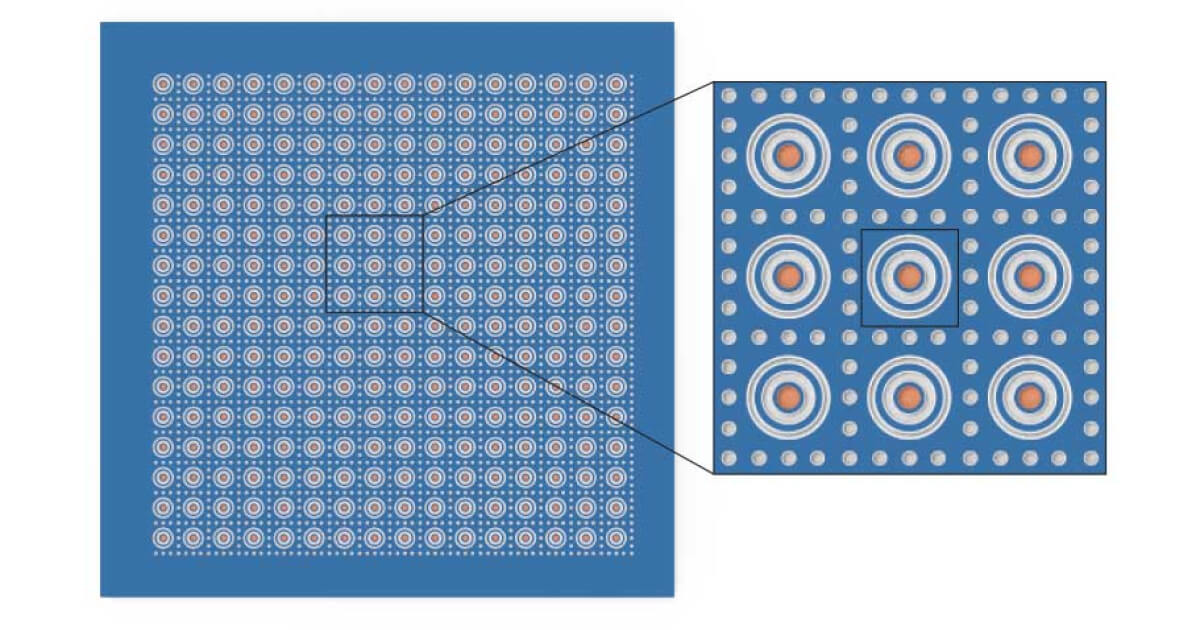
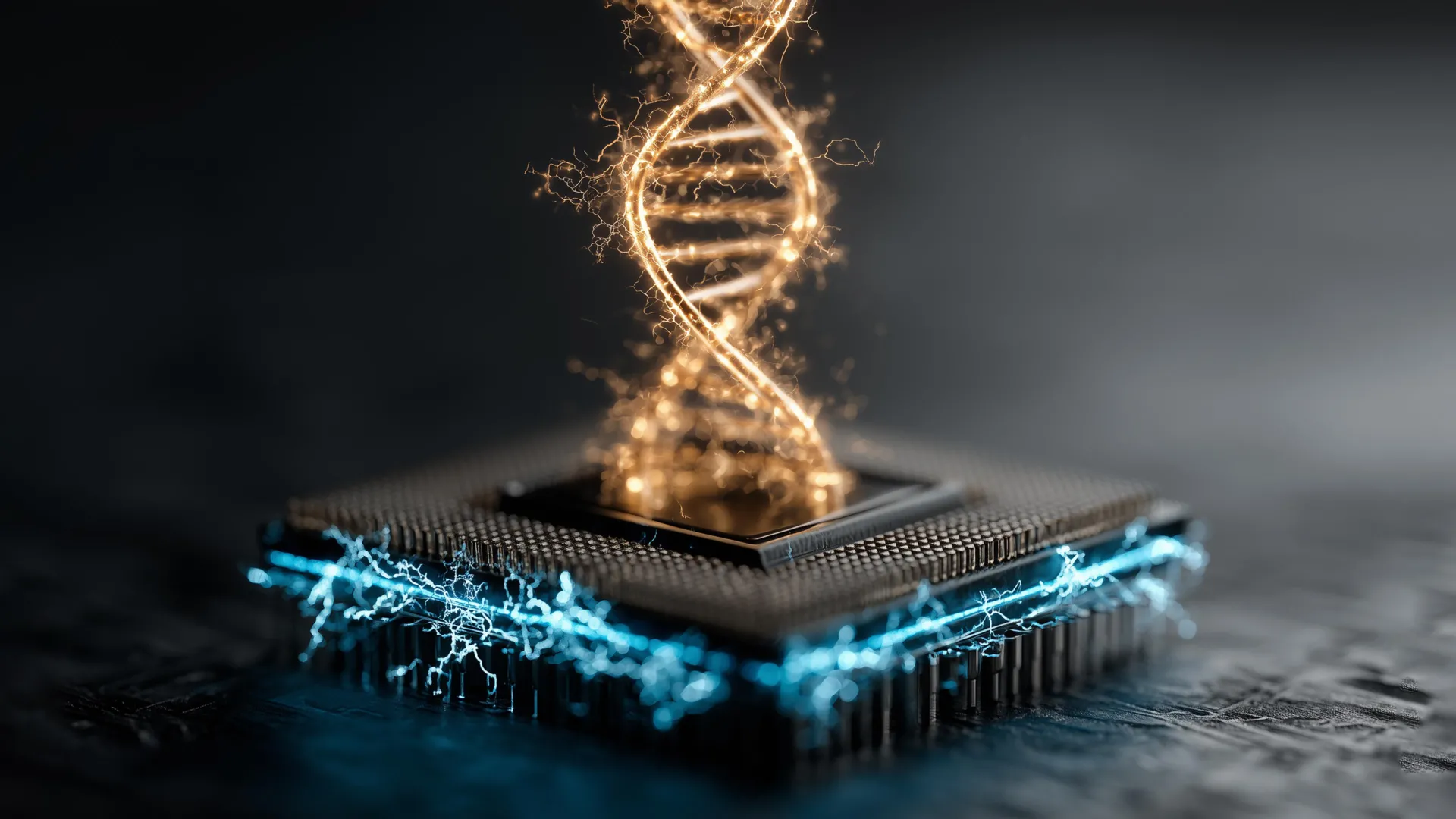
In a new study published in Nature Electronics, a Harvard led research team unveiled a silicon chip capable of synthesizing 64 different DNA sequences at the same time. Instead of relying on the solvent intensive chemical process commonly used to manufacture synthetic DNA, the device uses a water based enzymatic approach. Carefully controlled electrical currents trigger DNA building reactions at specific locations across the chip.
The research was led by Donhee Ham, the John A. and Elizabeth S. Armstrong Professor of Engineering and Applied Sciences at the John A. Paulson School of Engineering and Applied Sciences (SEAS).
A Cleaner Way To Manufacture DNA
Synthetic DNA is essential for many areas of modern science and medicine, including diagnostics, genome engineering, and cancer research. Today, most custom DNA is produced using phosphoramidite chemistry, a well established method that can manufacture millions of DNA sequences in parallel. However, that process depends on hazardous organic solvents and typically requires specialized centralized facilities.