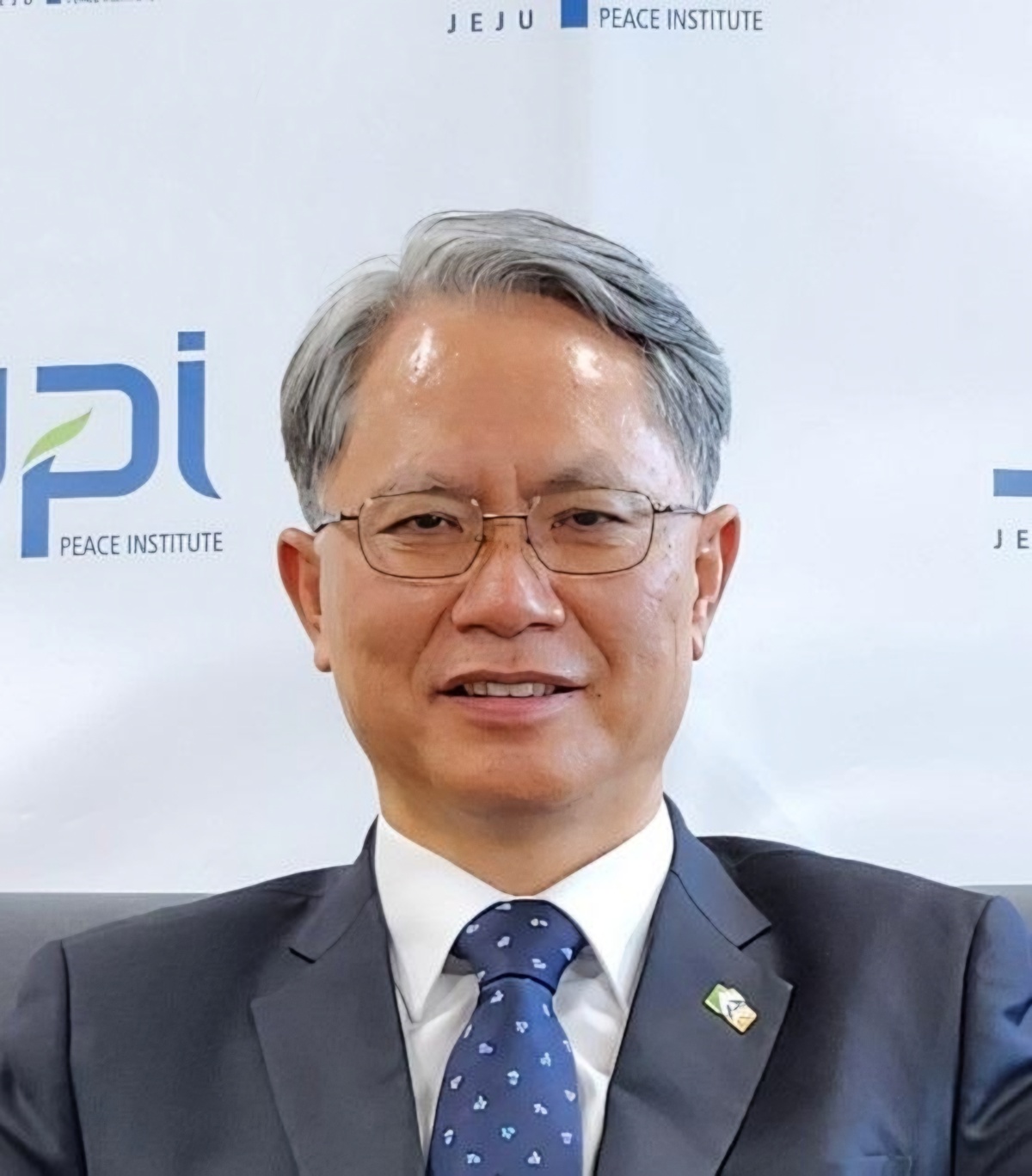
Park Jung-won
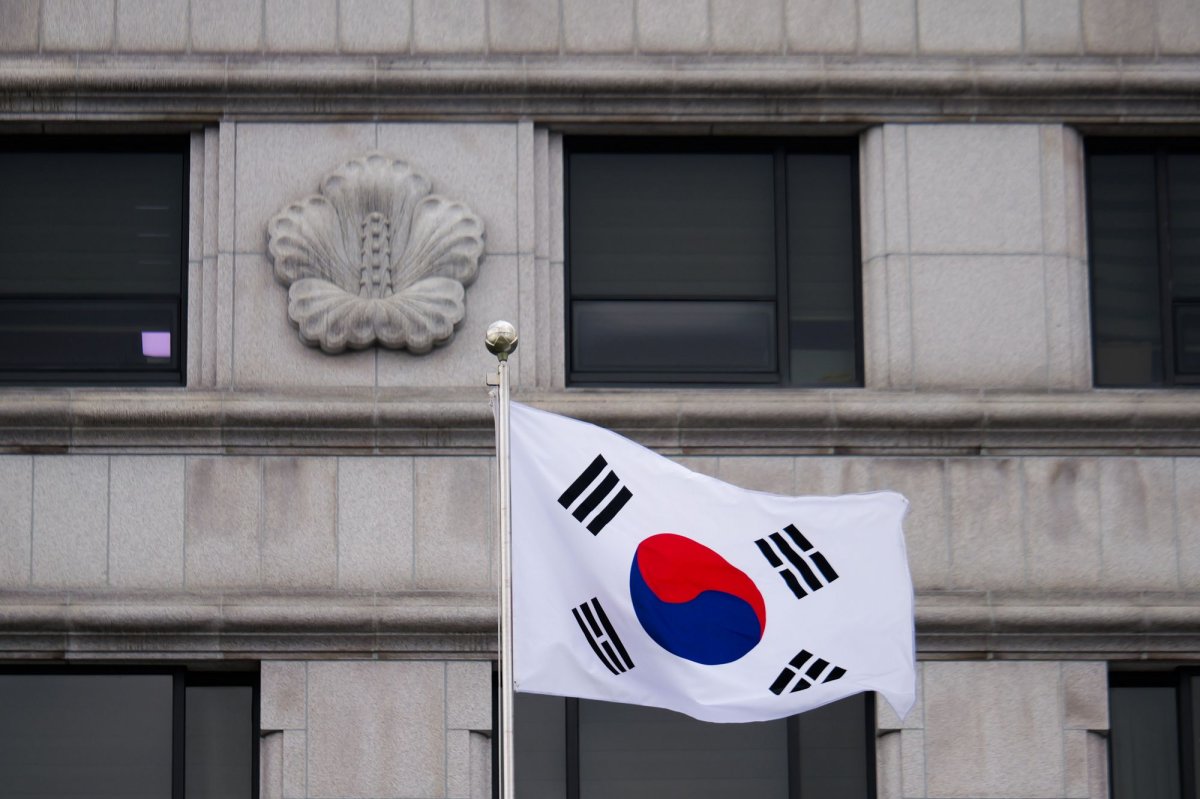
Korea was once regarded as one of Asia’s most remarkable success stories. Having endured Cold War division, authoritarian rule and a difficult transition to democracy, it came to symbolize the possibility that political freedom and economic prosperity could advance together.
Today, however, Korea has entered an age of deep distrust.
Public debate has become increasingly polarized. Questions surrounding the integrity of electoral administration continue to fuel public controversy and deepen political distrust. Trust in the media, the judiciary and public institutions has weakened. How can democratic debate function when citizens no longer trust the same institutions or even agree on the same basic facts? In many respects, that may be the most serious challenge facing Korean democracy today.
The government has identified false and manipulated information as a serious threat to democracy and has moved toward stronger regulation. The revised Information and Communications Network Act, scheduled to take effect in July, includes penalties for the circulation of false or manipulated information, expanded punitive damages and stronger responsibilities for major online platforms.