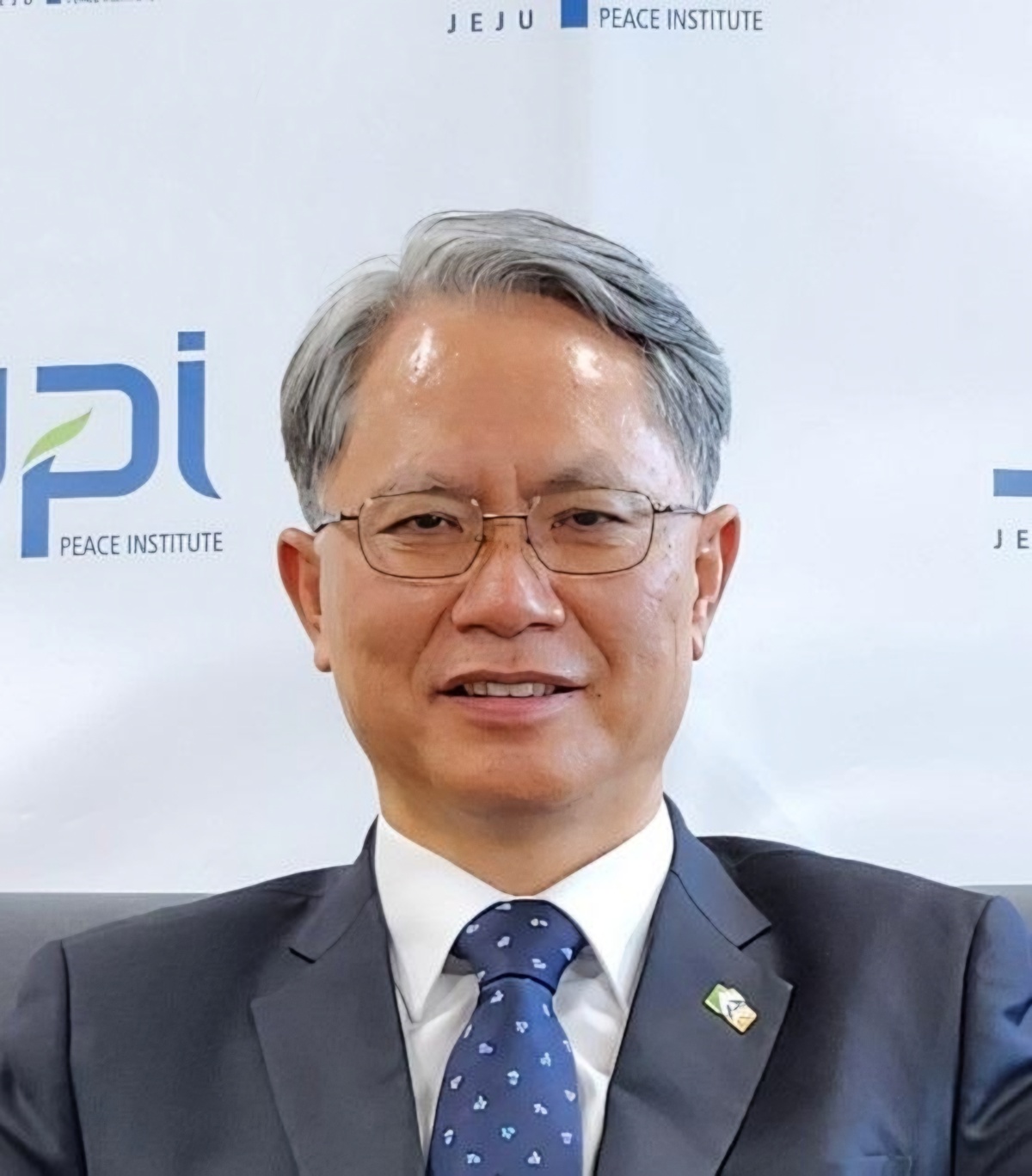
Kang Jeong-sik
We stand at a critical moment in history. For decades, the global order was built on the free exchange of ideas and the free flow of capital and goods across borders. Today, that once-interconnected world is increasingly under strain.
The world is poles apart, driven partly by shifting geopolitical dynamics, global supply chain disruptions, fierce technological competition and a growing turn toward inward-looking national policies. Russia’s invasion of Ukraine, the U.S.-Israeli strikes against Iran and heightened tensions in the South China Sea — where traditional maritime security concerns are increasingly intertwined with emerging technological and cyberthreats — all these signal a new era of fragmentation and composite warfare.
International institutions like the United Nations, once considered the bedrock of global cooperation and conflict resolution, now find themselves hamstrung as countries build walls and close borders in increasingly insular strategies. At the same time, the intensifying U.S.-China rivalry and growing geopolitical tensions have contributed to global fragmentation into two competing blocs: democratic nations led by the U.S. and autocrats like China, Russia and North Korea. In response, regionalism has gained renewed importance as countries seek more flexible and effective frameworks for cooperation and collective action.