June 4 (UPI) -- South Korea's transformation from colonial subjugation and a war-ravaged state into one of the world's leading economies and cultural exporters is a story of extraordinary resilience and ambition. Yet, beneath this remarkable trajectory lies an increasingly fragile foundation -- one marred by political dysfunction, institutional distrust, demographic collapse, and a waning sense of national purpose.
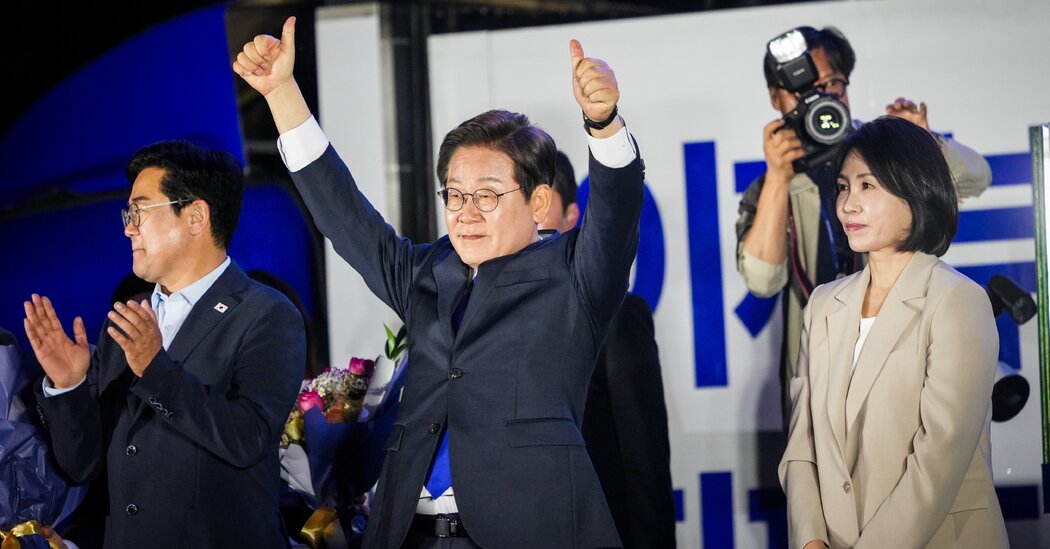
The political turmoil of recent months, including former President Yoon Suk-yeol's controversial martial law declaration and the ongoing legal entanglements of President-elect Lee Jae-myung, should not be dismissed as partisan spectacles. They reveal deeper structural flaws that threaten South Korea's social fabric and future stability. Amid growing public disillusionment, the new administration must take bold, systemic steps to restore confidence in governance, reaffirm national identity and reignite the vision of peaceful Korean unification.
I. Political Paralysis and Institutional Decay
The December 2024 martial law declaration was a jarring reminder of the fragility of democratic norms. President Yoon's overreach resulted in his impeachment and further polarized an already fractured political landscape. Yet, his opponents in the Democratic Party have themselves fueled a cycle of retribution through repeated attempts to impeach officials and politicize legal proceedings.