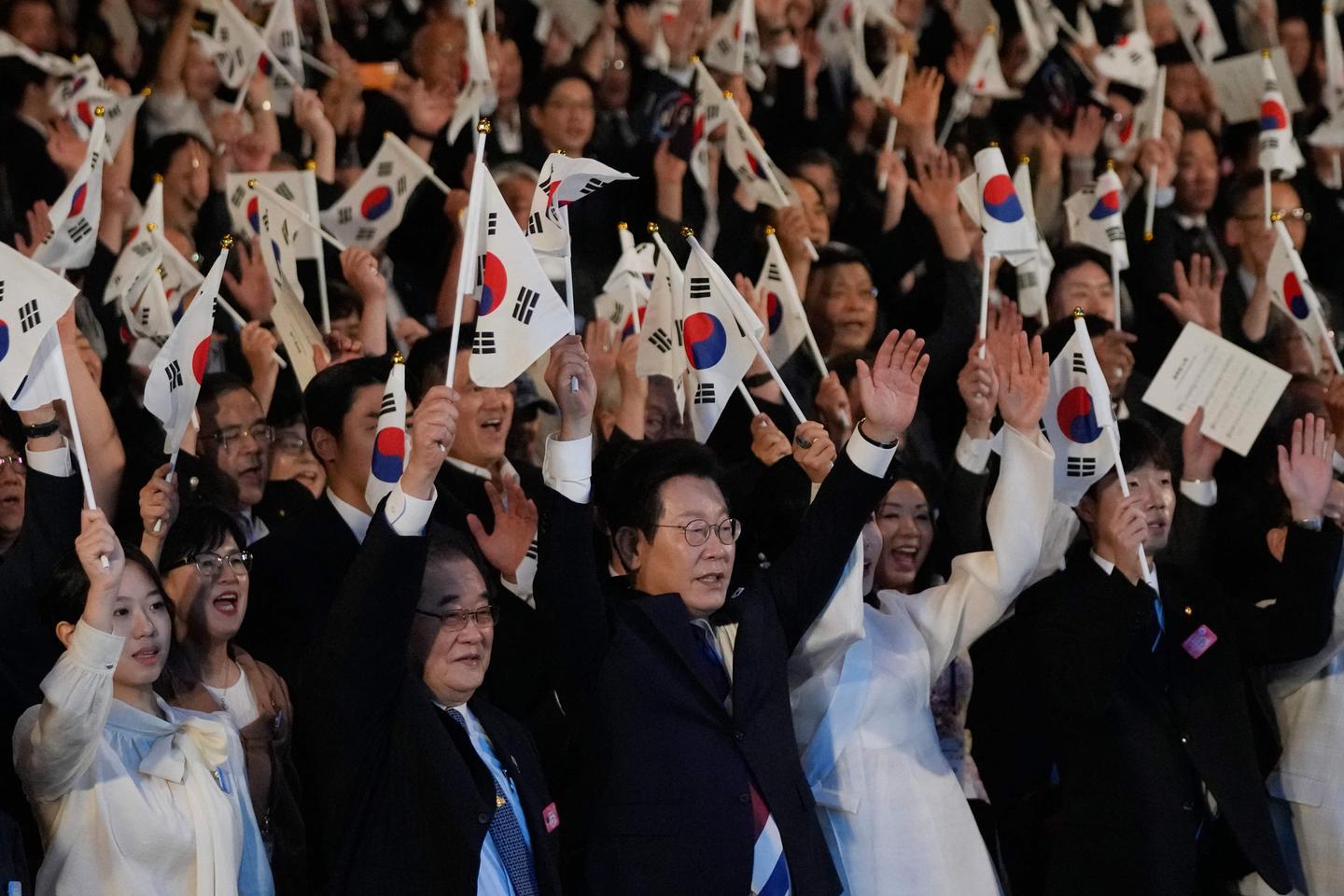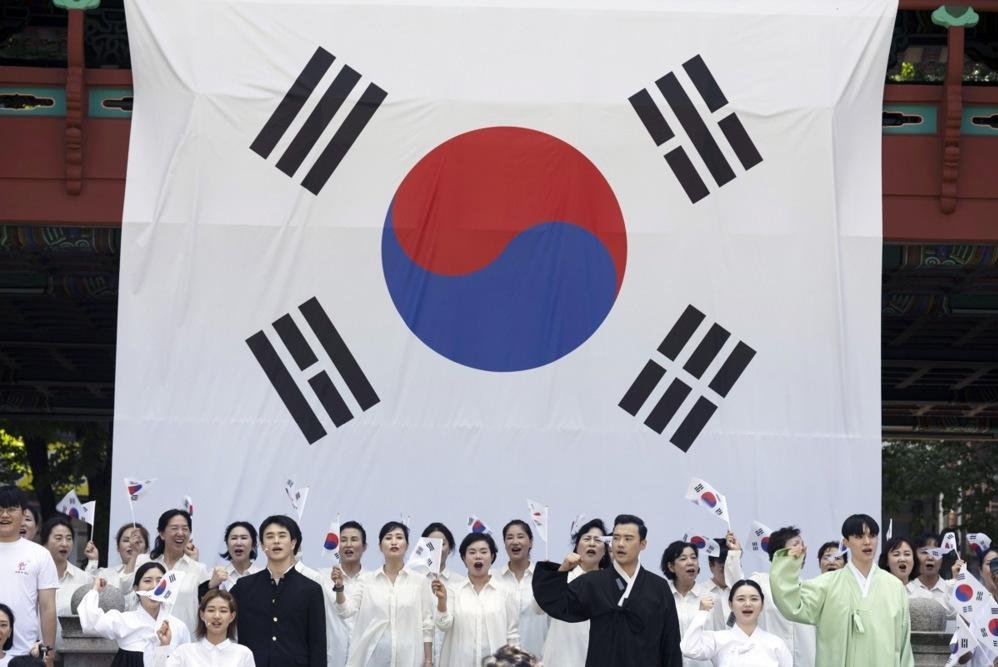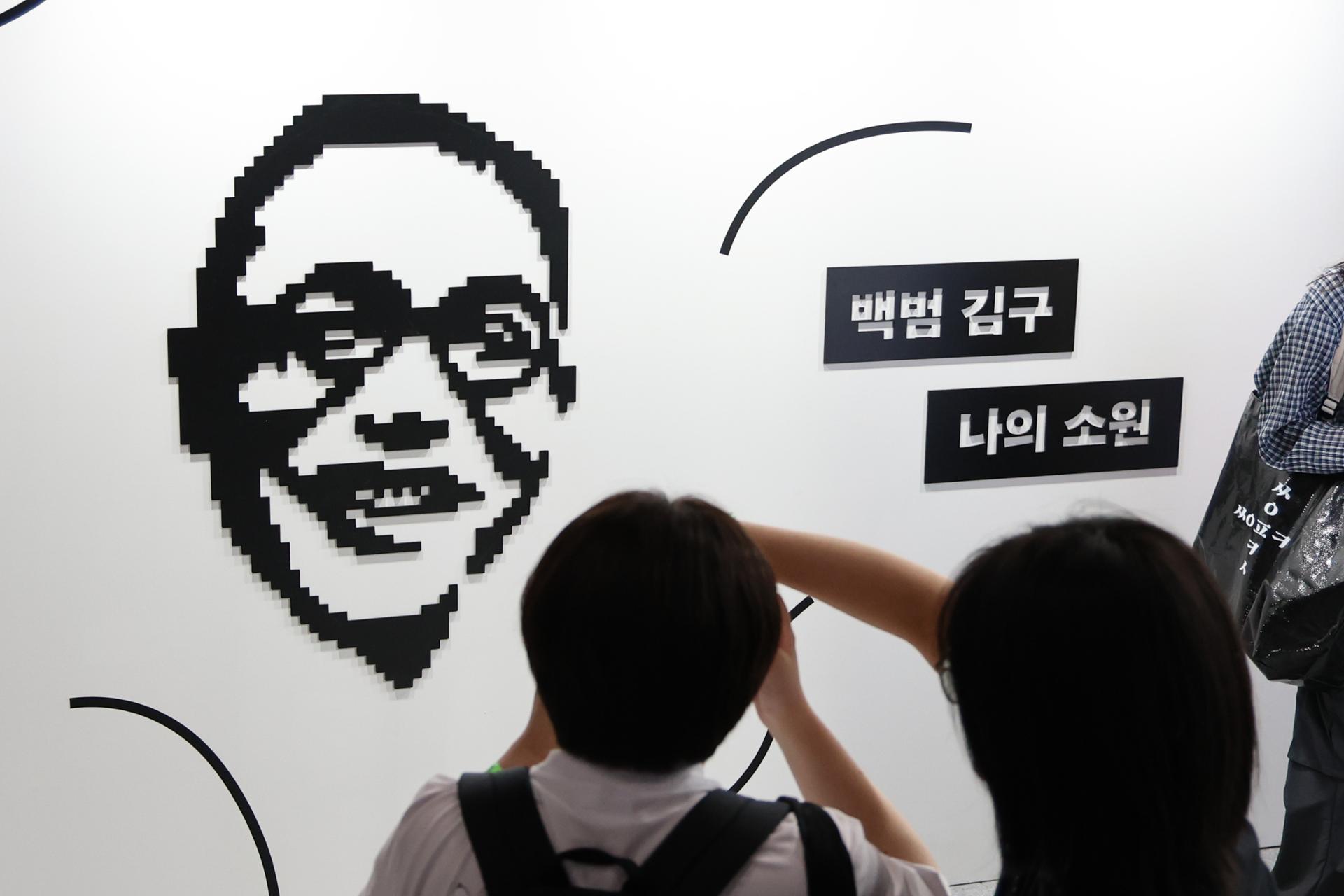
SEOUL, Aug. 20 (UPI) -- On the 80th anniversary of Korea's liberation from Japanese colonial rule, two voices offered radically different interpretations of what a vision for the peninsula should look like. One seeks accommodation with permanent division; the other proclaims unification as a historic calling.
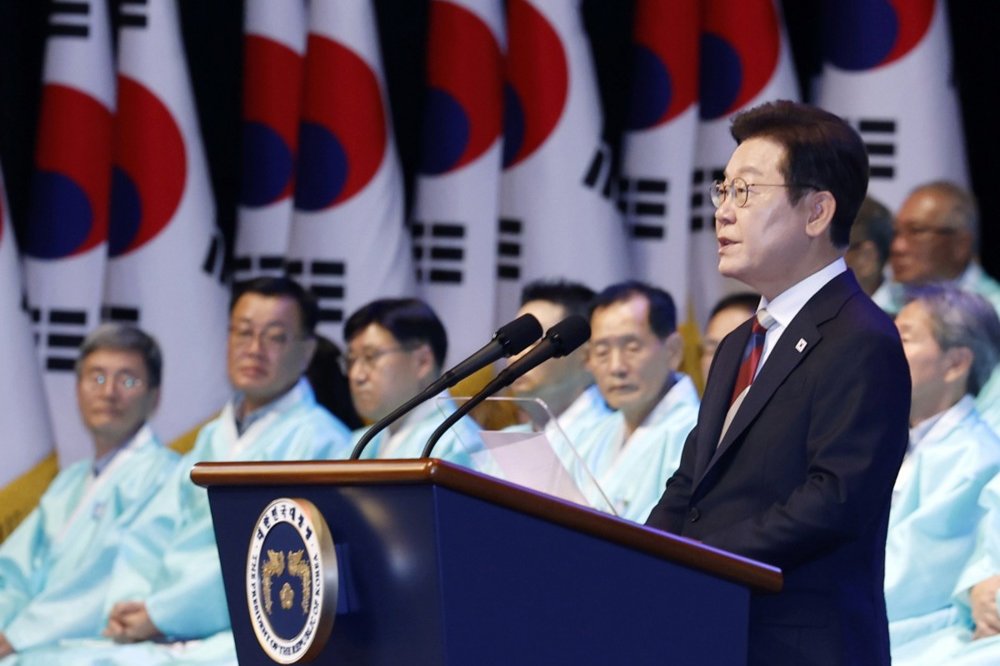
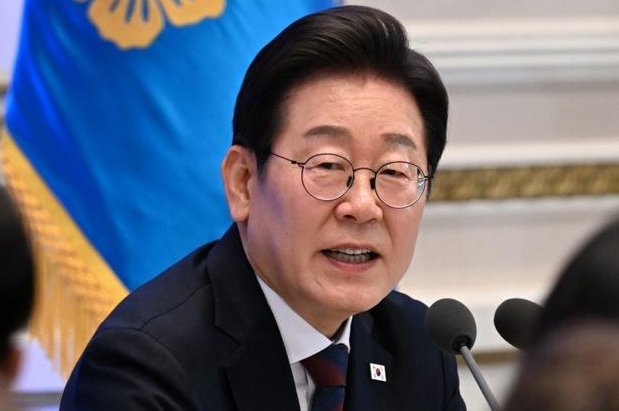
In his Liberation Day address, President Lee Jae Myung departed from the long tradition of framing the national destiny around reunification. He declared:
"Liberation Day is not only a holiday for the South; it is also a day the North celebrates. ... We will recognize the North's system and will not interfere in its internal affairs."
By effectively endorsing a "two-state" reality, Lee signaled that his administration would accept permanent division so long as Pyongyang demanded it. For critics, this was nothing less than an abdication of the historical mission of unification, one that independence fighters saw as inseparable from liberation itself.
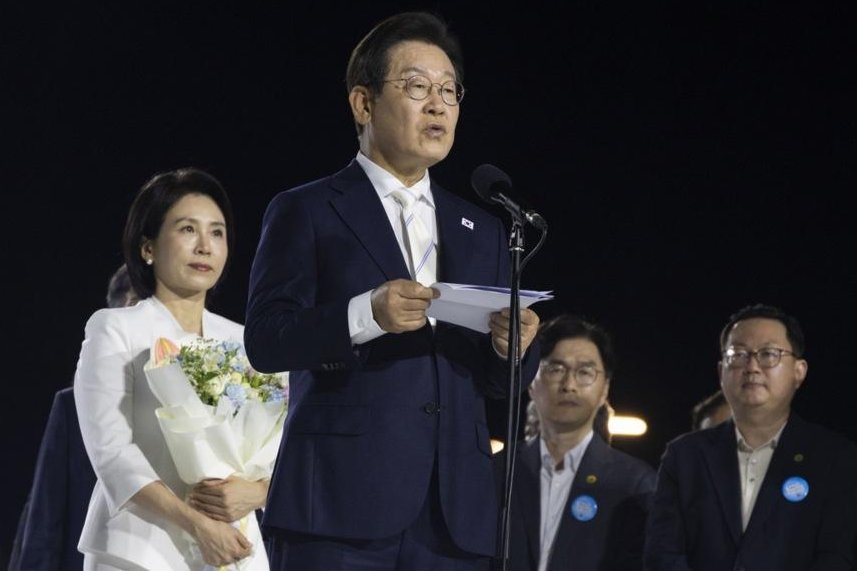
The dissonance deepened later that evening, when Lee presided over what was billed as a "people's inauguration" in Gwanghwamun. The spectacle was less a unifying celebration than a partisan rally, capped by his controversial pardons of political allies.