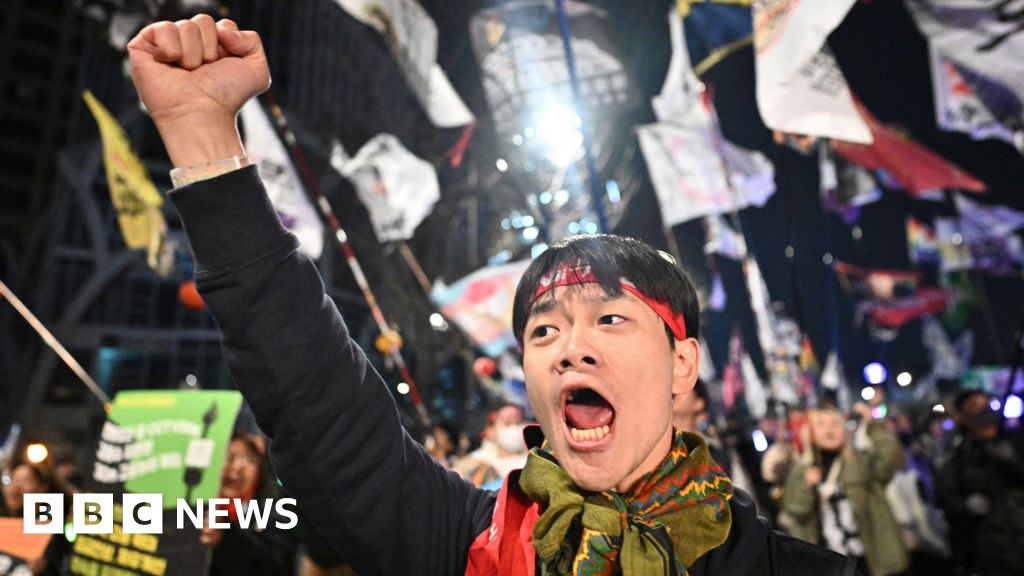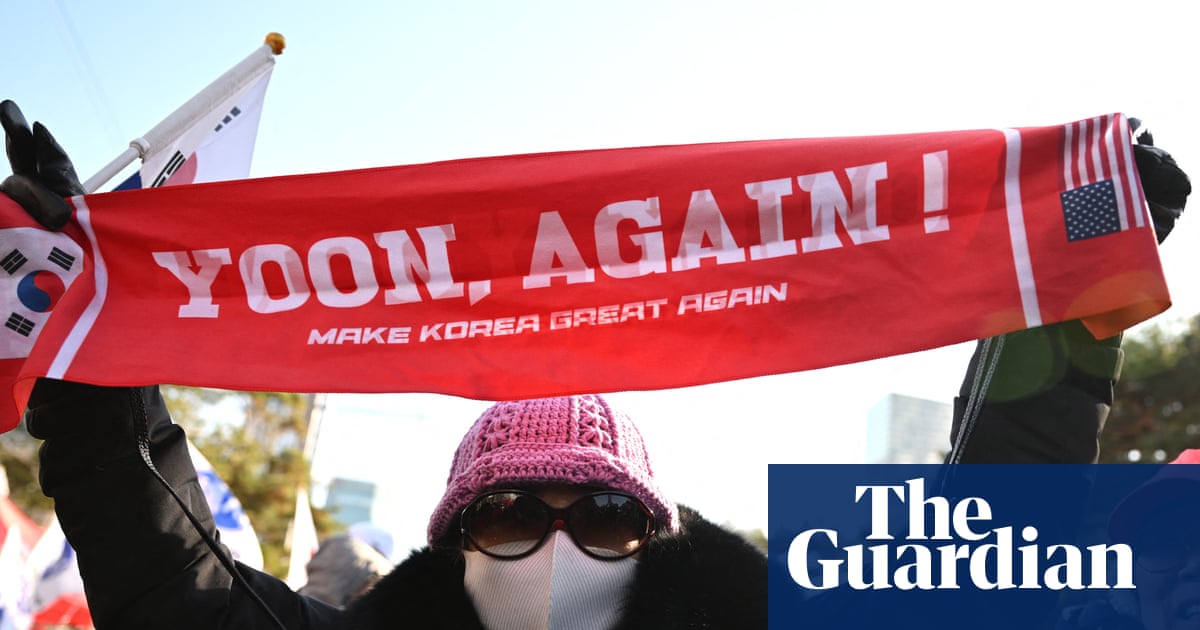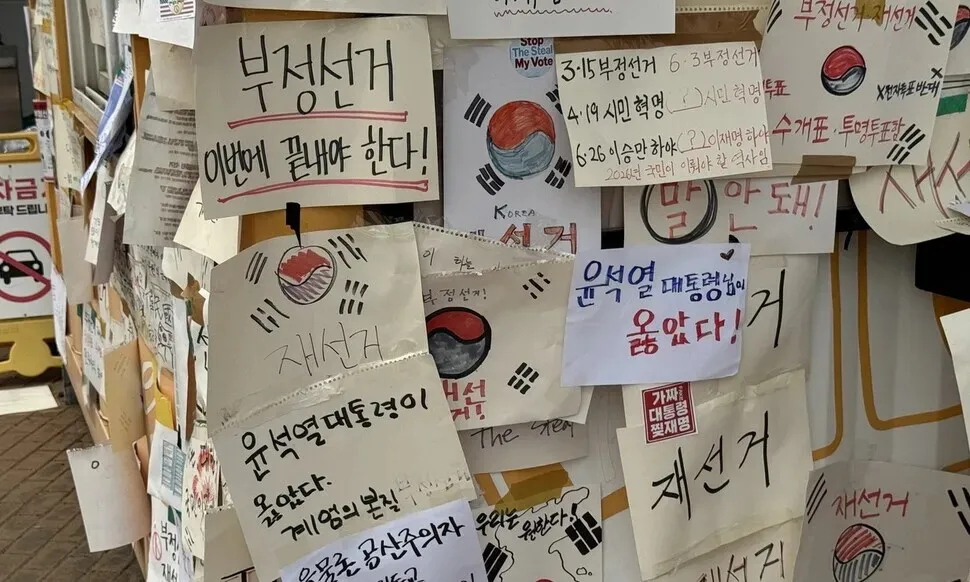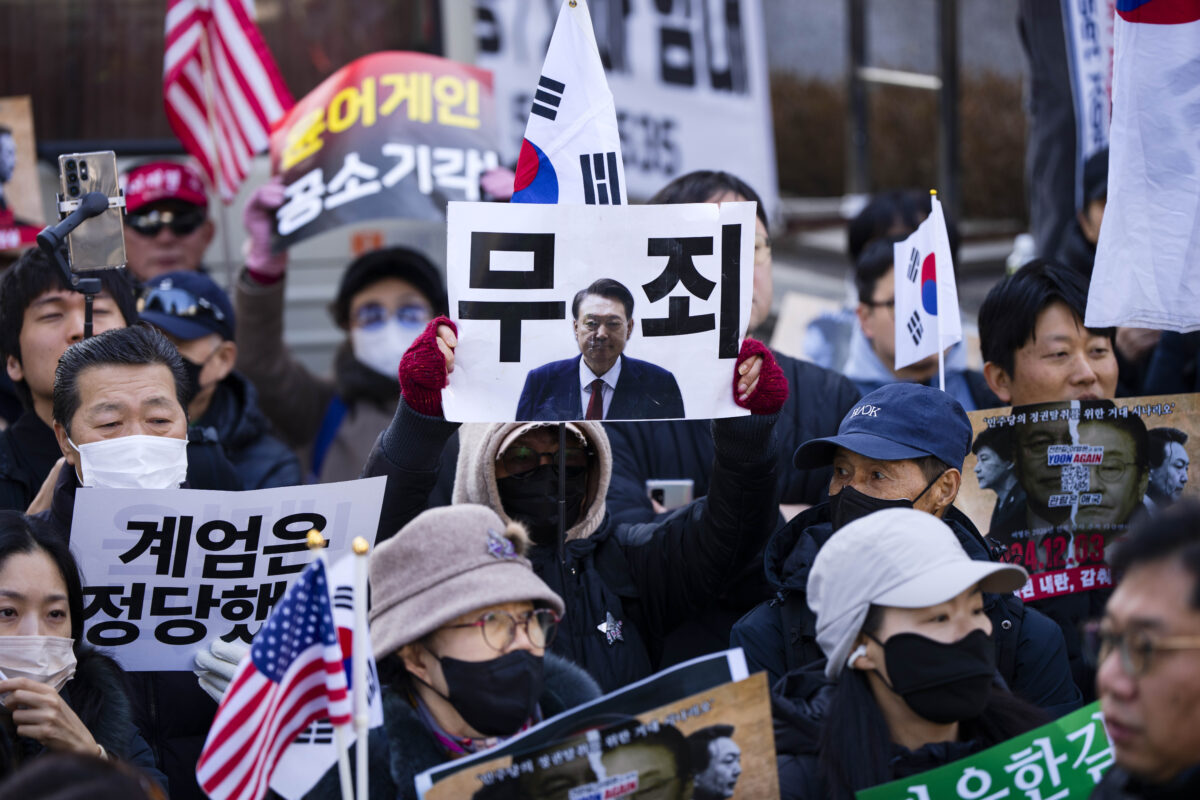
WANG SON-TAEK South Korea's democracy appears to be recovering from one of the gravest crises in its recent history. The turmoil triggered by former President Yoon Suk Yeol's failed insurrection in December 2024 shook public confidence and raised concerns both at home and abroad about the resilience of the country's democratic institutions. Yet just as that chapter seemed to be closing, another challenge has emerged. During the local elections held on June 3, shortages of ballot papers were reported at scores of polling stations, preventing some voters from casting their ballots in a timely manner. Regardless of the scale of the disruption, the incident represents a serious administrative failure.The right to vote is the cornerstone of representative democracy, and any obstacle that prevents eligible citizens from exercising that right deserves careful scrutiny and an appropriate institutional response. Public anger over the ballot shortage is therefore understandable. Citizens have every right to demand a thorough investigation, accountability for those responsible and effective measures to prevent similar incidents from occurring in the future. Some protesters have gone further, calling for the annulment of the affected votes or even new elections. While such demands may not be legally or practically feasible, these calls reflect the depth of frustration felt by those who believe that their democratic rights were compromised.In this regard, the incident may also carry an unexpected positive implication. Reports indicate that many participants in the protests are young people in their 20s and 30s. In many democracies, declining political engagement among younger generations has become a growing concern. If this episode encourages greater civic awareness and participation among young Koreans, it may ultimately contribute to strengthening democratic culture.However, there is another side to this story that should not be ignored. Democracy depends not only on fair procedures but also on democratic norms. Citizens have the right to protest when they believe their rights have been violated. Yet the legitimacy of such protests can quickly erode if participants engage in unlawful or coercive conduct. According to media reports, protesters have blocked access to offices used by election officials near the protest sites, questioned individuals about their identities, searched people’s bags and demanded answers about their nationality. Others have reportedly harassed police officers performing their duties, subjecting them to ridicule and intimidation. Such actions go beyond the boundaries of peaceful assembly and risk creating an atmosphere of vigilantism that undermines democratic principles.These scenes are particularly disturbing because they are so unfamiliar in contemporary Korea. The country has long taken pride in maintaining both a vibrant democracy and a high degree of public order. Images of citizens assuming quasi-policing roles or intimidating others based on suspicion inevitably evoke memories of the riot at a local court in January last year. Around 140 protesters stormed a local court and vandalized the building after a judge issued an arrest warrant for former President Yoon. The incident was widely condemned as a riot, an unsettling reminder of forms of political violence that many Koreans believed had long been left behind. Most of those involved were arrested, prosecuted and eventually sentenced to prison terms.This is why it is essential to distinguish between two separate issues. The ballot shortage itself is a genuine problem requiring transparent investigation and institutional reform. At the same time, legitimate concerns about voting rights should not be exploited to promote unfounded conspiracy theories about electoral fraud. When public grievances become intertwined with misinformation and political extremism, the possibility of constructive democratic action diminishes. Should the current movement succumb to unfounded conspiracy theories regarding electoral fraud, its hard-earned democratic legitimacy will be severely undermined.The responsibility for navigating this situation wisely lies with both citizens and the government. Protesters should continue to exercise their constitutional rights through lawful means. Defending democracy cannot justify undermining the very principles upon which democracy rests. The right to assembly does not include the right to intimidate others, obstruct public institutions or engage in acts that threaten public safety.Government authorities, meanwhile, must recognize the seriousness of the initial administrative failure. A thorough investigation should determine how the ballot shortages occurred, who should be held accountable and what reforms are necessary to ensure that every eligible voter can exercise their rights in future elections. Restoring public trust requires transparency, competence and a willingness to acknowledge mistakes.Law enforcement agencies also face a delicate task. They should continue to protect citizens' rights to protest while responding firmly and proportionately to unlawful acts. A democratic society must neither suppress legitimate dissent nor tolerate violence. Protecting public order alone is relatively easy. Safeguarding both objectives simultaneously is the true challenge facing democratic societies.The international dimension of this episode should not be overlooked either. Korea's democratic achievements have earned widespread recognition around the world. Inevitably, however, foreign audiences exposed only to images of electoral confusion and confrontational protests may begin to question the quality of Korean democracy. Such concerns should be neither dismissed nor exaggerated. Government authorities should engage proactively with international media to ensure that this incident is understood within the broader context of Korea's democratic resilience.Mature democracies are not defined by the absence of crises. Rather, they are distinguished by their ability to confront mistakes openly, hold institutions accountable, and correct deficiencies through lawful and democratic means. Korea's response to this latest controversy will therefore matter more than the controversy itself. While the controversy has exposed weaknesses that require urgent attention, it has also presented an opportunity to reaffirm democratic principles and strengthen public trust.Democracy places obligations on both governments and citizens. Public institutions must protect electoral integrity, while citizens must exercise their rights in ways consistent with democratic norms. The real test is not whether democratic societies encounter difficulties. It is whether they possess the wisdom and determination to overcome them without sacrificing the values they seek to defend. Korea now faces precisely such a test.- - -Wang Son-taekWang Son-taek is an adjunct professor at Sogang University. He is a former diplomatic correspondent at YTN and a former research associate at Yeosijae. The views expressed here are the writer’s own. — Ed.
[Wang Son-taek] Protests pose new test for Korean democracy
South Korea's democracy appears to be recovering from one of the gravest crises in its recent history. The turmoil triggered by former President Yoon Suk Yeol's
1,009 words~5 min read