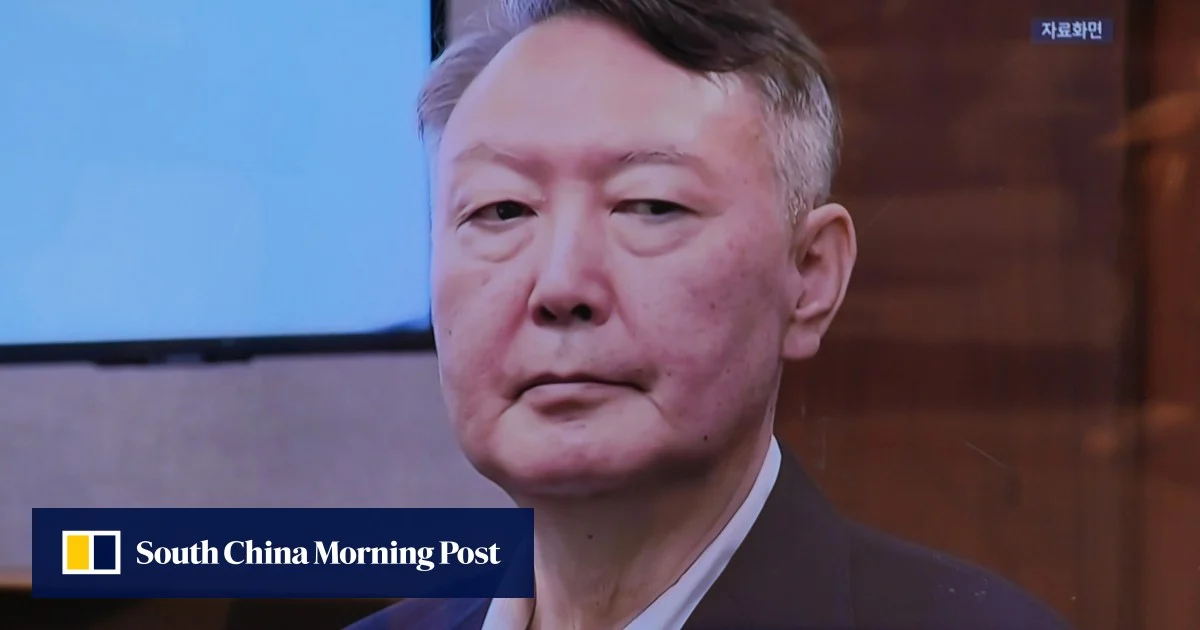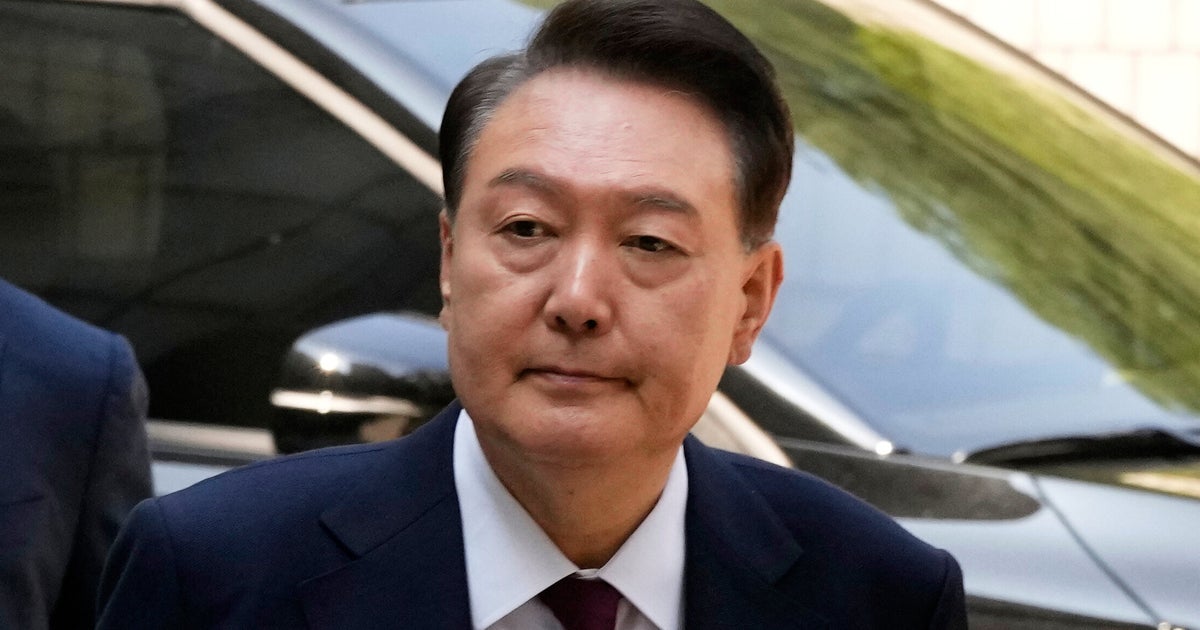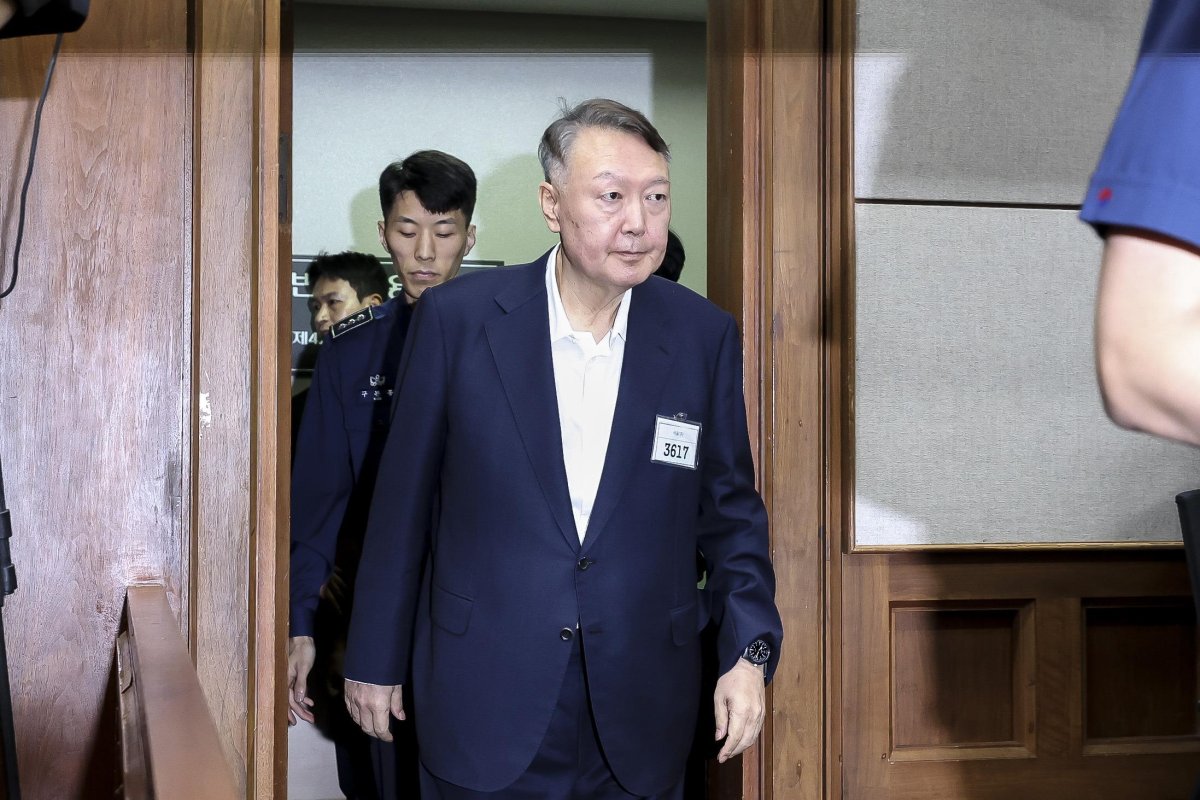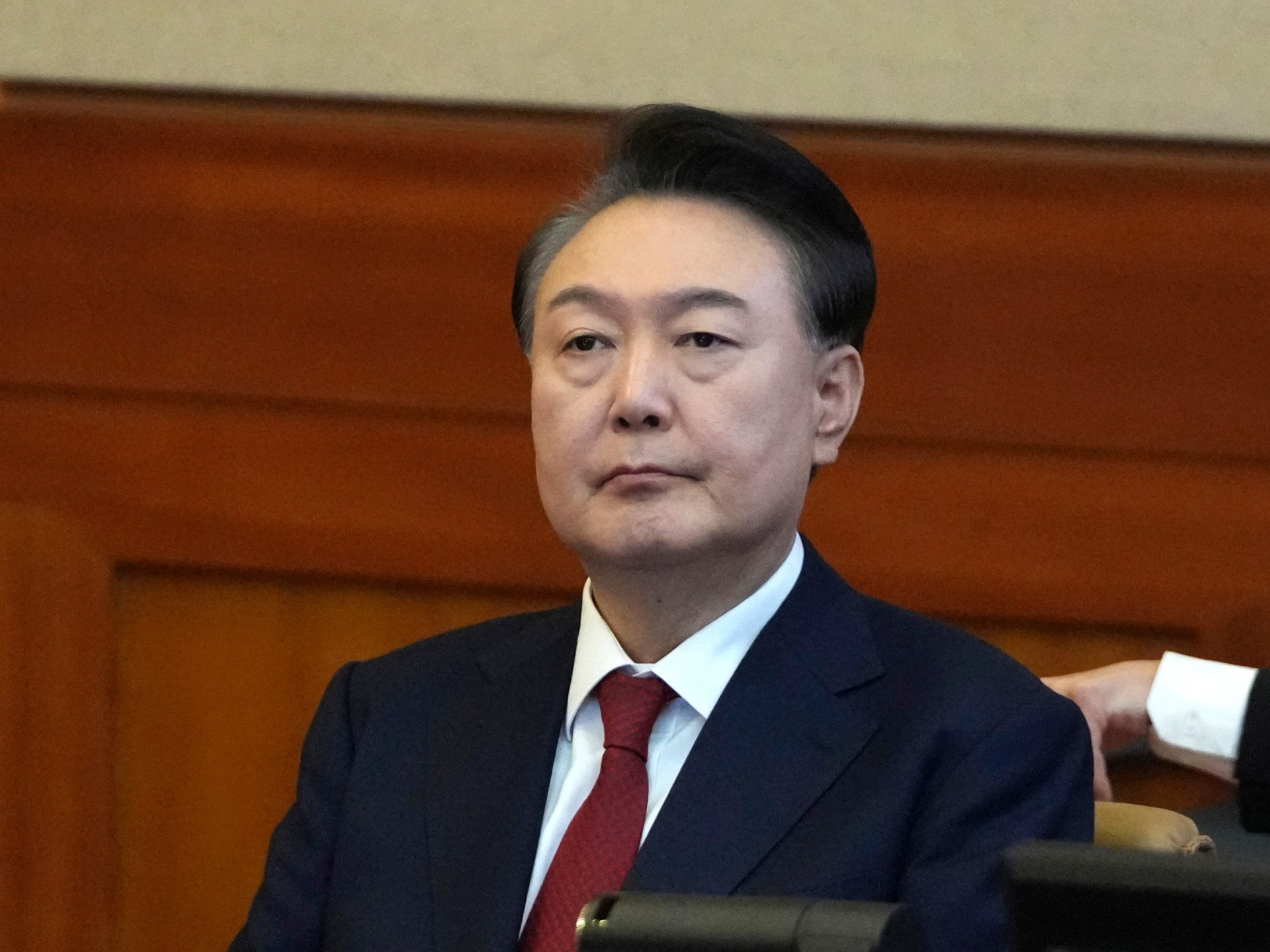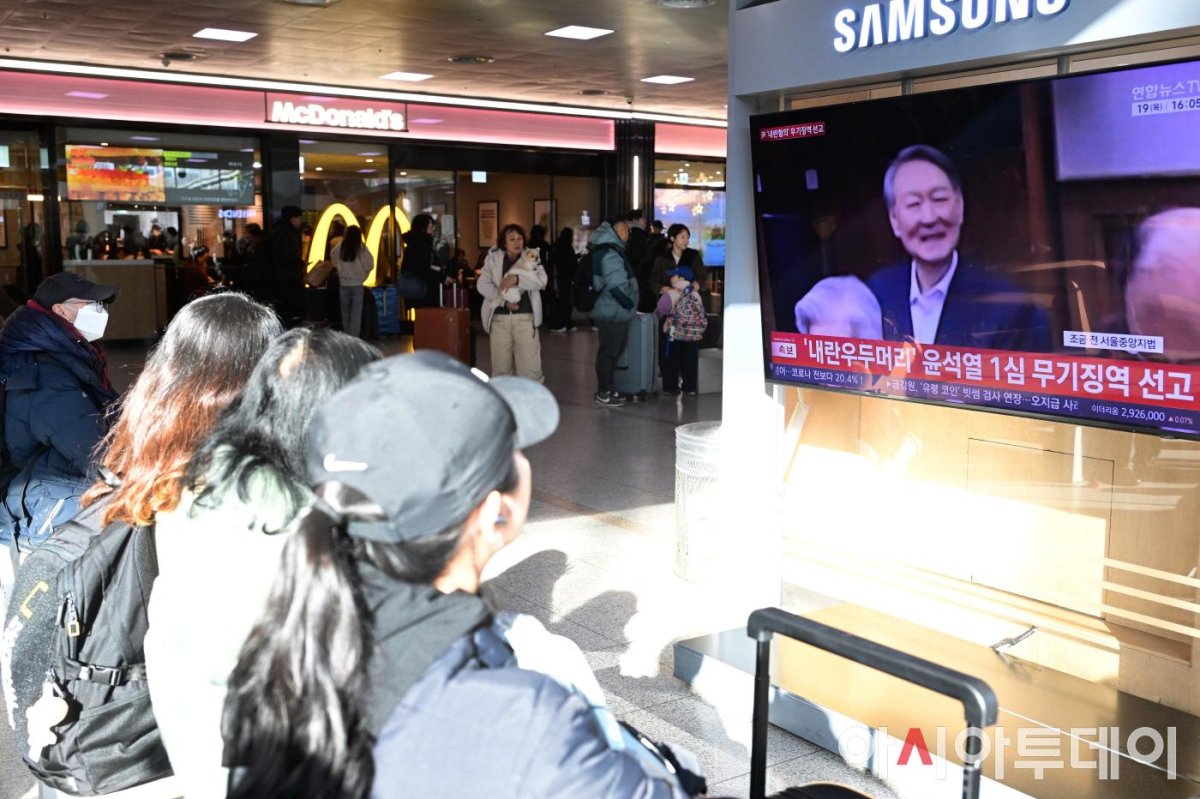
As a law student, former South Korean president Yoon Suk-yeol participated in a mock trial in 1980 that sentenced then-president Chun Doo-hwan to life imprisonment. On 19 February 2026, Yoon was sentenced to life imprisonment for orchestrating an insurrection through his failed declaration of martial law on 3 December 2024. But this sentence, while important, does not resolve the deeper polarisation and institutional distrust that predate and extend beyond the martial law crisis.
The martial law crisis demonstrated the resilience of South Korea’s democratic institutions and the strength of civil society in thwarting democratic backsliding amid growing global concern over executive aggrandisement. The judicial response also demonstrated judicial independence, as the Constitutional Court of Korea reviewed the impeachment through a formal and impartial process.
The sentence of life imprisonment that followed Yoon’s arrest and impeachment served as a clear message that an unlawful declaration of martial law would not be tolerated in South Korea’s democracy. The ruling makes Yoon the first democratically elected president to receive a punishment of this severity.
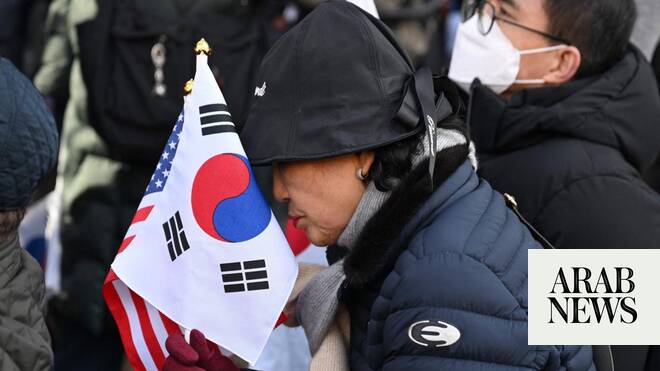
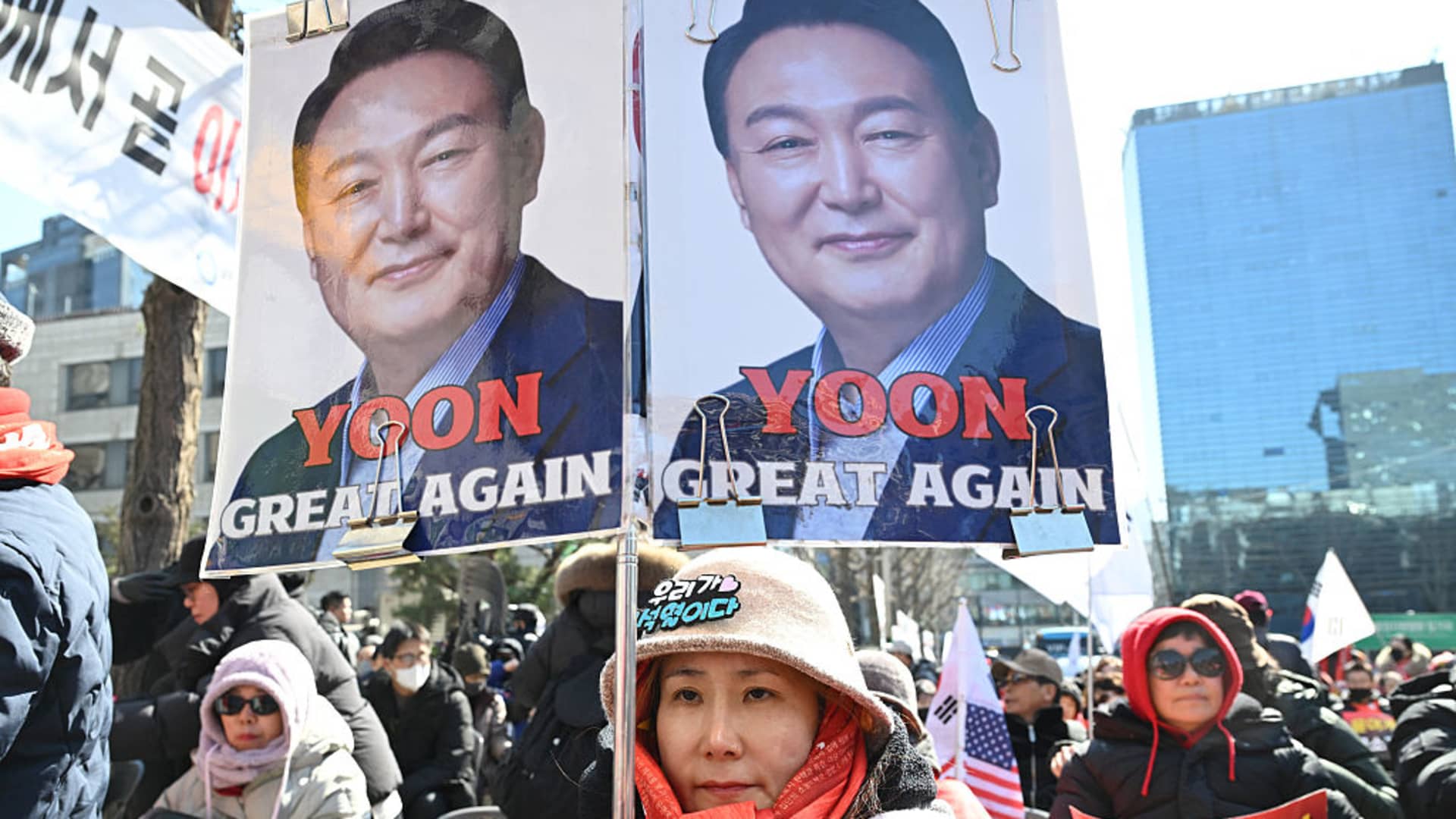
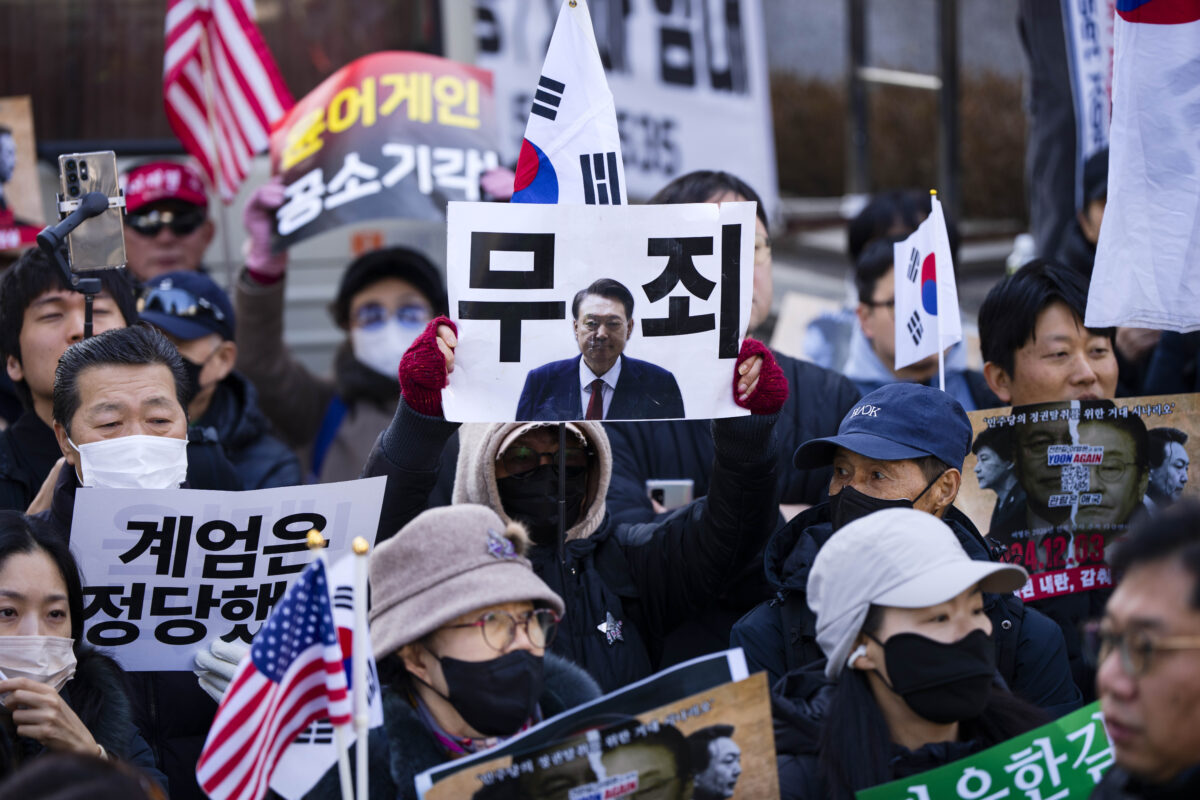
Political polarisation in South Korea has intensified in the wake of the martial law crisis. While many citizens participated in protests following the martial law decree through to Yoon’s impeachment ruling on 4 April 2025, Yoon’s far-right supporters have repeatedly mobilised to defend his actions, including a violent attack on the Seoul Western District Court. When the court sentenced Yoon to life imprisonment, his supporters protested the verdict and continued to chant ‘Yoon again’ — a slogan reflecting their demand for Yoon’s return to power.