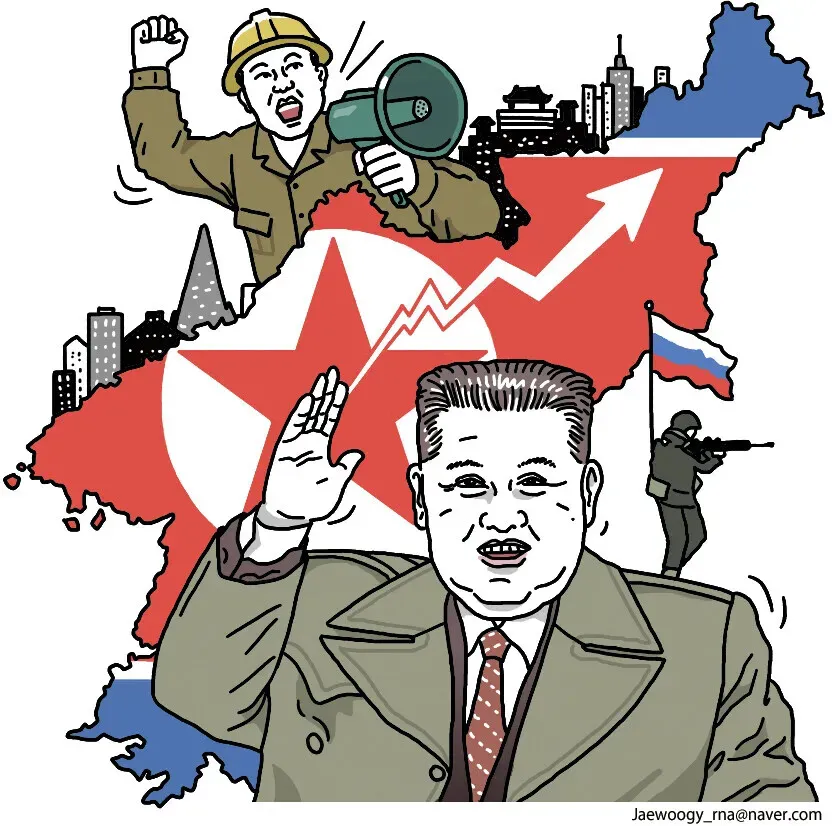
(Illustration by Jaewoogy_rna@naver.com)
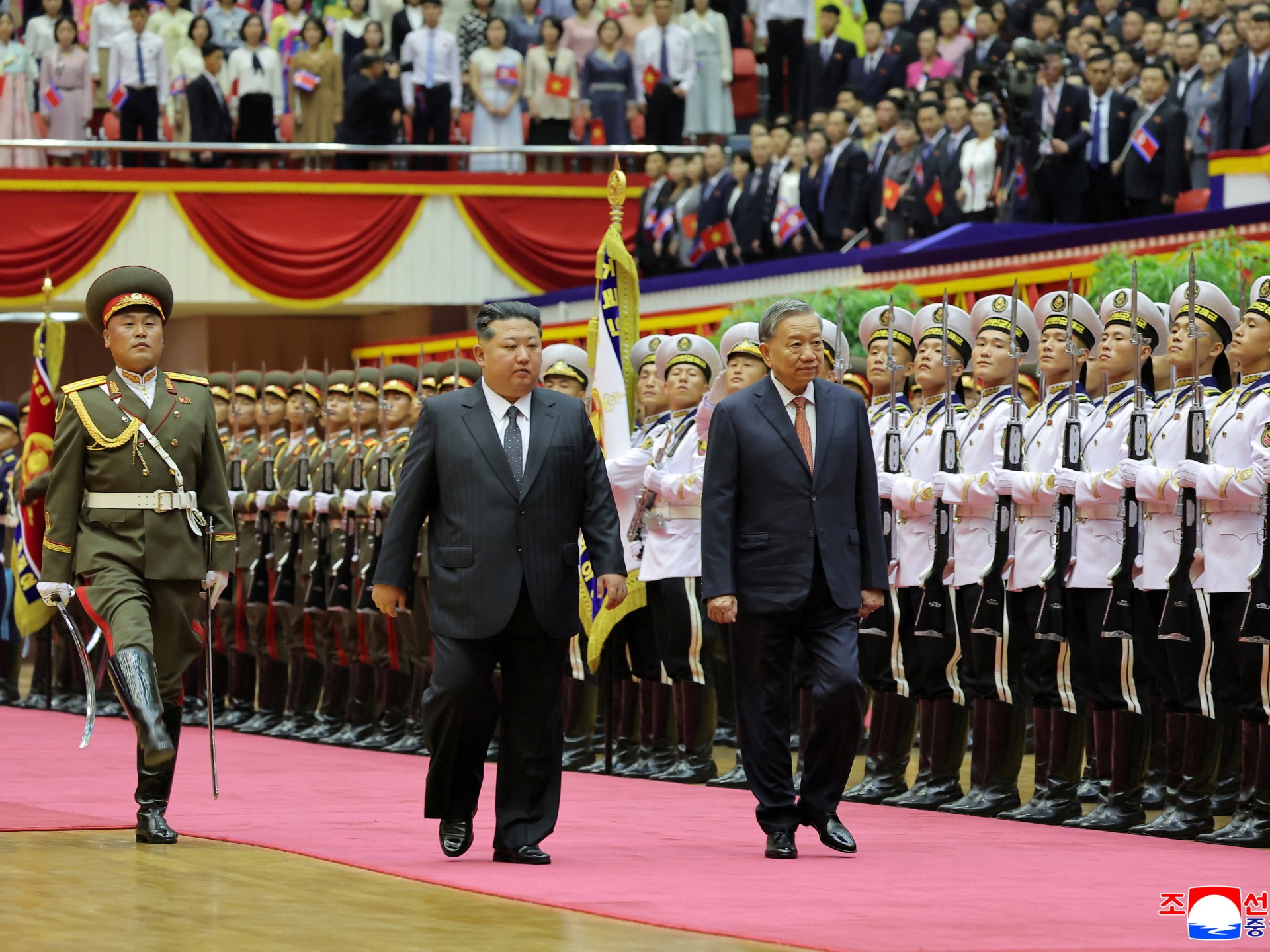
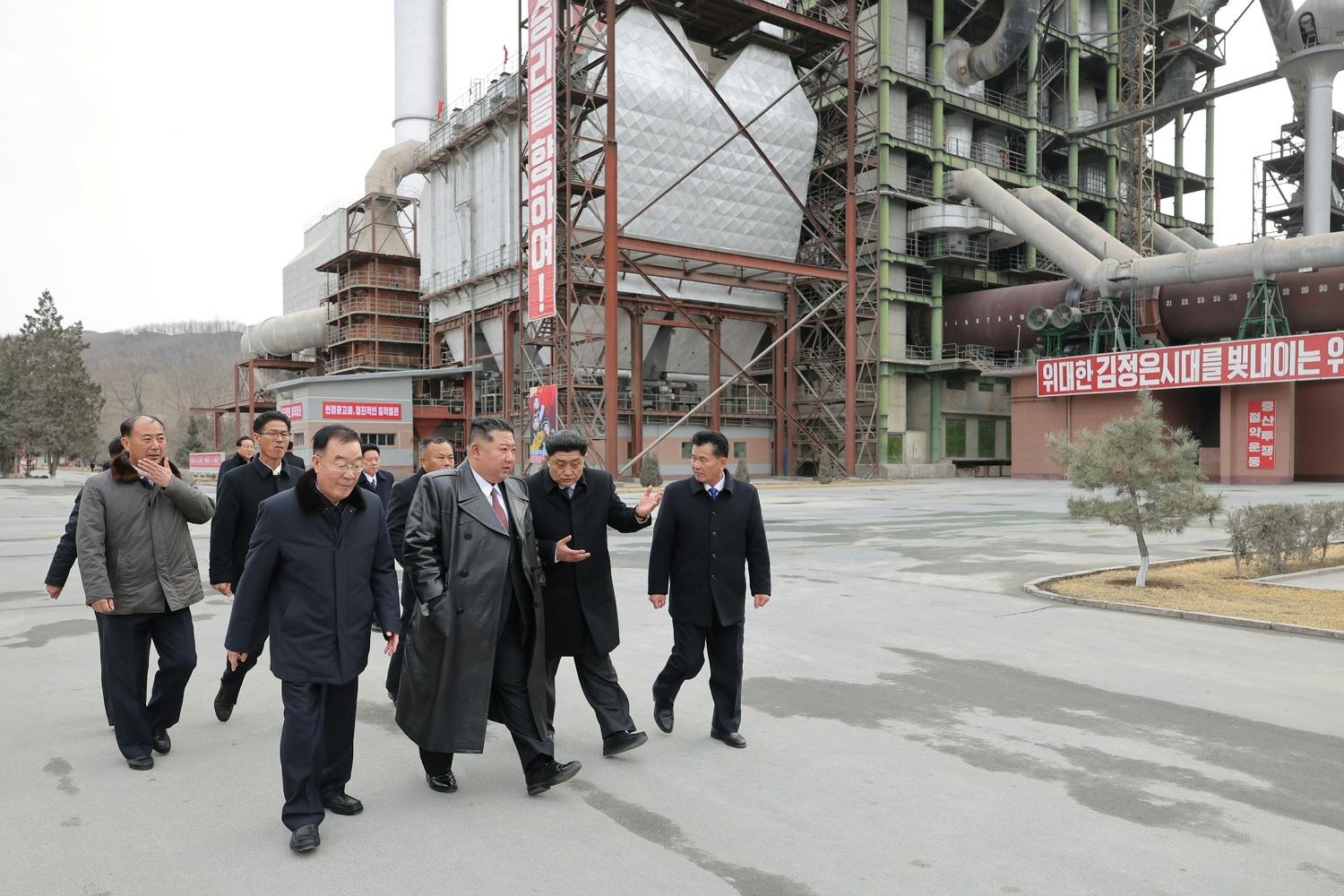
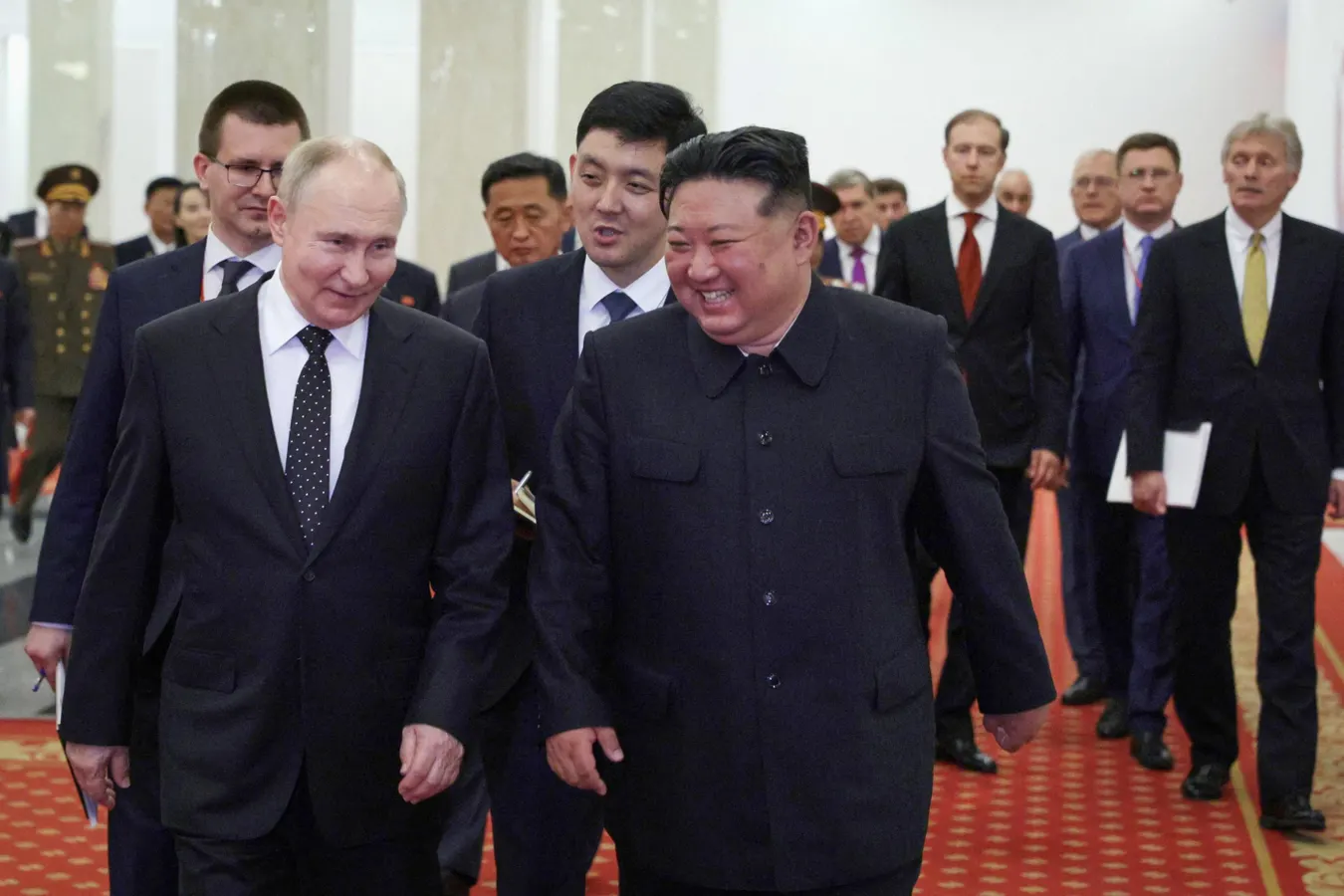
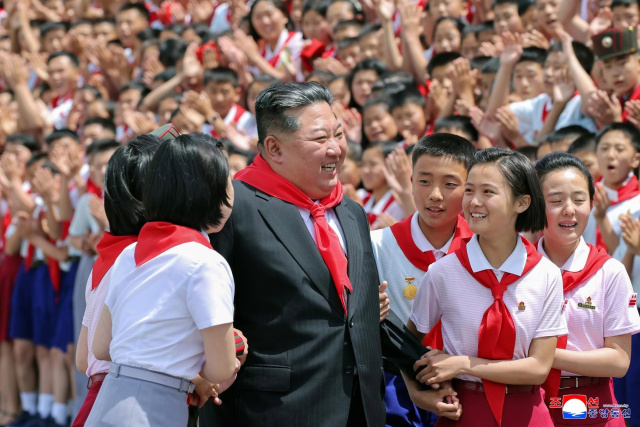
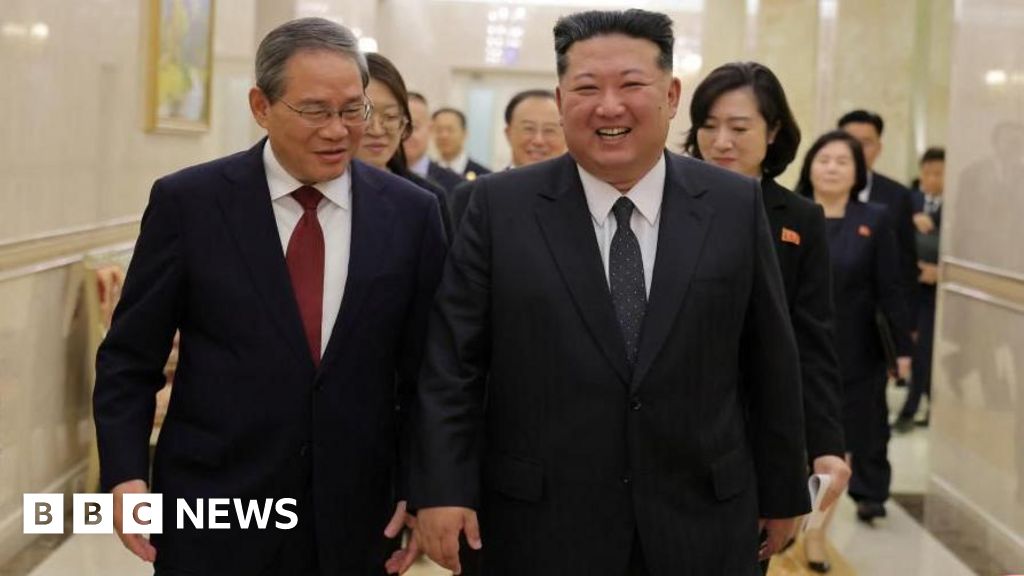
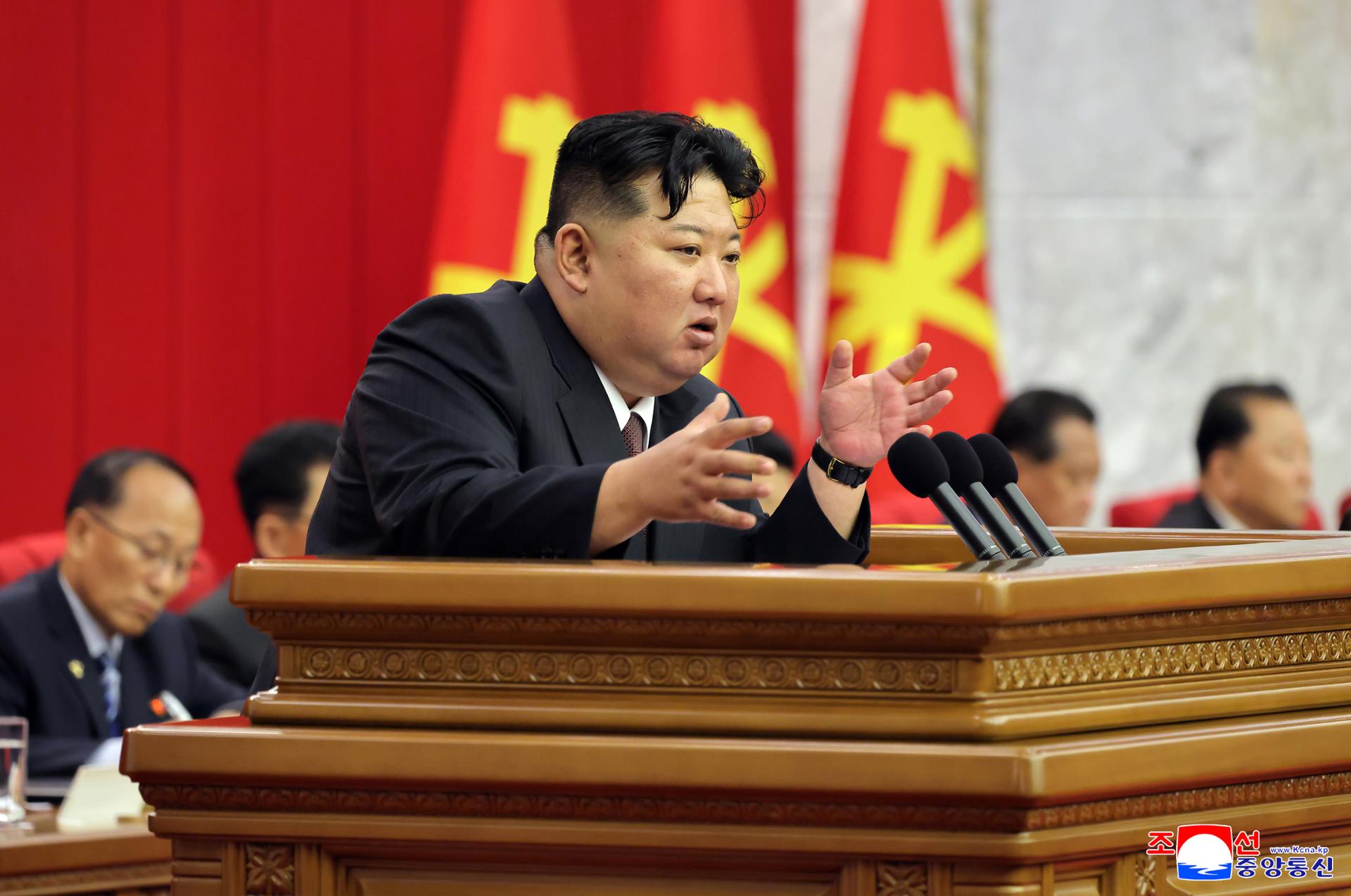
On Oct. 10, 2020, a military parade marking the 75th anniversary of the Workers’ Party of Korea was held in Kim Il-Sung Square in Pyongyang, North Korea. “Our people have placed trust, as high as the sky and as deep as the sea, on me, but I have failed to always live up to it satisfactorily. I am really sorry for that,” the North’s “supreme leader” Kim Jong-un said while choking up and wiping away tears. The crowds gathered in the square cried with him. His country at the time faced its greatest crisis since he took power, suffering from the triple whammy of economic sanctions, COVID-19 and severe flood damage.Six years later, foreign media reports say the North’s economy is seeing an unprecedented boom. On Wednesday, a Wall Street Journal article mentioned how smartphone-based taxi hailing, QR code payments and food delivery services are now ubiquitous in Pyongyang, along with Chinese-made electric vehicles and imported cars cruising the city’s streets. Photos from Russia’s TASS news agency showed that the scenery along the Taedong River in Pyongyang resembles a major Chinese city lined with state-of-the-art skyscrapers. The Bank of Korea in Seoul estimated the North’s economic growth in 2024 at 3.7%, the highest in eight years.Such surprising growth — achieved despite international sanctions — is difficult to explain without referring to the war in Ukraine. After signing a mutual defense treaty with Moscow in 2024, Pyongyang has earned over US$10 billion from supplying Russia with weapons such as artillery shells and missiles. By deploying more than 15,000 troops to the battlefield, the North also received cash payments and infrastructure support in a windfall akin to the economic boom South Korea experienced in the 1960s and 70s from its participation in the Vietnam War.After its reconstruction phase following the Korean War, the North Korean economy posted high growth of roughly 10% in the 1960s under its policy of parallel military and economic development. This was the product of a synergistic combination of massive economic aid from socialist bloc countries, competition with the regime in the South, and the uniquely authoritarian ability to mobilize whatever resources were needed. But North Korea’s authoritarian planned economy ceased to be a viable development model following the collapse of the socialist bloc — as did the Park Chung-hee model in the South following the 1997 Asian financial crisis. But this recent unanticipated boom in North Korea’s economy is worth reflecting on. If the fruit of this abundance were to simply allow for improvements in the lives of everyday people, that would be fine and dandy. The problem is that such growth reinforces the perception that regimes without popular sovereignty, such as China, are better equipped to deliver economic growth.More and more you hear people argue that China’s authoritarian model is best not only for economic growth, but ideal for responding to issues tied to all of our futures, namely the climate crisis, in what’s become known as “climate Maoism.” I worry about our survival, yes, but it’s difficult not to also worry about what might become of democracy down the line. By Lee Se-young, editorial writerPlease direct questions or comments to [english@hani.co.kr]