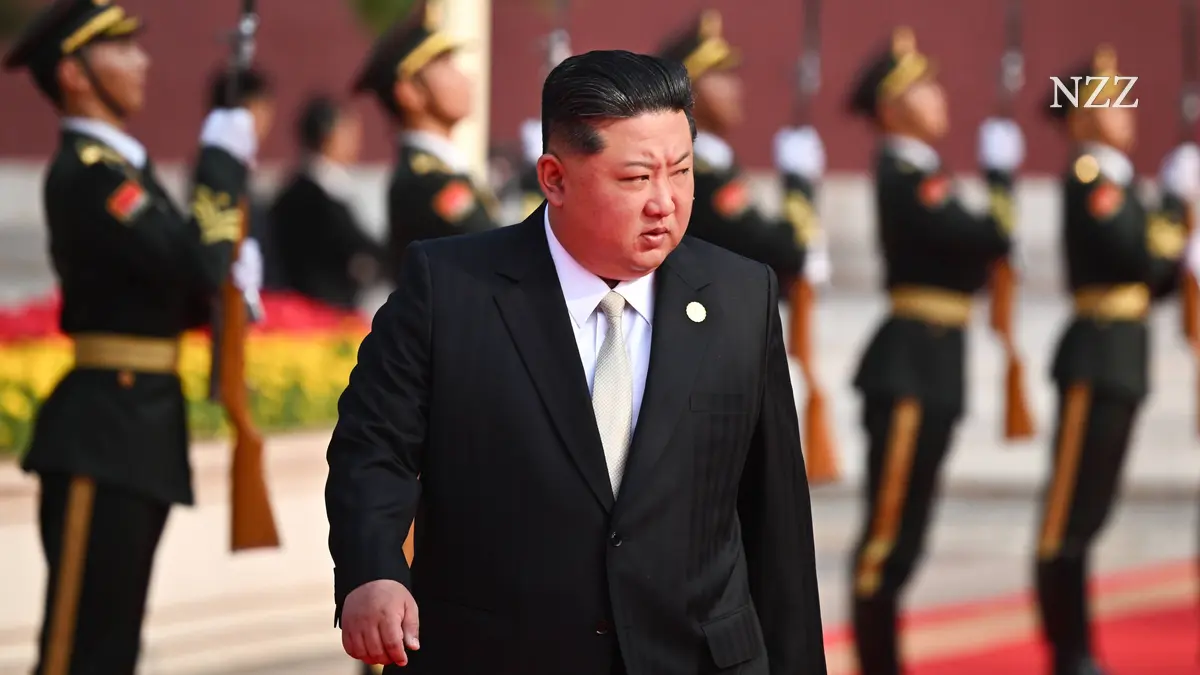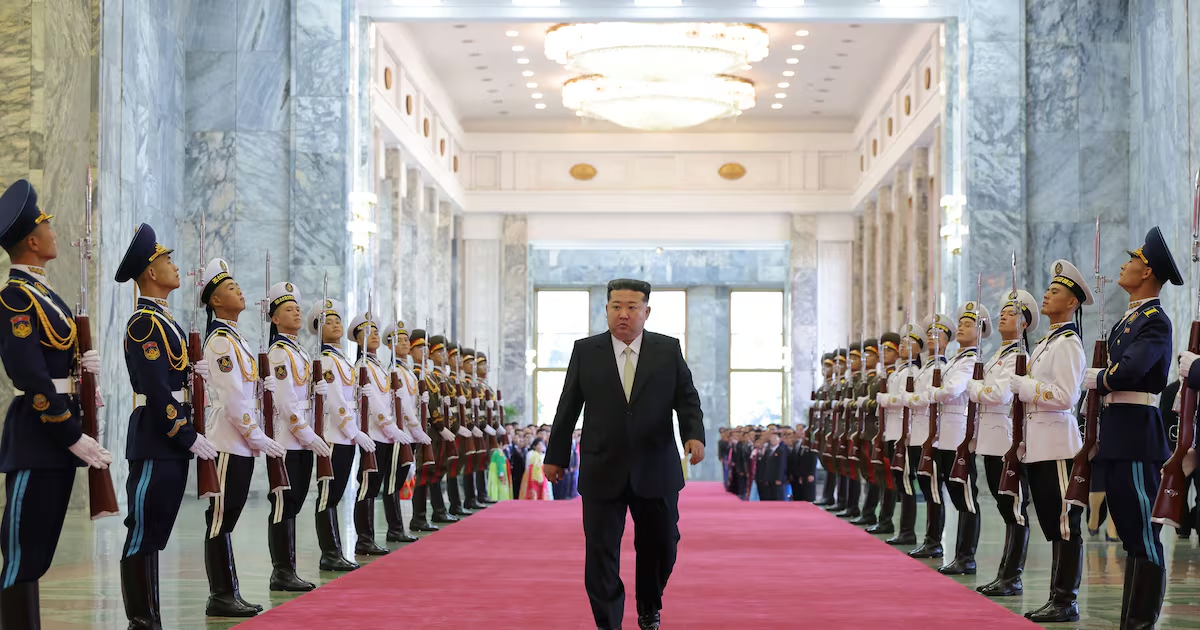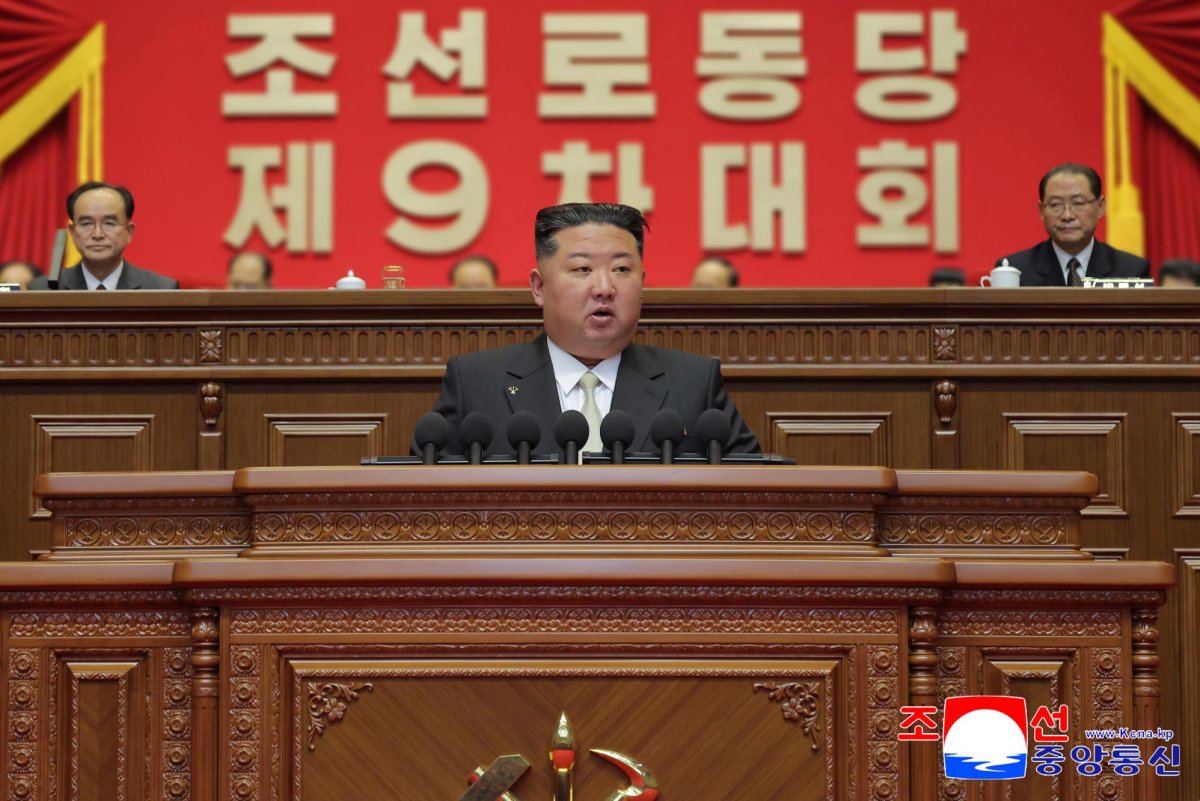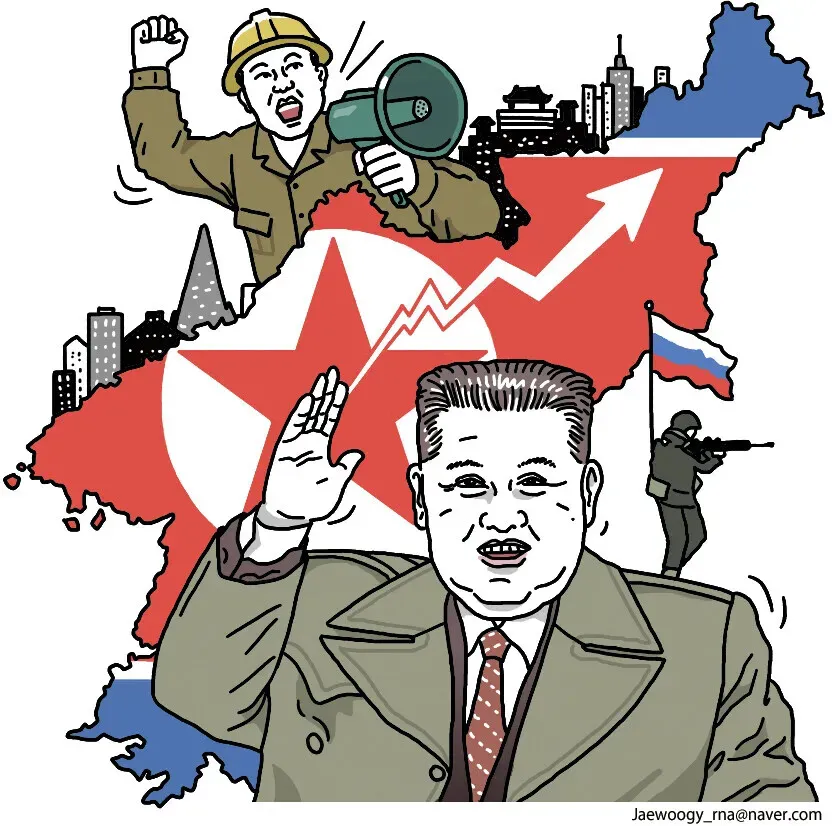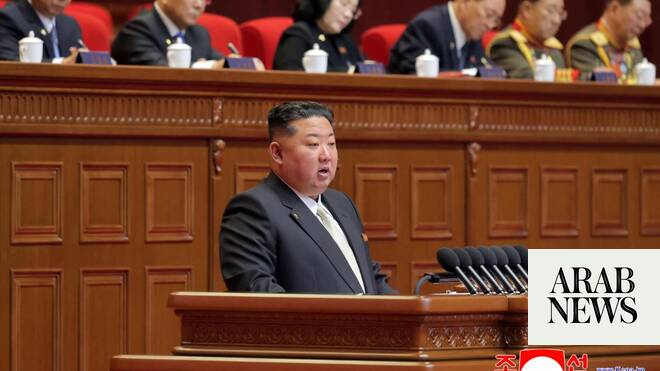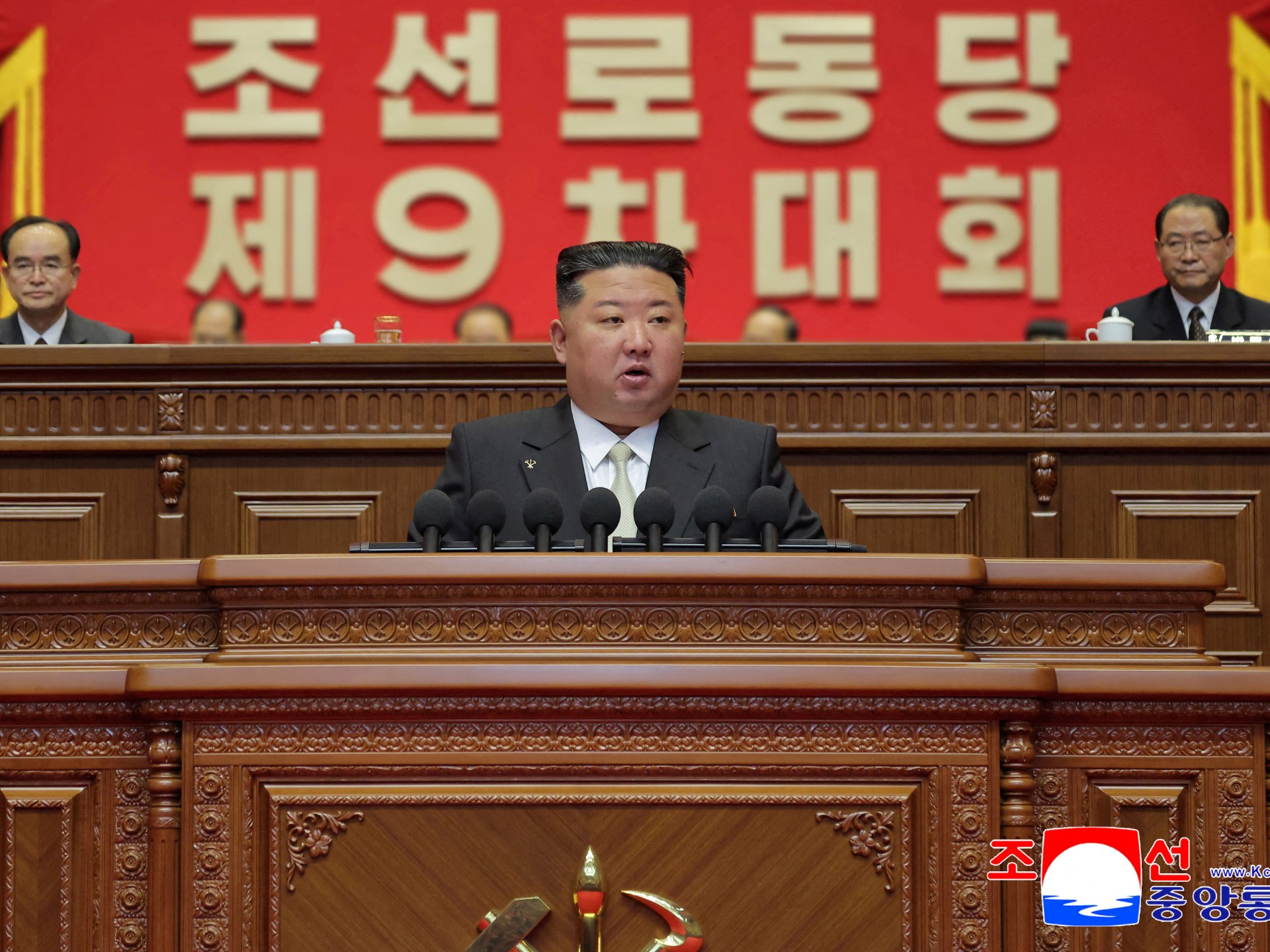
When Kim Jong Un opened the Workers' Party Congress in early 2021, he did something almost unheard of for a North Korean leader - he apologized to the assembled delegates for the country's economic state. COVID border closures had crushed trade with China, typhoons had ruined the harvest, and the public health system was on the verge of collapse. Five years on, the tone from Pyongyang is unrecognizable. Kim now tells his party that North Korea has entered a "glorious and more prosperous era," and the regime is promising both "sweets and bullets," meaning it can fund civilian consumption and the nuclear weapons program at the same time.
The numbers, what little can be measured of them, support at least part of the boast. The Bank of Korea estimates that the North Korean economy grew 3.7% in 2024, its fastest expansion in eight years. Bloomberg, citing the same data, put real GDP at roughly 37 trillion South Korean won, or about USD26.7 billion at current rates. The Korea Development Institute, working with a different methodology, has put cumulative growth across 2023 and 2024 closer to 10%. The BOK expects another expansion in 2025, citing better weather, increased cross-border trade, and unreported military exports to Russia.