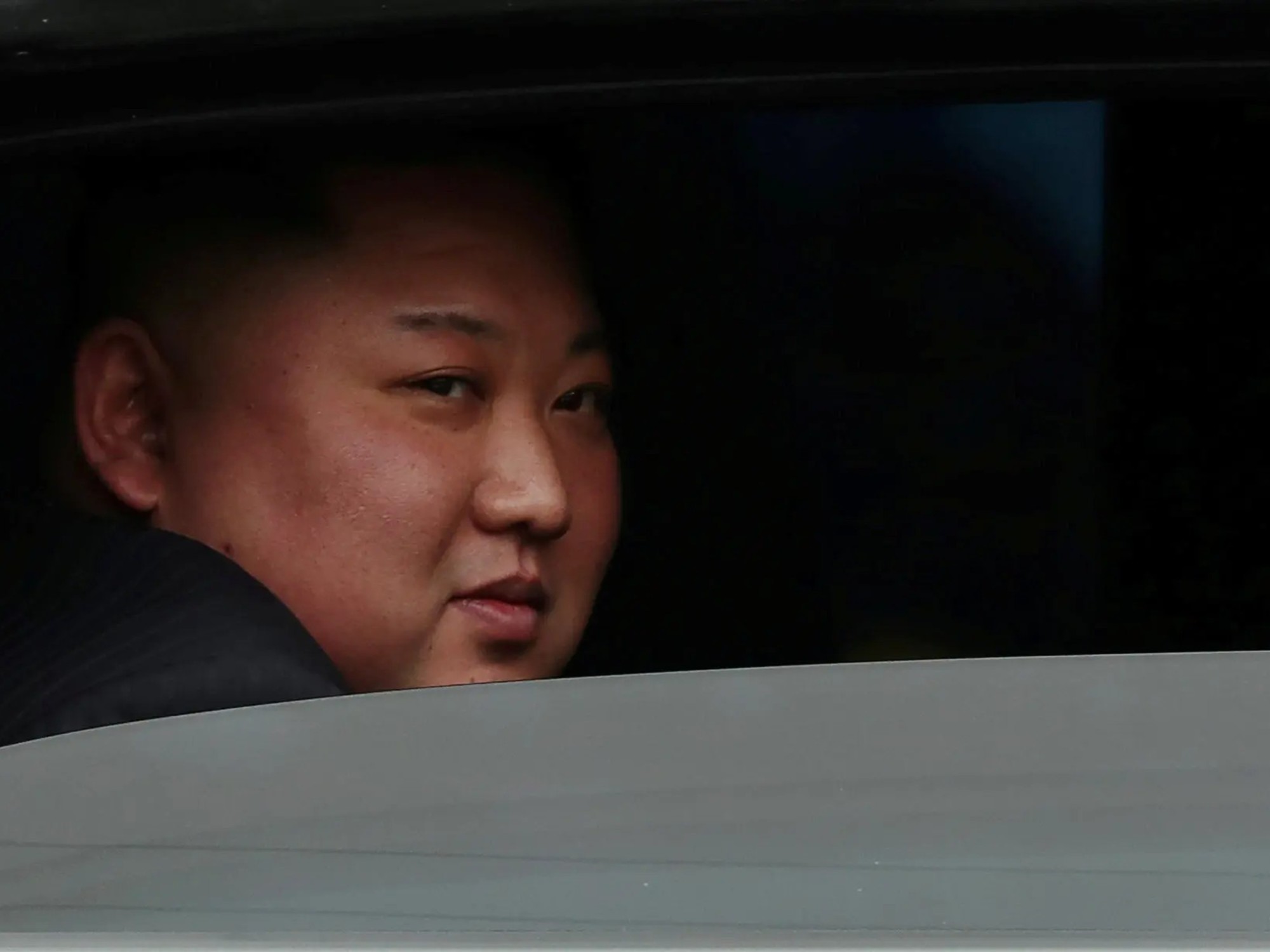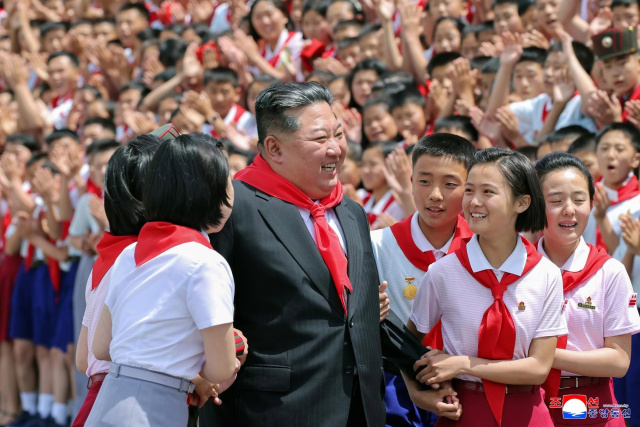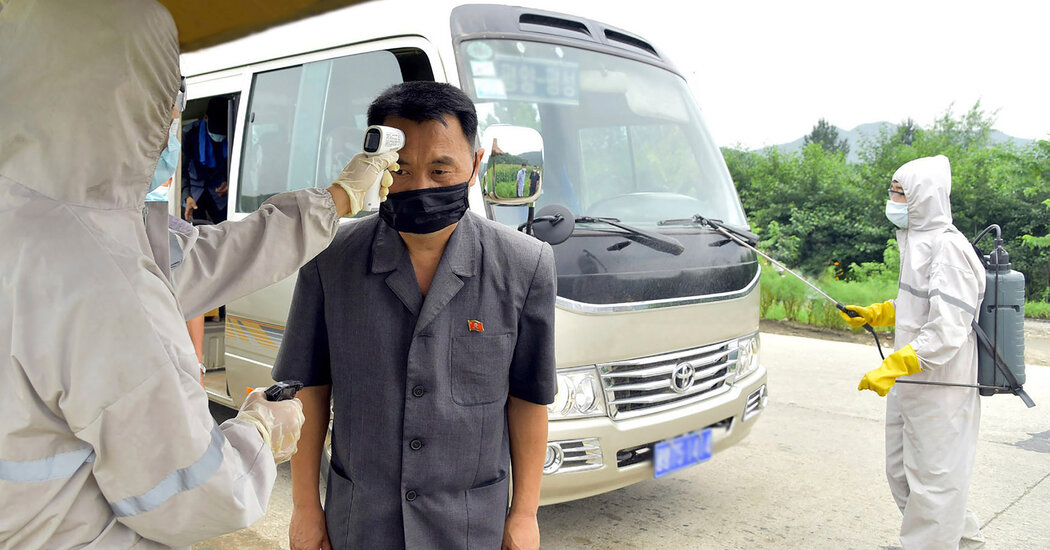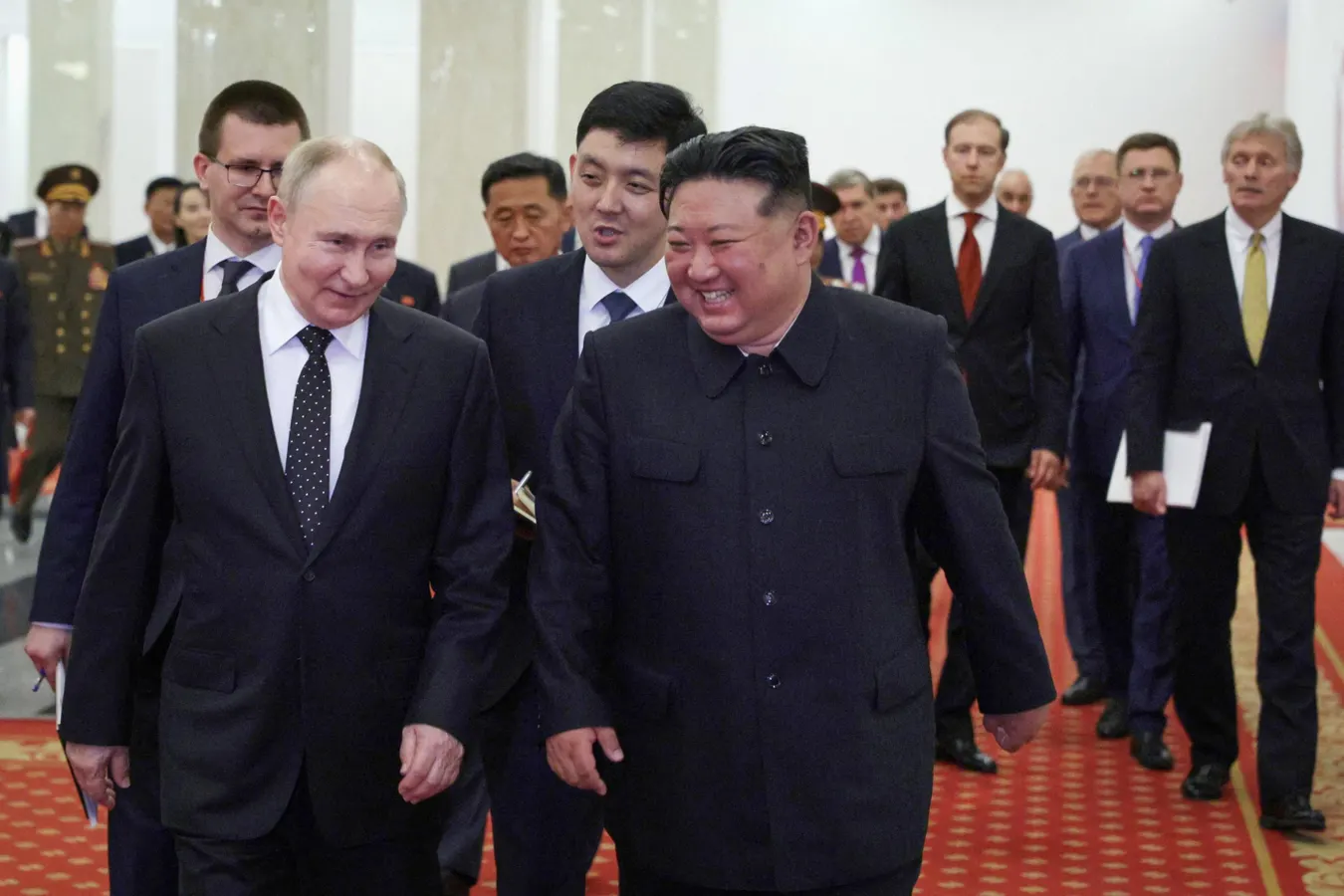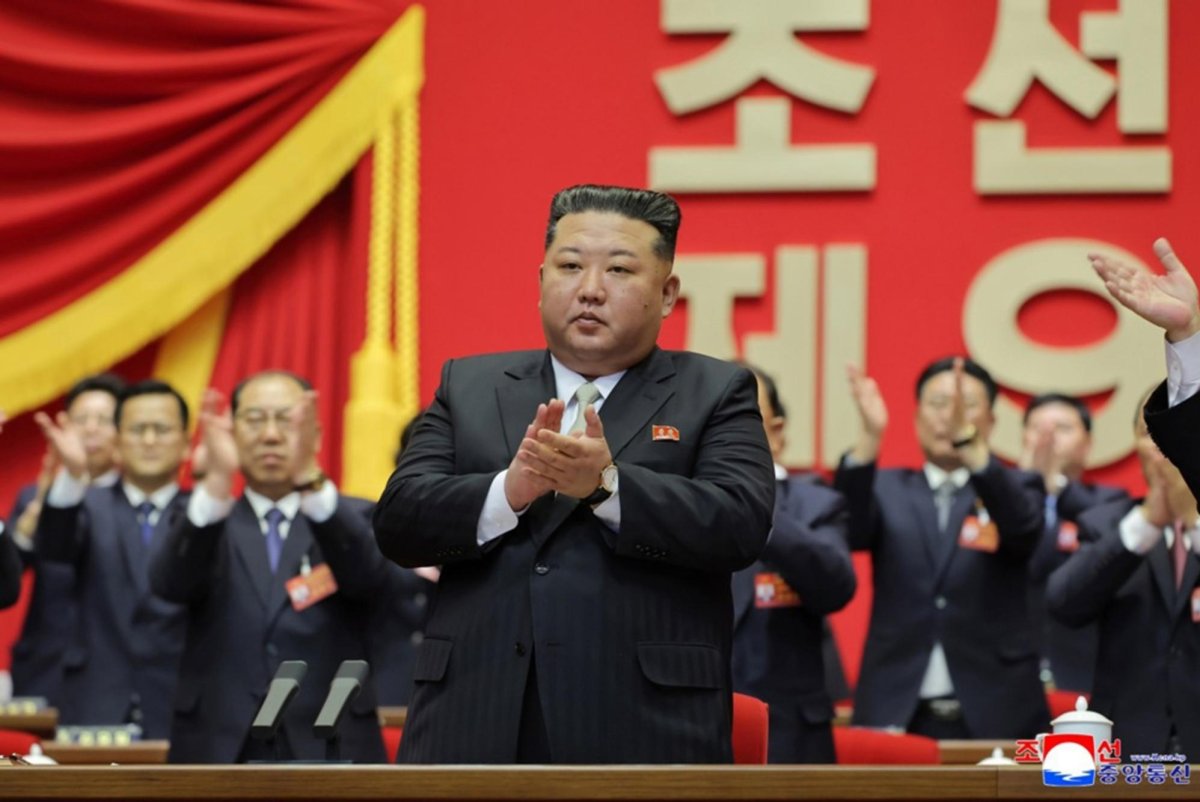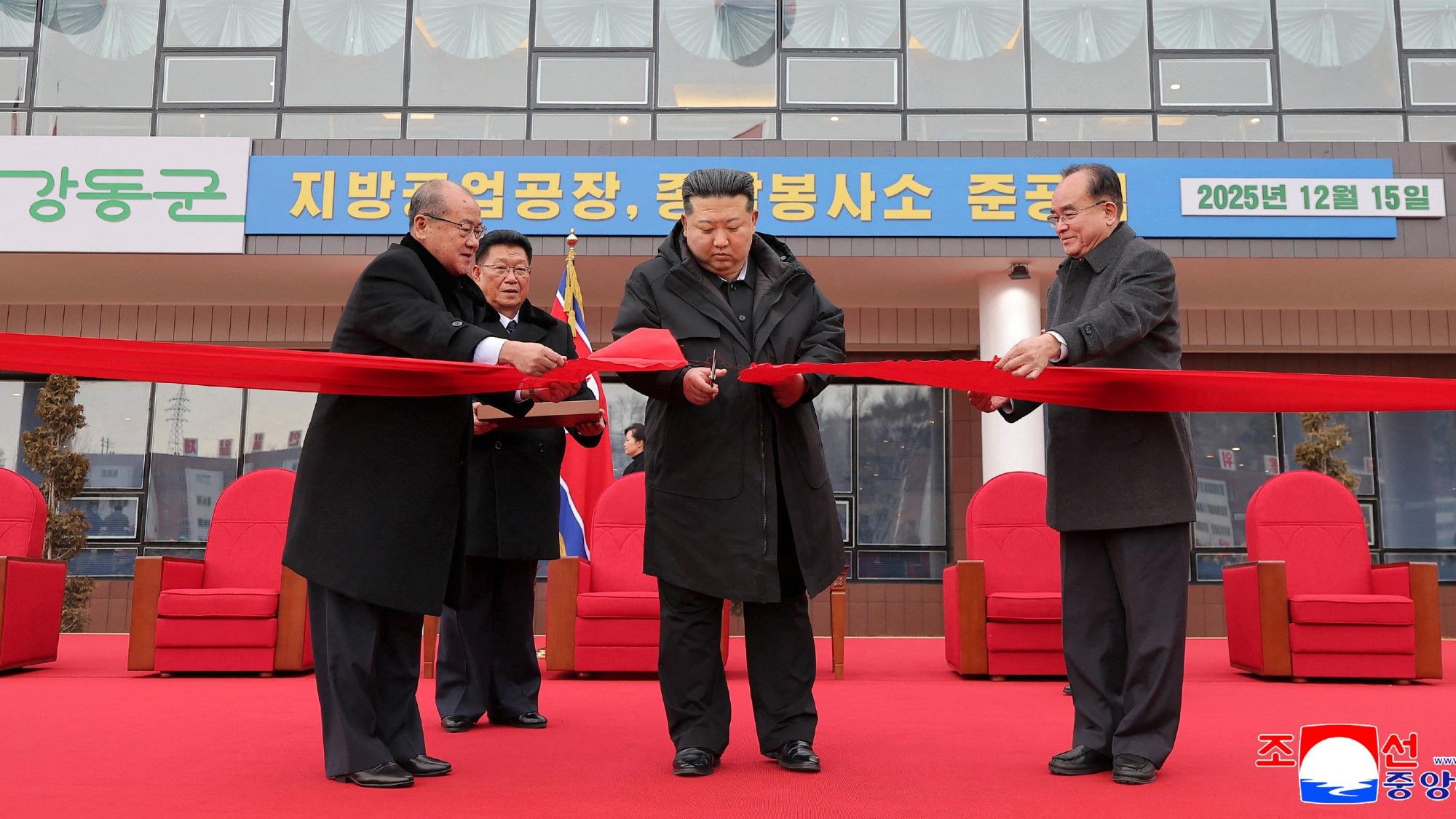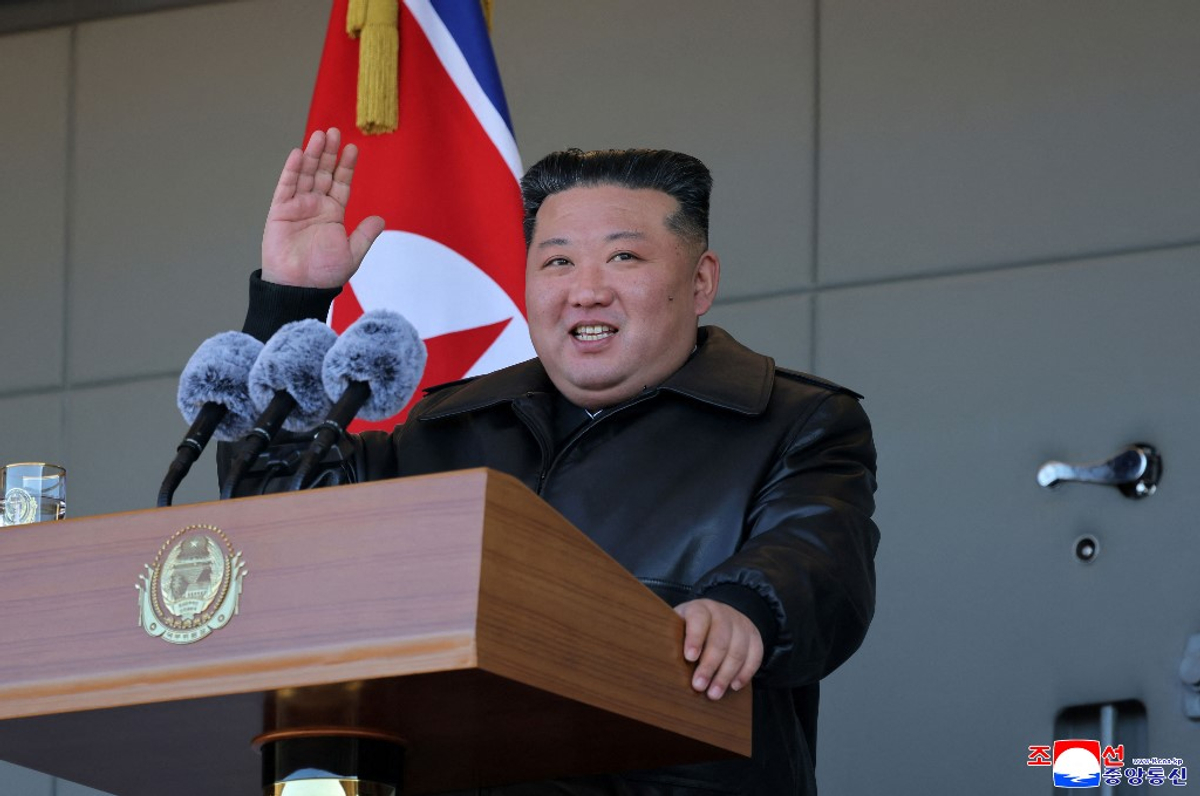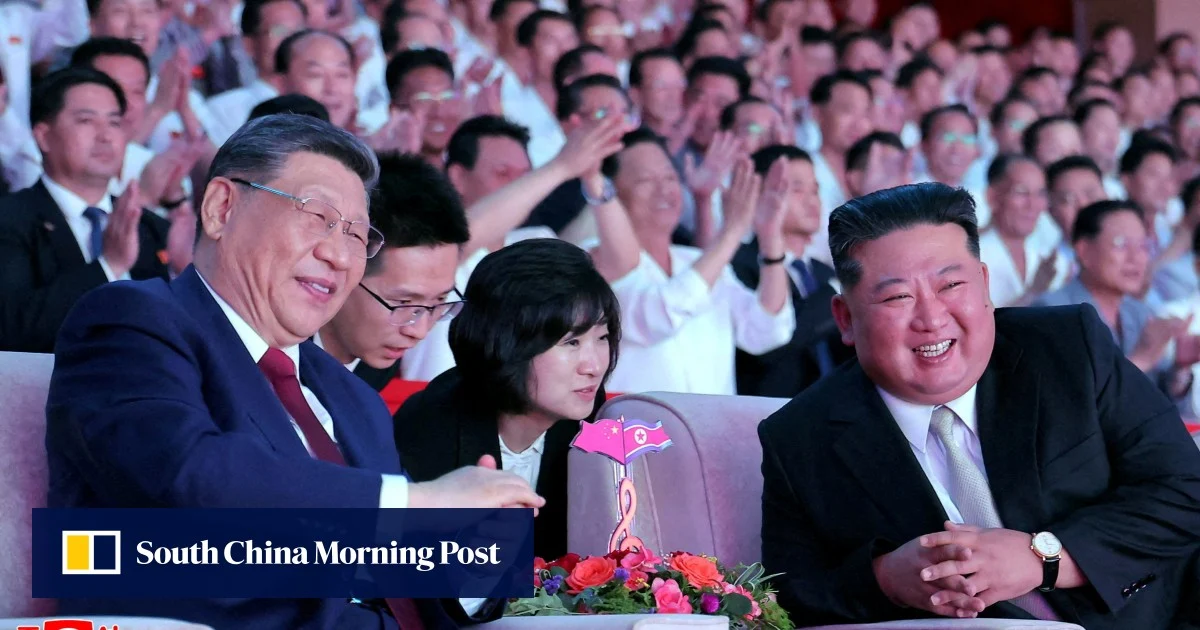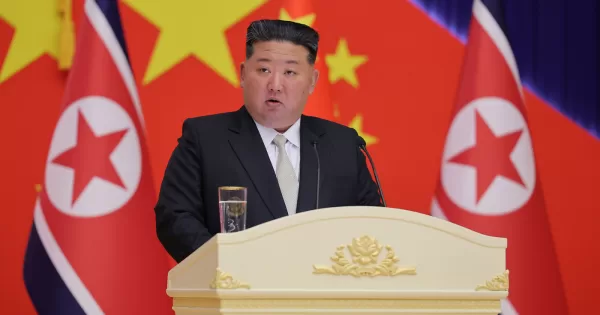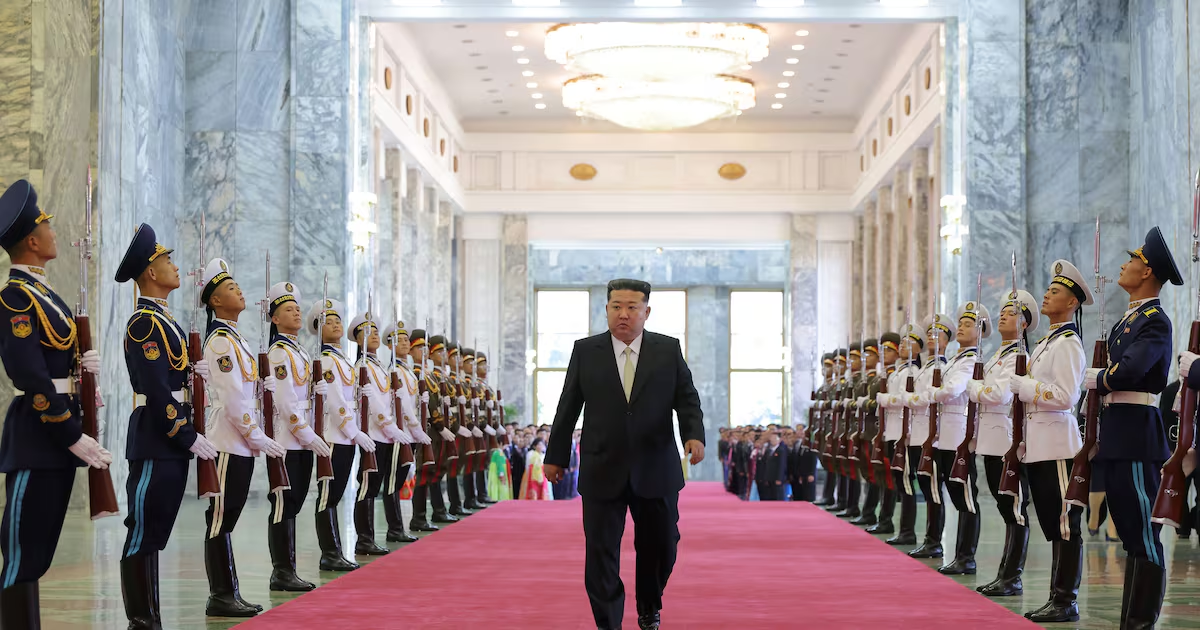
During the pandemic, North Korean leader Kim Jong-un, who had long billed himself as invincible, made a stunning, teary-eyed apology on national television.“I am really sorry,” he said, as the coronavirus, coupled with food shortages and international sanctions, was ravaging his country. “My efforts and sincerity have not been sufficient enough to rid our people of the difficulties in their life.”But while ordinary North Koreans were suffering, Kim (42) seized the crisis as a unique opportunity. Now, he is brimming with confidence. He is recognised at home and abroad as North Korea’s most powerful leader to date, surpassing even his grandfather, the country’s founder, because he has achieved the status of a de facto nuclear power.He started during the pandemic by shutting down the border with China, issuing shoot-to-kill orders to stop North Koreans fleeing across the boundary. He clamped down on trade and smuggling across the border, forcing his people to rely less on imports and produce more goods domestically. His campaign also targeted the informal markets where many had eked out a living – trading Chinese goods and foreign entertainment smuggled in on thumb drives – ever since the devastating famine of the 1990s.By dismantling these underground markets, Kim strengthened the regime’s monopoly over the economy and ideology. Enforcement was brutal. Those caught distributing K-pop or K-dramas were publicly executed.North Korean soldiers march during a mass military parade in Pyongyang. Photograph: Ng Han Guan/AP At the same time, he flouted international sanctions to steadily expand his nuclear arsenal. North Korea built a new generation of missiles capable of striking its nearest adversaries, South Korea and Japan, with nuclear warheads. It is also developing the means to target the US mainland, through nuclear-powered submarines and intercontinental ballistic missile technology.Kim also seized an unexpected opening abroad. As Russia struggled in its war against Ukraine, he gave it weapons and troops. Moscow reciprocated with weapons technology to help modernise North Korea’s air defences and other vulnerable parts of its military, along with badly needed food, oil and even tourists. The two nations signed a mutual defence and co-operation treaty, easing Pyongyang’s economic isolation and lifting its international status.Since then, he has rebuffed any idea of renewing talks with US president Donald Trump or reconciling with South Korea. And his tilt toward Russia has prodded China to warm up to North Korea, a neighbour that Beijing views as hard to manage but whose hostility toward Washington gives it diplomatic leverage.A broadcast of Chinese president Xi Jinping's meeting with North Korean Leader Kim Jong-un in North Korea on a giant screen in Beijing, China. Photograph: EPA China’s top leader, Xi Jinping, arrived in North Korea on Monday for a two-day state visit, his first in seven years. He is expected to underscore China’s indispensable position as North Korea’s dominant trading partner. The countries are already expanding trade again, resuming train service and adding more flights between Beijing and Pyongyang. They are close to completing a modern road bridge across the Yalu river border, which is expected to facilitate bilateral exchanges, including an influx of Chinese tourists and aid.[ Why Xi Jinping is meeting Kim Jong-un in PyongyangOpens in new window ]Poverty endures outside Pyongyang, yet analysts say the recent developments have given the government confidence and the public some hope. At his Workers’ Party congress earlier this year, Kim triumphantly declared that North Korea was in a glorious and more prosperous new era, a far cry from his weeping apology in 2020. People can now hope to have “both sweets and bullets”, the party said, referring to its policy of seeking both economic recovery and military prowess.To uncover how Kim pulled off this transformation, The New York Times spoke with more than a dozen post-pandemic defectors, interviewed experts with inside connections, and scrutinised state media and leaked regime documents.Jiro Ishimaru, the chief editor of the Japan-based Asia Press International, which has clandestine correspondents inside North Korea, said, “In the past few years, Kim Jong-un has travelled from hell to heaven.”The threat North Korea claims it defeated Covid without vaccines, losing only a few dozen people.But as the virus spread, Kim Il Hyeok saw people die in unusual numbers in his neighbourhood in Hwanghae province, a breadbasket region. Authorities were siphoning rice from the region to feed the elites in Pyongyang and the military, he said. There were no Covid tests available so it was hard to tell whether they died of hunger or the virus. Those who fell sick did not report it to authorities for fear of being quarantined without food. Lacking medication, they resorted to folk remedies, such as drinking tree-bark juice, that often worsened their condition.“Families didn’t have money for coffins,” said Kim (36), who fled to South Korea by boat with eight relatives in 2023. “Some were not even strong enough to dig a hole.”Kim Yu Mi, his sister-in-law, made the two-hour escape with him. She said her hometown on the southwestern coast of North Korea was so close to South Korea that in clear weather she could see shiny passenger jets flying in and out of the South’s Incheon International Airport.“Those planes symbolised freedom for our children,” she said. “When a North Korean patrol ship detected our boat fleeing to the South and chased, we threw everything we had overboard to help it gain speed.”The family’s escape represented the threat the outside world, especially South Korea, posed to the regime.North Koreans’ trust in the government has been waning since the 1990s famine, according to defectors. As the government’s ration system collapsed, North Koreans learned to fend for themselves through informal markets where they traded goods, including those smuggled from China. The markets also became a breeding ground for corruption as officials collected kickbacks from tradespeople.With those goods came memory sticks containing South Korean shows, including Crash Landing on You, in which a paragliding mishap takes a South Korean heiress into North Korea and into the arms of a People’s Army officer. North Koreans consumed them with a vengeance – behind closed doors and under blankets for fear of the secret police, who routinely monitored neighbourhoods, Kim Yu Mi said.In 2010, Kim’s coastal town was caught in an artillery duel between the two Koreas. Residents rushed to take down portraits of state leaders to protect the images, a sign of their devotion and loyalty. By 2023, Kim said, about eight out of 10 people in her neighbourhood were watching South Korean shows – a sign of how much had changed.Plumes of smoke rise from Yeonpyeong Island in the disputed waters of the Yellow Sea in 2010. Photograph: STR/AFP/Getty Images “Loyalty to the party was no longer as important as making money,” she said.This shift alarmed Pyongyang. Kim Jong-un was increasingly worried about “nonsocialist” content corrupting young North Koreans, likening it to a “vicious cancer”. His regime called those who exposed themselves to outside influence “treasonous” and called for “striking them mercilessly”, according to a classified document dated June 2024 that was obtained by the Human Rights Foundation, a New York-based non-profit. The Times has also viewed similar internal documents smuggled out of North Korea.The crackdown When he succeeded his father in 2011, Kim promised North Koreans they would no longer have to “tighten their belt”. He cast himself as a “people-first” leader, surveying floodwaters by speedboat, visiting victims in temporary shelters and cradling babies on his lap.But his expensive pursuit of nuclear weapons and his own extravagant lifestyle jarred with the reality of regular citizens.While humanitarian agencies reported widespread malnourishment in the country, Kim’s waistline ballooned, his weight raising questions about his health. Inheriting his father’s love for wining and dining, he gorged on Wagyu steak, toro tuna, shark-fin soup, Swiss cheese, lobster, caviar and foie gras, according to chefs familiar with his dining habits. He guzzled Bordeaux wine and Cristal champagne.Defectors said the capital, Pyongyang, often didn’t have enough electricity to run elevators. But Kim spent millions of dollars to smuggle a fleet of Mercedes and other luxury cars for personal use, Orlov Trotters from Russia for his private horse-riding tracks and dolphins for a new dolphinarium.He exerted power by unleashing what South Korean officials called a reign of terror. He executed those who rubbed him the wrong way, including his own uncle, Jang Song Thaek. He sent agents to assassinate Kim Jong Nam, his half brother who, as his father’s first son, posed a threat to Kim’s dynastic throne.Lee Ilkyu, a former North Korean diplomat in Cuba who fled to Seoul in 2023, recalled how Han Song Ryol, another North Korean diplomat, was executed on spying charges in 2019. Lee said witnesses told him that hundreds of bullets tore Han to smithereens.“They lost their appetite for days,” he said.Still, the state’s control had loosened in the decades following the famine. Then the pandemic helped Kim reassert his grip.He enacted laws with draconian penalties, including executions by firing squad, for those consuming and distributing anti-socialist content, or even mimicking South Korean speech and fashion styles. Officials raided homes, pulling out drawers and turning over blankets to find memory sticks with foreign entertainment, according to defectors.Kim Il Hyeok, the defector who fled by boat, said he saw a score of killings in his town in the three years before his escape, compared with half a dozen in the previous two decades. Executions took place in schoolyards and other open spaces where the condemned were denounced before thousands of people. Kim recounted how a 22-year-old man he knew was executed in 2022 for distributing three South Korean dramas and 70 K-pop songs. He was clad in a long white sack-like robe and had a hood over his head. Three gunmen each fired five shots.“When you watch enough of them, you grow numb, unable to tell a human from an animal,” he said.By the time they fled North Korea, authorities had all but stamped out unofficial markets, his sister-in-law, Kim, said. They reinstalled socialist control on the production and distribution of goods. Rice and other grains were available only through government stores.“The most difficult part of Kim Jong-un’s rule was that we were not allowed to make money,” Kim said. “He tightened the noose on his people, as if he didn’t want them to have a better life.”The war bonanza Around this time, Ishimaru of Asia Press received covert reports from North Korea of a nation sinking into despair.Citizens, he said, “saw no way forward, didn’t know how they were supposed to live on” – paralysed by Kim’s relentless push for a “self‑reliant” economy, a tired slogan that took on a devastating new meaning during pandemic-driven shortages.Kim saw an opportunity after Russia’s full-scale invasion of Ukraine in 2022, offering North Korean troops and munitions.Munitions factories roared to meet demand for Russia’s war effort. About 16,000 North Korean troops have fought in the war, testing their weapons in combat and gaining valuable insights into modern warfare, including the use of drones, according to South Korean intelligence officials. North Korea also sent workers to Russia to earn cash for its regime, they said. Military experts fear that with Russian help, North Korea is building its first nuclear-powered submarine and other modern warships, as well as a fleet of military drones.Russian president Vladimir Putin shakes hands with Kim Jong-un in Pyongyang during a visit in 2024. Photograph: Gavriil Grigorov/AFP/Getty Images In 2024, North Korea’s economy expanded 3.7 per cent, the highest growth rate in eight years, according to most recent estimates by South Korea’s central bank. Outside threats The Russia-North Korea military partnership has openly undermined United Nations (UN) sanctions – one of Washington’s most relied-upon diplomatic levers. The deepening relationship also serves Kim’s broader strategic aim: balancing ties between China and Russia.“North Korea has the most leverage today that it has had in the last 30 years,” said Frank Aum, a former Korea expert at the Pentagon.But North Korea is not out of the woods yet.Its official exports to China have been dominated by items it could export without violating UN sanctions – wigs and false eyelashes and moustaches and tungsten ores. Kim’s crackdown on informal markets impeded the flow of cash. As trade with China rebounded, North Korea imported far more than it exported, eroding its foreign currency reserves. In the past year, the North Korean won has depreciated more than two-thirds against the dollar while rice prices there have more than tripled.Transactions with Russia have not significantly helped ease North Korea’s shortage of foreign currency. Neither side can convert their cash piles into usable currencies without attracting regulatory scrutiny, said Olena Guseinova, a lecturer at the Hankuk University of Foreign Studies in Seoul.The Yalu River Broken Bridge and the Sino-Korean Friendship Bridge span the Yalu River, which marks the border between North Korea and China. Photograph: Greg Baker/AFP/Getty Images But in the past couple of years, there have been clear signs of economic improvement in North Korea. Kim finished some of his long-delayed pet projects, like large seaside and ski and spa resort towns and greenhouse complexes built on airfields, including one the size of 400 soccer fields. New apartment towers rose not only in Pyongyang but also in provincial cities. Kim mobilised soldiers for these construction projects, funding them with remittances from North Koreans working abroad and forced donations from individuals who grew wealthy through smuggling and market activities, according to defectors and analysts.Addressing North Korea’s rubber-stamp parliament in March, Kim spoke in triumphant terms of a “miraculous transformation”. He pointed to manifold increases in investment and sweeping large-scale residential construction.“Ours is no longer a country that is susceptible to threats from others,” he said.This article originally appeared in The New York Times.
A ‘miraculous transformation’: how Kim Jong-un fortified North Korea
He used the pandemic to ruthlessly tighten his grip on the country. Then he energised its economy by leveraging Russia’s war in Ukraine
2,274 words~10 min read