For years, Vladimir Putin has had a convincing rebuttal to anyone who thought Western sanctions would bring his country to its knees. In the four years since Russia invaded Ukraine, GDP has stayed mostly in the green, its unemployment rate has declined, and average wages have skyrocketed. Even inflation has moderated sharply, after soaring to double digits in 2023.
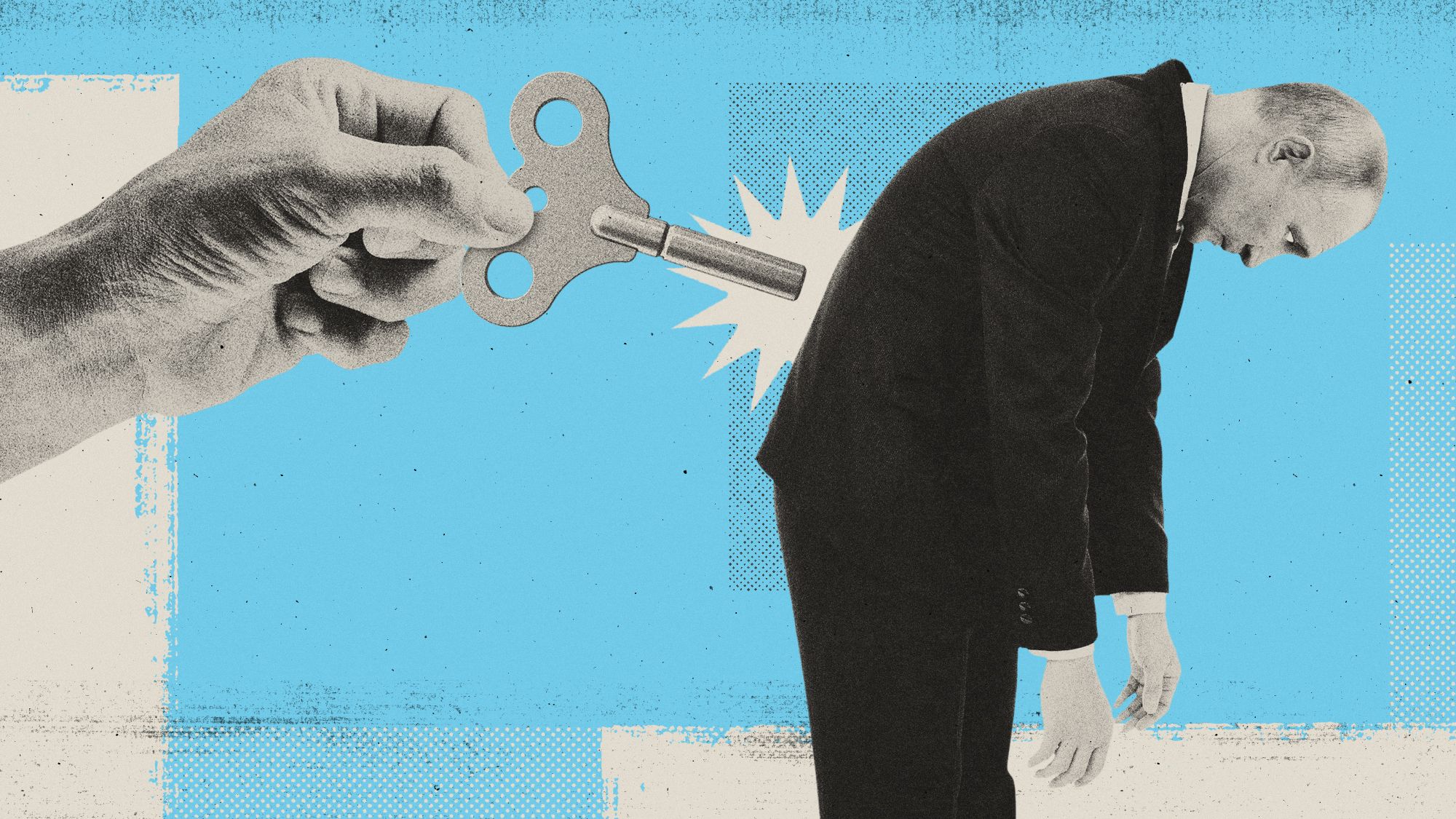
Putin has waved those figures at Western critics as proof that sanctions have failed to cripple Russia’s booming wartime economy. China, one of Russia’s few remaining major trading partners, has even studied Putin’s model as a blueprint for sanctions-proofing its own economy, in the event Beijing’s stance towards Taiwan turns aggressive enough to trigger Western penalties of its own. But Putin’s success story is starting to show cracks.
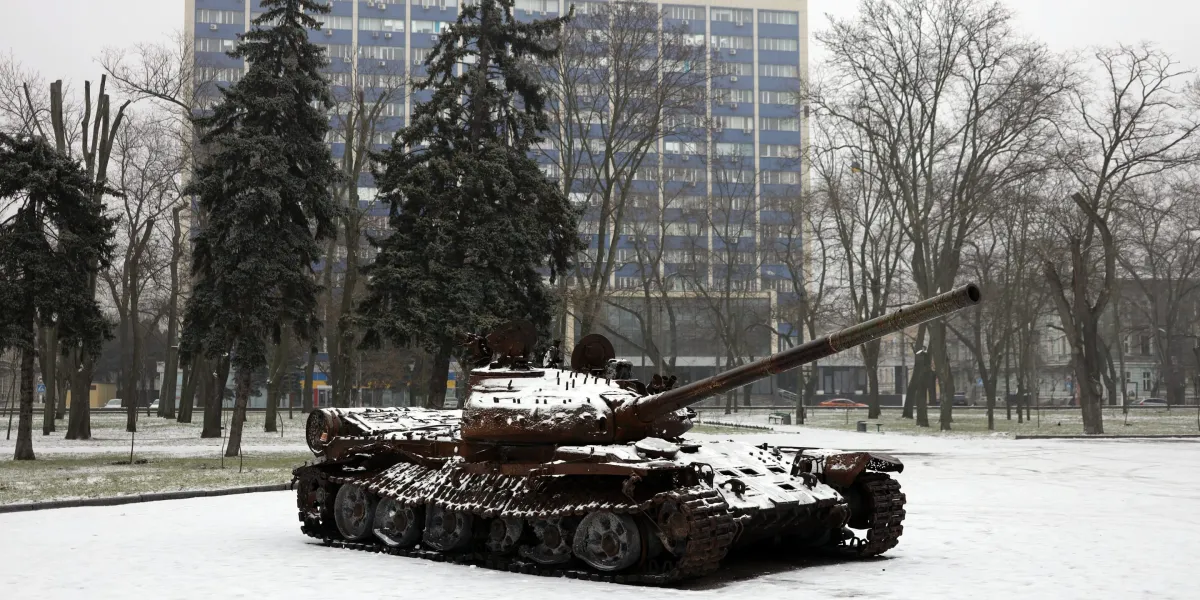
Russia’s economy has become dominated by the war effort, with the country’s industrial and technological base increasingly dedicated to serving needs on the front lines. But now, with the Russian army running into a standstill in Ukraine and military costs mounting, Putin’s economy stands at a crossroads, according to a research brief published Wednesday by the Center for Strategic and International Studies, a think tank in Washington D.C.