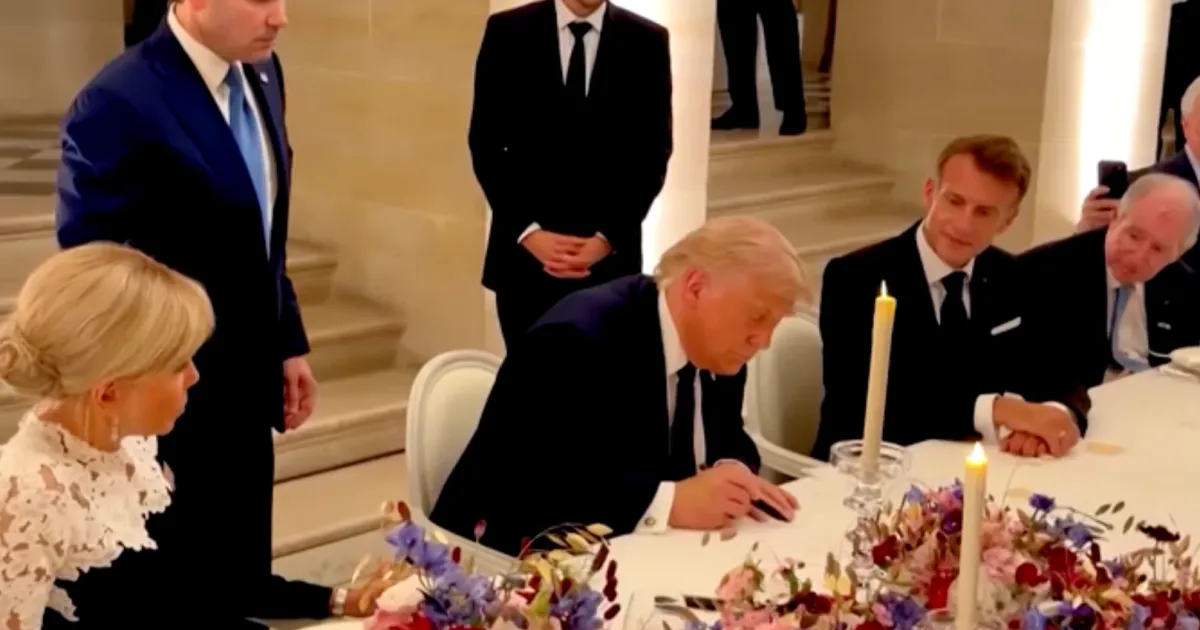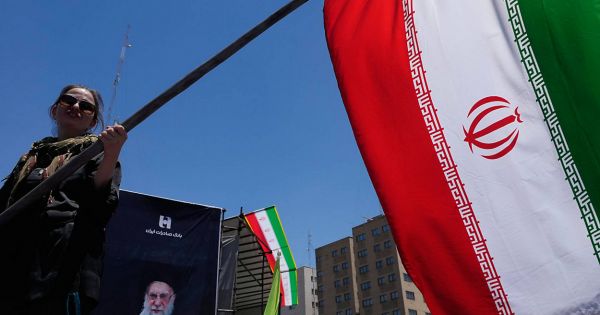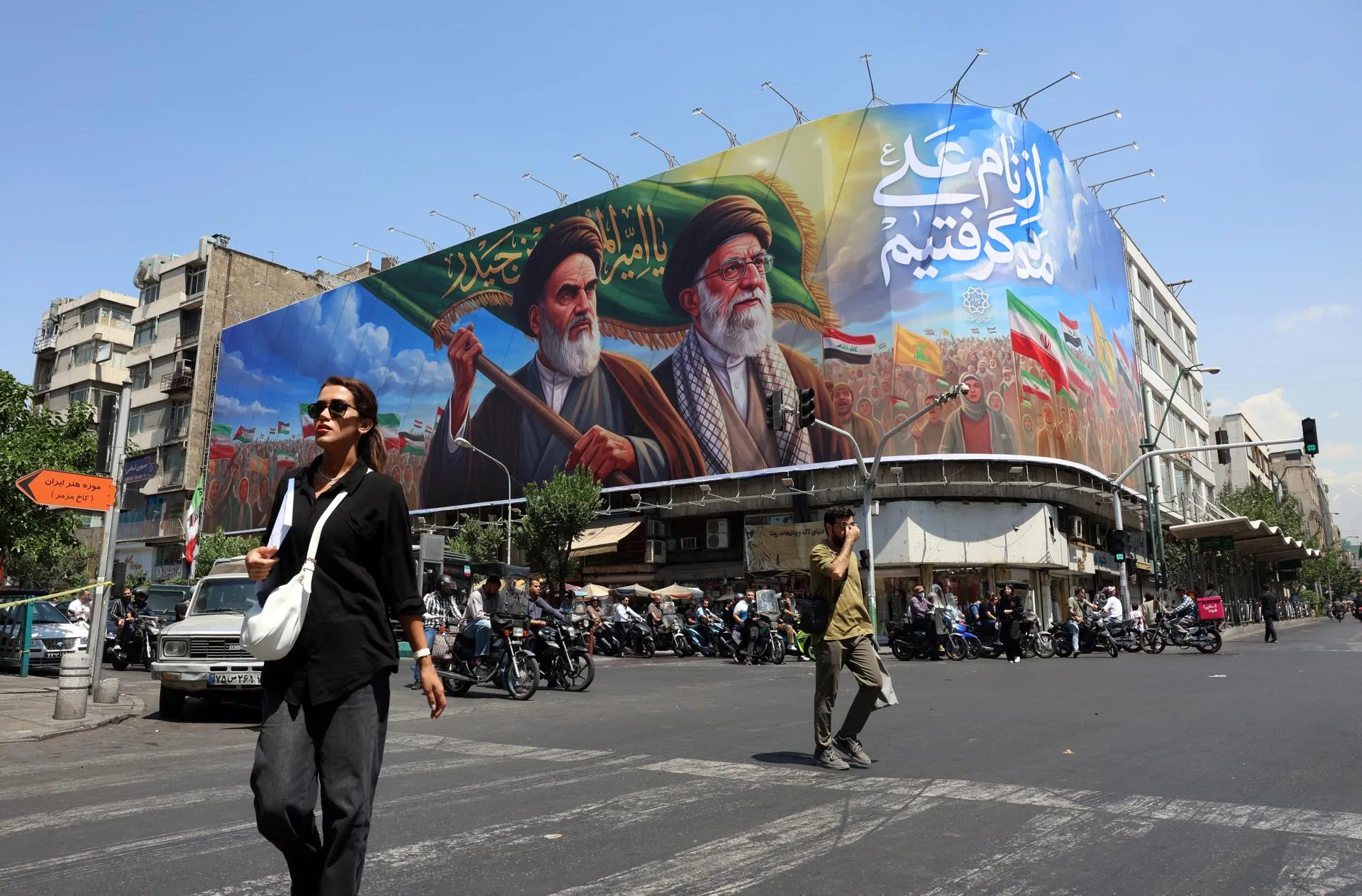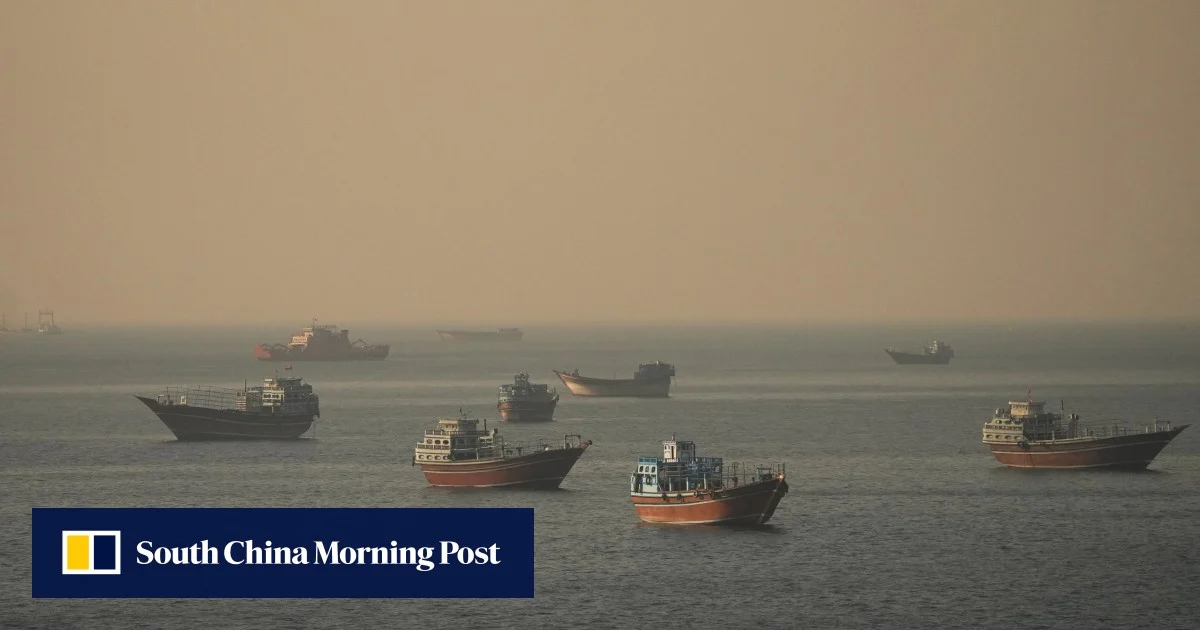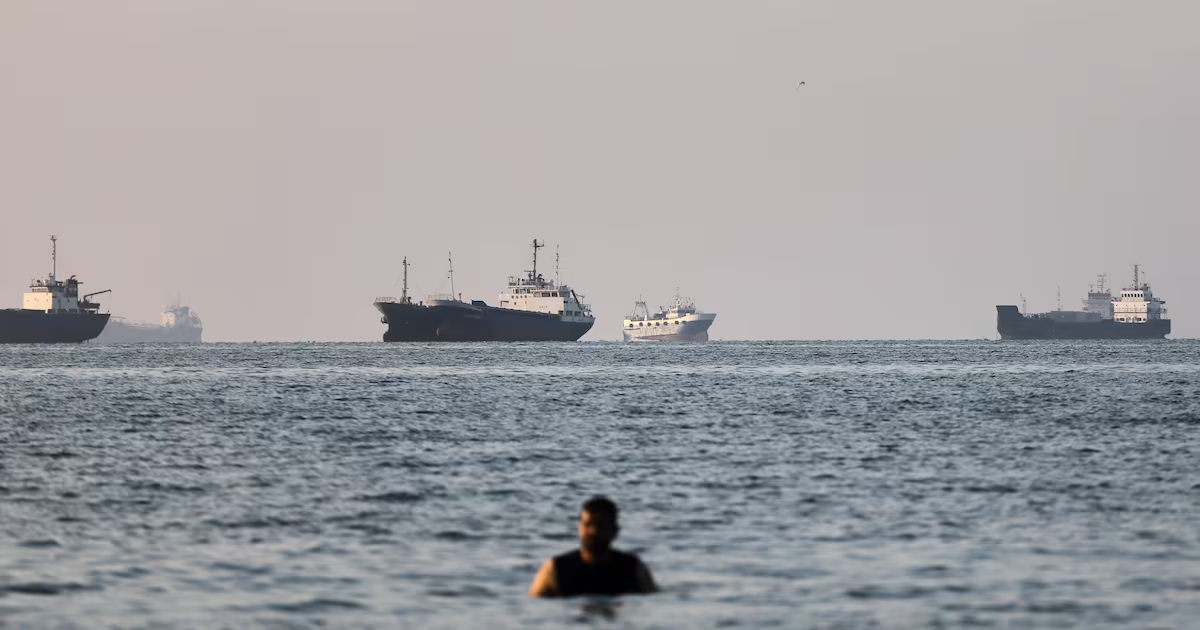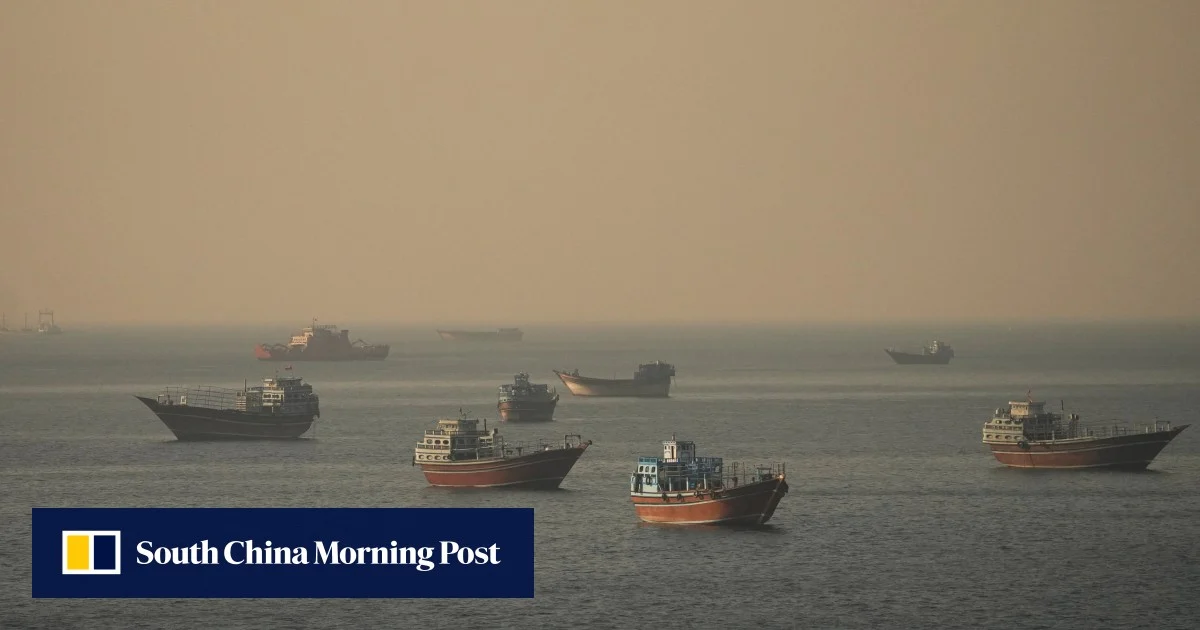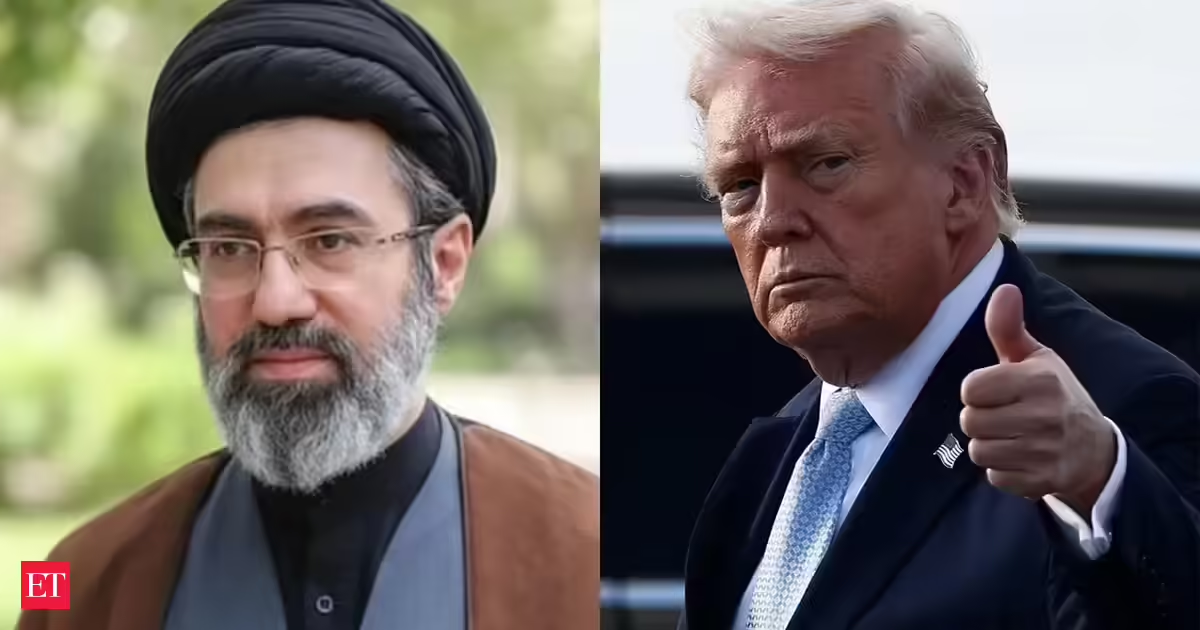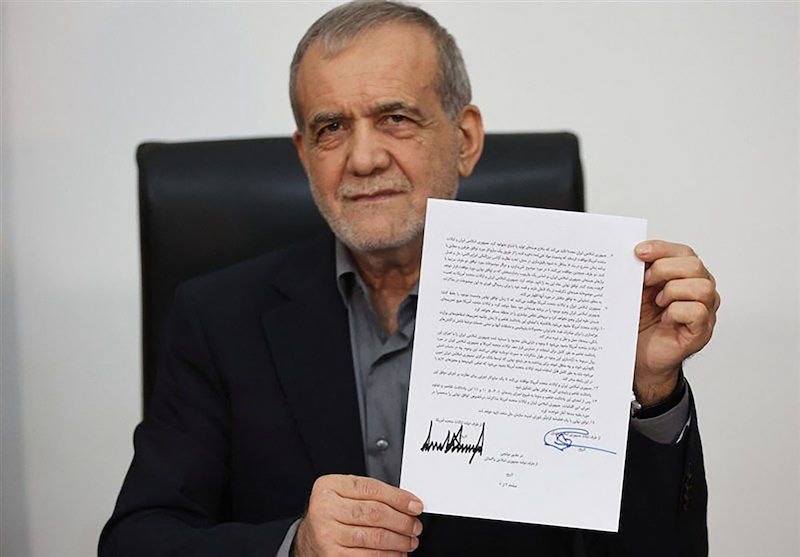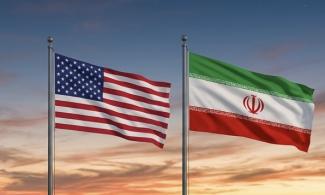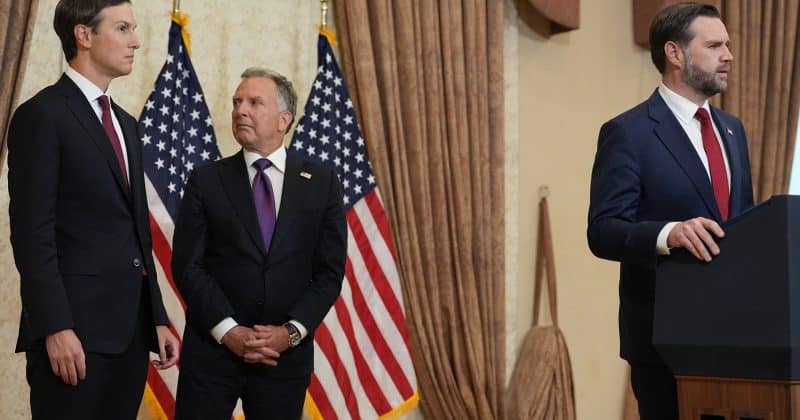
The US and Iran have digitally signed a memorandum of understanding that extends their ceasefire by 60 days, reopens the Strait of Hormuz to commercial shipping, and lays out a performance-based framework for sanctions relief. Vice President JD Vance confirmed the deal was signed on June 15, with the full text expected to be publicly released ahead of a formal signing ceremony scheduled for June 19 in Switzerland.
What the deal actually says
The MOU covers three major areas. First, the ceasefire extension gets another 60 days, buying time for technical discussions on enrichment caps, uranium disposal protocols, and verification mechanisms. Second, the agreement calls for reopening the Strait of Hormuz to commercial shipping. Third, sanctions relief is entirely conditional: Vance emphasized the framework is “performance-based,” meaning Iran must demonstrate verifiable changes in nuclear compliance and a reduction in support for terrorism. The administration was also explicit that no direct US taxpayer funds are part of the arrangement.
The $300 billion question
The deal creates potential for up to $300 billion in investment flowing into Iran from Gulf sources, contingent on Iran holding up its end of the bargain. Pakistan, Qatar, and Oman all played roles in facilitating the negotiations. Qatar has positioned itself as a go-between in US-Middle East diplomacy, Oman has historically served as a back-channel between Washington and Tehran, and Pakistan’s involvement adds a nuclear-state dimension to the mediation.