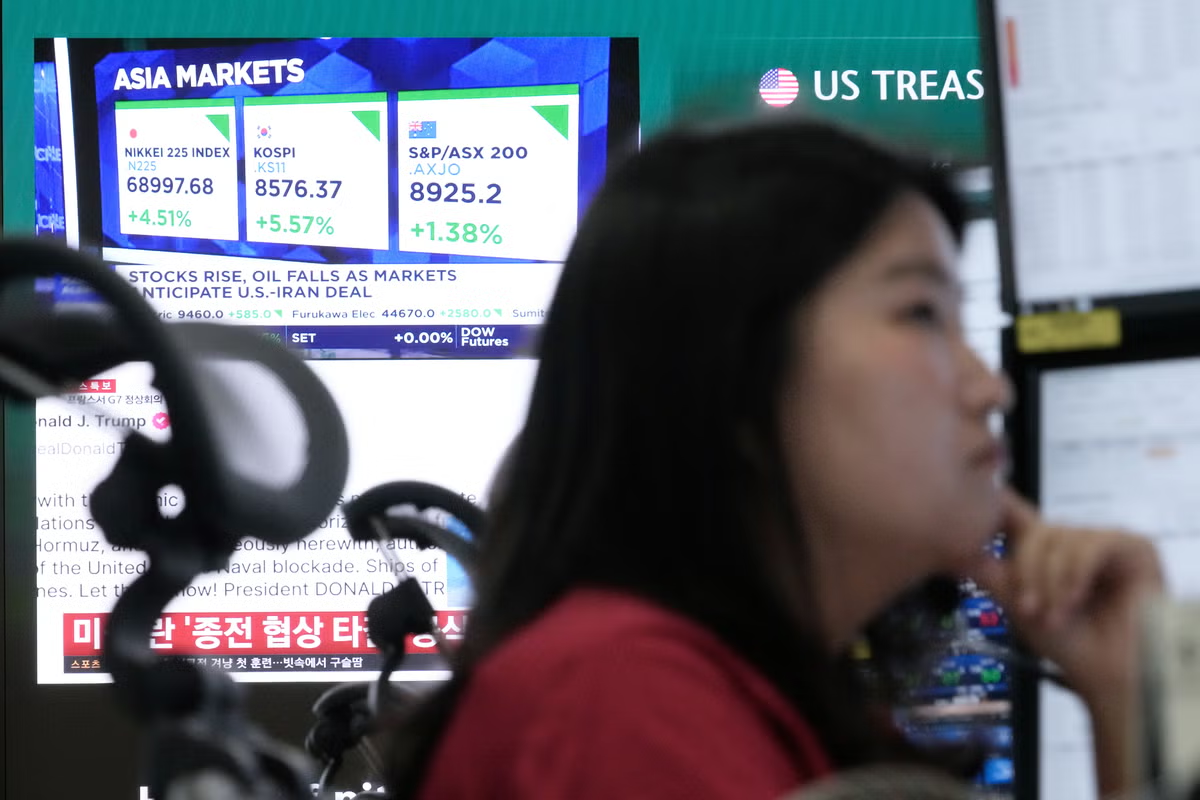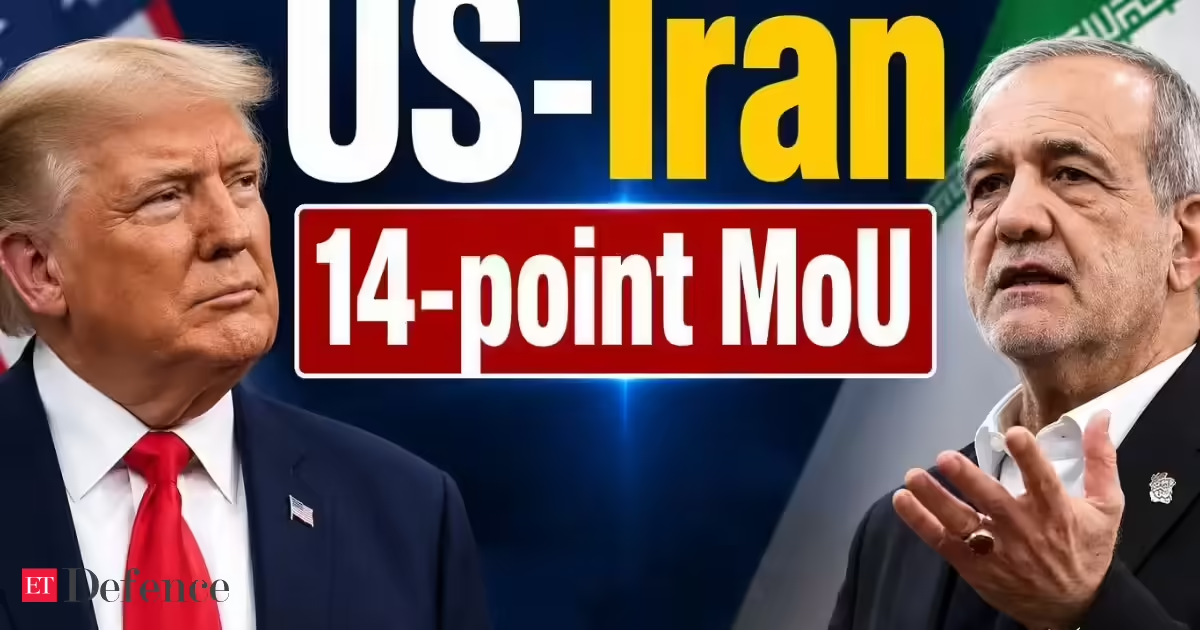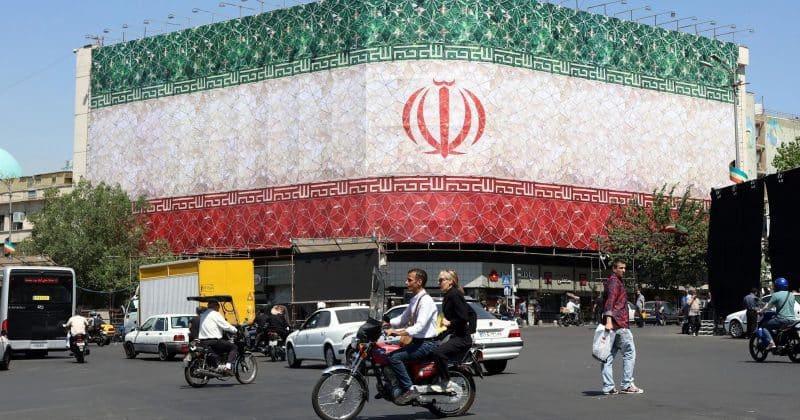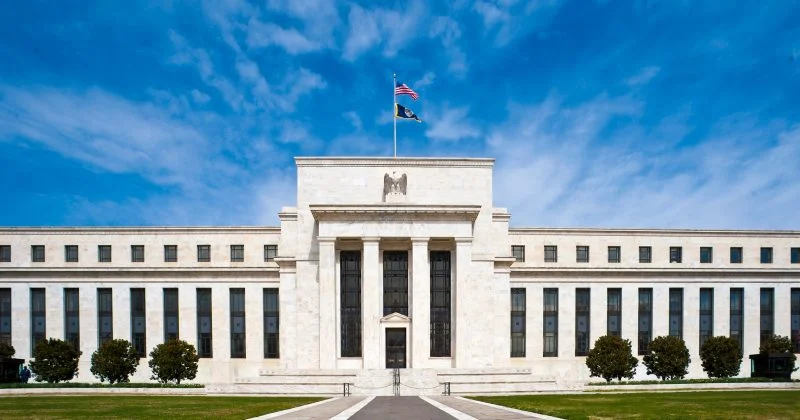
A virtual memorandum of understanding between the US and Iran, signed on June 15, has done something that months of economic data couldn’t: it gave central banks room to breathe.
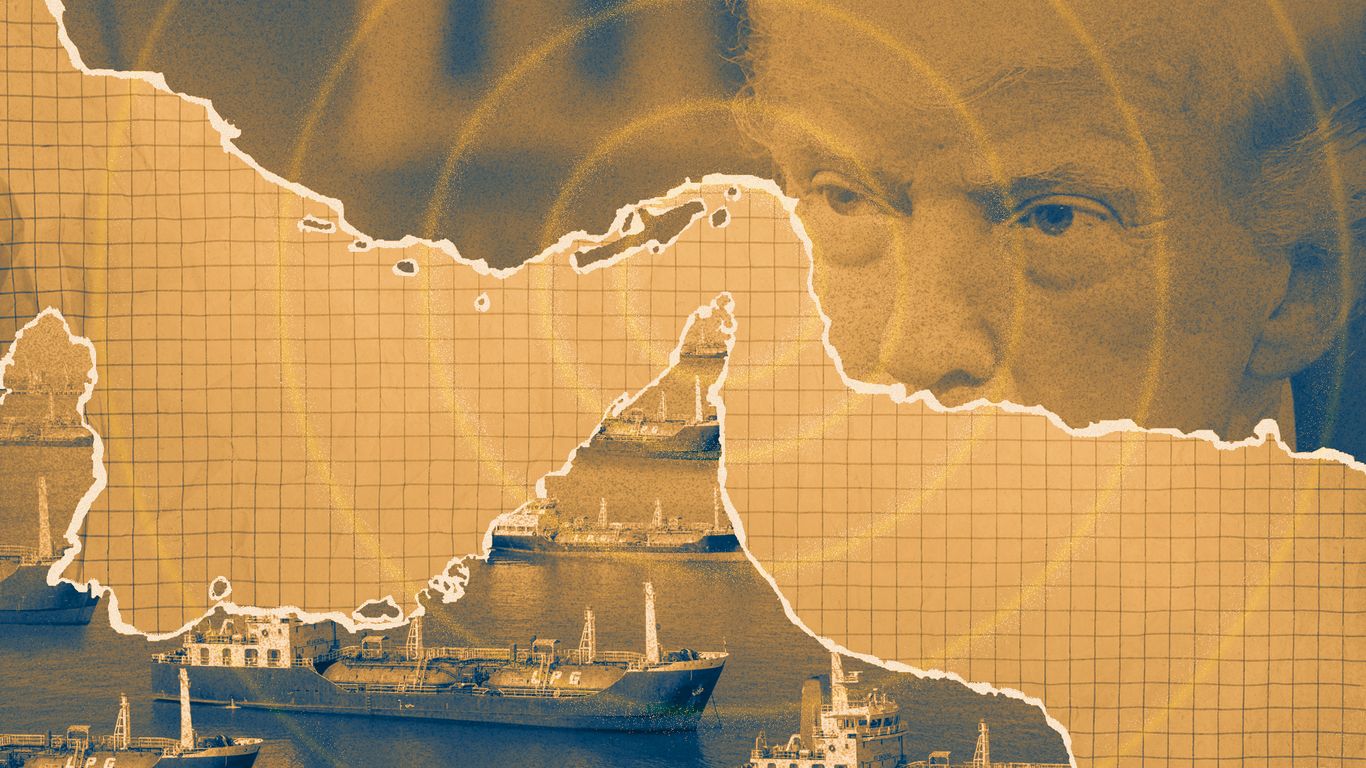
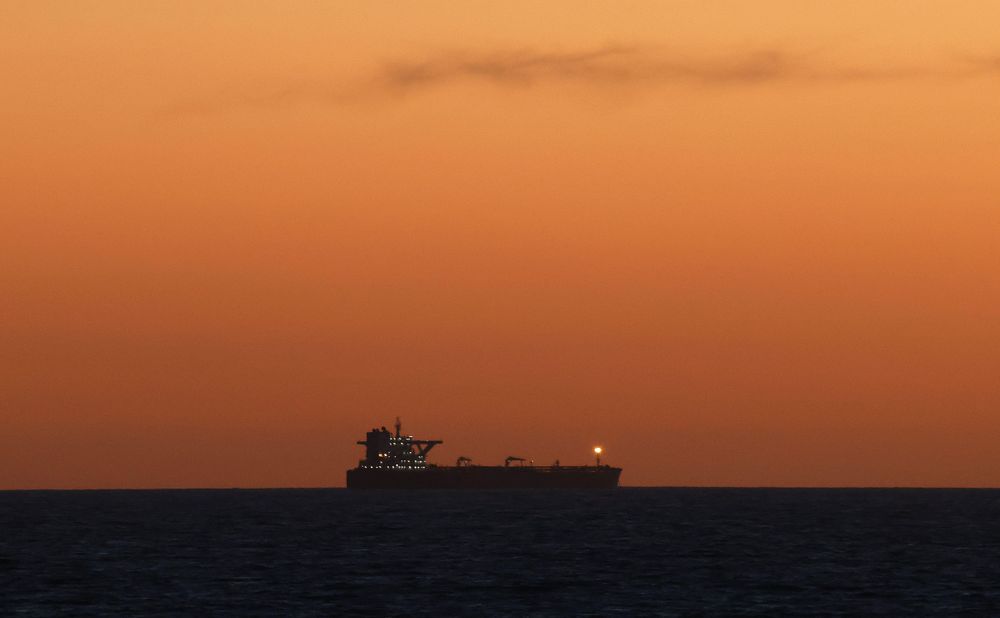
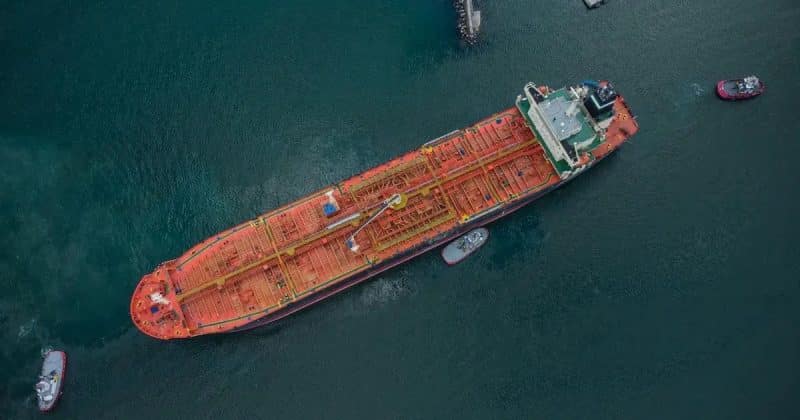
The agreement establishes a 60-day ceasefire while setting the stage for deeper negotiations around Iran’s nuclear program. More immediately relevant to markets, it includes provisions to lift the US naval blockade on Iranian ports and reopen the Strait of Hormuz for commercial shipping. Oil prices promptly fell to three-month lows.
The oil-inflation pipeline
The Strait of Hormuz handles roughly a fifth of the world’s oil supply on any given day. When it gets disrupted, energy prices spike. When energy prices spike, everything from groceries to shipping costs follows.
The disruption earlier this year did exactly that, compounding inflationary pressures that central banks were already struggling to contain. With the strait now reopening and the naval blockade set to be lifted, one of the biggest supply-side inflation drivers of 2026 is unwinding in real time.