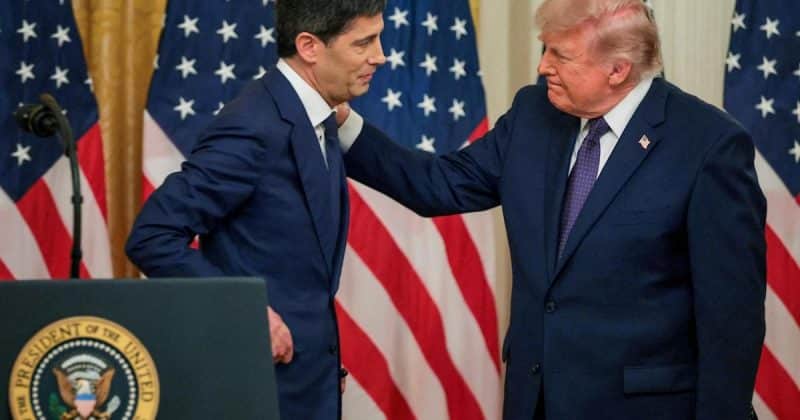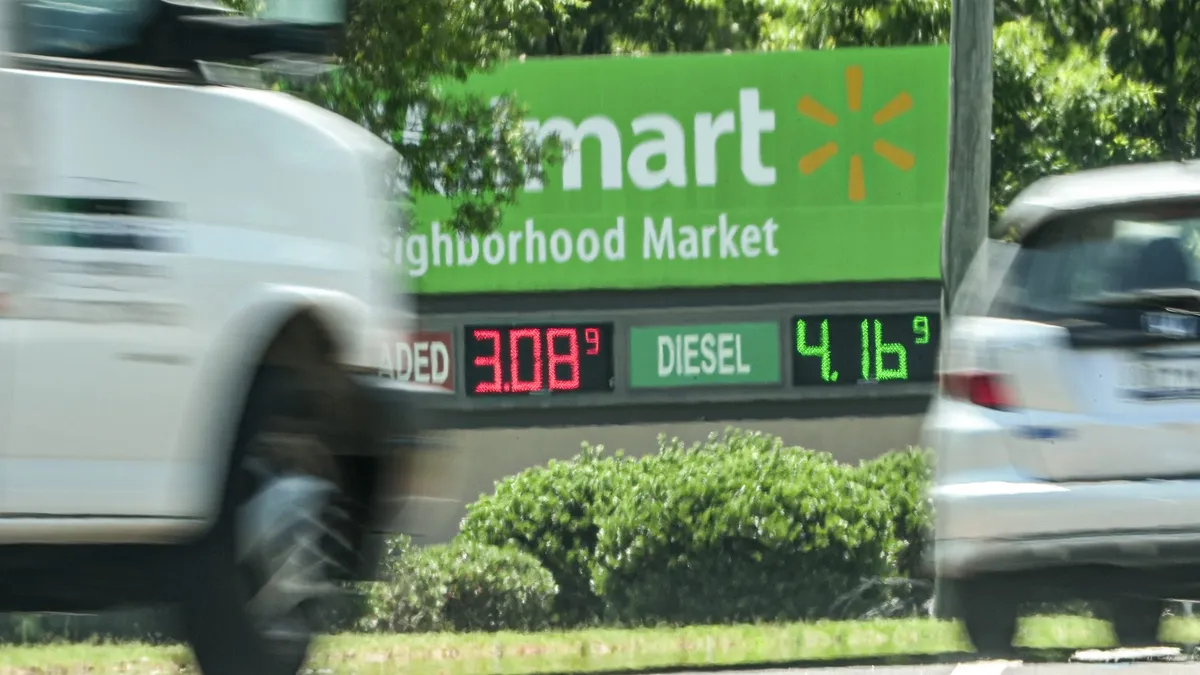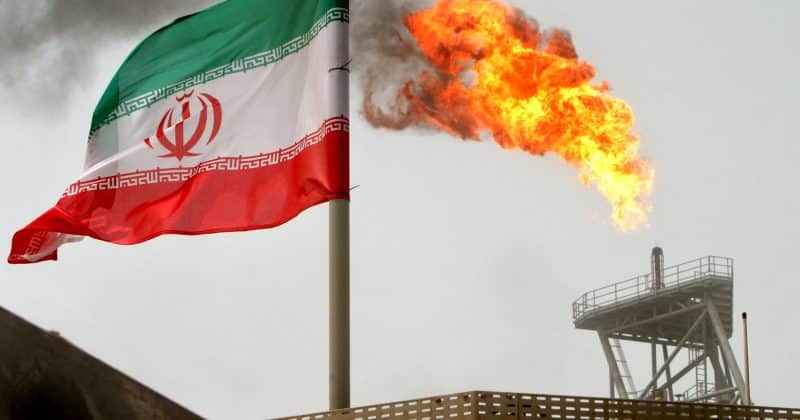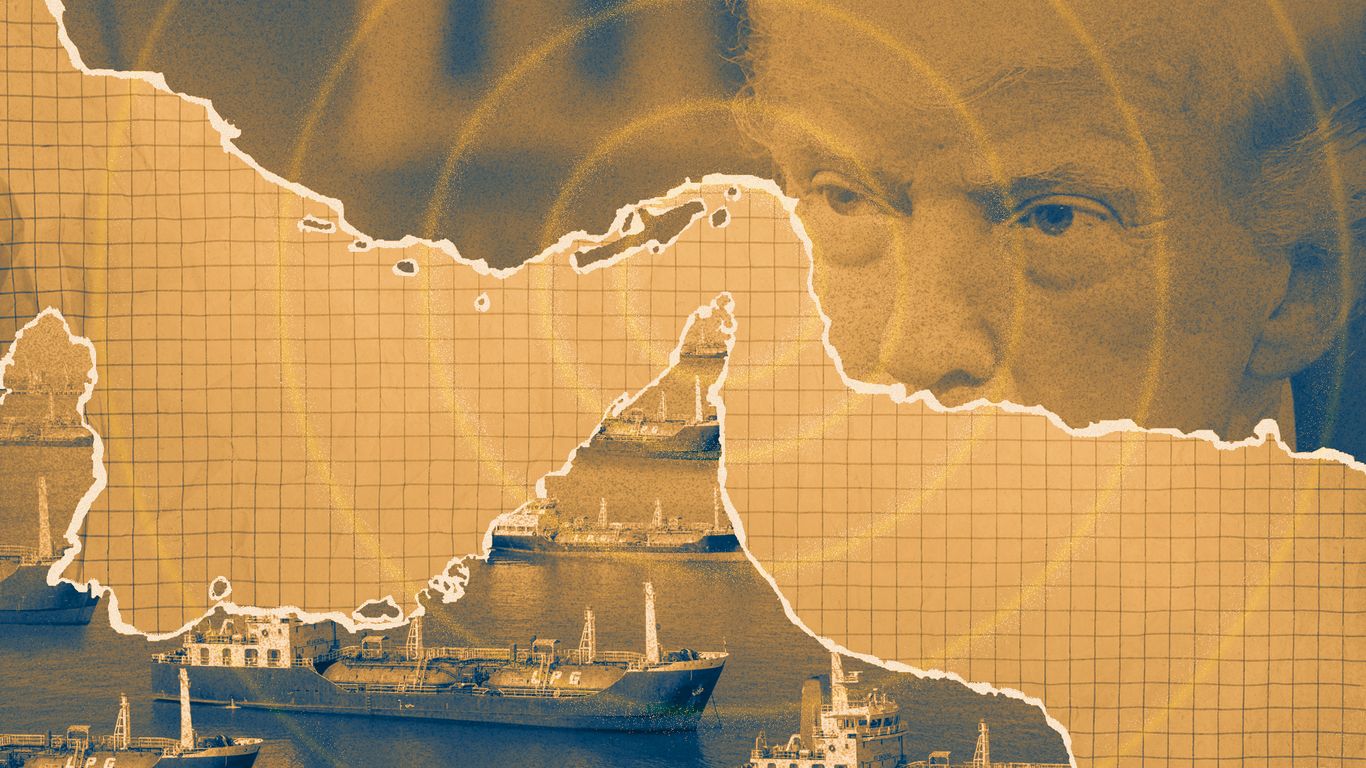
Courtenay BrownAdd Axios as your preferred source tosee more of our stories on Google.Photo illustration: Sarah Grillo/Axios. Photo: Tom Williams/CQ-Roll Call, Inc via Getty ImagesThe prospect of a reopened Strait of Hormuz and a pending U.S.-Iran peace deal could help ease the big inflation risk hanging over Kevin Warsh's first Federal Reserve meeting as chairman."Ships are starting to move, many loaded up with Oil, out of the Strait of Hormuz," President Trump said Monday morning in a post on Truth Social.Friction point: Lingering disruptions to shipments of oil, fertilizer and other industrial inputs could keep inflation concerns alive at the Fed.What they're saying: "Sailing through the strait will remain riskier and more costly than before the war," Oxford Economics' Ben May wrote in a note Monday morning. May noted that damage from underwater mines or a sudden re-escalation of the conflict will keep insurance coverage for the strait higher than pre-war levels. Reuters reported Monday morning that ensuring the strait is safe from mines could take weeks. "Physical flows are still likely to recover gradually rather than immediately, even if prices respond more quickly to signs that a credible reopening deal is in place," May wrote.The bottom line: The peace deal might reduce geopolitical risk, though the effects on global supply chains might come more slowly.
What a U.S.-Iran peace deal could mean for energy, inflation
Lingering disruptions to shipments of oil, fertilizer and other industrial inputs could keep inflation concerns alive at the Fed.
216 words~1 min read