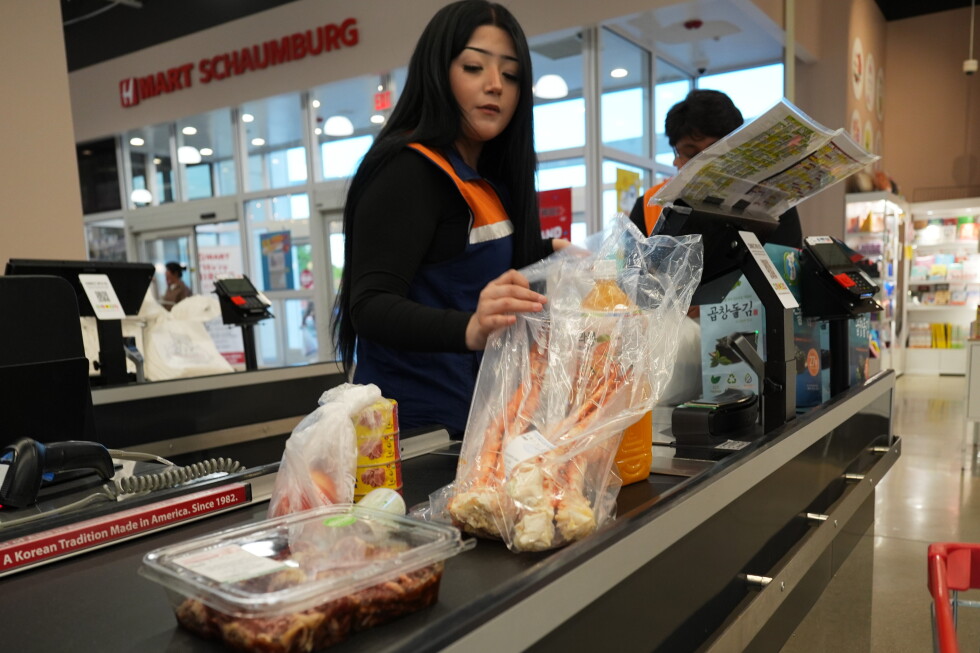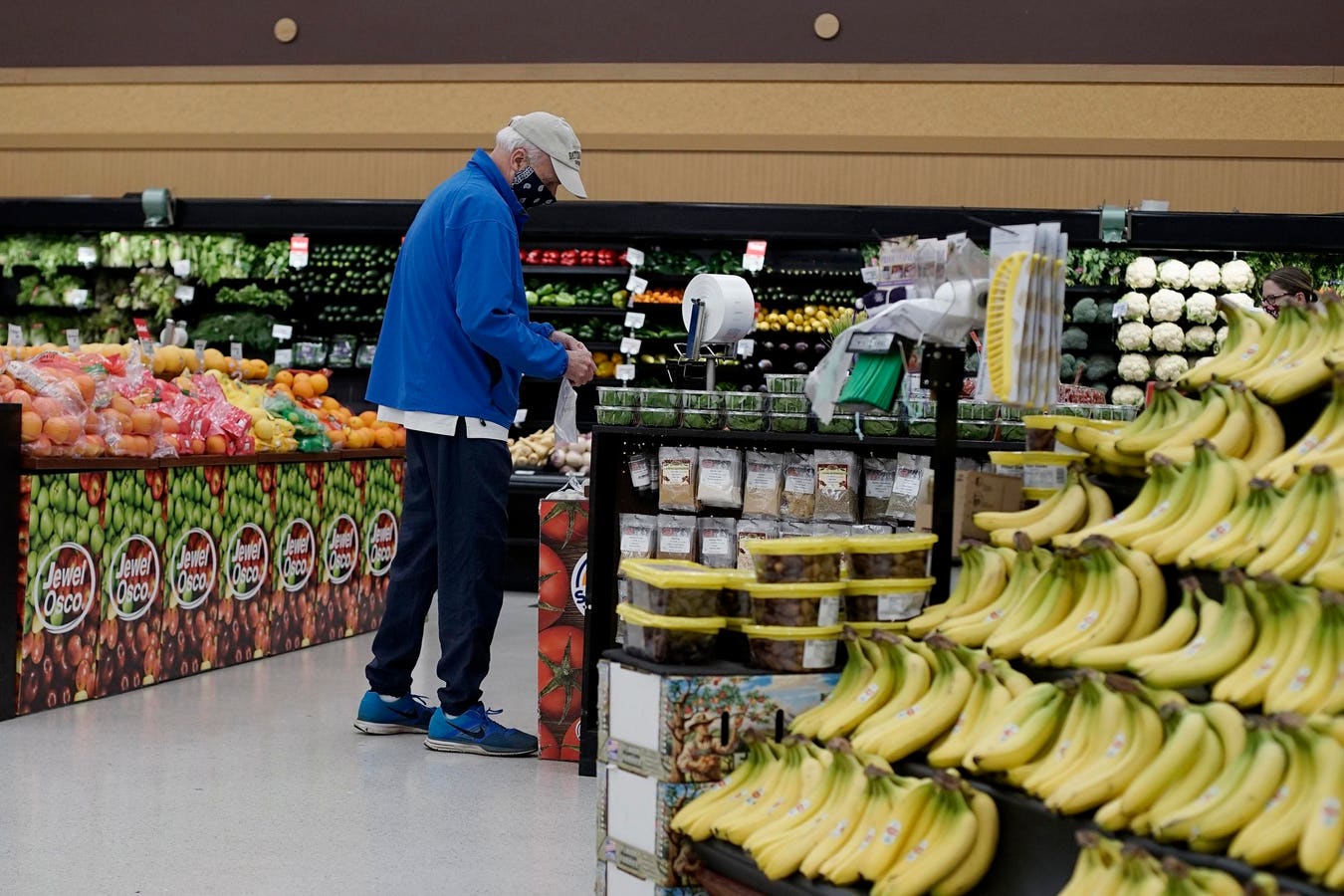
In an ideal scenario, the Iran war is over, the Strait of Hormuz is completely reopened, energy prices and inflation fall sharply and American wages rise.That's according to Mark Zandi, the chief economist for the global financial research firm Moody's Analytics. But the reality is the signs on the horizon indicate those conditions aren't likely to be fully realized anytime soon, Zandi told ABC News, which will mean more financial pain is in store for American consumers already struggling to cover their basic living costs."I think under the most likely scenarios for how things unfold, I'd buckle up," Zandi said.Consumers shop for meat in a Chicago, Illinois, grocery store, May 22, 2026. High demand and shrinking herds have driven prices for beef to near-record highs.Scott Olson/Getty ImagesEven if the war ends soon, Zandi added, the trend of high inflation that has been exacerbated by the Middle East conflict will likely continue for the next six to 12 months.Diane Swonk, chief economist and managing director at KPMG US, told ABC News that inflation stemming from the Iran war comes on top of the inflation with which many Americans have been struggling for the past five years. Everything from the Russian invasion of Ukraine and the uneven reopening of the economy after the pandemic have also contributed to the current inflation crunch, she said."Much like stock returns compound over time to give people mountains of wealth, the level of prices has compounded over the last five years to leave prices out of reach for too many," Swonk said.Inflation jumps to its highest level since 2022Inflation jumped in May for a third consecutive month as the Iran war continued to drive up prices, surpassing 4% for the first time in three years, the U.S. Bureau of Labor Statistics (BLS) reported last week.Prices rose 4.2% in May compared to a year earlier, increasing 0.5% from the prior month, BLS data show.U.S. consumer price index June 10, 2026U.S. Bureau of Labor Statistics
'Buckle up': Inflation pain could linger even after the Iran war ends, economists say
Economists talk about ongoing inflation and what consumers can do to cope.
1,539 words~7 min read