NEW YORK (AP) — A tentative deal to end the Iran war makes it reasonable to ask how soon prices will drop for gasoline, groceries, airline tickets and other items that got more expensive during the conflict. Not so fast, experts say.Even after oil starts flowing again from the Middle East, it could take a while for consumers to see a difference at local fuel pumps, supermarkets and other places they shop, according to economists and industry analysts.Fighting over the Strait of Hormuz disrupted not only supplies of crude and refined fuel but also the supply chains for fertilizer, food and even footwear. Businesses expect higher costs to linger, which means their customers might need to prepare for that too. “It is not clear, despite three months of war, that anything has been achieved that makes the American consumer better off,” Brett House, an economist who teaches at Columbia Business School, said. “In fact, by almost any measure, not just the American consumer, but the world, is worse off as a result of this attack.”If the deal between the U.S. and Iran holds, here’s how experts see the war’s effects receding — or not — in the weeks ahead:
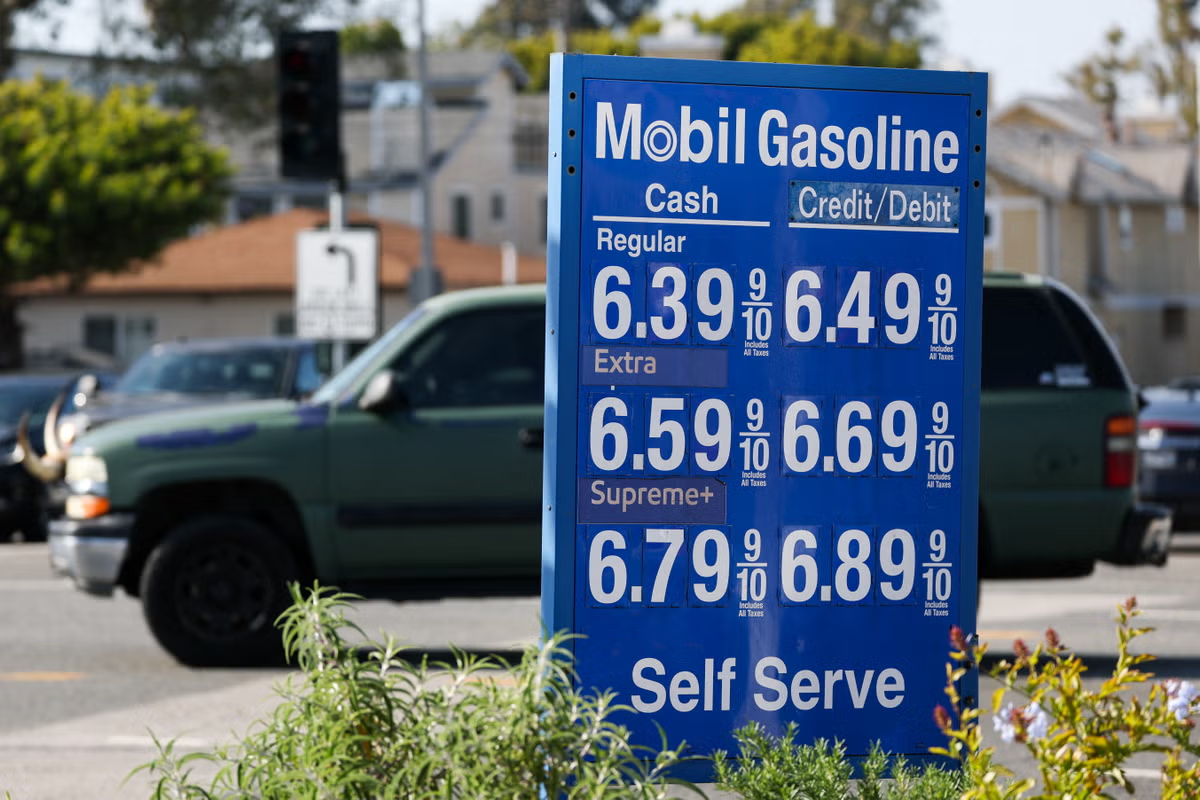
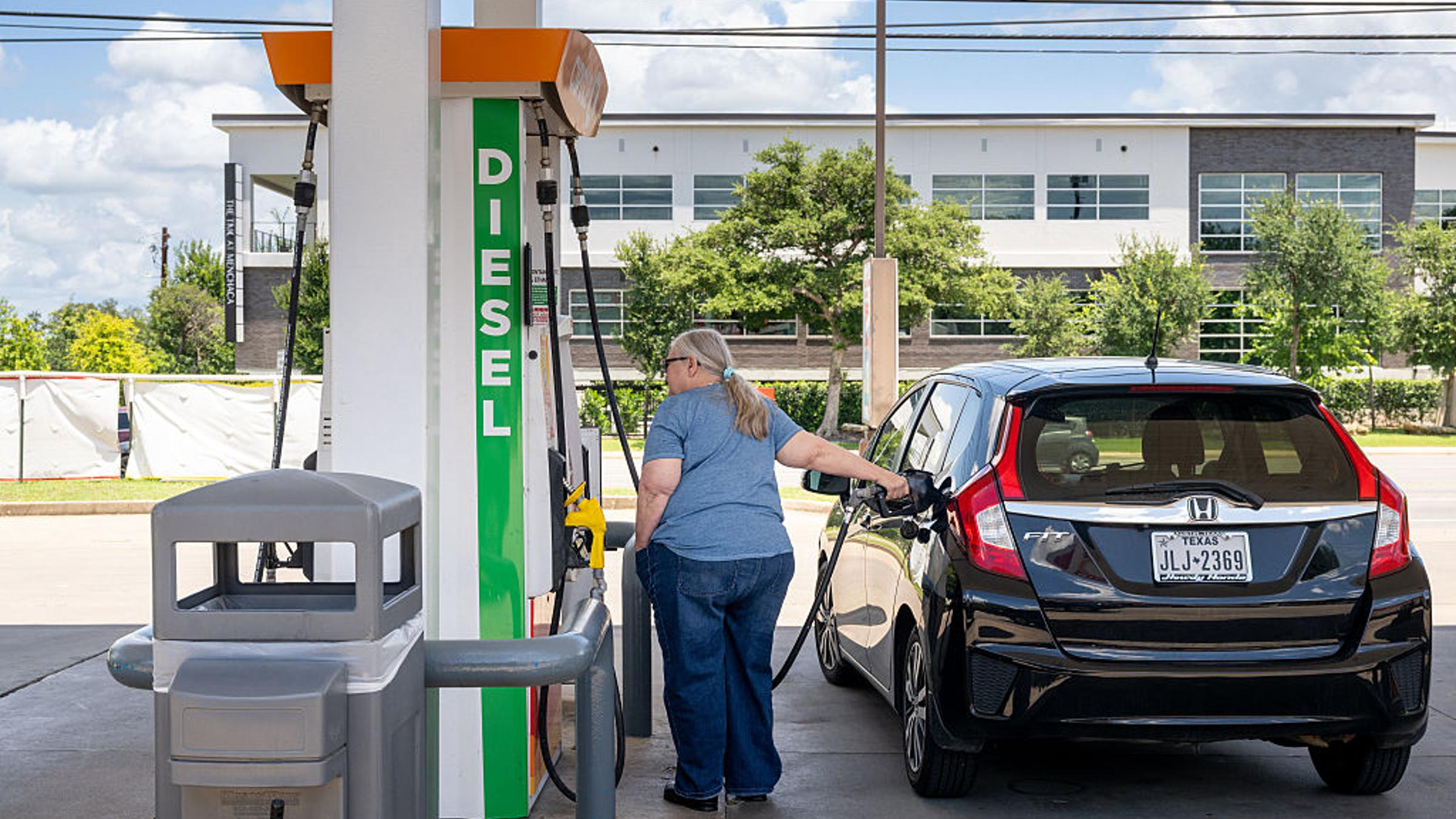
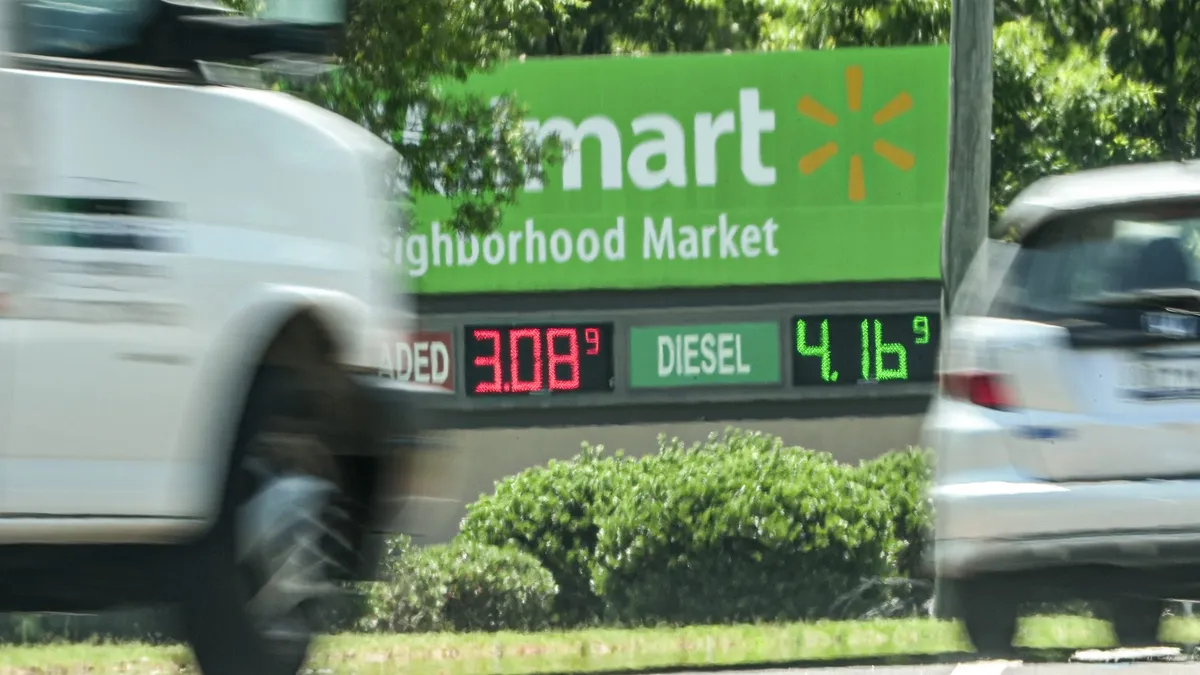
US motorists can expect some gas price relief Following news of the tentative agreement, oil prices fell Monday to about $80 for a barrel of U.S. benchmark crude. That compares to $67-per-barrel before the war and the price of over $120 a barrel reached earlier in the conflict. Refineries typically pay for crude oil a month or more in advance, so even after oil prices drop, they won’t immediately be processing cheaper products. “The tendency of gasoline prices to fall slowly is partly because the raw material takes weeks to work through the system until it’s delivered to consumers,” said Michael Lynch, a distinguished fellow at the nonpartisan Energy Policy Research Foundation.