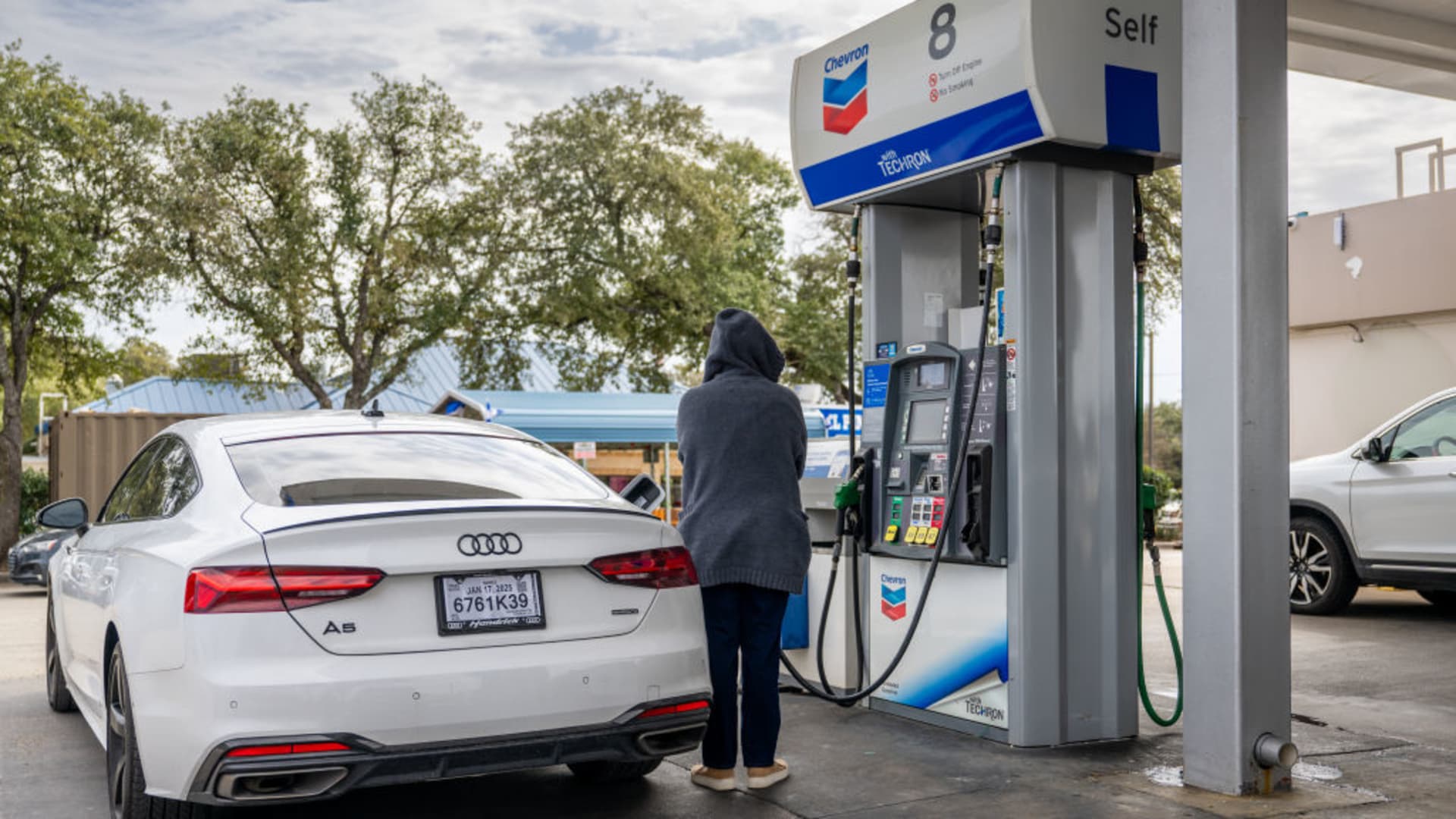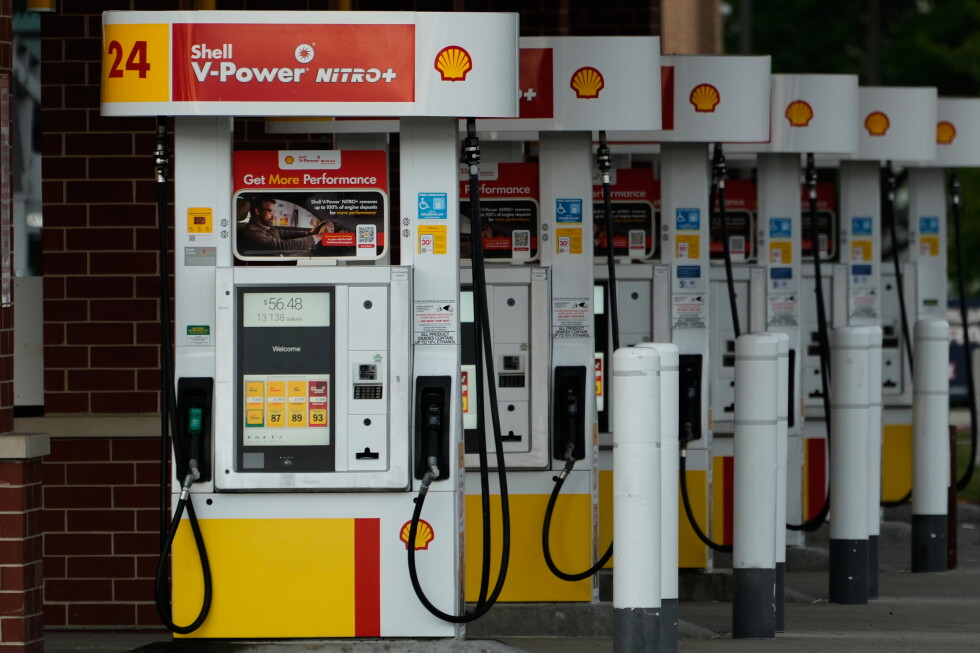
As fighting between the U.S. And Iran ramps back up, it’s harder to believe this conflict — which continues to constrain global oil and gas flows — is approaching a lasting solution. All that uncertainty affects how consumers, businesses, and economists are thinking about future energy prices and inflation.Gasoline today may cost less than when it peaked earlier this year, but economist Mark Finley at Rice University said you need to look back farther: “There's still significant year-on-year inflation and pressure on prices at the pump.” Gas is up 70 cents or so from last year. “It's the one thing that you … have screamed at you from every street corner, and so it has an outsized impact, not only on inflation and inflation expectations, but things like consumer confidence,” Finley said.While long-term inflation expectations have been in check so far, said Yelena Shulyatyeva with The Conference Board, prices have consumers concerned.“So if the conflict drags on, we may see much, much more significant reaction from the consumers, and that could lead to some unsustainable pickup in inflation expectations,” she said.And if that happens?“If inflation expectations go up, then we think we can get all of these propagation effects,” said Andy Glover, research and policy advisor at the Federal Reserve Bank of Kansas City.When employees start asking for higher wages, Glover said firms start raising their prices. That’s because firms expect their suppliers to also raise prices. “So it can just become embedded and cause a persistently higher inflation that becomes much more difficult to eliminate using monetary policy,” Glover said.To prevent that inflationary cycle, Christiane Baumeister, an economics professor at Notre Dame University, said she thinks the Federal Reserve should be raising interest rates.“In order to control inflation, you need to basically keep inflation expectations anchored, and the way to do that is to act decisively, and I think it's high time for the Fed to act,” she said.Baumeister said all the geopolitical back and forth — peace, no peace — only adds to the risk of an inflation feedback loop that spirals out of control.
Return to U.S.-Iran war is likely to change inflation expectations
Economists worry that if we expect more inflation we’ll get more inflation.
347 words~2 min read