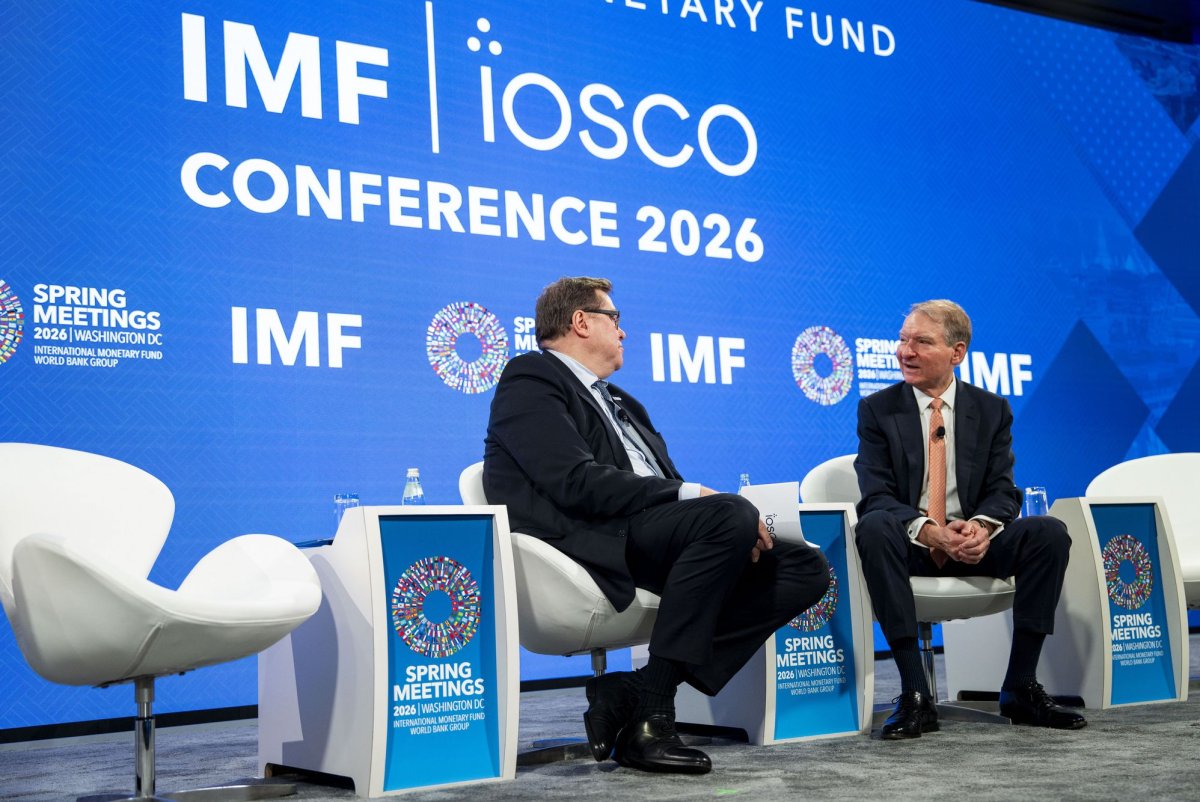
The International Monetary Fund (IMF) has forecasted that the ongoing conflict involving Iran will result in prolonged inflationary pressures on the U.S. economy, lasting until at least 2027. This outlook stems from the economic disruption caused by the 2026 Iran War, a joint U.S.-Israeli military operation initiated to target Iranian military capabilities. The conflict has led to Iran’s closure of the Strait of Hormuz, a critical chokepoint for global oil supply, significantly impacting oil prices and inflation rates. Current market conditions reflect heightened concerns, with oil prices surpassing $100 per barrel and potentially rising further if hostilities continue.
The IMF’s warning has influenced market sentiment regarding the likelihood of a U.S.-Iran deal in 2026. The probability of achieving a deal, which includes Iran reconstruction funding, has seen a decline in market confidence. Market activity suggests that the economic instability resulting from the conflict, combined with the IMF’s inflation projection, may hinder diplomatic negotiations. As a result, markets currently price a 29.5% chance of such a deal occurring, down from 38% a week ago.
Additionally, the Federal Reserve’s monetary policy actions remain under scrutiny. The likelihood of no rate cuts in 2026 is currently estimated at 77.6%, reflecting concerns about maintaining economic stability amid rising inflation and geopolitical tensions. Market participants appear to interpret the IMF’s inflation forecast as a factor reducing the probability of the Fed easing its stance.