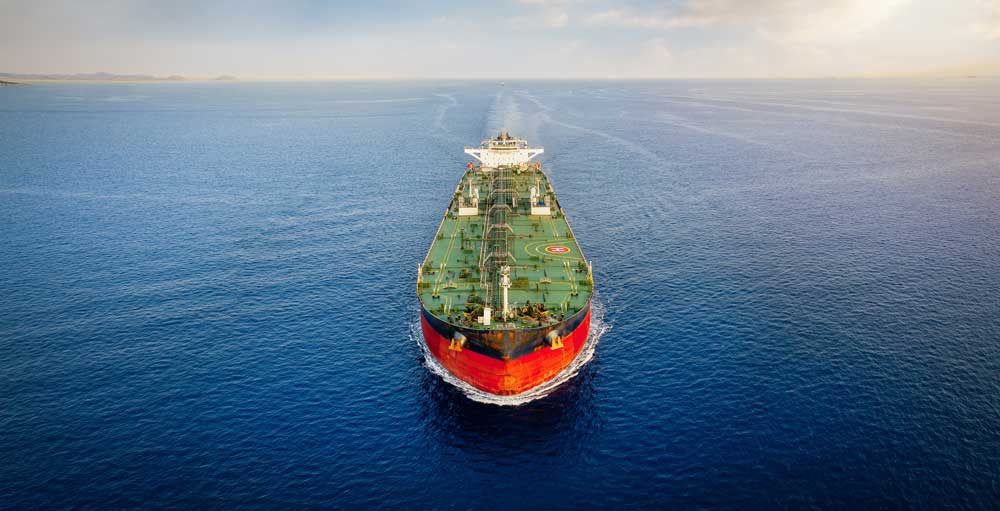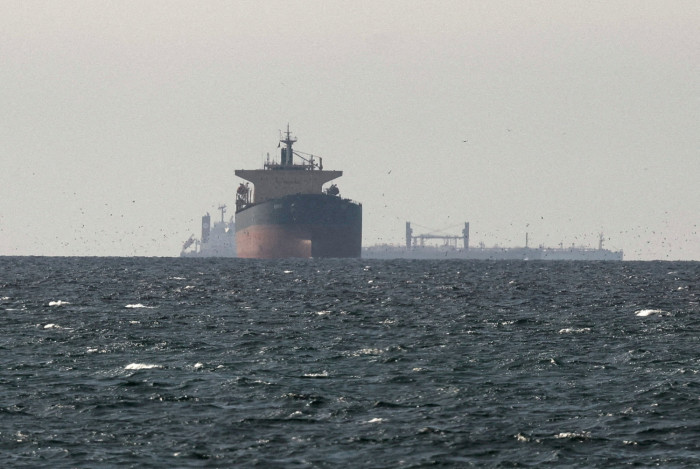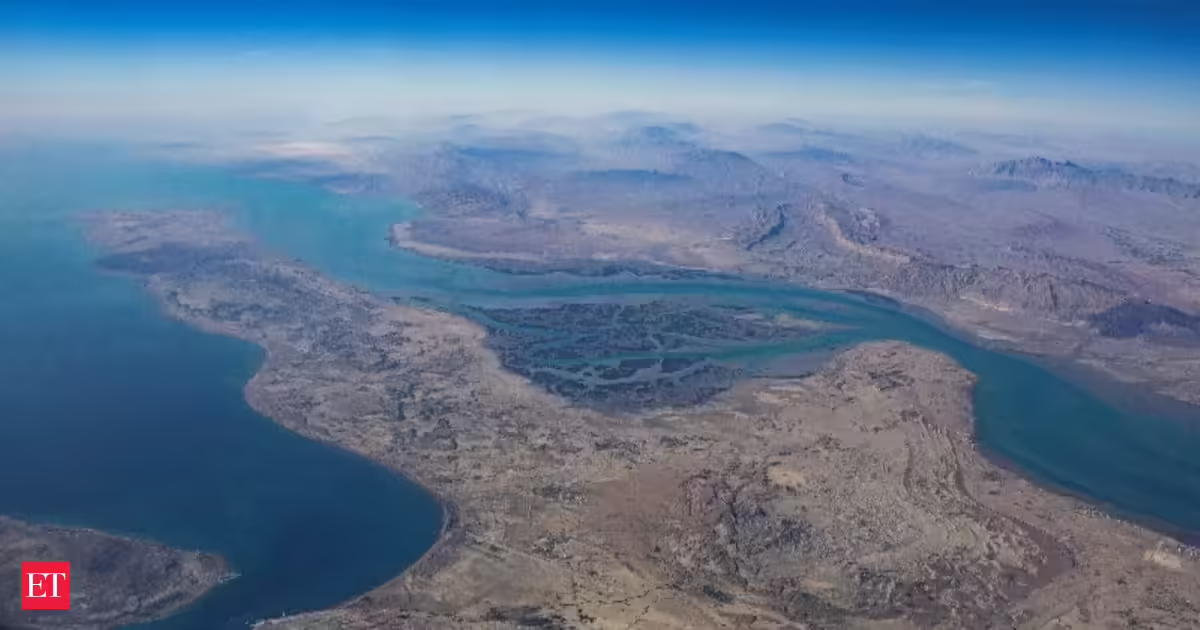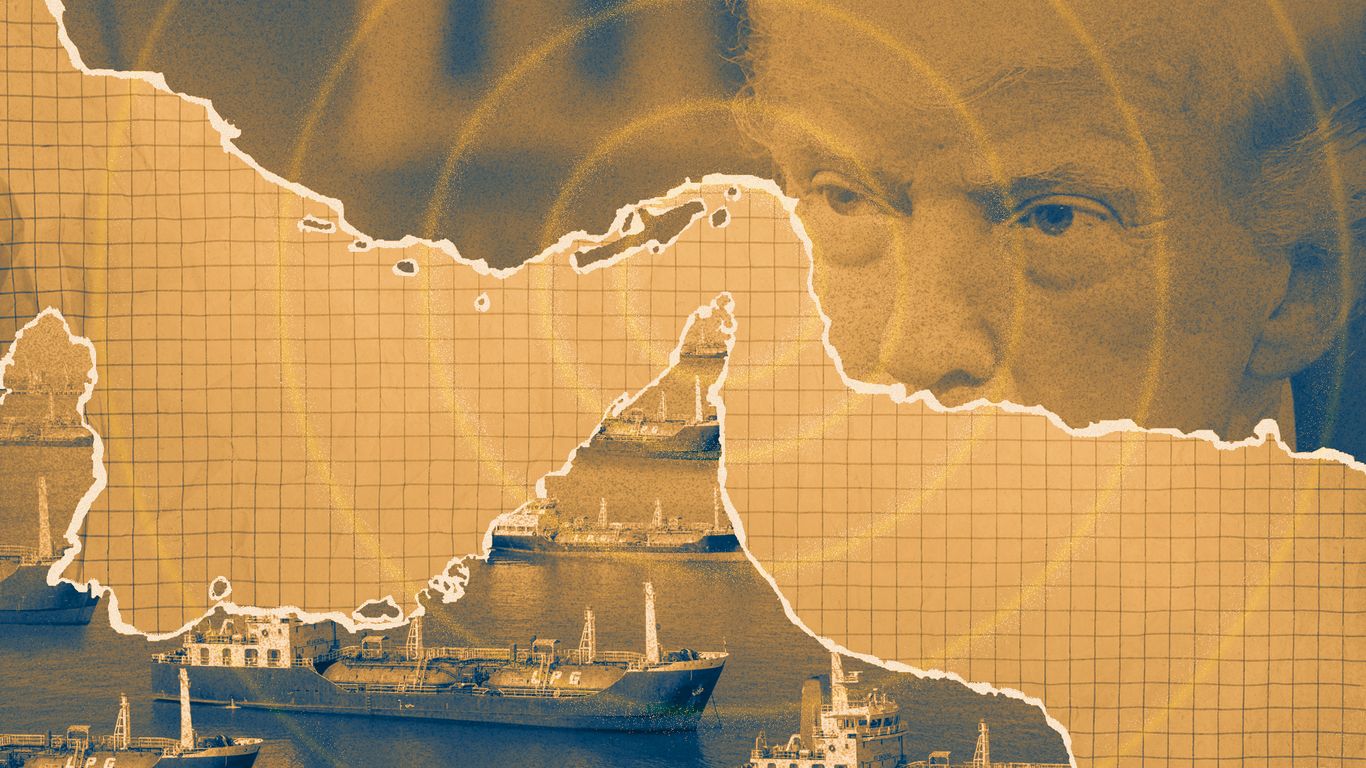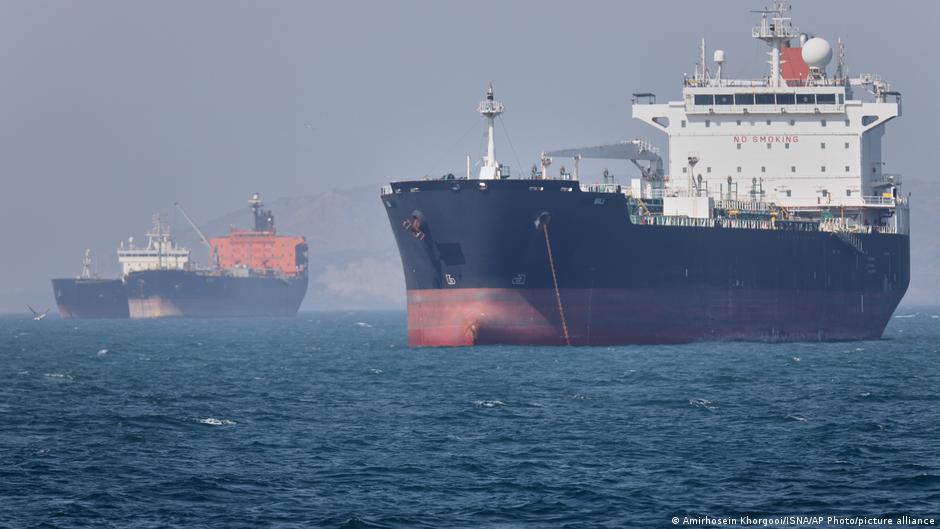
For more than three months, a closed Strait of Hormuz turned global energy markets into a pressure cooker. Now a preliminary US-Iran deal to reopen the waterway is letting the steam out, and the Federal Reserve is the biggest beneficiary of the exhale.
The memorandum of understanding announced on June 15 calls for reopening the Strait to commercial shipping toll-free and lifting the US naval blockade of Iranian ports. Oil prices dropped sharply on the news. And with them, the inflation expectations that had been building the case for another Fed rate hike.
What the deal actually covers
The framework agreement addresses the immediate crisis that erupted after US and Israeli strikes on Iran in late February, which prompted Tehran to close the Strait of Hormuz to commercial traffic starting March 4. That chokepoint handles roughly 20% of global oil supply.
Under the MoU, shipping through the Strait is expected to return to prewar levels within approximately 30 days. The agreement also extends a ceasefire for up to 60 days, though core nuclear negotiations remain deferred to a later stage.