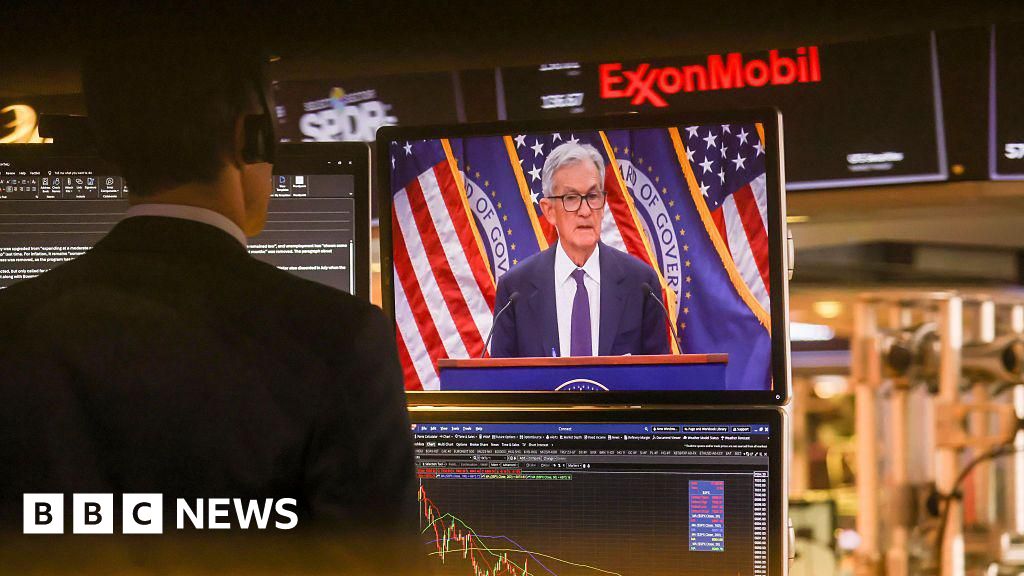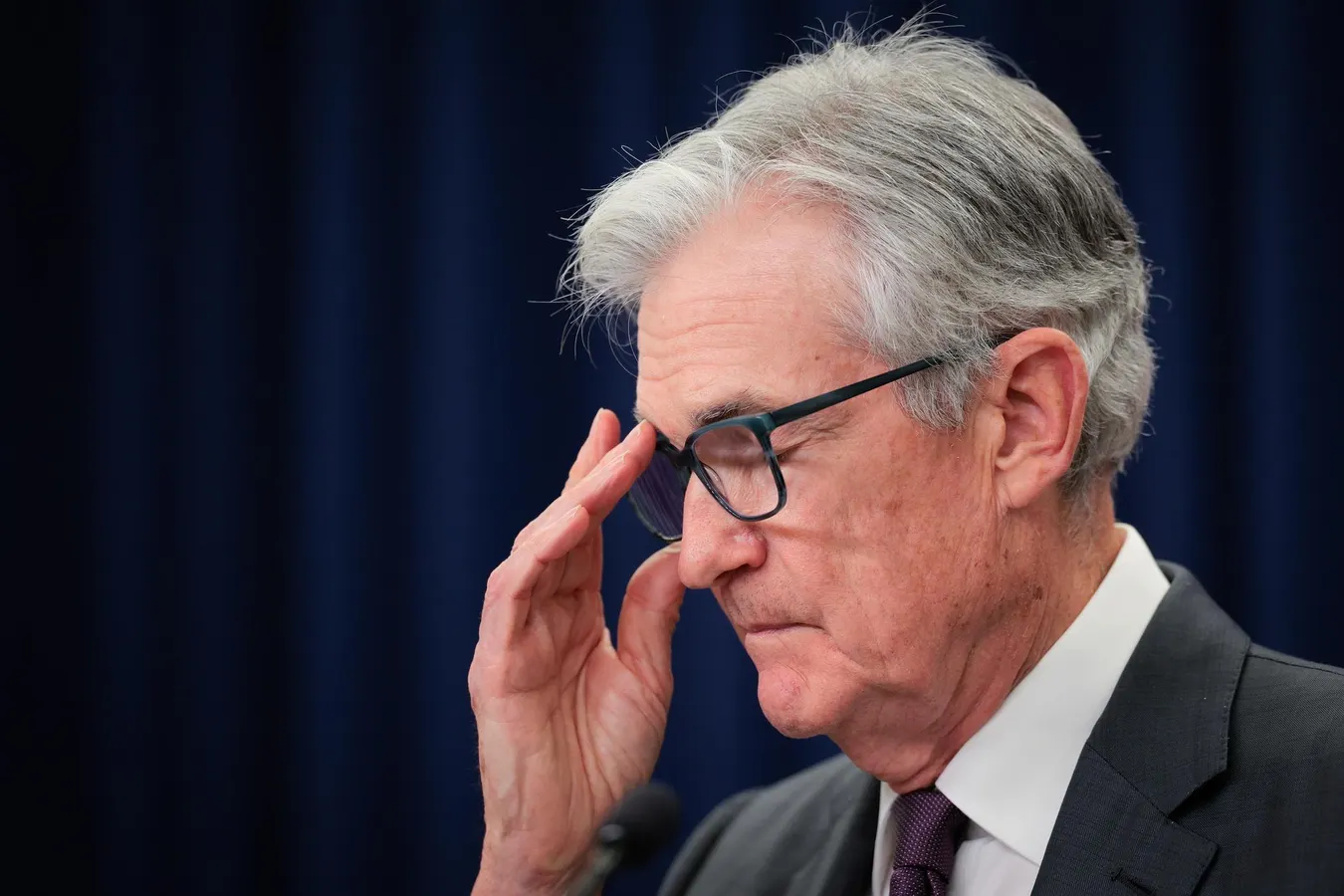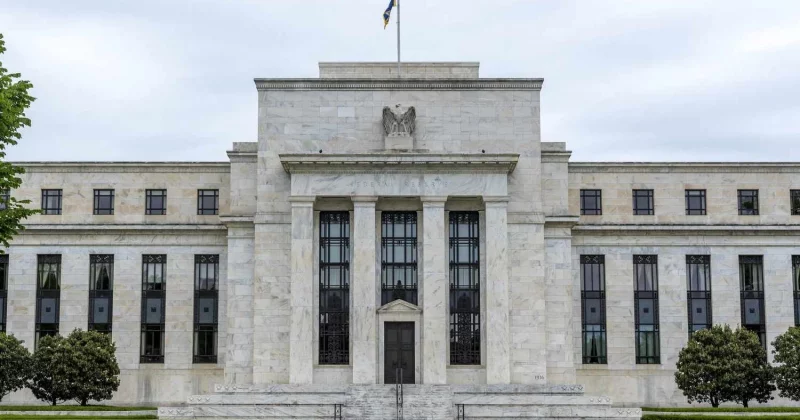
The Federal Reserve kept interest rates unchanged at its April 29 meeting, with Chairman Jerome Powell delivering a blunt assessment: inflation “hasn’t even peaked yet.” That warning landed in a market already rattled by months of US-Iran military tensions, surging energy costs, and the kind of uncertainty that makes portfolio managers reach for the antacids.
But here’s the thing. Even as the Fed signaled it wasn’t done worrying about prices, stocks managed to climb. Oil prices, which had been the villain of 2026’s inflation story, started pulling back from their highs as truce negotiations between Washington and Tehran gained traction.
The oil shock that rewrote the playbook
To understand where we are, you need to rewind to late February 2026. That’s when the US-Iran conflict escalated sharply, culminating in Iranian forces closing the Strait of Hormuz on March 4. Roughly 20% of the world’s oil passes through that narrow waterway.
Brent crude responded predictably. Prices surged from approximately $71 per barrel to over $100 during the conflict’s peak.