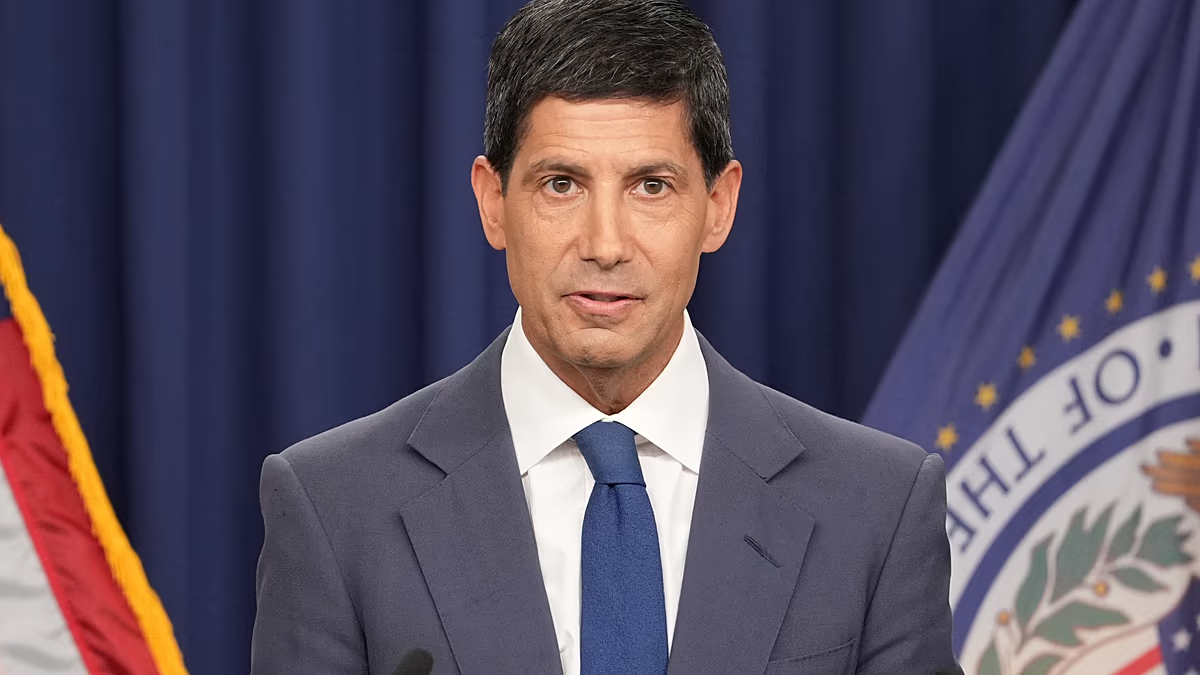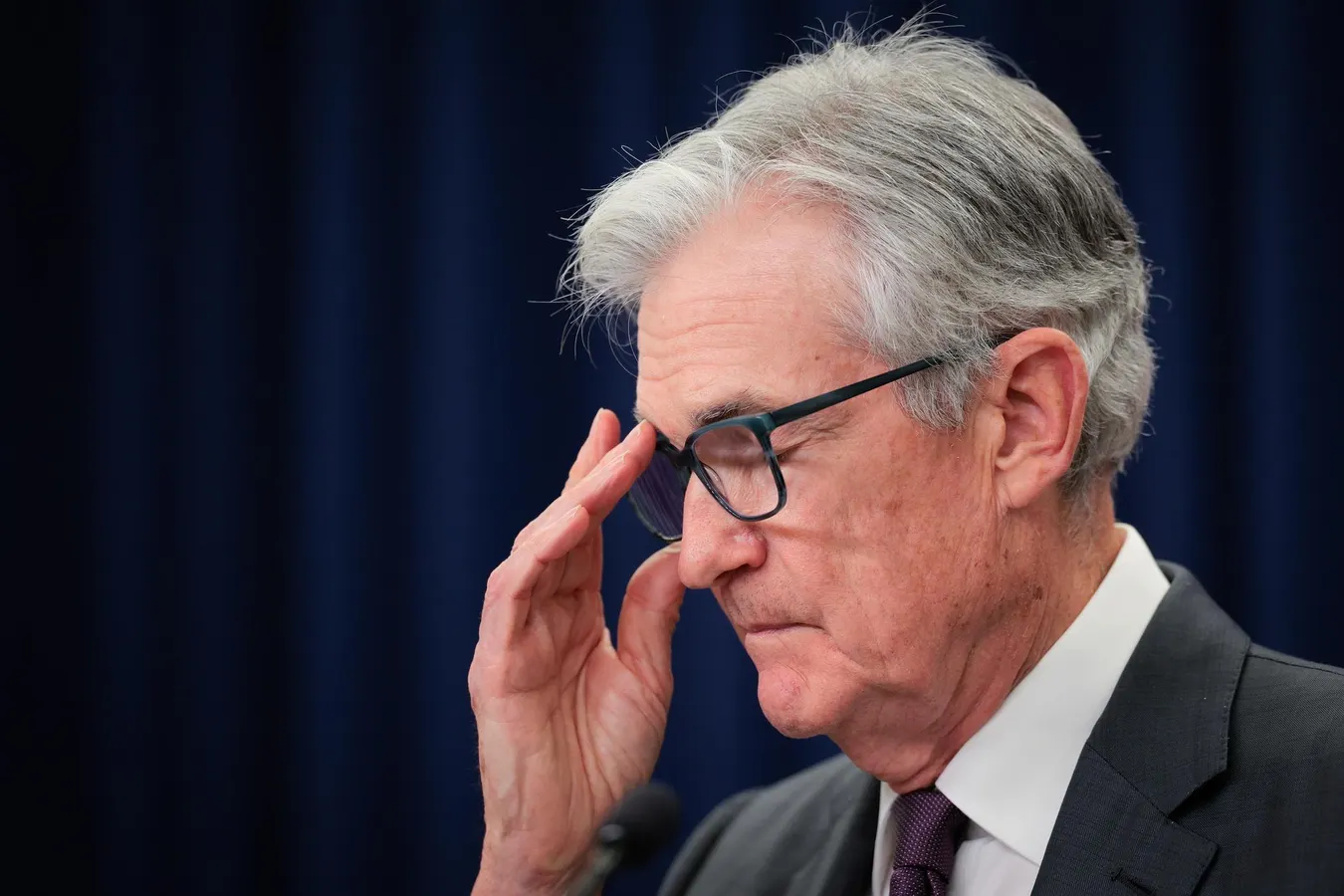
WASHINGTON, DC - JULY 30: Federal Reserve Chairman Jerome Powell talks with reporters following the regular Federal Open Market Committee meetings at the Fed on July 30, 2025 in Washington, DC. Despite pressure from U.S. President Donald Trump to lower rates, U.S. central bank left interest rates unchanged at a range of 4.25 percent to 4.5 percent. (Photo by Chip Somodevilla/Getty Images)Getty ImagesWith the war in Iran and its impact on energy prices, the Federal Open Market Committee appears inclined to wait for more data before moving interest rates again. Previously rates where seen edging lower in 2026 as inflation forecasts eased somewhat. The current spike in energy prices may change that narrative, since rising energy costs can impact prices throughout the economy. That’s because transportation is key to the provision of many goods and services, and energy is also an input to many products. The duration of any price spike is uncertain as military action in Iran continues.Where Markets See Rates GoingCurrently, interest rates are expected to most likely remain at their current level for 2026, according to fixed-income market forecasts captured by the CME FedWatch Tool. It is estimated that there is roughly a 8‑in‑10 chance rates remain at their current level of 3.5% to 3.75% in December 2026. In addition, the chance of a rate cut is slightly greater than that of rates moving higher, though both scenarios are seen as less probable today than holding rates steady.The jobs market has been volatile, but March saw materially more jobs created than expected. To the extent this trend continues, it lessens the need for the FOMC to consider cutting rates on job market concerns. The Consumer Price Index report for March will come Friday, April 10. A material jump in inflation fueled by energy costs is expected and could push the headline inflation rate back over a 3% annual rate. However, the Fed may be willing to look through short-term energy price moves to some degree if they are believed to be short-lived. Much hangs on whether traffic can pass through the Strait of Hormuz, which is a key trade route for many products.MORE FOR YOUWhy Inflation Still Worries The FedOne challenge for the FOMC is that inflation has been above target for years. Any new wave of inflation related to energy costs may make it harder for the FOMC to consider cutting rates when their inflation goal is a 2% annual rate, something not seen since early 2020.What Could Shift The Fed’s Next MoveMarkets do not expect the FOMC to move interest rates at the conclusion of their next meeting on April 29. However, inflation trends will be closely watched. If the Strait of Hormuz broadly opens to shipping traffic and energy prices start to ease, then the FOMC may be able to reconsider a path to lower interest rates later in 2026. However, if prices remain elevated, then the Fed may start to hint at interest rate increases. The job market remains a wildcard too. For now, it is not showing signs of distress, but if it did, then officials may examine whether rate cuts are warranted to offer support.
Fed Holds Steady As Energy Prices Threaten The Inflation Outlook
Energy prices are rising as the war in Iran continues, increasing inflation risks and making it more likely the Fed holds interest rates steady through 2026.
524 words~2 min read