New Delhi: The US-Iran deal is setting the stage for a recovery in Chinese oil demand that risks driving up global inflation pressures, according to Bloomberg Economics, assuming the agreement holds and eventually restores energy flows to the world’s second-biggest economy.
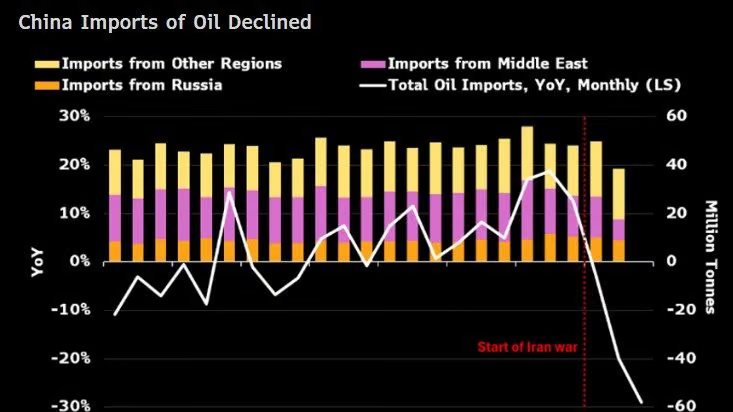
“Throughout the conflict, China has effectively acted as a shock absorber for global energy markets, with its sharp drop in crude imports helping dampen oil price pressures during one of the most severe supply squeezes on record,” Bloomberg economists Chang Shu and David Qu wrote in a note on Monday.“Any recovery in Chinese oil demand — particularly if energy flows remain constrained — could tighten global energy markets, reignite inflation pressures and complicate the task facing central banks,” they said.
Iranian oil shipments to China, a resilient trade that’s survived years of US sanctions to provide a crucial economic lifeline to Tehran, has come under huge strain from waning demand and an American blockade.Iranian crude flows to China tumbled to about 160,000 barrels a day in May, down from 1.8 million barrels a day in February, according to data compiled by Bloomberg. US and Israeli strikes on Iran started at the end of that month.China, the largest buyer of Iranian oil, has consistently called for maintaining a ceasefire and reopening the Strait of Hormuz, with both Iran and the US blocking traffic through the crucial waterway for global energy flows.Whether the US-Iran deal holds will have widespread implications for China’s economy, which has depended on exports to drive growth. A prolonged conflict risked denting demand abroad as higher oil prices pushed up the costs of inputs while shipping charges rose, making goods more expensive.Iranian Crude Oil Exports to China Tumble | Weak demand and US blockade have curtailed flows | Bloomberg