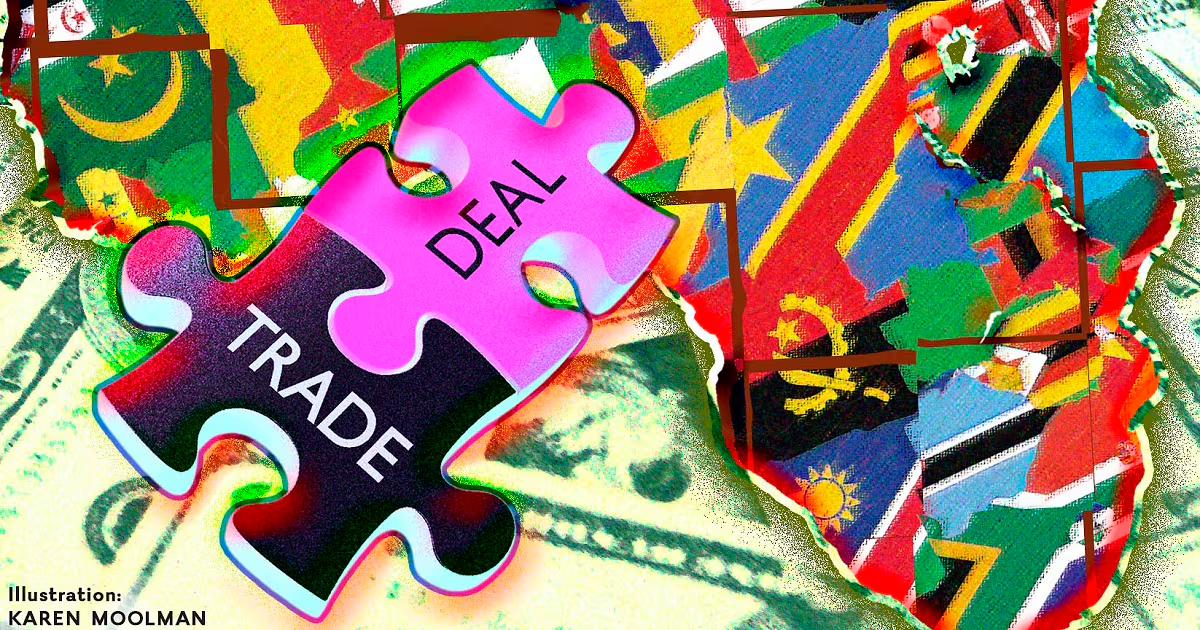
Africa’s free trade promise will be won or lost on the factory floor, argues ADESOJI ADESUGBA
Five years after the African Continental Free Trade Area opened for business, it is worth asking a blunt question: what has actually changed for the woman shipping processed foods across a West African border, or the young manufacturer trying to sell into the country next door?
For most of them, the honest answer is: not much. And that gap, between a historic agreement signed with great ceremony and the everyday experience of doing business, is the single most important thing the continent’s trade ministers, and their partners, should be losing sleep over.
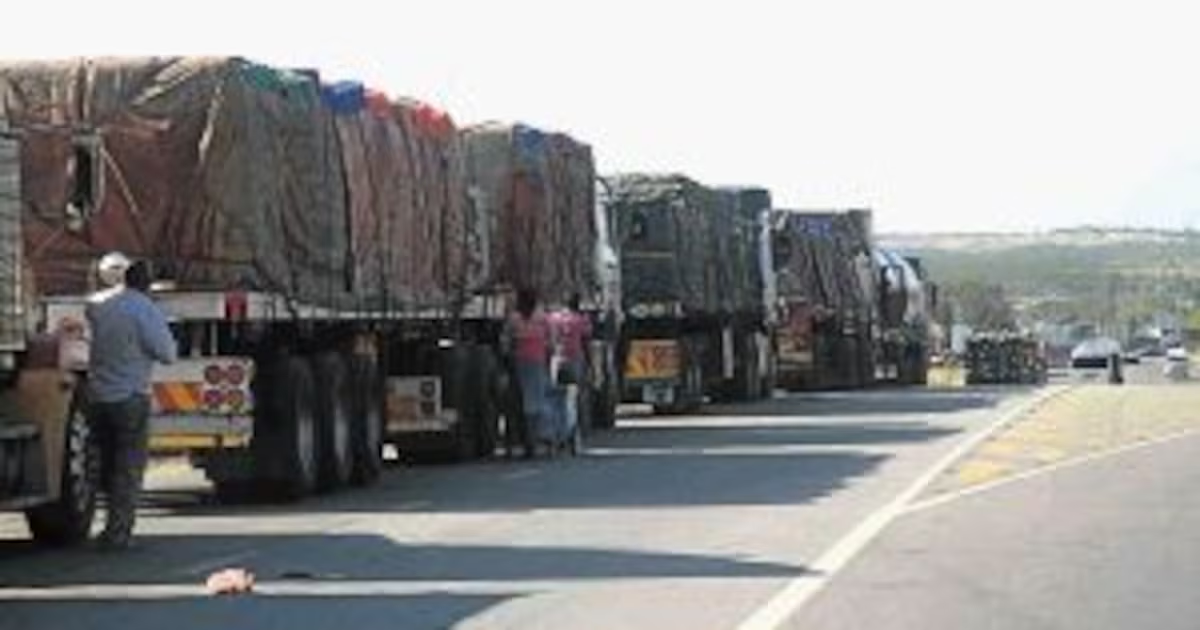
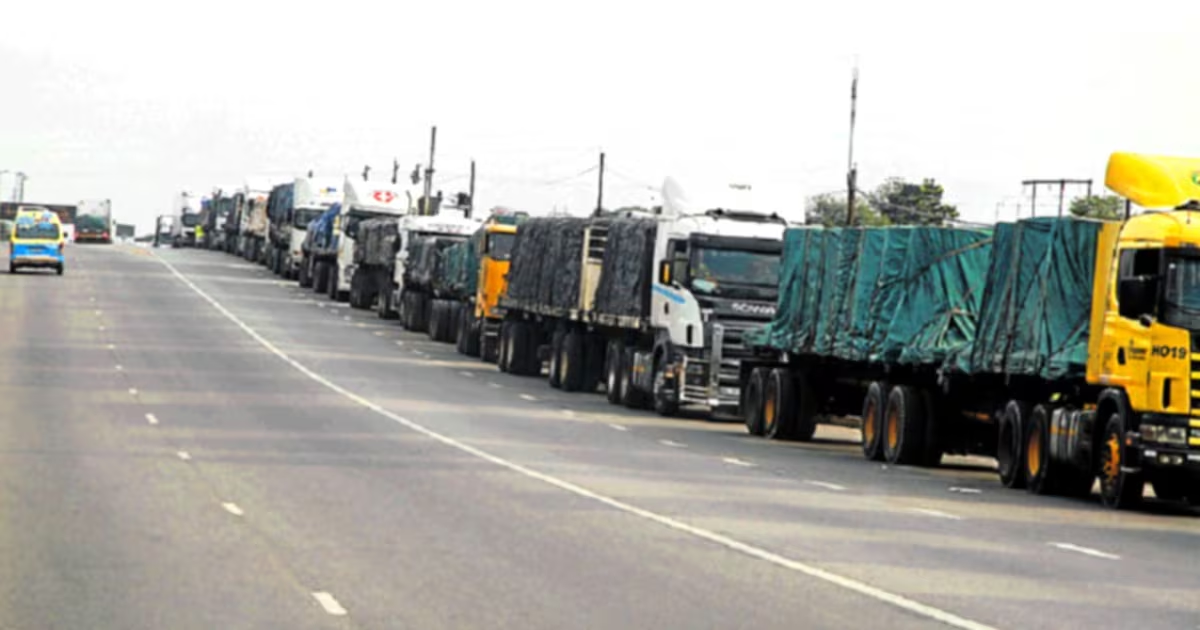
Let me be clear about the scale of what is at stake, because it is genuinely enormous. The AfCFTA joins 54 economies and 1.4 billion people into the largest single market in the world by membership. The World Bank has estimated that, fully implemented, it could raise continental income by hundreds of billions of dollars and lift tens of millions of people out of poverty within a decade. Tellingly, the Bank found that the biggest gains come not from scrapping tariffs, but from cutting the everyday costs of moving goods across borders.
That last point deserves to be shouted from the rooftops. Because it tells us exactly where the work lies, and it is not where most of the headlines have been.