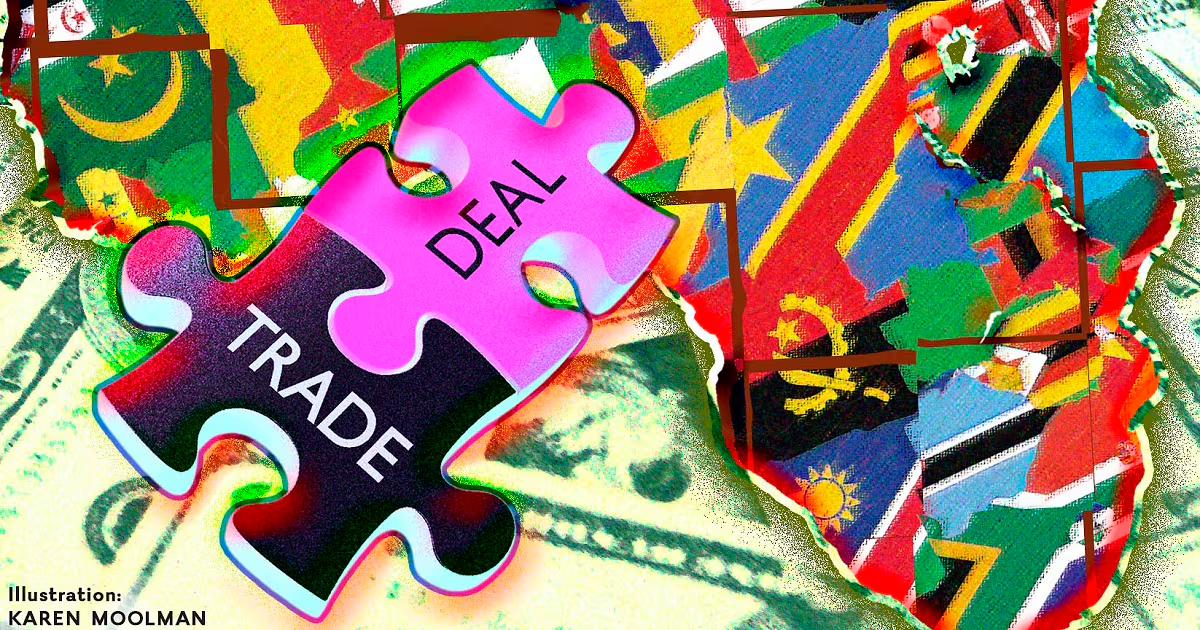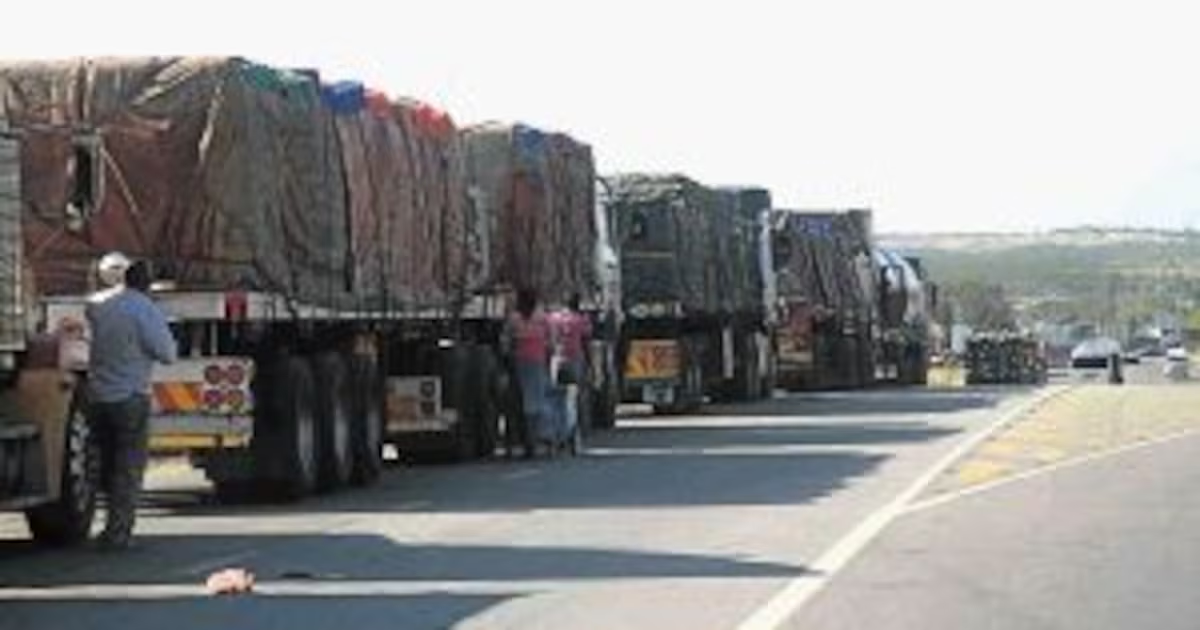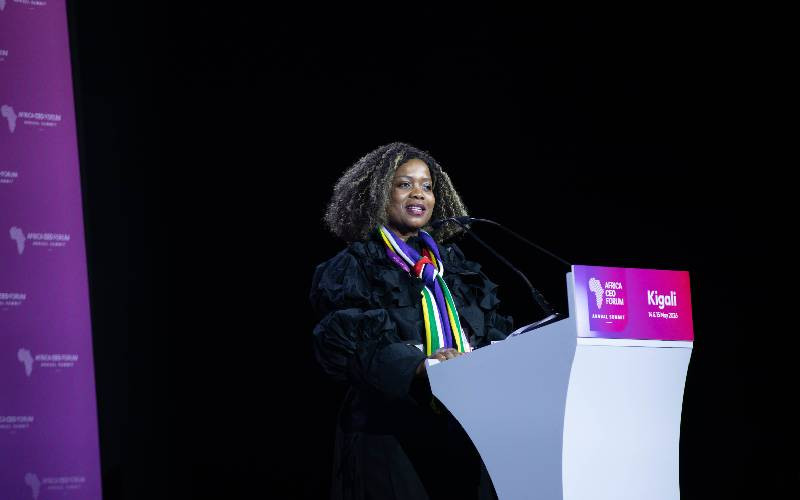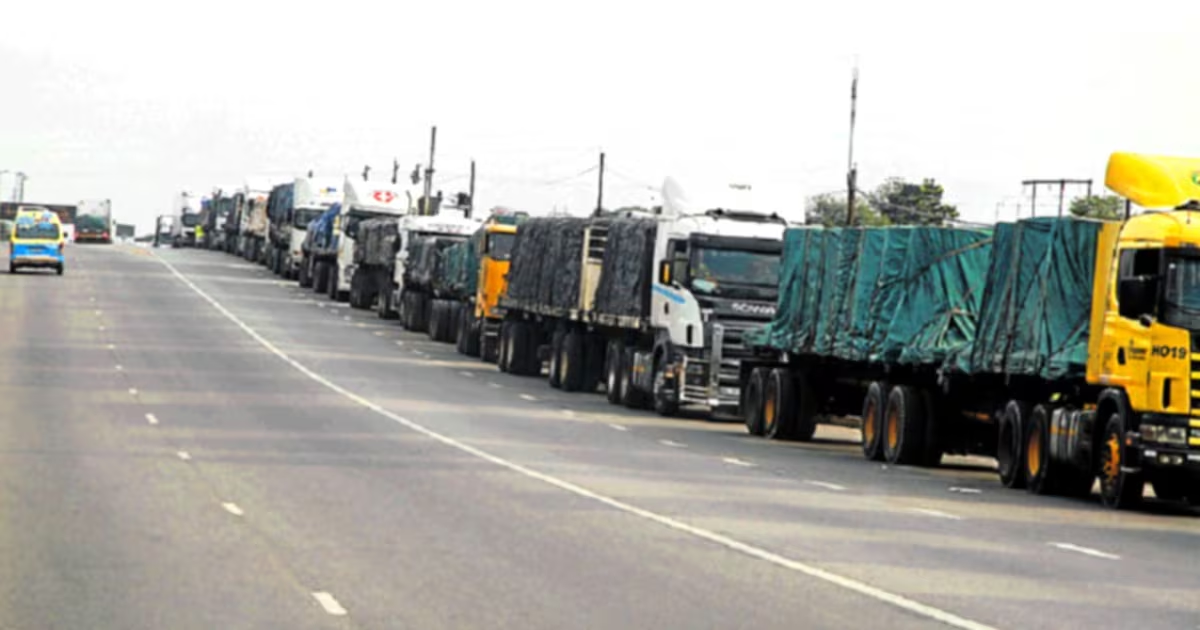
The African Continental Free Trade Area (AfCFTA) has overcome numerous hurdles and reached some significant milestones since it officially kicked in on January 1 2021, but it must shift into higher gear to achieve the economic benefits that have become even more crucial for member states in an increasingly uncertain geopolitical climate.Just last week, the US trade representative listed South Africa among 41 countries it claims effectively enforce forced labour practices and slapped it with a 12.5% tariff.This comes after last year’s upheaval when South Africa was again among several nations subjected to tariffs for allegedly ripping the US off in trade. This was against the backdrop of political tensions between Pretoria and Washington over false claims of white genocide in South Africa and opposing stances on Israel’s war against Gaza.In short, in a geopolitical environment fraught with tension and uncertainty, where tariffs are increasingly used not just to promote protectionism but also to settle political scores, the AfCFTA must swiftly iron out the kinks that stand in the way of member states diversifying their export base away from the West and fully exploiting a market in their backyard that boasts a population of about 1.4-billion and a combined GDP of $3.4-trillion.That means fixing the severe rail and port inefficiencies, border delays and payment system constraints that Muntanga Lindunda, CEO of the Zambia Association of Manufacturers, identified at a recent regional conference as hindering seamless trade.The continent must speak with one voice in seeking external financing for the road transport network that carries the majority of freight within Africa but is in a severely dilapidated state in most countries. Private-public partnerships within individual states can only make a tiny dent in the more than $100bn annual infrastructure financing shortfall the continent sits on, according to African Development Bank estimates.There is much to applaud — for instance that all but one (Eritrea) of the 55 AU member states have signed the pact within eight years of the initial agreement being signed in Kigali in 2018.By comparison, the EU existed with just six founding members for 15 years before other countries started joining, and even then, its expansion was staggered over a 55-year stretch from 1958 to 2013. It takes time to build consensus among so many countries, particularly on a sensitive matter such as trade.The AfCFTA also reached a significant breakthrough in February when, after years of haggling, the AU members officially adopted the previously outstanding rules of origin for vehicles, clothing and textiles, bringing total agreement to 100%.Rules of origin are the criteria used to determine the “economic nationality” of a product in global trade, primarily categorised into nonpreferential and preferential rules. They dictate import duties, trade statistics and eligibility for zero-tariff benefits under free-trade agreements.But the continent must overcome the mistrust that still handicaps the trade pact by fuelling protectionism, stalling critical negotiations and delaying the reduction of trade barriers. As a result, intra-African trade accounts for about 15%–20% of Africa’s total merchandise trade. By comparison, the EU exceeds 60% and Asia is at about 55%–60%.It is not surprising that in such a vastly unequal continent, the governments of poorer countries are hesitant to fully open their markets out of fear that stronger economies will dominate or that neighboring states will cheat on rules of origin and product standards. But present geopolitics dictate that Africa can only hold its own as a collective; no individual country can withstand the global headwinds on its own.
EDITORIAL | More than five years later, AfCFTA still to reach full potential
Tariffs and geopolitics highlight urgency for Africa to strengthen its internal market
575 words~3 min read