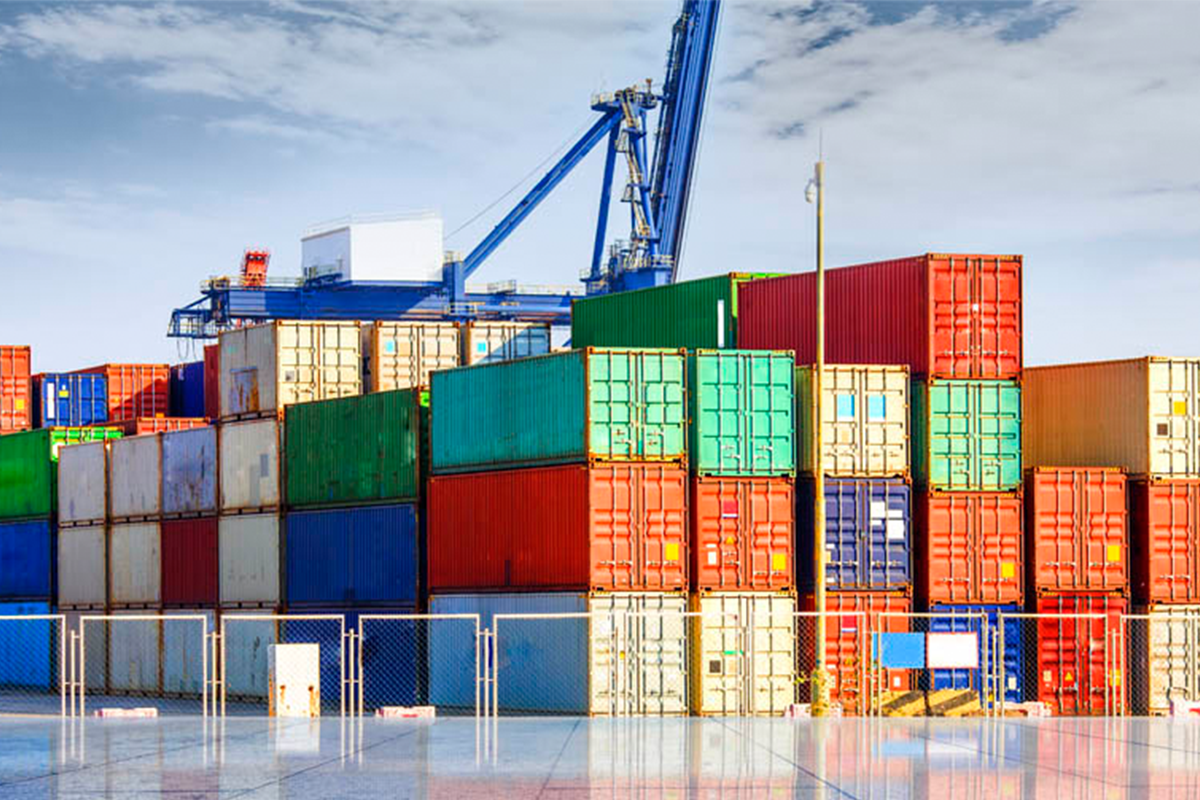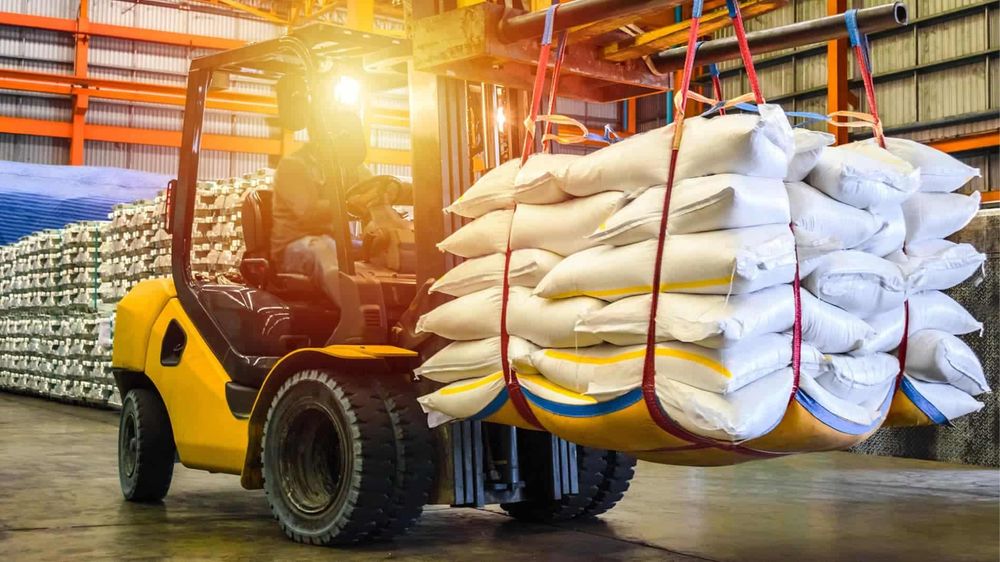
Africa has agreed to trade with itself. Now it must build the transport ecosystems capable of making that ambition real, and the DRC is one of the continent's most important test cases.
Africa has signed one of the most ambitious trade agreements in modern history. However, goods do not move simply because leaders sign agreements.
They move because roads work, borders function, trucks are maintained, drivers are trained, parts are available, corridors are safe, financing exists, and service networks respond. When something breaks, the system must be strong enough to recover quickly.
This is the uncomfortable truth at the heart of the African Continental Free Trade Area (AfCFTA). AfCFTA aims to accelerate intra-African trade and strengthen Africa's position in global commerce.
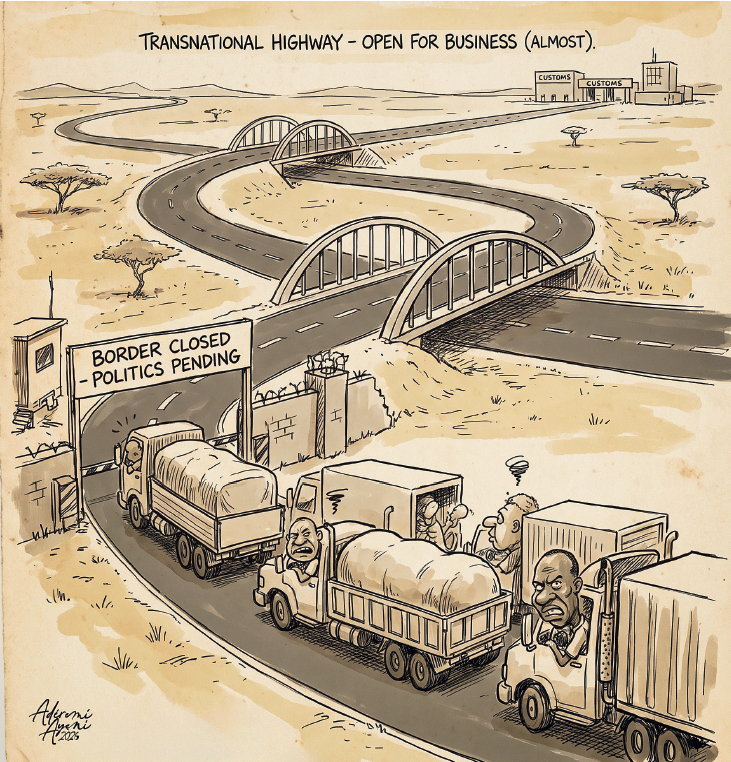
That ambition is necessary, but Africa's deeper barrier is not always the tariff; it is the truck that cannot get a part, the border where cargo waits, the road that destroys equipment, the fleet operator who cannot finance renewal, the technician who was never trained, and the corridor that looks efficient in a policy document but fails in the rain.