In 2011, a short but catastrophic cloudburst hammered Copenhagen, flooding parts of the Danish city with more than 5 inches of rain in a single day.
The storm caused more than $1 billion in damages. It also catalyzed a transformation across the city. Officials spent the next decade implementing a matrix of green spaces and engineered stormwater infrastructure to sop up future flooding.
Other cities around the world—from Hong Kong to New York—have adopted similar green-gray approaches to curb urban inundation. But as the aptly named “Sponge City” movement grows worldwide, experts say major challenges are keeping cities from reaching their full spongy potential. And with global warming giving rise to wetter storms and more severe droughts, research shows nature’s absorbent abilities are being pushed to the brink.
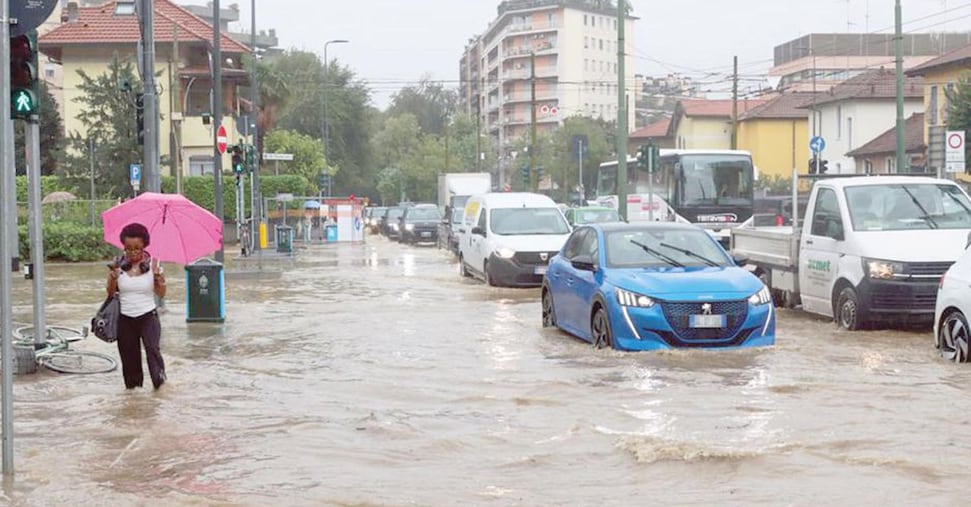
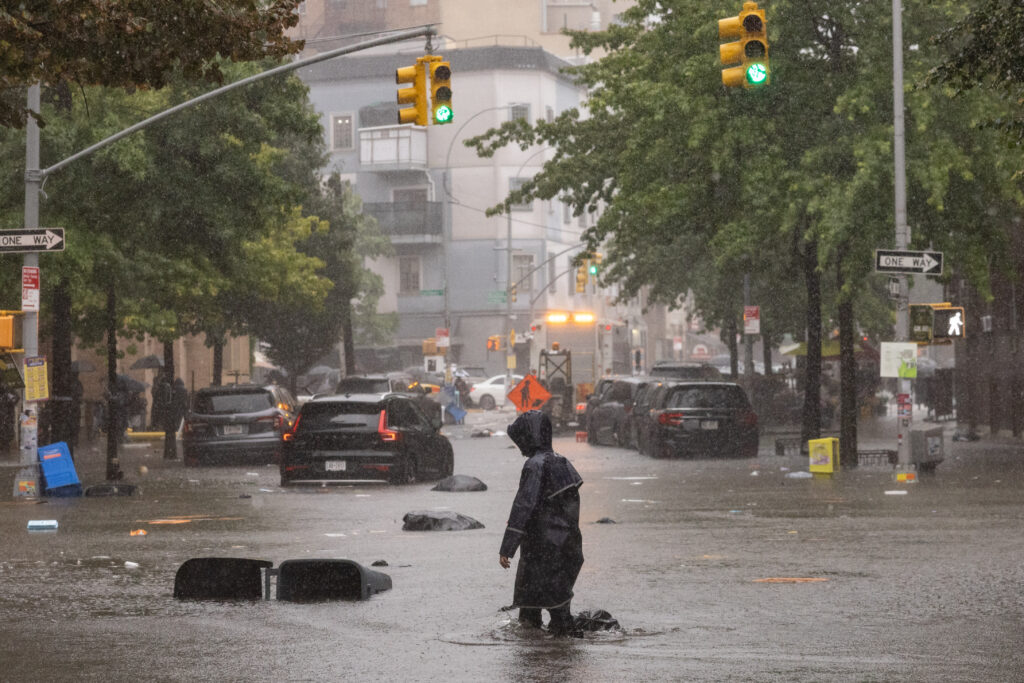
From sprawling skyscrapers to busy highways, many of the characteristics that make major cities so iconic also put them at risk of severe flooding. When a rainstorm hits, the mostly impermeable materials used to construct roads and sidewalks—such as concrete and asphalt—often wick water into other streets or storm drains.
“We superimposed what we wanted onto the landscape … and then by doing that, we essentially sealed the surface of the landscape,” Franco Montalto, a civil engineer at Drexel University, told me.