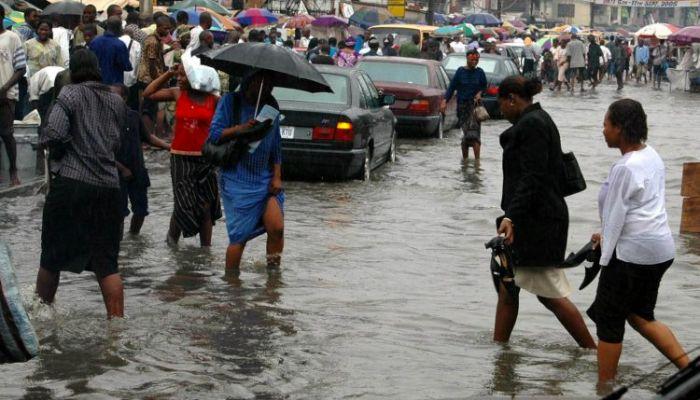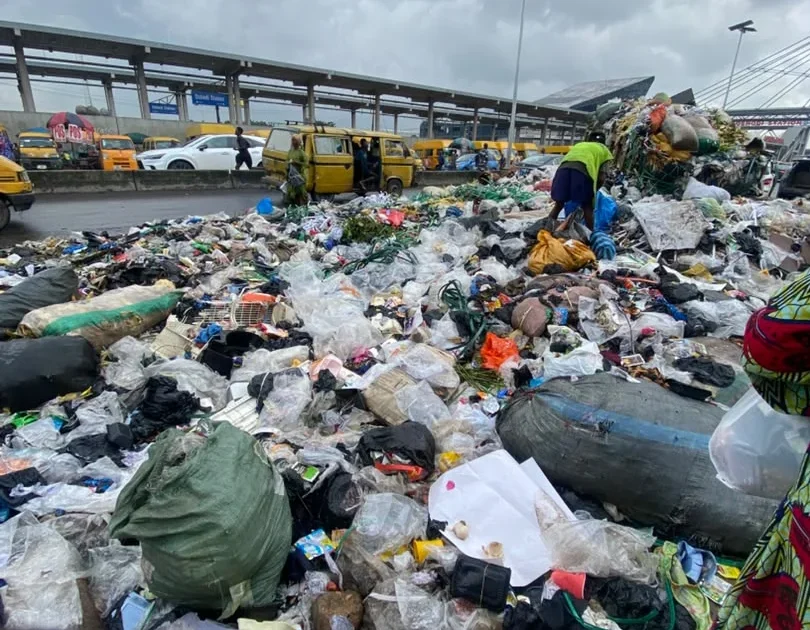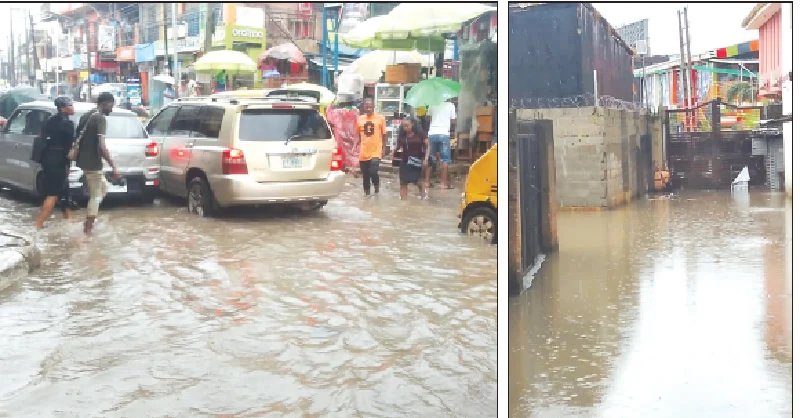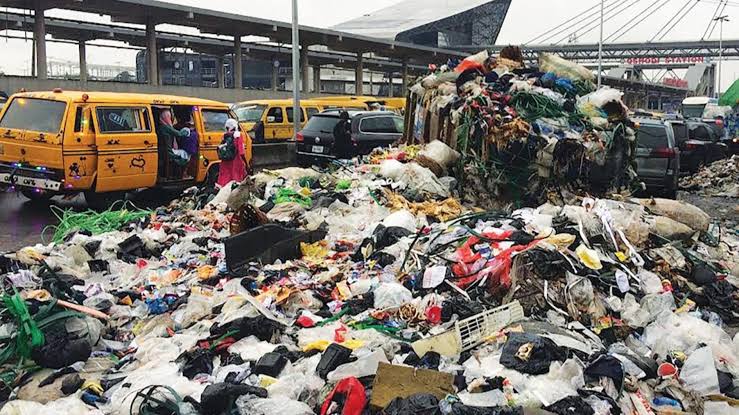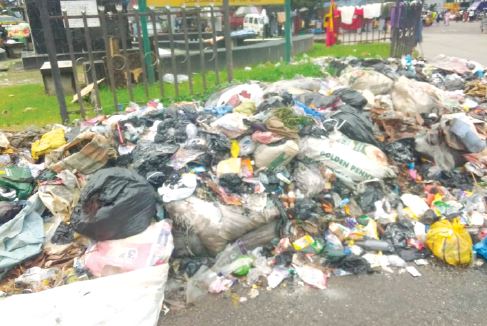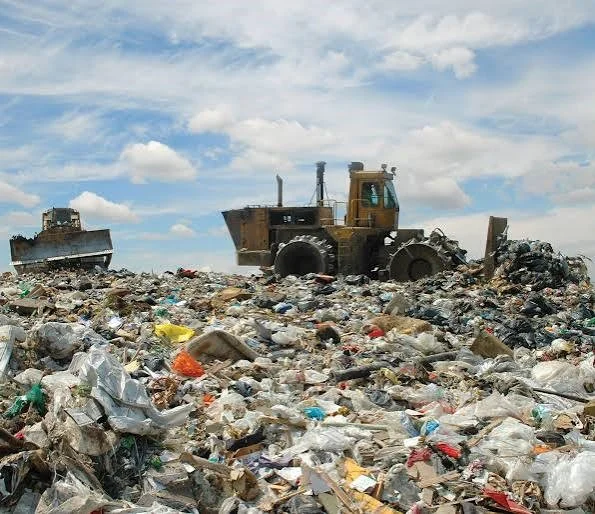
NIGERIAN cities are steadily turning into sprawling dumpsites. A recent alert by the Federal Ministry of Environment that heavy rainfall could trigger flooding in 11 states in 2026 is, therefore, not merely a weather forecast; it is an indictment of decades of neglect. Unless governments confront the waste crisis decisively, flooding, disease outbreaks and environmental degradation will remain annual rituals.
This has become an all-too-familiar cycle. Every rainy season, drains clog with refuse overflow, streets become rivers, homes are submerged, and livelihoods are destroyed.
Poor waste management has become one of the biggest drivers of perennial flooding in Nigeria. Beyond the floods lie the stench of decay, outbreaks of disease and growing threats to public safety.
The evidence is everywhere. Residents of about 80 communities in Sholu-Kajola, Ifo Local Government Area of Ogun State, have been battling foul odours, blocked roads and fears of disease from a dumpsite near the Lagos-Abeokuta Expressway. Despite assurances from the authorities months ago, the dumpsite remains uncleared.
Lagos, Nigeria’s commercial capital, presents perhaps the starkest example of this failure. A previous administration once pursued an aggressive sanitation drive, but the momentum was not sustained.