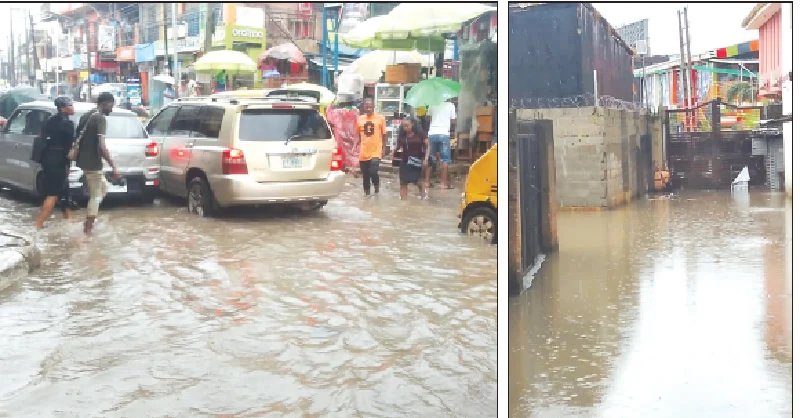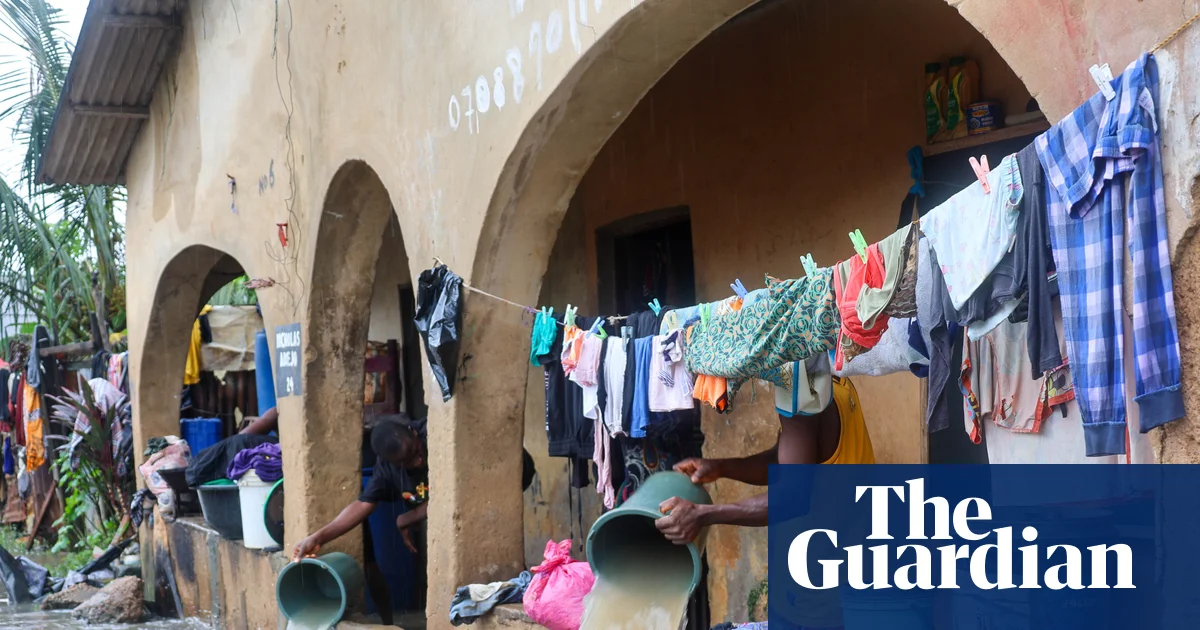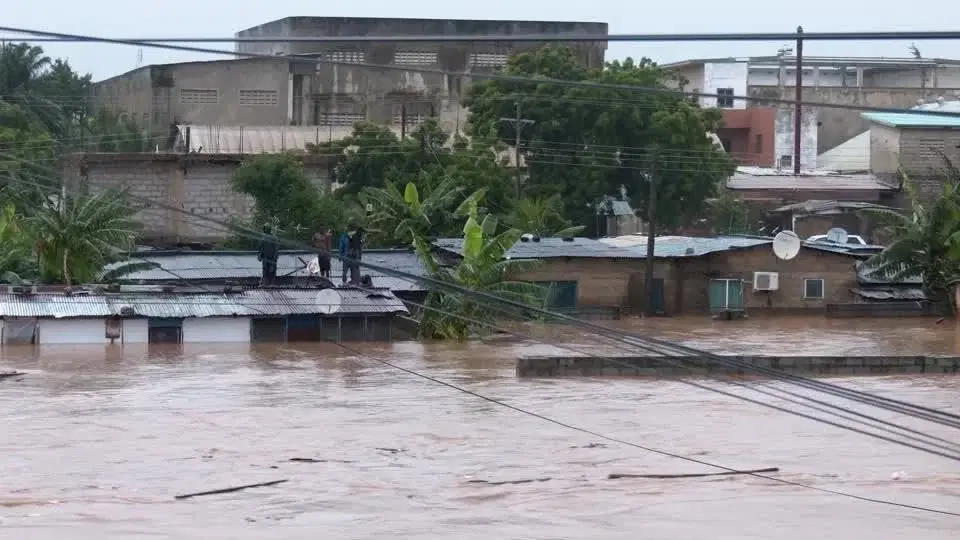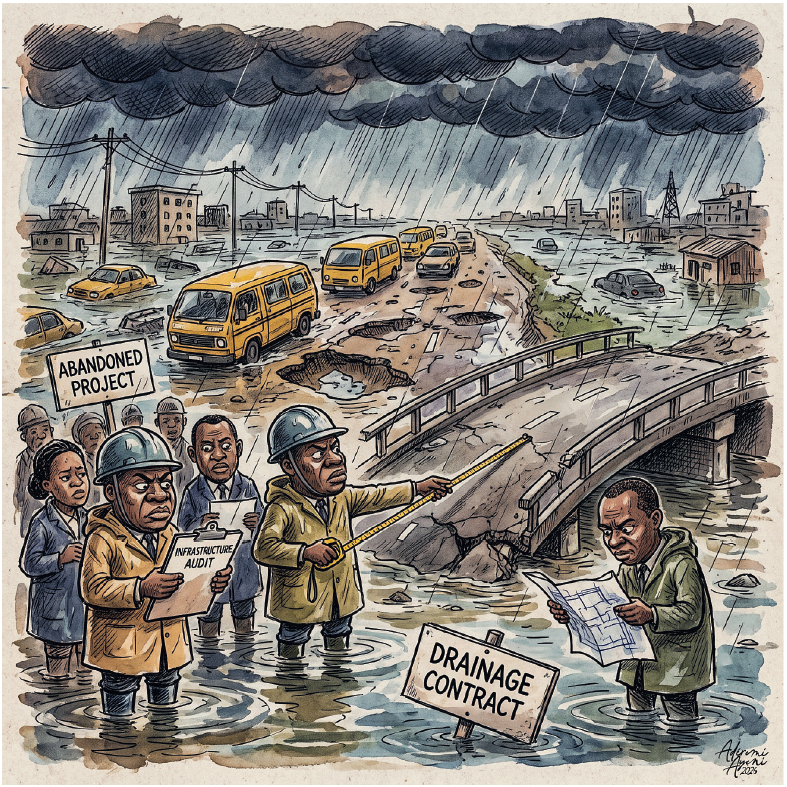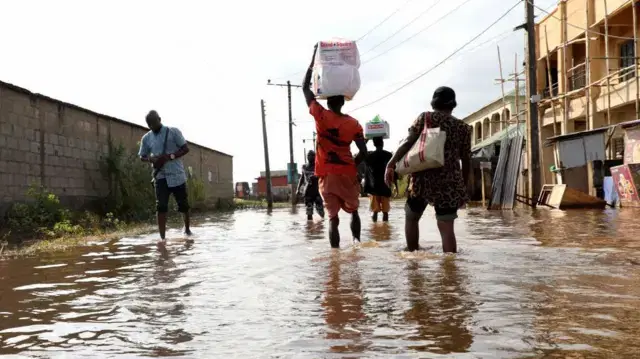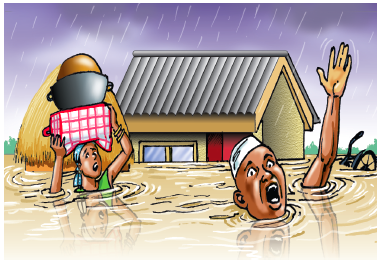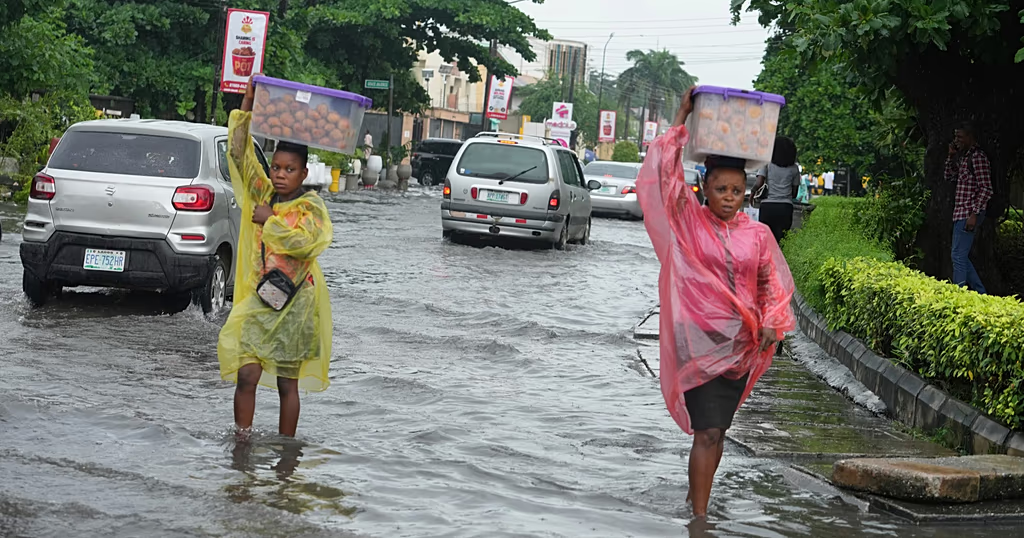
It has become a familiar ritual and, of course, an annual nightmare of sorts across Nigerian cities. Dark clouds gather and the rain begins. What ought to bring relief in the form of cooler weather and fresh air instead sends anxiety through communities. Motorists scramble for higher ground, commuters abandon vehicles, businesses shut their doors, and social media fills with videos of submerged roads, stranded families and floating cars. Within hours, another “disaster” is trending. Yet the real tragedy is that none of it is surprising or new. It happens every year.
One would have expected that by now, governments at all levels would have learnt from previous experiences and taken proactive measures to minimise the annual ordeal. Sadly, each rainy season seems to catch both the authorities and many residents unprepared, despite the fact that the warning signs have become as predictable as the rains themselves.
Why should an ordinary act of nature become an annual national emergency? Rain is natural, while disasters are largely man-made. It is evident that some countries with far heavier rainfall do not grind to a halt simply because the heavens opened. Rain, in itself, rarely kills. The destruction is often caused by poor planning, blocked drainage systems, weak institutions and a culture of negligence. Rain is an act of God; disasters are often acts of human negligence.