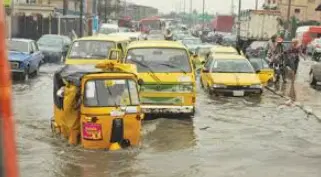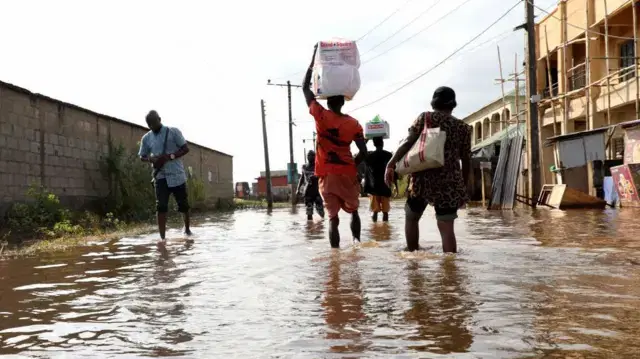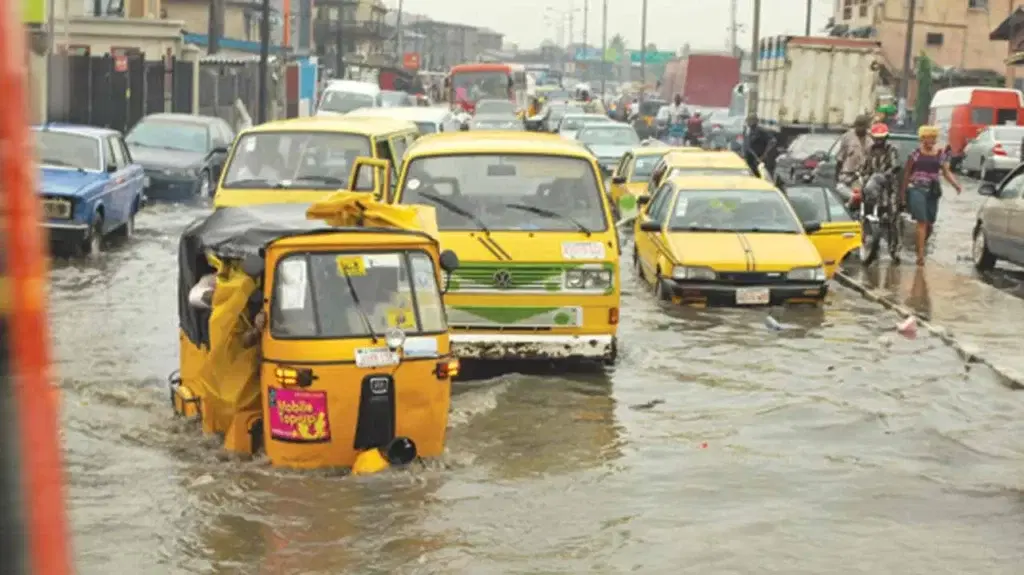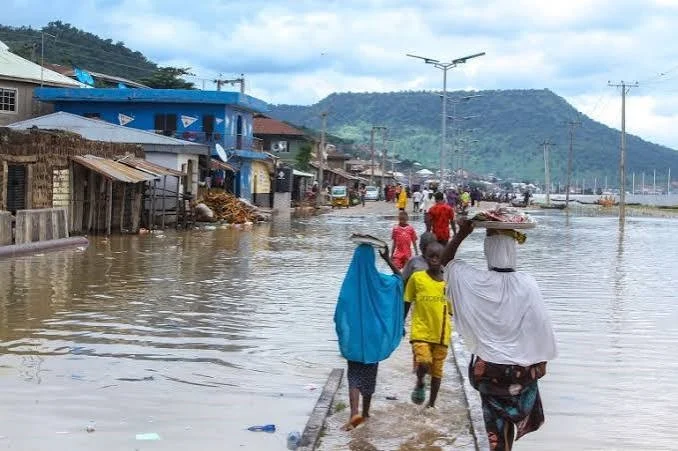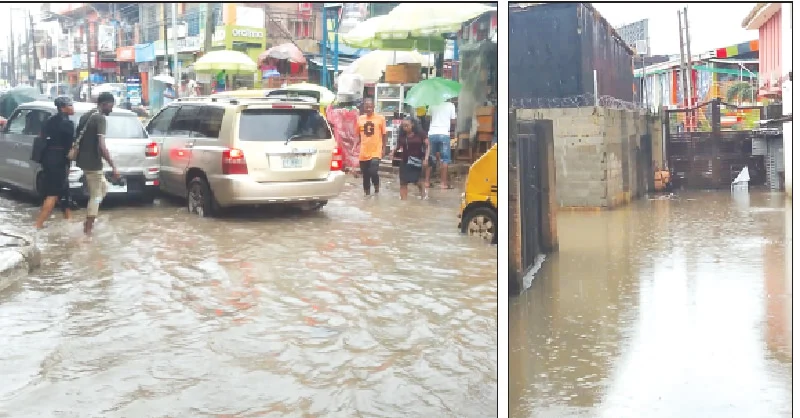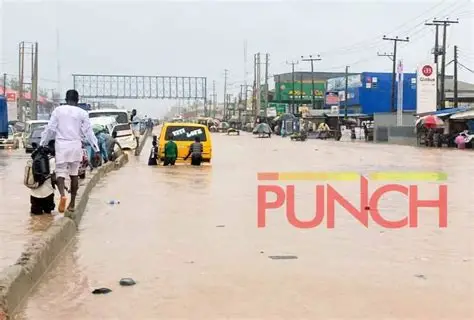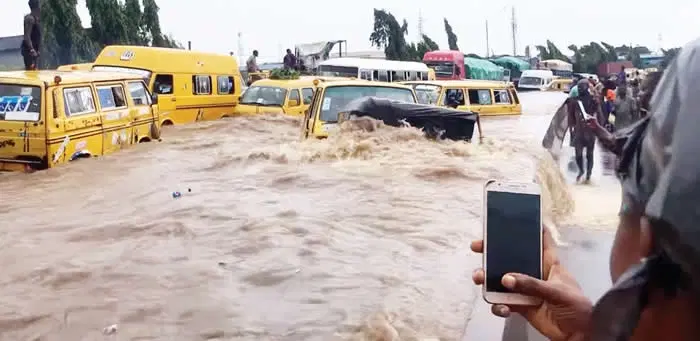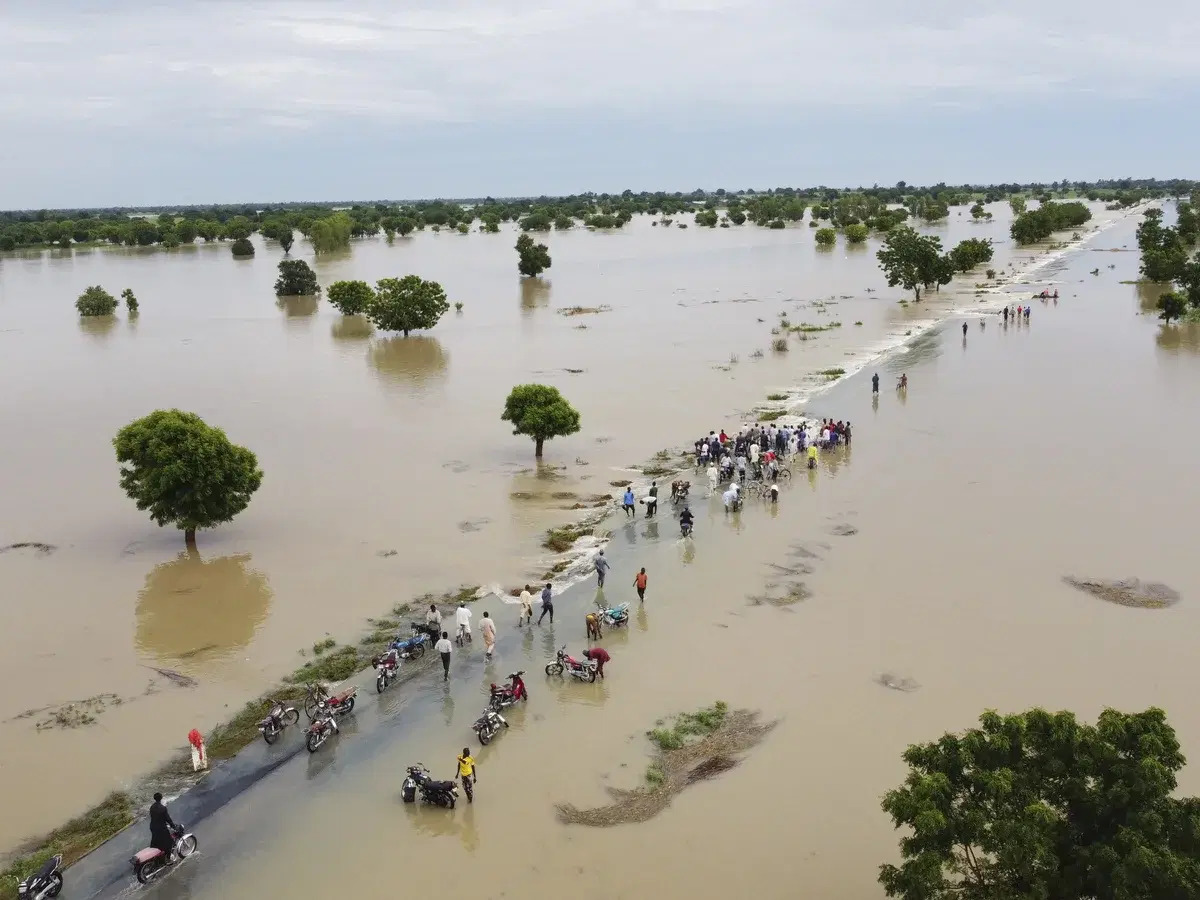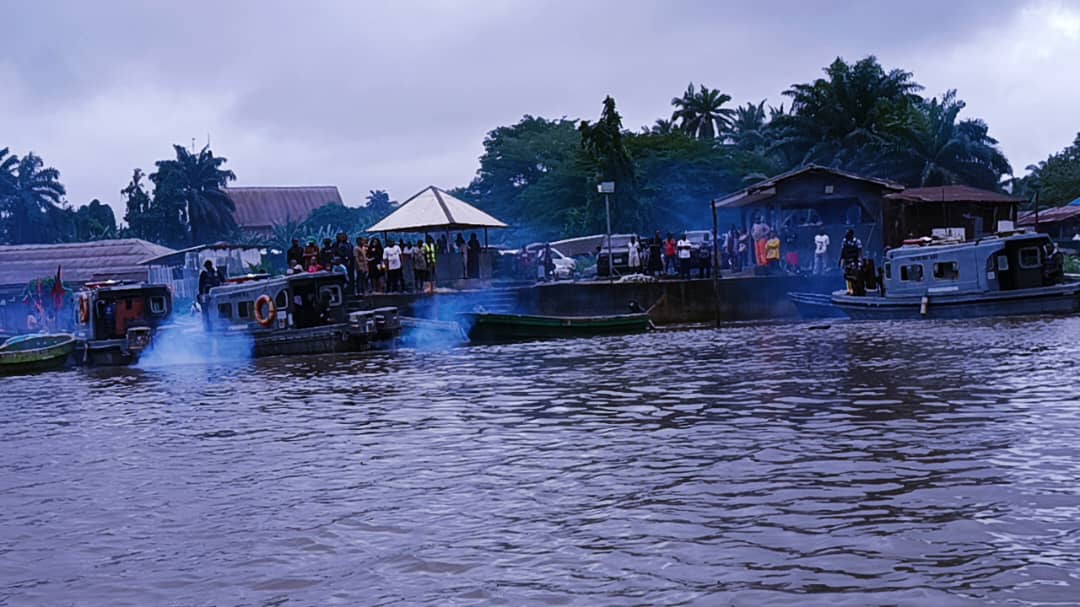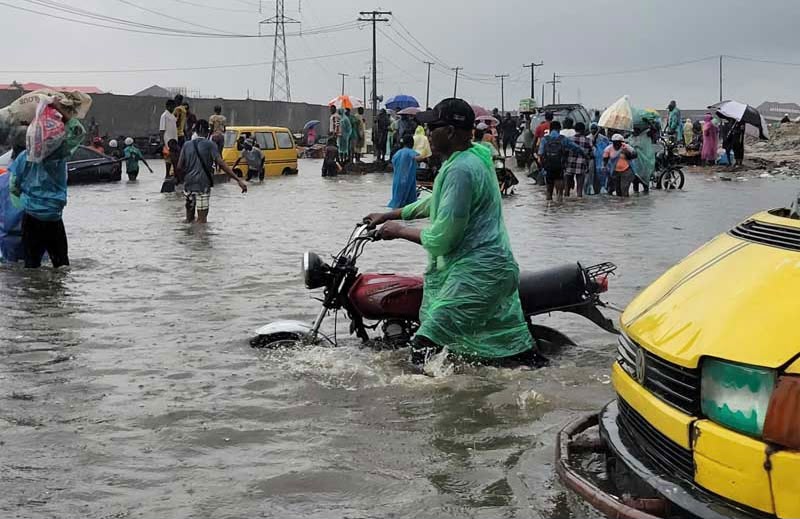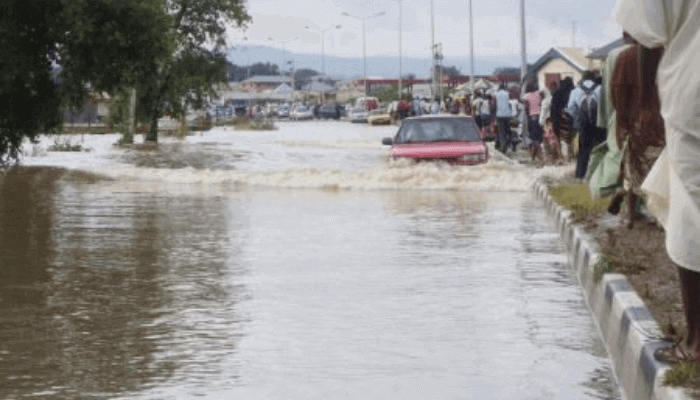
Across Nigeria’s commercial capital, Lagos State, on Tuesday, floodwaters swallowed roads, trapped commuters in hours-long traffic, submerged homes and shops, disrupted businesses, shut schools and even forced flight operations to be relocated at the airport, in what residents described as one of the city’s worst flooding episodes in recent years.
From Lekki, Agungi, Ajah and Ajiran on the Island to Oshodi, Ikotun, Gbagada, Maryland, Ogudu, Ikeja, Ikorodu and Alakija on the Mainland, Lagos was brought to a standstill as streets turned into rivers and residents struggled to salvage belongings from rising waters.
For many Lagosians, the latest floods are no longer viewed as isolated weather events but as evidence of a city caught in a recurring cycle of inadequate drainage infrastructure, poor urban planning, indiscriminate waste disposal and increasingly extreme weather driven by climate change.
A city drowning despite repeated warnings
Lagos has battled seasonal flooding for decades. As a coastal megacity sitting barely 1.5 metres above sea level, the state experiences recurrent flooding during its two annual rainy seasons between April and July and September and October. But what was once an occasional disruption has gradually evolved into a multi-billion-dollar economic challenge.