All stakeholders must do more to minimise the damage
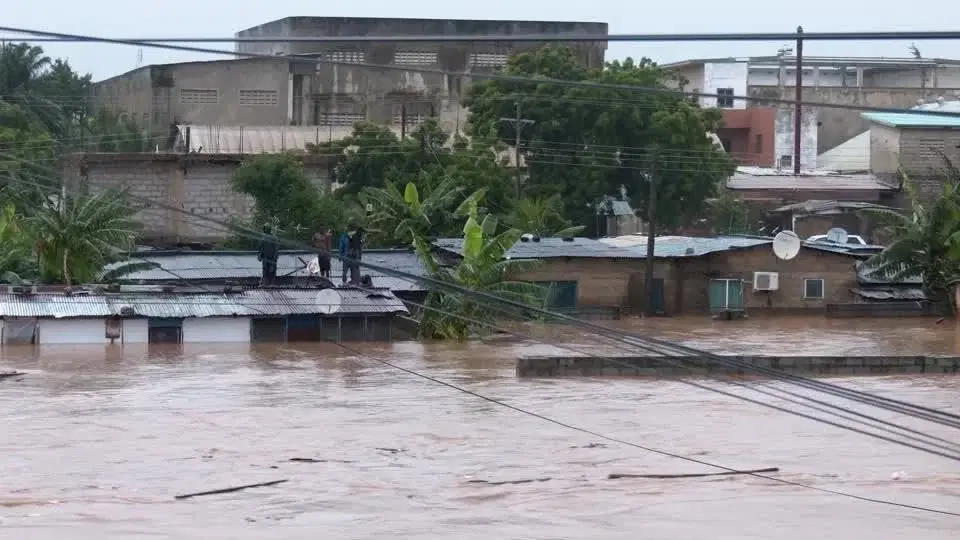
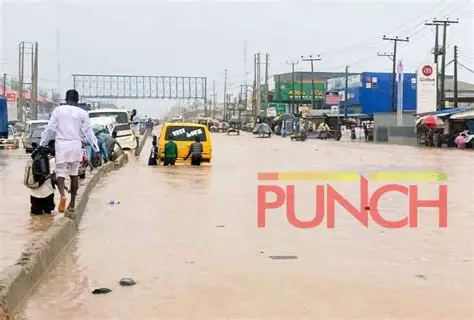
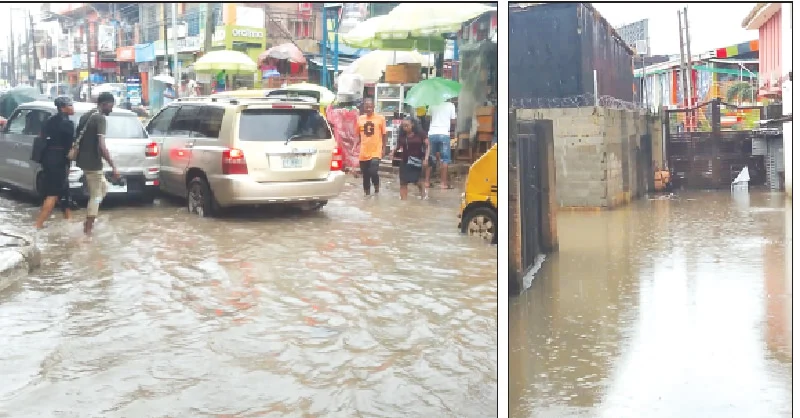
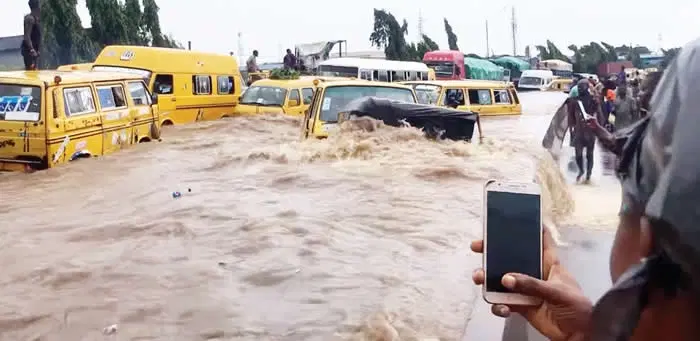
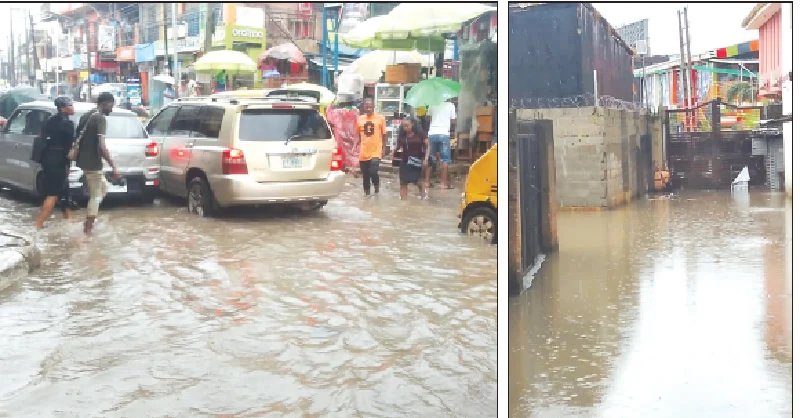
Torrential rains are creating an unfortunate potential of avoidable deaths and destruction of property due to a lack of mitigation planning. And without immediate adaptation measures, many Nigerians are now being plunged into further misery. A video clip being circulated on social media shows a man being swept away by flood at the Ikotun market, located in a suburb of Lagos. Nigerians must begin to imbibe the correct attitude to waste disposal because flooding in some of our major cities cannot be solely explained by the factor of nature. The habit of the people plays a crucial role in what has been happening over the years anytime it rains. Most of the drains are blocked due to the indiscriminate throwing on the roads and drainages, disposable empty cans, and pure water nylons, among others.
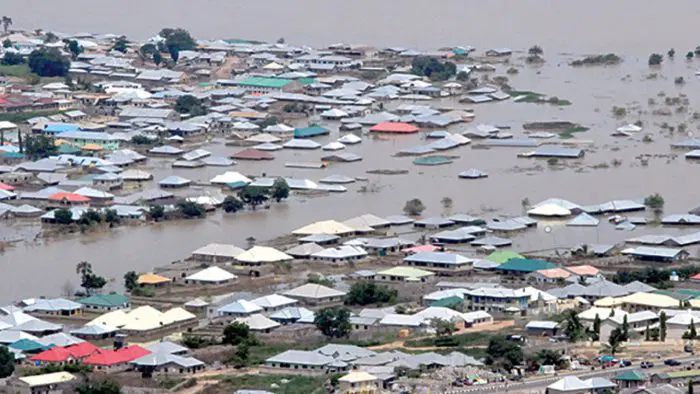
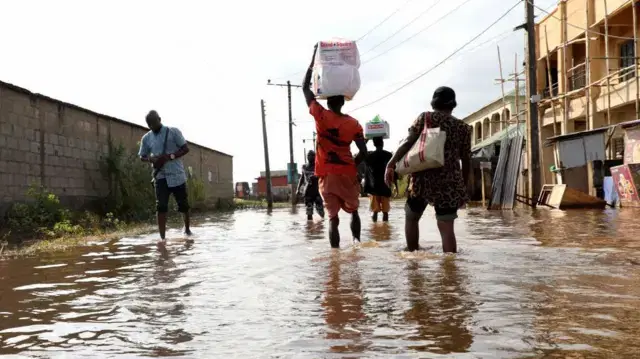
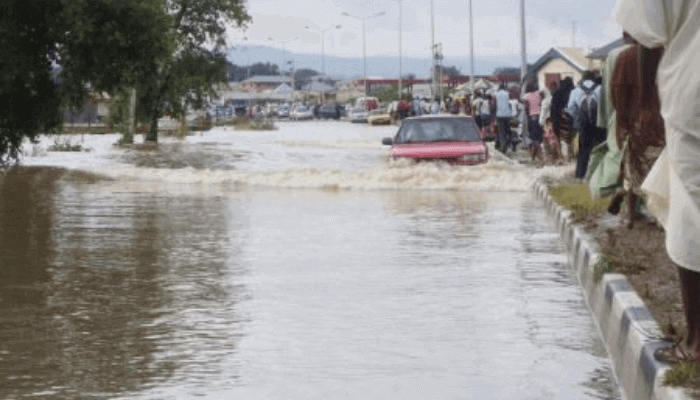
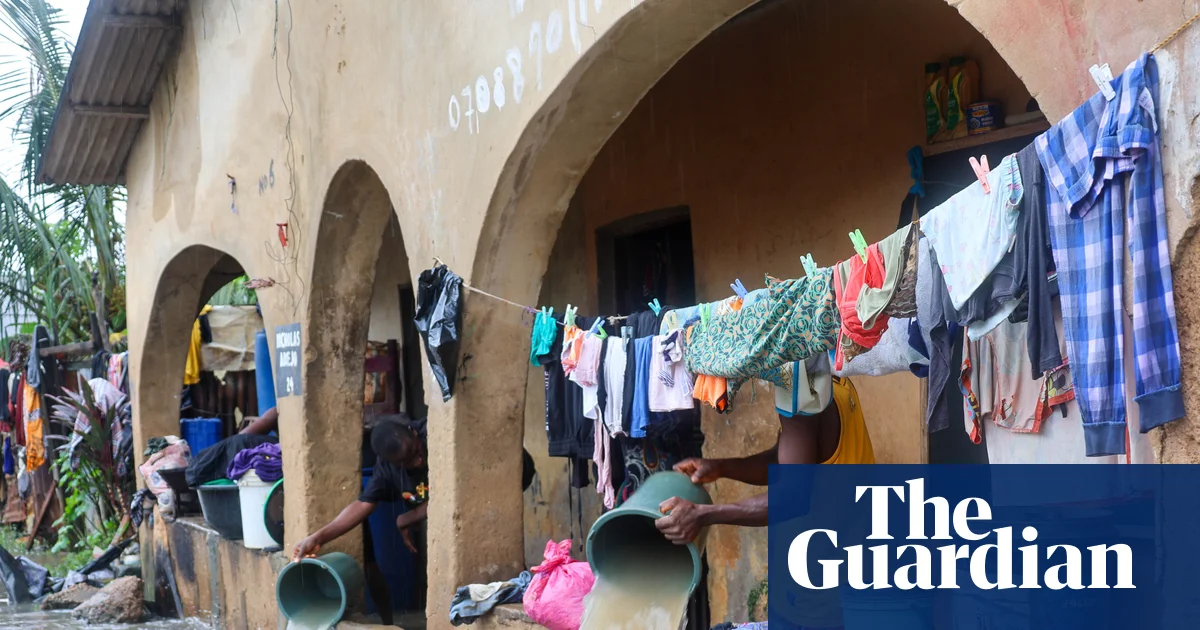
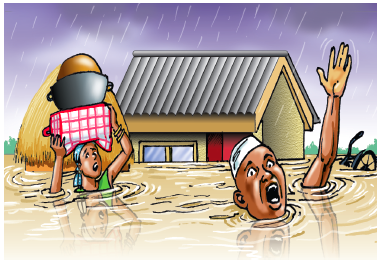
From the north to the south across Nigeria today, there are unending stories of anguish thrown up by submerged homes and vehicles in many communities and settlements. The real challenge is that the authorities responsible for mitigating the impact of floods seem to have no actionable plans. Yet, on 25 June, Vice President Kashim Shettima directed a shift from reactive response to proactive preparedness, saying the direction of the administration leaves no room for ambiguity in combating flood and other climate-related disasters. According to Shettima, preparedness, coordination, and early action must become the standard practice of how risk is governed in the country. But words are cheap.