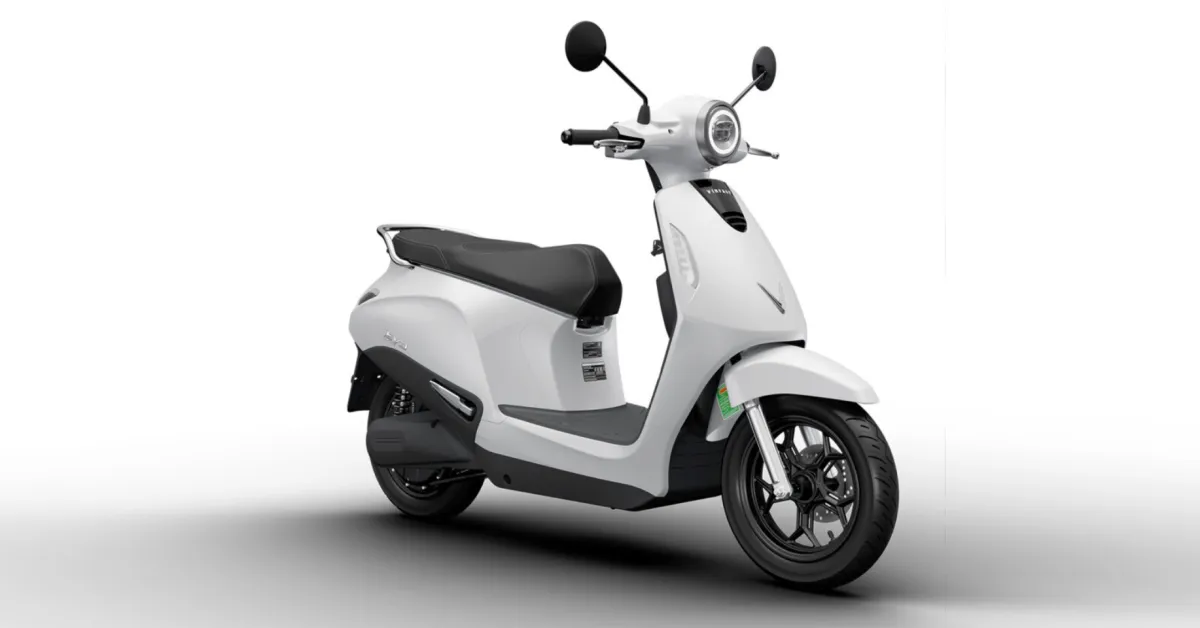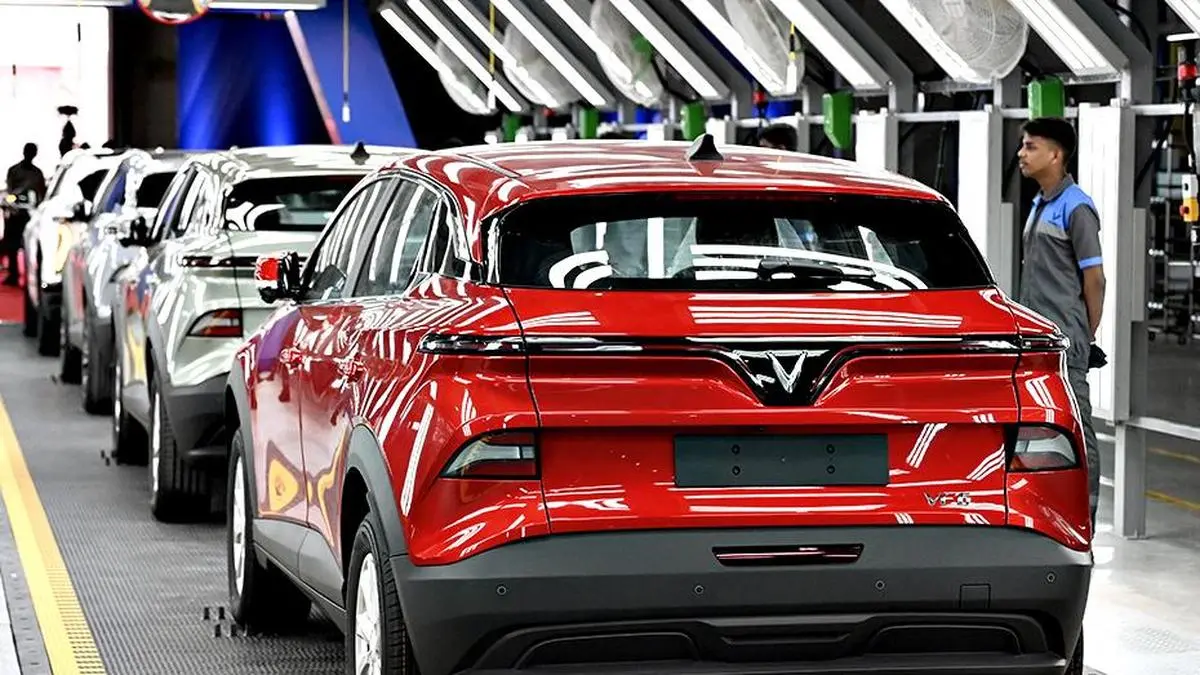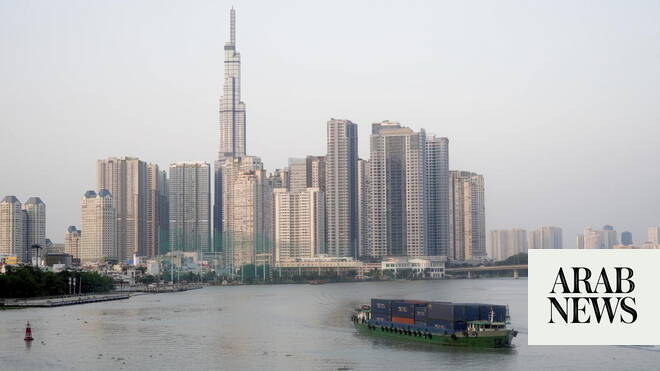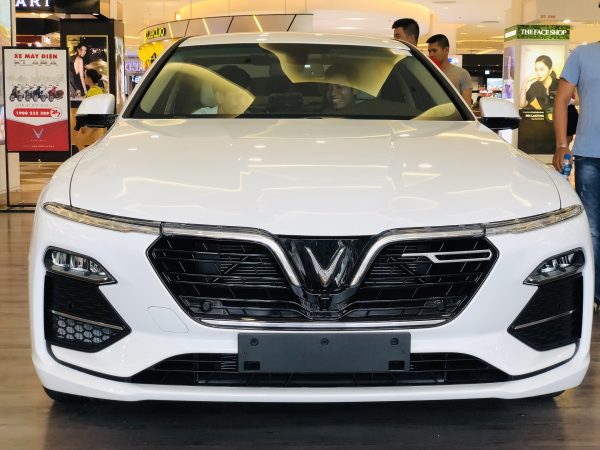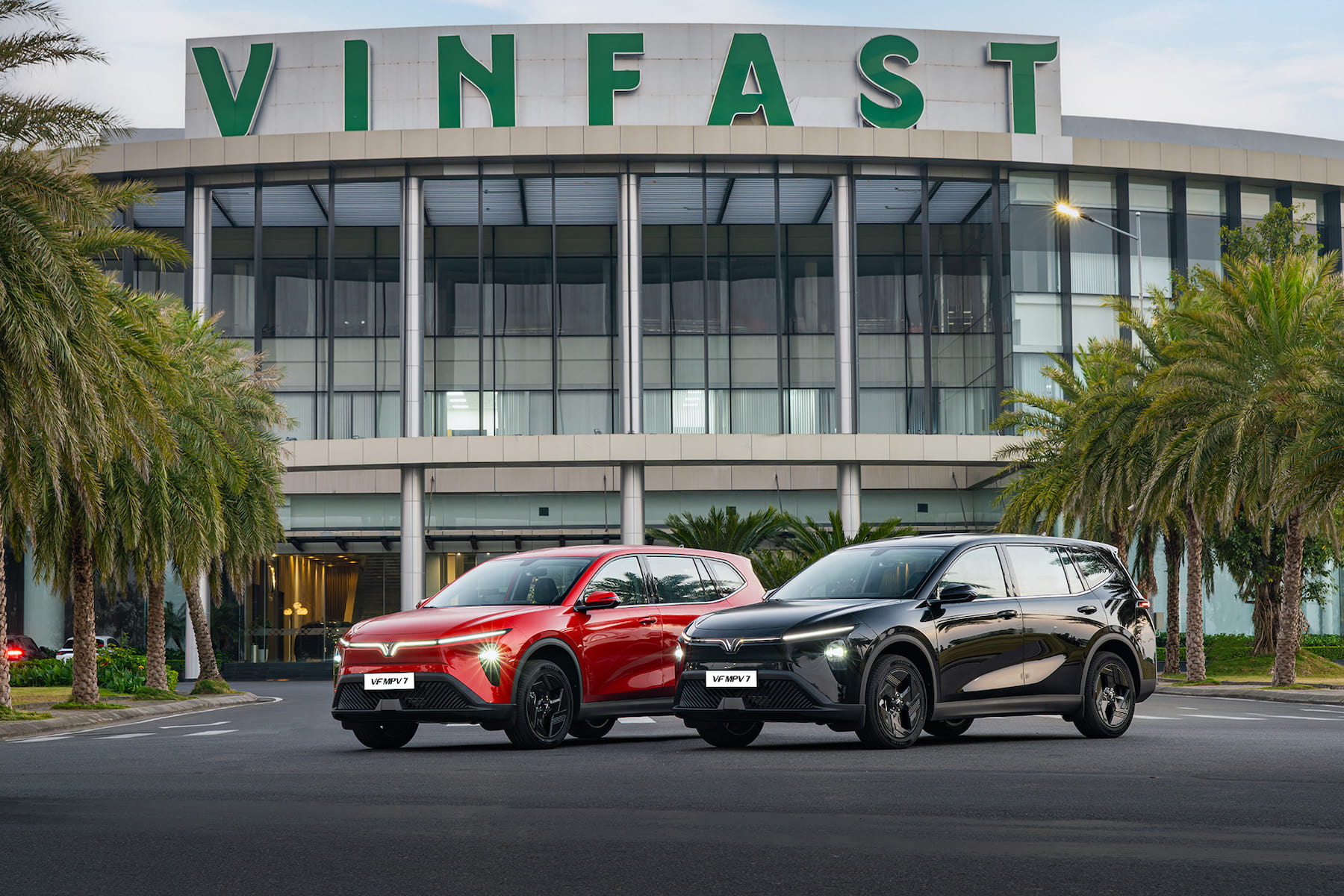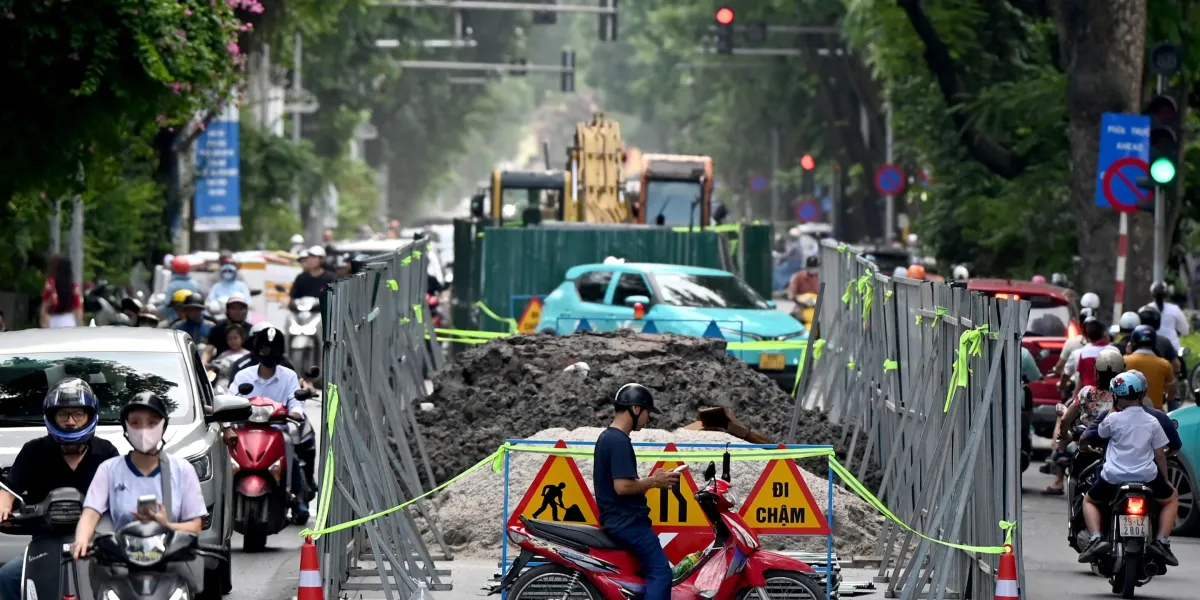
Hail a taxi in Vietnam’s busy Ho Chi Minh City, and you may be surprised to be picked up by a cyan-colored, modern-looking EV. Unlike the motorcycles and scooters that dominated the city’s streets for years, these electric taxis are both comfortable and homegrown; they’re made by VinFast, an ambitious (and expensive) project by Vingroup—one of Vietnam’s largest privately owned companies—that aims to turn the Southeast Asian country into a car manufacturer.
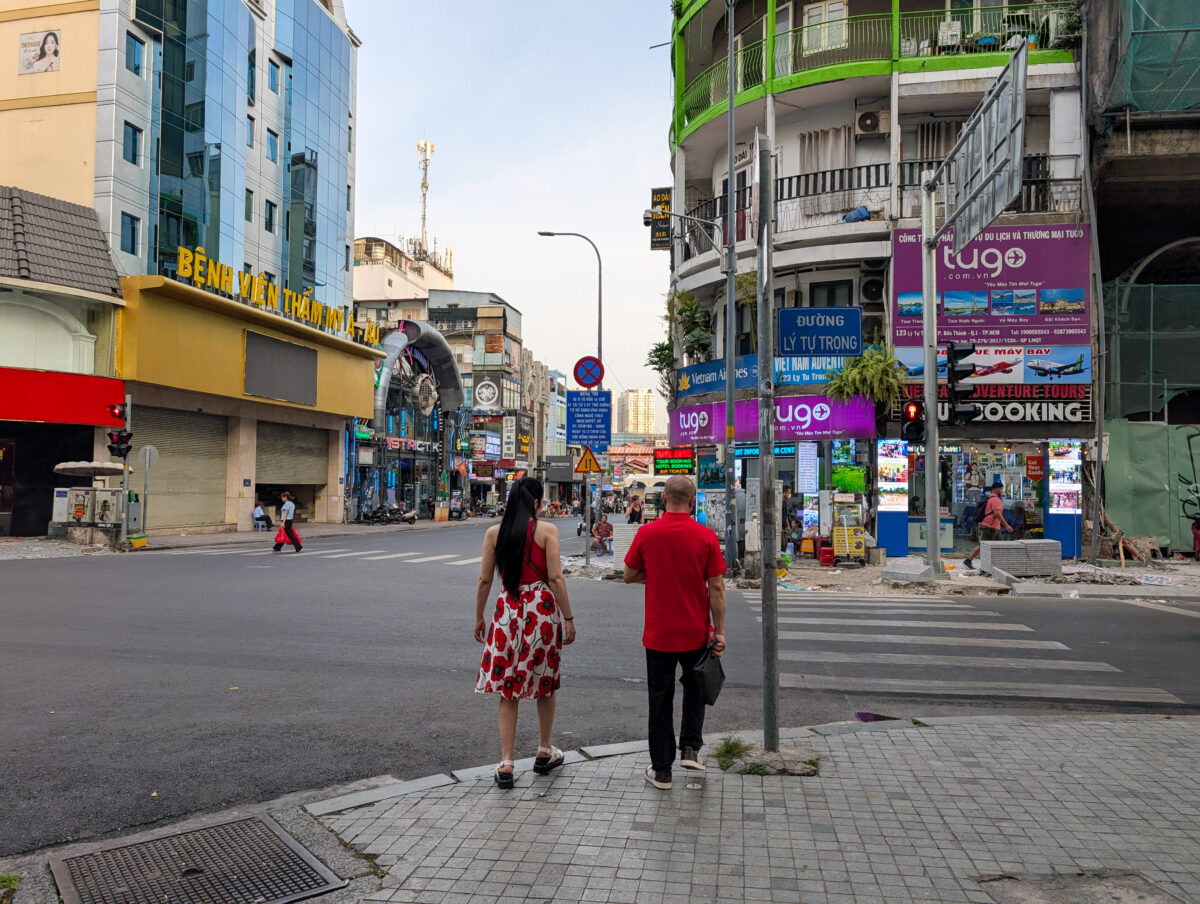
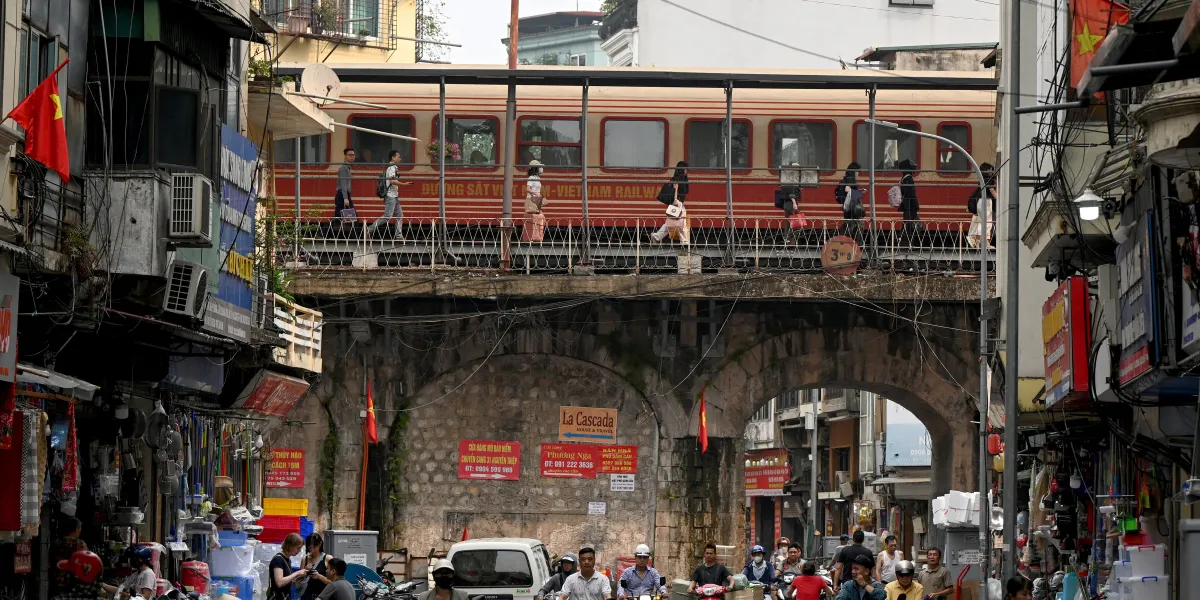
It’s not the only indicator of change on Vietnam’s city streets. Fancy Western-style coffee shops, luxury hotels, and high-end consumer brands dot Ho Chi Minh City, even as many Vietnamese continue to eat their lunch on plastic stools in hole-in-the-wall eateries right next door.
It’s the kind of vibe that’s only found in a country that’s growing—and growing quickly. And it’s not just the consumer economy. Manufacturing, real estate, infrastructure, and tourism are all expanding. “You license a project in six months, you build it in 12,” says Michael Piro, co-CEO of Indochina Capital and an investor in industrial real estate. “It’s so easy. I’ve never seen, in my 20-year career, an opportunity like this.”
Vietnam’s economy grew by 8% last year, almost double the rate recorded across the rest of Southeast Asia. (Malaysia, at 5%, was in second place.) With a GDP of $527 billion, Vietnam’s economy has already overtaken Malaysia and the Philippines, and is quickly catching up to Thailand. The VN-Index, the country’s benchmark stock index, has climbed more than 35% over the past 12 months. And this September, FTSE Russell will upgrade Vietnam to secondary emerging-market status, which could unlock billions of dollars in passive fund flows.