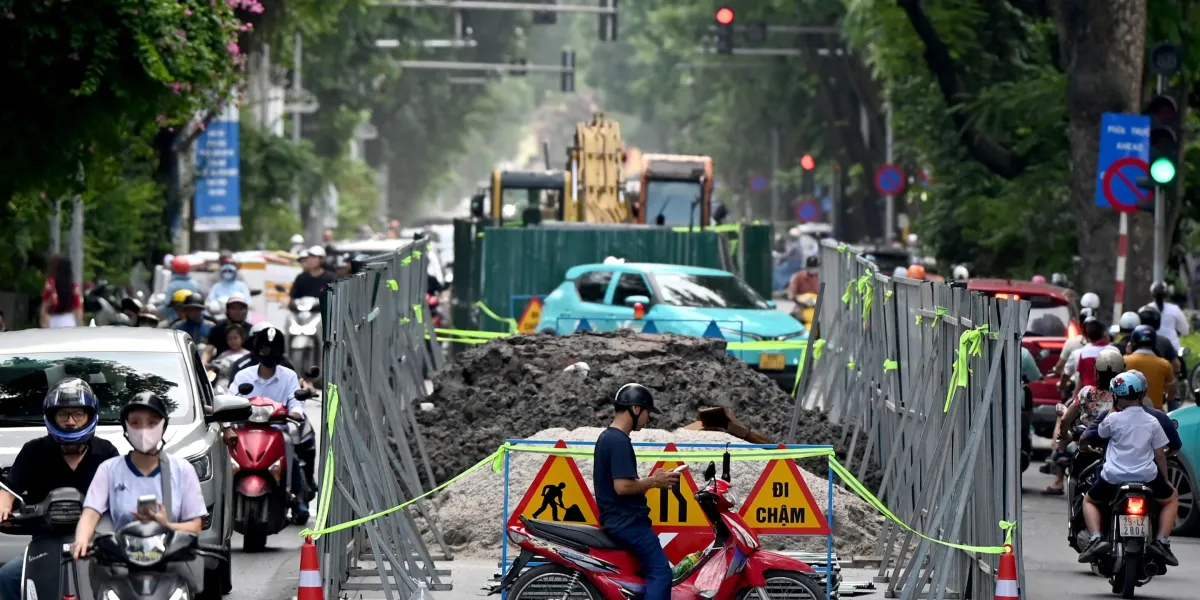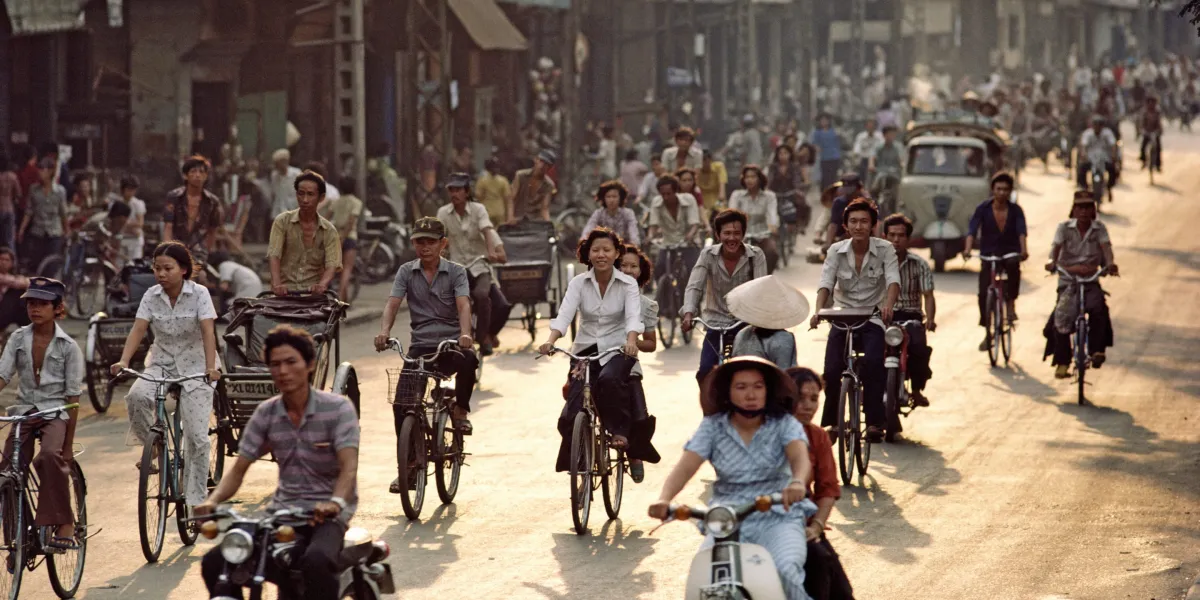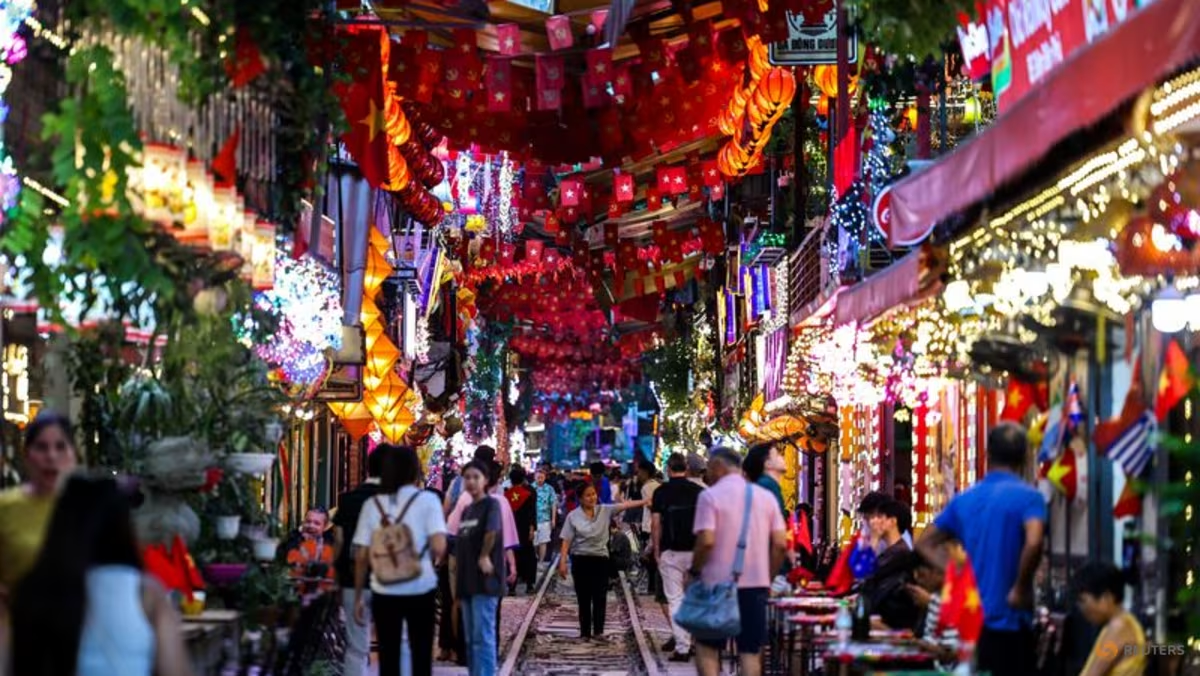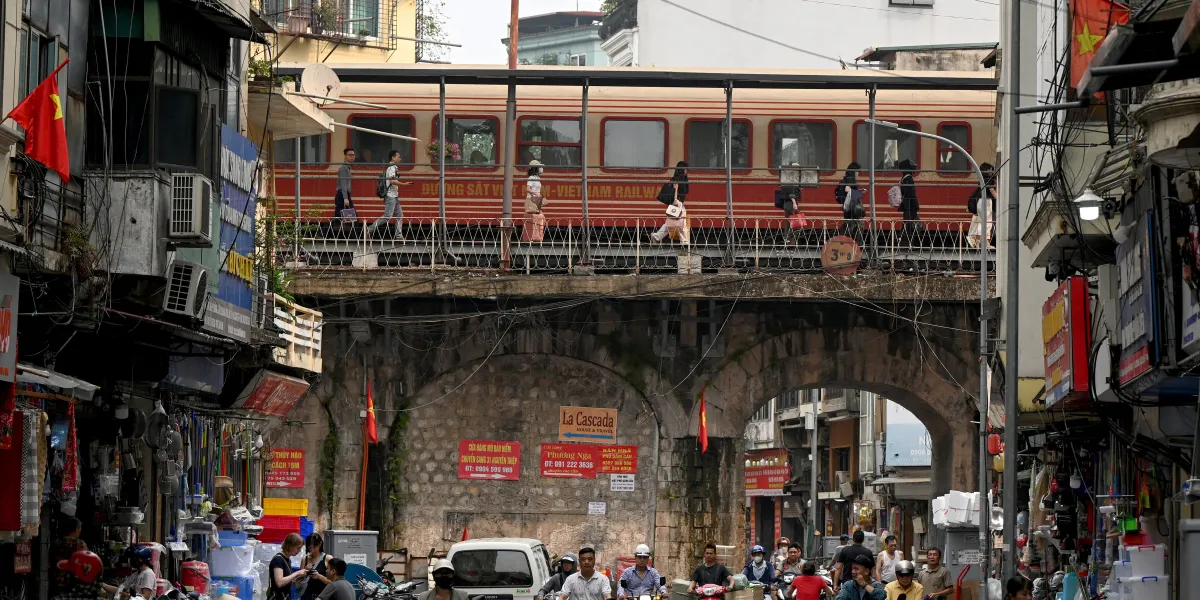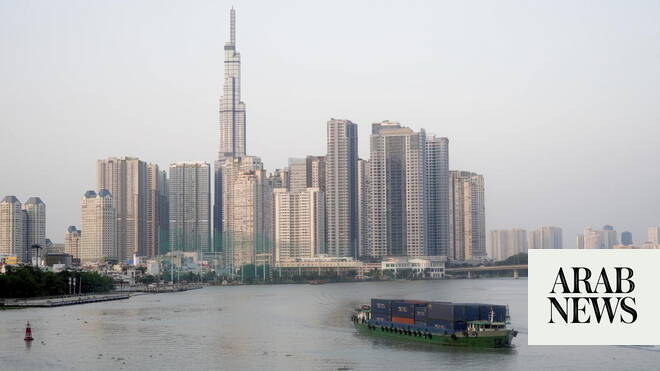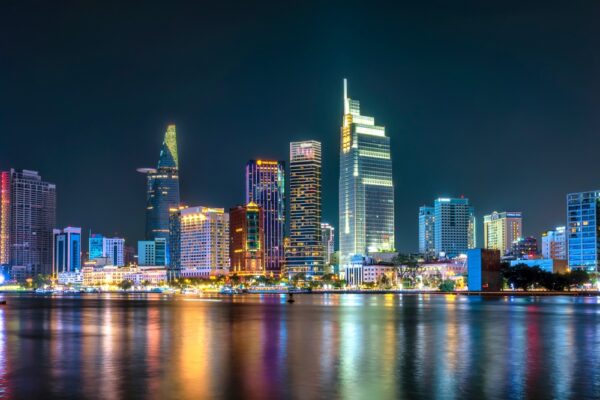
2026 marks the 40th anniversary of Doi Moi, Vietnam’s post-war comprehensive market reform program and the beginning of the country’s new path to development. After four decades of high economic growth and with the goal of becoming a developed country by 2045, Hanoi is navigating a period of transformation that carries both the promise of prosperity and the potential for formidable risk.
Overseeing this transformation is To Lam, who was first elected as General Secretary of the Communist Party of Vietnam in August 2024, re-elected in January 2026 and appointed as President in April 2026. Lam entered his second term on the back of remarkable economic performance in 2025, with Vietnam’s GDP growth reached slightly more than 8 per cent and its economy reached US$514 billion, placing it within the rank of upper middle-income countries.
This set the case for optimism within the 14th National Party Congress, held in January 2026, which laid out Vietnam’s development vision and targets for 2026–30. An April 2026 National Assembly resolution set an average annual GDP growth target at 10 per cent through to 2030 and the February 2026 14th National Party Congress resolution laid out the goal for income per capita to reach US$8500 within the same period. These targets, while ambitious, are backed by Vietnam’s young population, export-led growth model and integration into global supply chains and also being accelerated by the ‘China plus one’ diversification trend among multinational manufacturers.