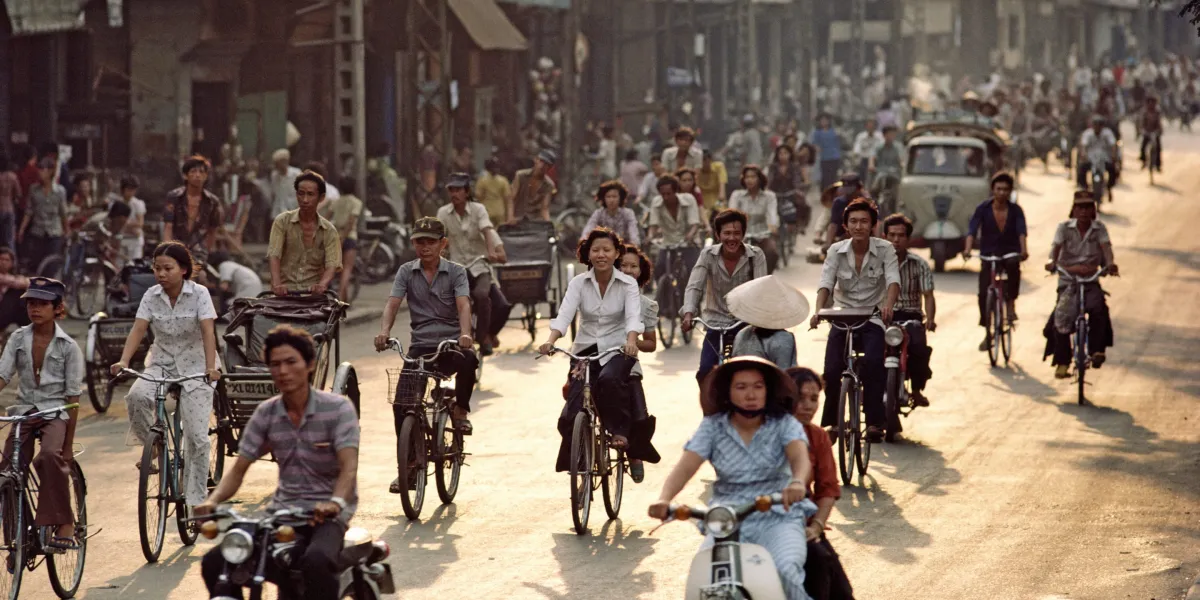
“Thirteen years after a North Vietnamese tank rolled through the gates of Saigon’s Independence Palace, Vietnam’s Communist rulers are openly waving the economic equivalent of a white flag,” Fortune’s Colin Leinster wrote in 1988.
This “white flag” was Doi Moi, a series of reforms in Vietnam that allowed foreign investment and private ownership in the centrally planned economy. “In a historic reversal of dogma, Party General Secretary Nguyen Van Linh, 74, has begun acknowledging that a strong dose of capitalism is essential to revive Vietnam’s moribund economy,” Leinster wrote.
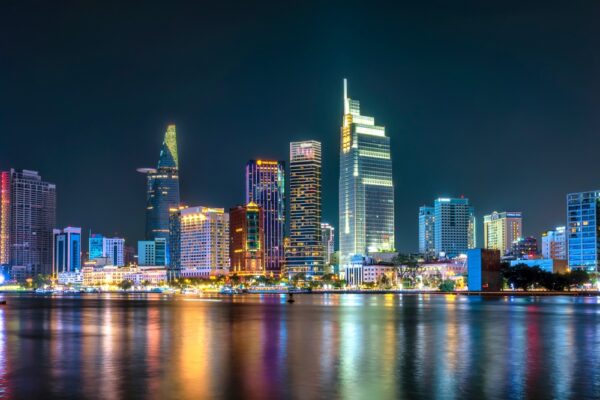
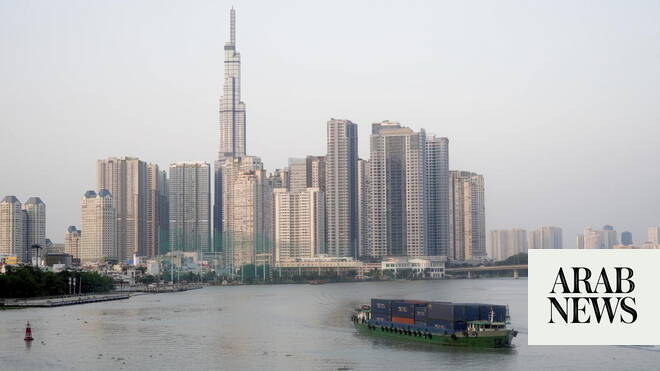
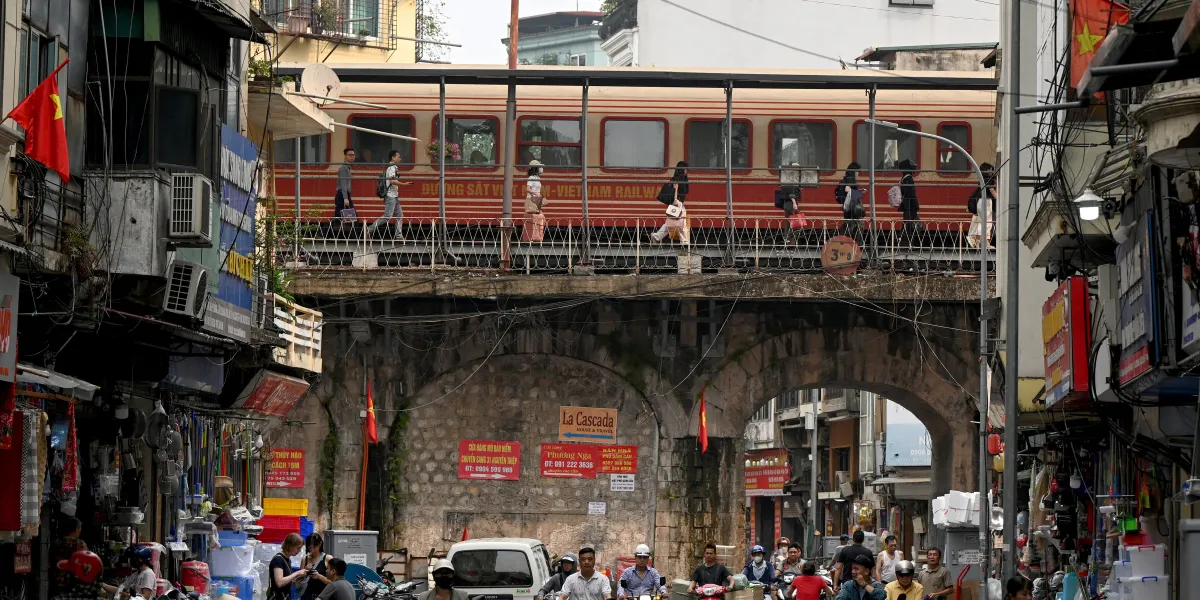
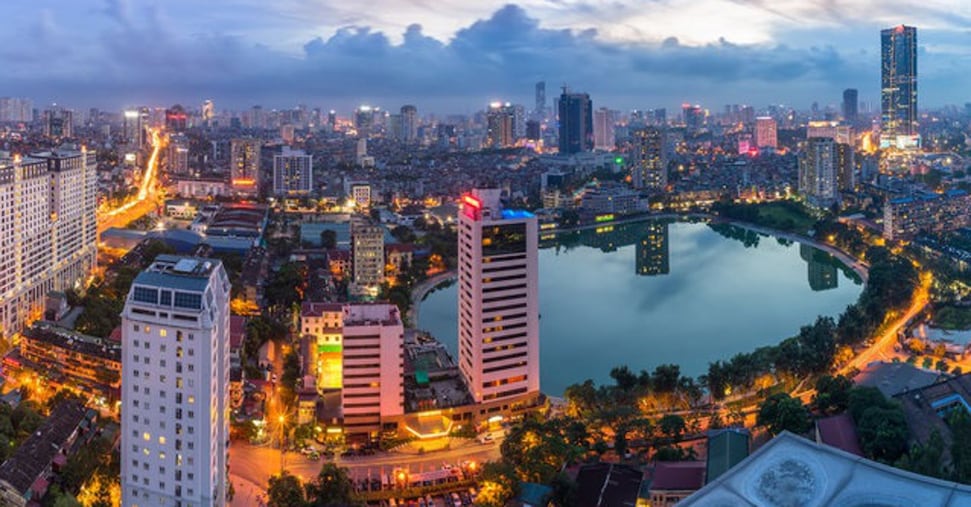
Forty years after Doi Moi, Vietnam is now Southeast Asia’s most exciting economy. The country has slotted itself into global supply chains, with Vietnamese factories churning out electronics, apparel, and other goods bound for Western markets. Chinese, Korean, and Japanese companies are pouring money into the country. And it’s not just manufacturing: Vietnam is becoming both a tourist hotspot and a budding pop culture hub.
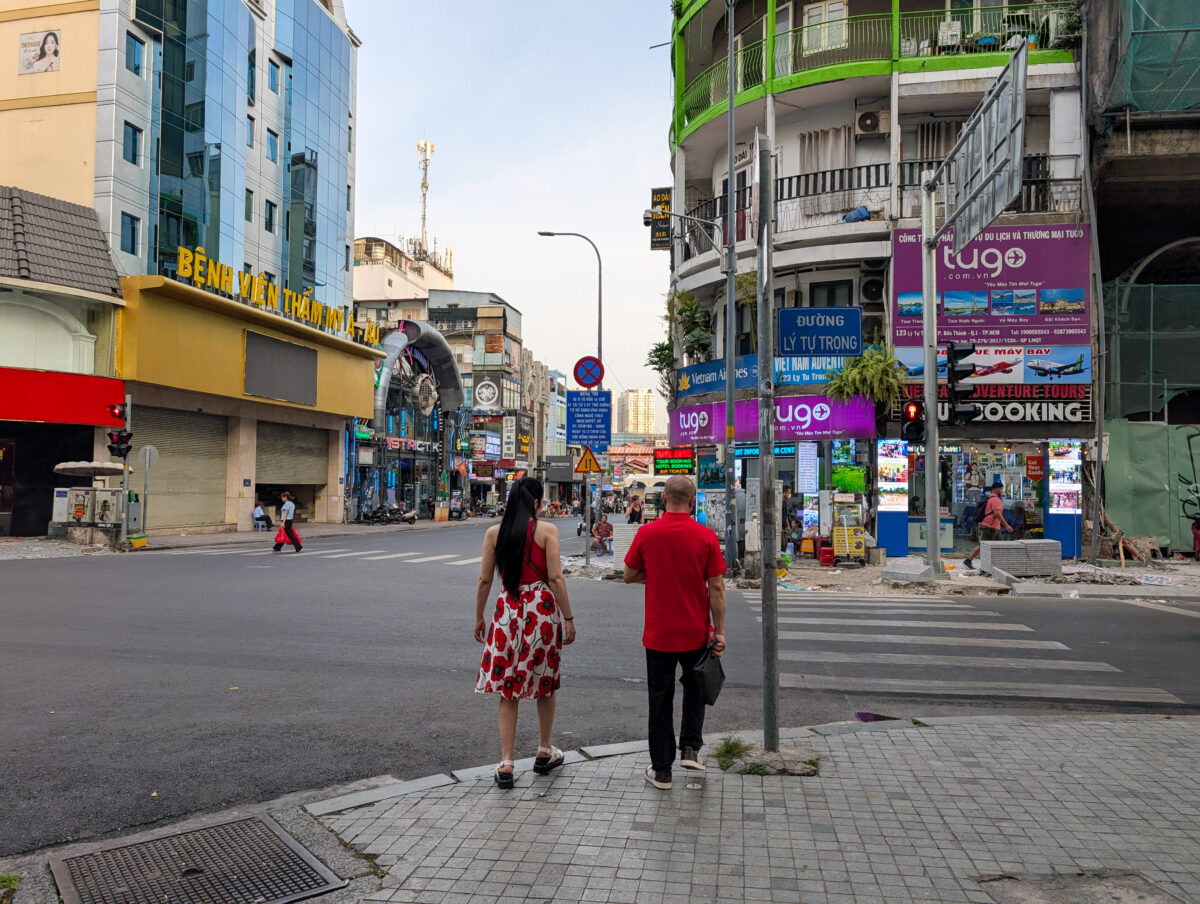
Doi Moi played a big part in that, REE Corporation chair Nguyen Thi Mai Thanh told me recently when I was in Ho Chi Minh City to report on the nation’s resurgence. “The fundamental problem was simple: Goods were scarce while money kept being printed,” she explained. “Doi Moi was like a fresh wind blowing into the Vietnamese economy.” (Nguyen’s REE Corporation became the first state-owned enterprise to privatize, and later the first to publicly list.)