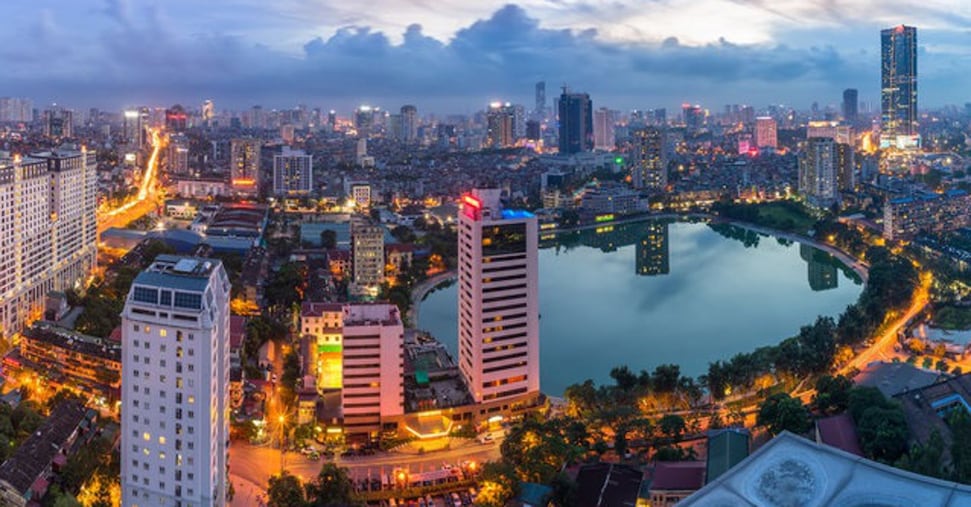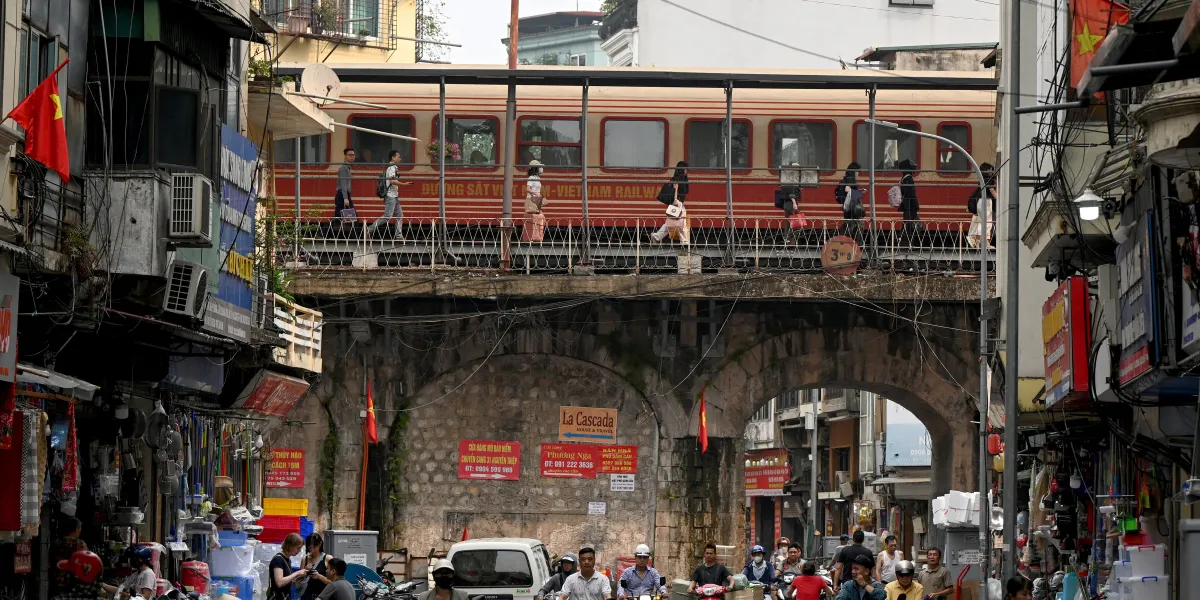
HANOI: Beneath red banners and a gold bust of revolutionary leader Ho Chi Minh in Hanoi’s central party school, Communist Party chief To Lam declared the arrival of “a new era of development” late last year. The speech was more than symbolic— it signaled the launch of what could be Vietnam’s most ambitious economic overhaul in decades.
Vietnam aims to get rich by 2045 and become Asia’s next “tiger economy” — a term used to describe the earlier ascent of countries like South Korea and Taiwan.
The challenge ahead is steep: Reconciling growth with overdue reforms, an aging population, climate risks and creaking institutions. There’s added pressure from President Donald Trump over Vietnam’s trade surplus with the US, a reflection of its astounding economic trajectory.
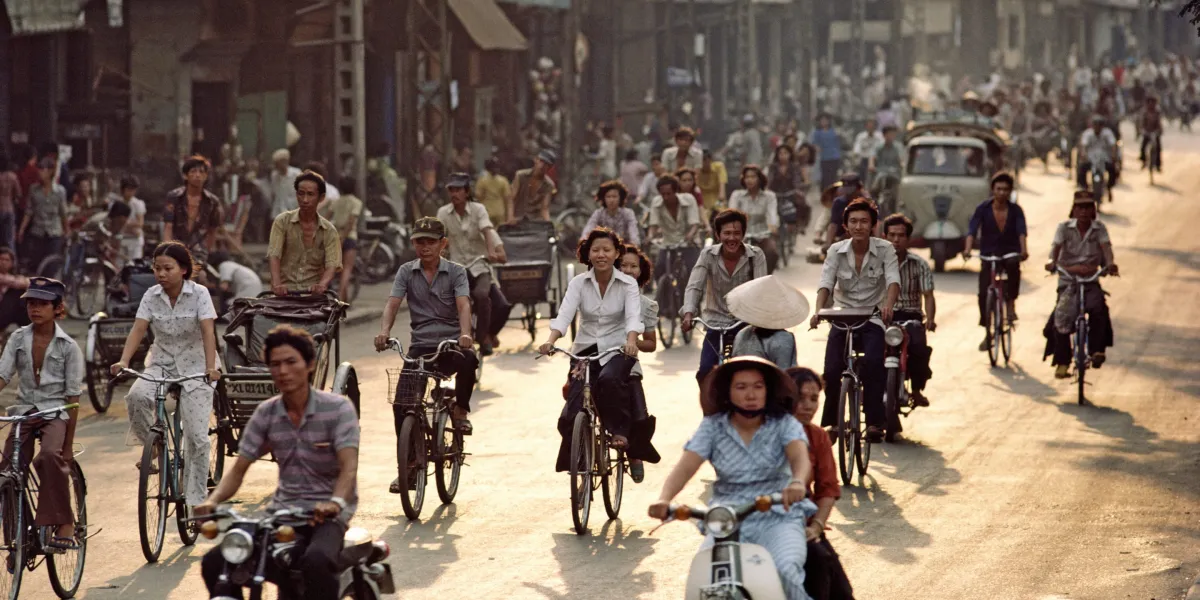
In 1990, the average Vietnamese could afford about $1,200 worth of goods and services a year, adjusted for local prices. Today, that figure has risen by more than 13 times to $16,385.
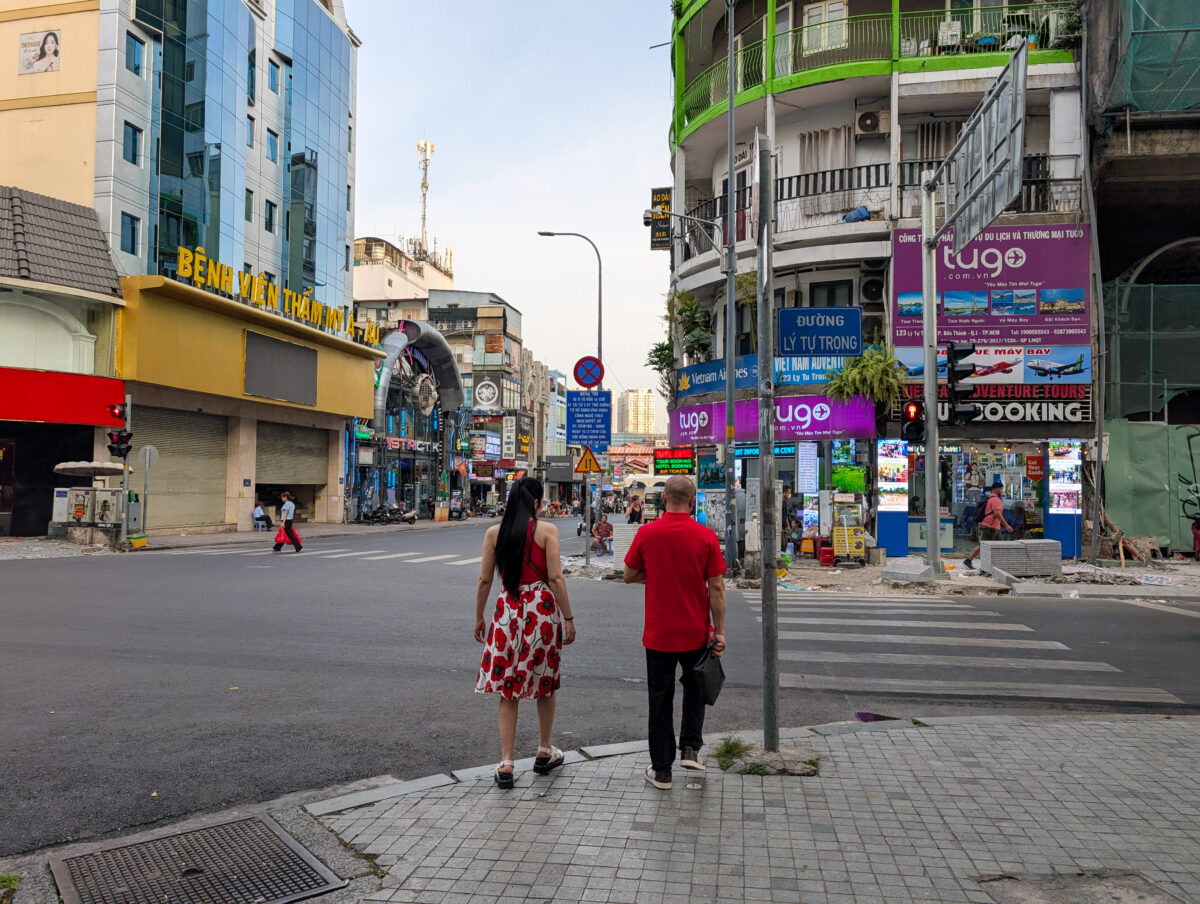
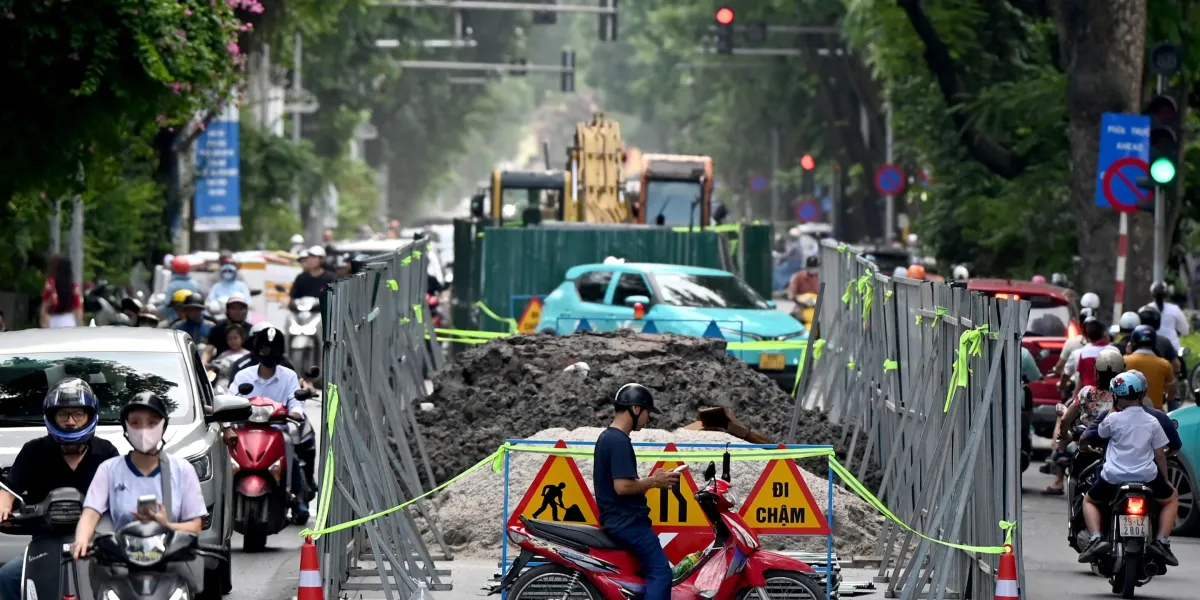
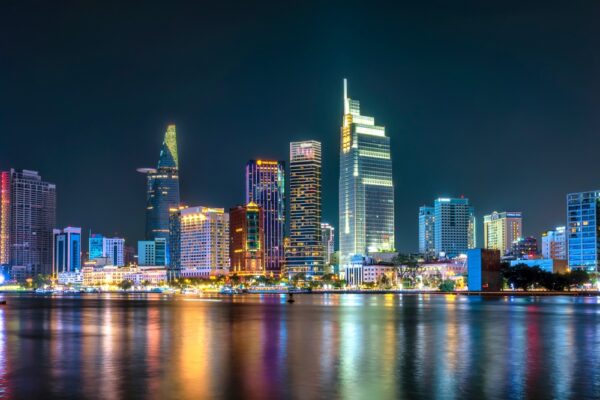
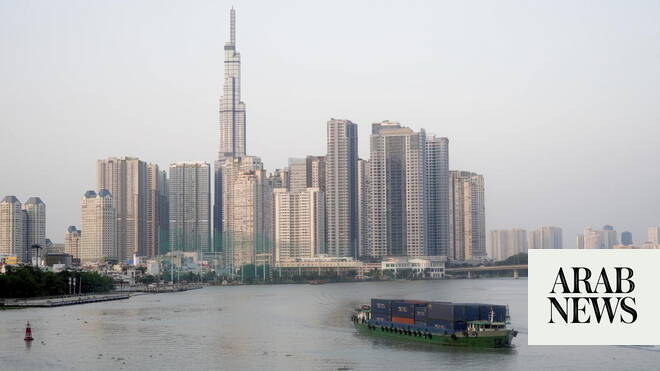
Vietnam’s transformation into a global manufacturing hub with shiny new highways, high-rise skylines and a booming middle class has lifted millions of its people from poverty, similar to China. But its low-cost, export-led boom is slowing, while the proposed reforms — expanding private industries, strengthening social protections, and investing in tech, green energy. It faces a growing obstacle in climate change.