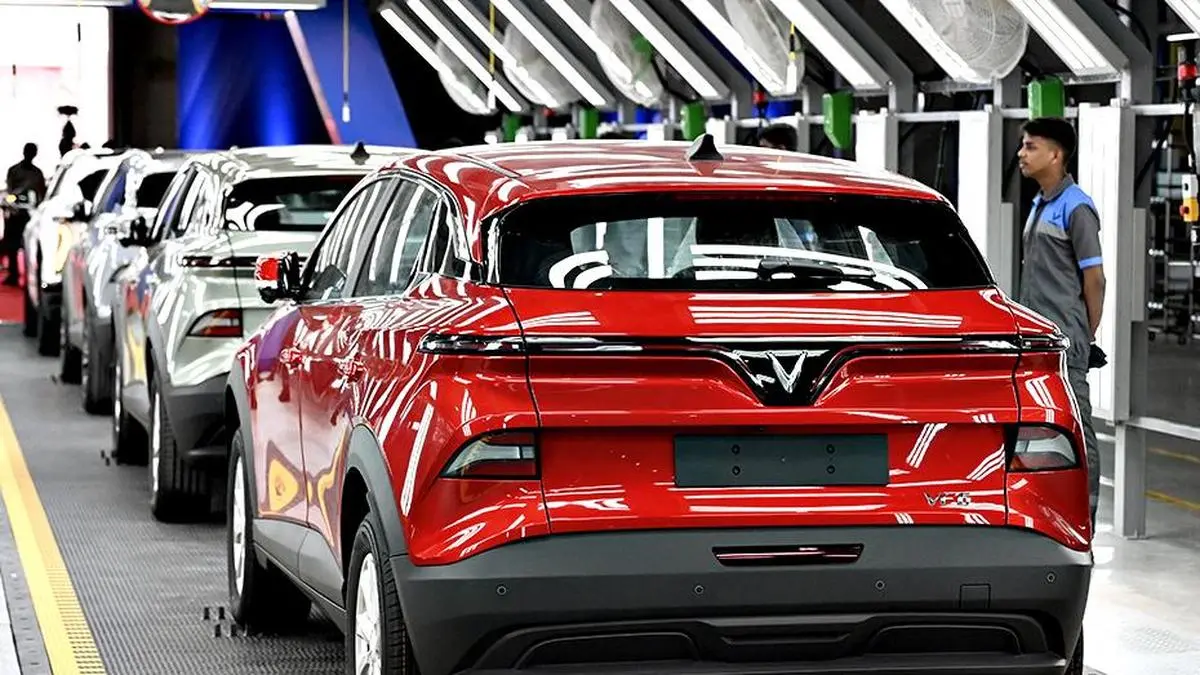
For Vinfast, India is not only intended to be just a sales market but also a manufacturing and export hub
| Photo Credit:
Gunasekar K S 10192@Chennai
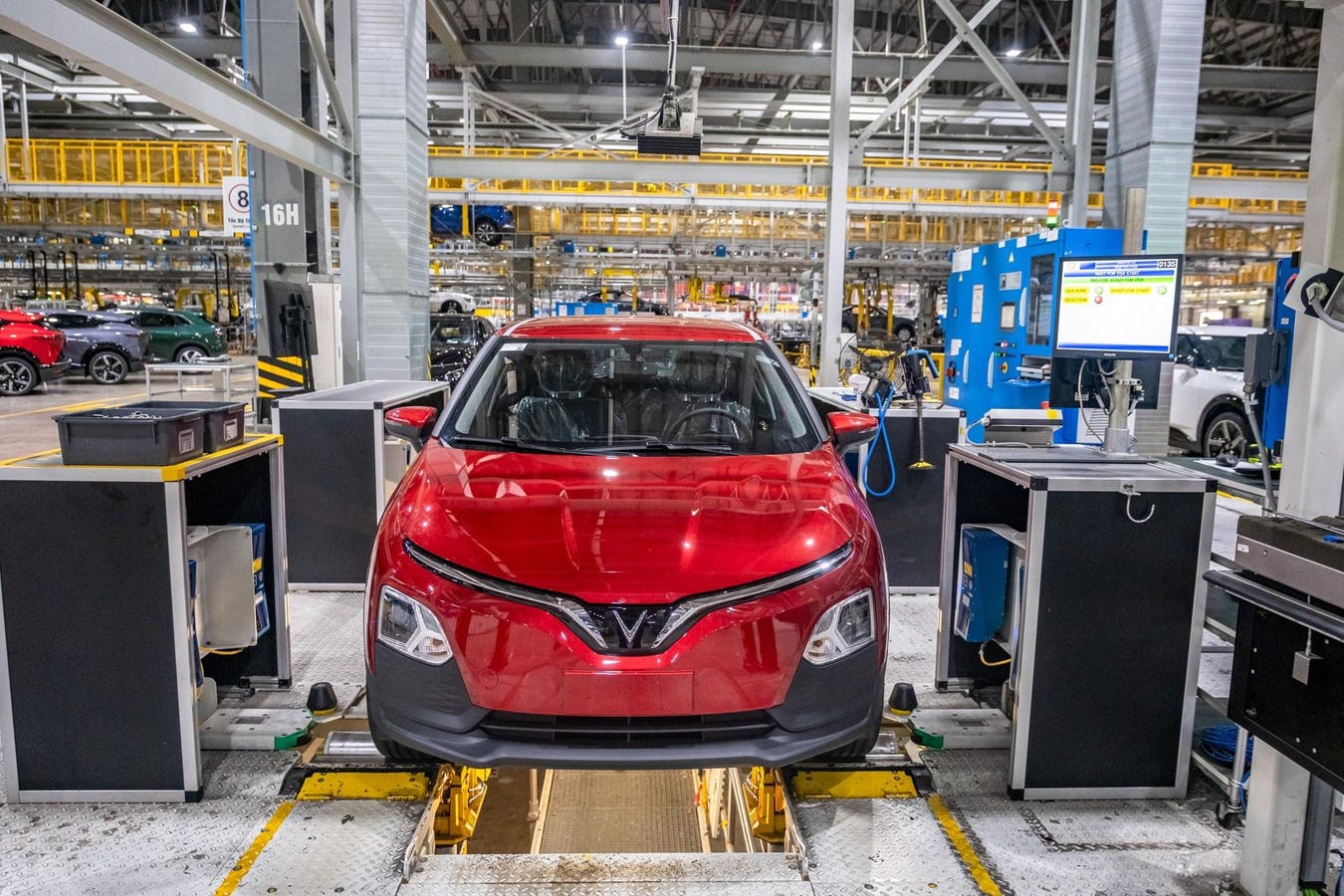
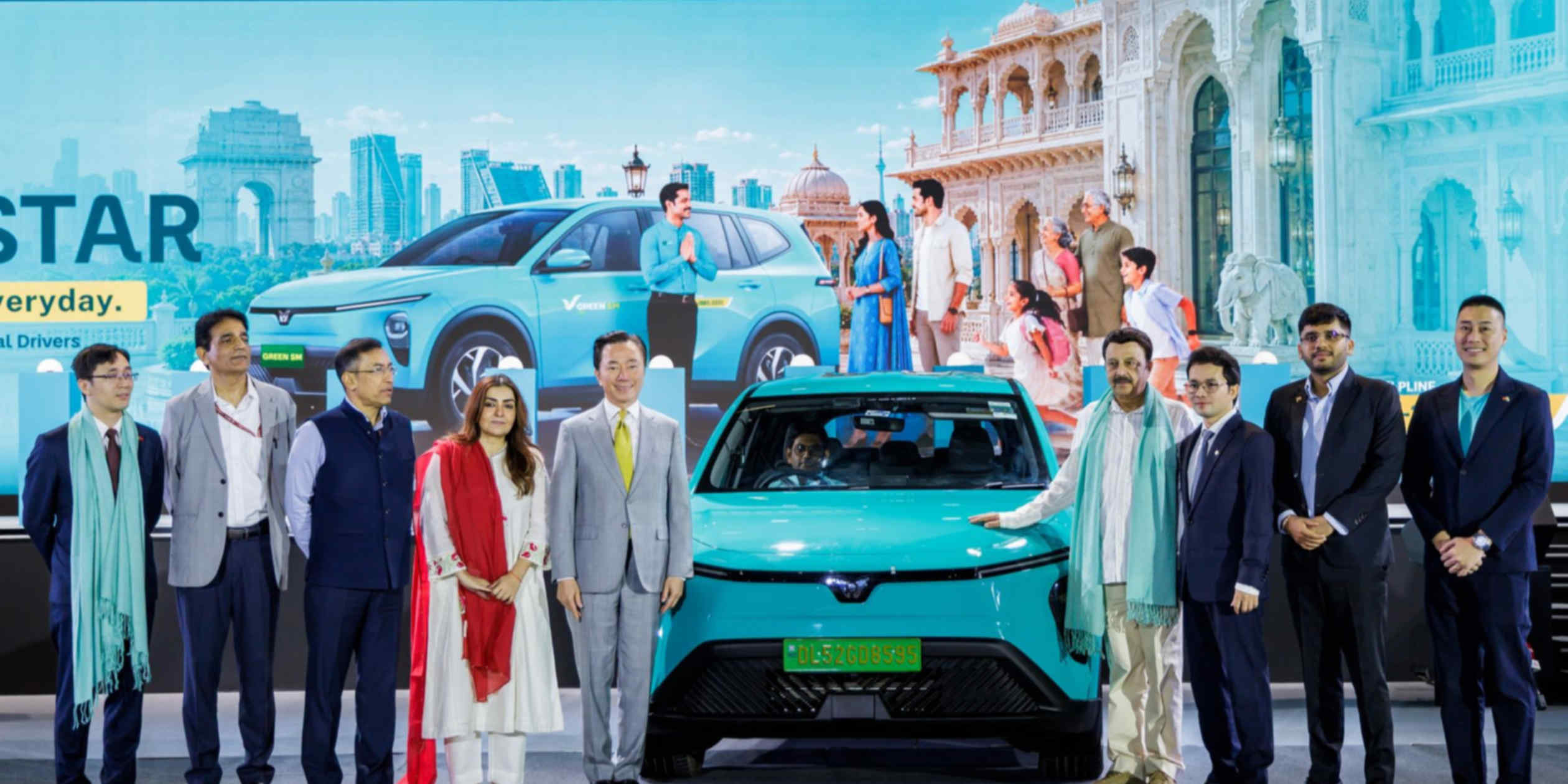
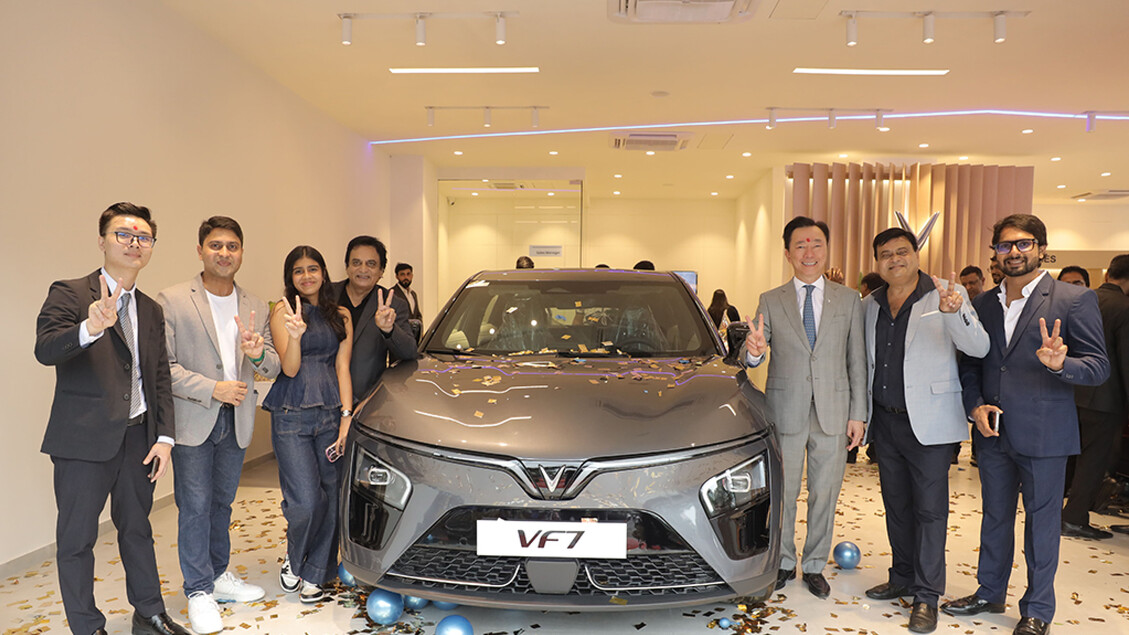
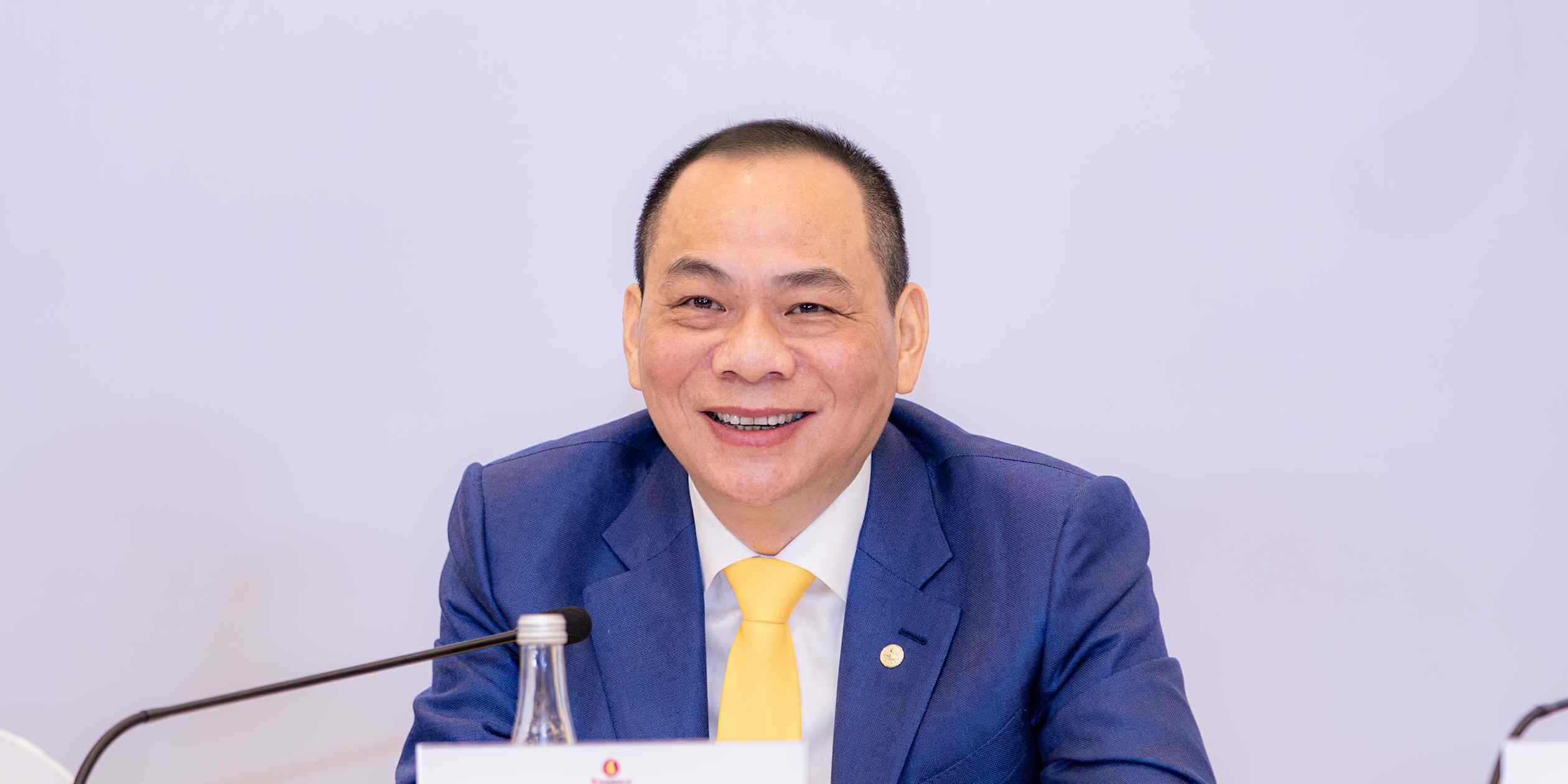
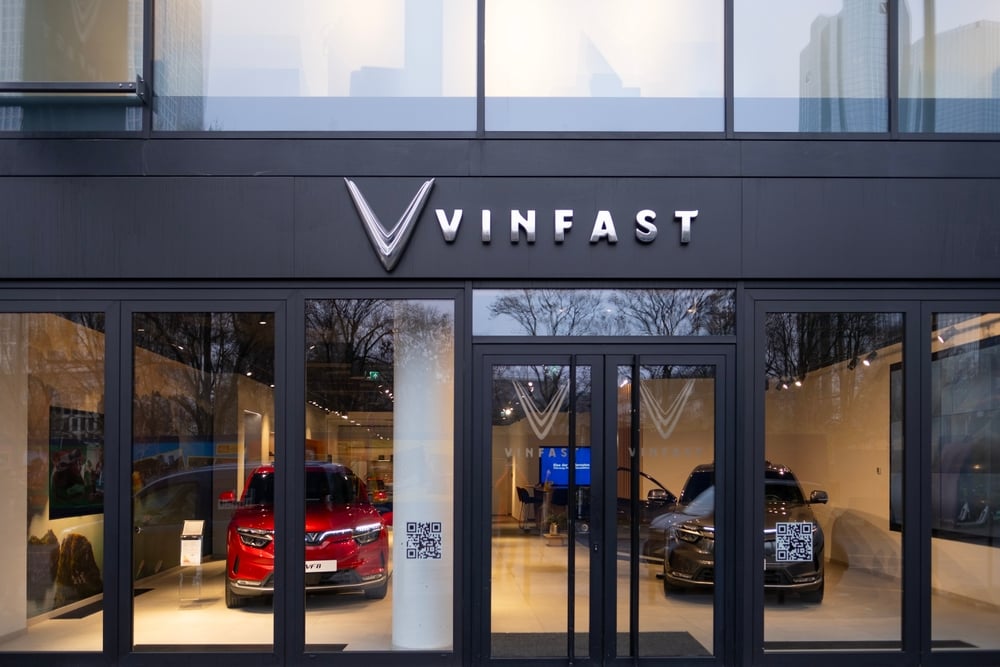
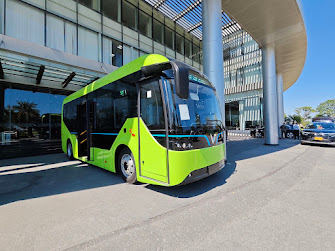
Vietnamese electric-vehicle maker VinFast is attempting something few foreign carmakers have achieved in India: building a complete mobility ecosystem rather than simply selling carsBut ambition has never been in short supply at VinFast. The company is the brainchild of Pham Nhat Vuong, Vietnam’s richest man, a billionaire whose empire stretches from property and hospitals to schools and technology. Over the past decade, he’s poured billions of dollars to turn VinFast from a startup into one of Southeast Asia’s fast-growing carmakers.In its home market, the company has built an electric mobility ecosystem few automakers globally have attempted. VinFast manufactures cars, runs its own nationwide taxi service using those vehicles, operates a vast charging network and also produces electric buses and two-wheelers.India pushIt’s a remarkable achievement for a company that only started up in 2017. In less than a decade, VinFast has become one of Vietnam’s best-known industrial successes and is now trying to export that model overseas to India. It has invested $500 million in a 400-acre manufacturing plant at Thoothukudi, formerly Tuticorin, in Tamil Nadu. The plant can produce 50,000 vehicles annually and has room for expansion.VinFast has also rapidly built a retail network, tying up with dealers operating 50 showrooms across major cities. In Kerala, one of the country’s fastest-growing EV markets, it’s already in six cities including Thiruvananthapuram, Kochi, Kozhikode and Ernakulam.India’s not only intended to be just a sales market but also a manufacturing and export hub. The Thoothukudi facility sits a few kilometres from a major port, providing easy access to overseas markets. While the company’s early sales figures are modest by Indian standards, it’s expanding quickly. VinFast says it sold 2,800 vehicles in the first four months of 2026 and has just introduced a third model. It’s also preparing lower-priced offerings in the ₹14-lakh segment, a critical price point for mass-market adoption.Beyond selling cars, VinFast hopes to replicate the multi-segment strategy that’s helped drive its Vietnam growth. Its electric taxi service, Green SM, plans to deploy 1,000 vehicles in Delhi and Gurugram in coming months. It’s targeting further expansion in Bengaluru and Hyderabad and hopes to have several thousand vehicles on the road by early 2027. Unlike platforms like Uber and Rapido, Green SM will operate company-owned vehicles driven by experienced, trained employees.Running its own taxis creates ready-made customers for VinFast’s vehicles while increasing brand visibility. The company’s reportedly targeting fares of ₹8 per kilometre, slightly above some rival services, but is promising no surge pricing.The taxi business is only one element of an even wider plan. VinFast is exploring developing an extensive charging network, looking at local electric bus production and is expected to introduce electric scooters and motorcycles later.Whether this strategy succeeds is an open question. India’s automobile market is hugely competitive and domestic manufacturers already enjoy a substantial edge. Tata Motors and Mahindra dominate the EV passenger sector, while market leader Maruti Suzuki is starting its own EV push. Other players like Kia, MG Motor and BYD are also expanding electric offerings.VinFast has already discovered international expansion can be tough. It entered markets like Thailand, the US and Canada with big plans. It had proposed building a manufacturing plant in the US but scaled back those ambitions as market conditions worsened and losses mounted.Strong baseBack home, the company has built an impressive industrial base. Its flagship Hai Phong factory can manufacture 300,000 vehicles annually with a long-term target of 950,000 vehicles. Some 200,000 vehicles were produced there last year.The wider ecosystem is equally significant. Since launching Green SM in 2023, the company has built an 80,000-vehicle taxi fleet and established 150,000 charging points across Vietnam.One reason investors take VinFast seriously despite some major setbacks is Pham Nhat Vuong himself. With an estimated $27 billion fortune, he’s repeatedly dug into his own pocket to support the company, committing billions of dollars as it pursued aggressive overseas expansion. His willingness to keep backing VinFast has convinced supporters it can survive blows that might have sunk a less well-funded rival.Vuong built his fortune through Vingroup, Vietnam’s largest private conglomerate, and he’s increasingly cast himself as the architect of Vietnam’s industrial future, betting heavily on EVs, batteries and advanced technology.That financial firepower gives VinFast resources many new automakers can only dream of. The challenge now is whether Pham Nhat Vuong’s model that’s worked spectacularly well in Vietnam can be replicated in India, where competition is fiercer, consumers intensely price-sensitive and foreign entrants have often struggled, and failed, to gain a foothold.Published on June 3, 2026