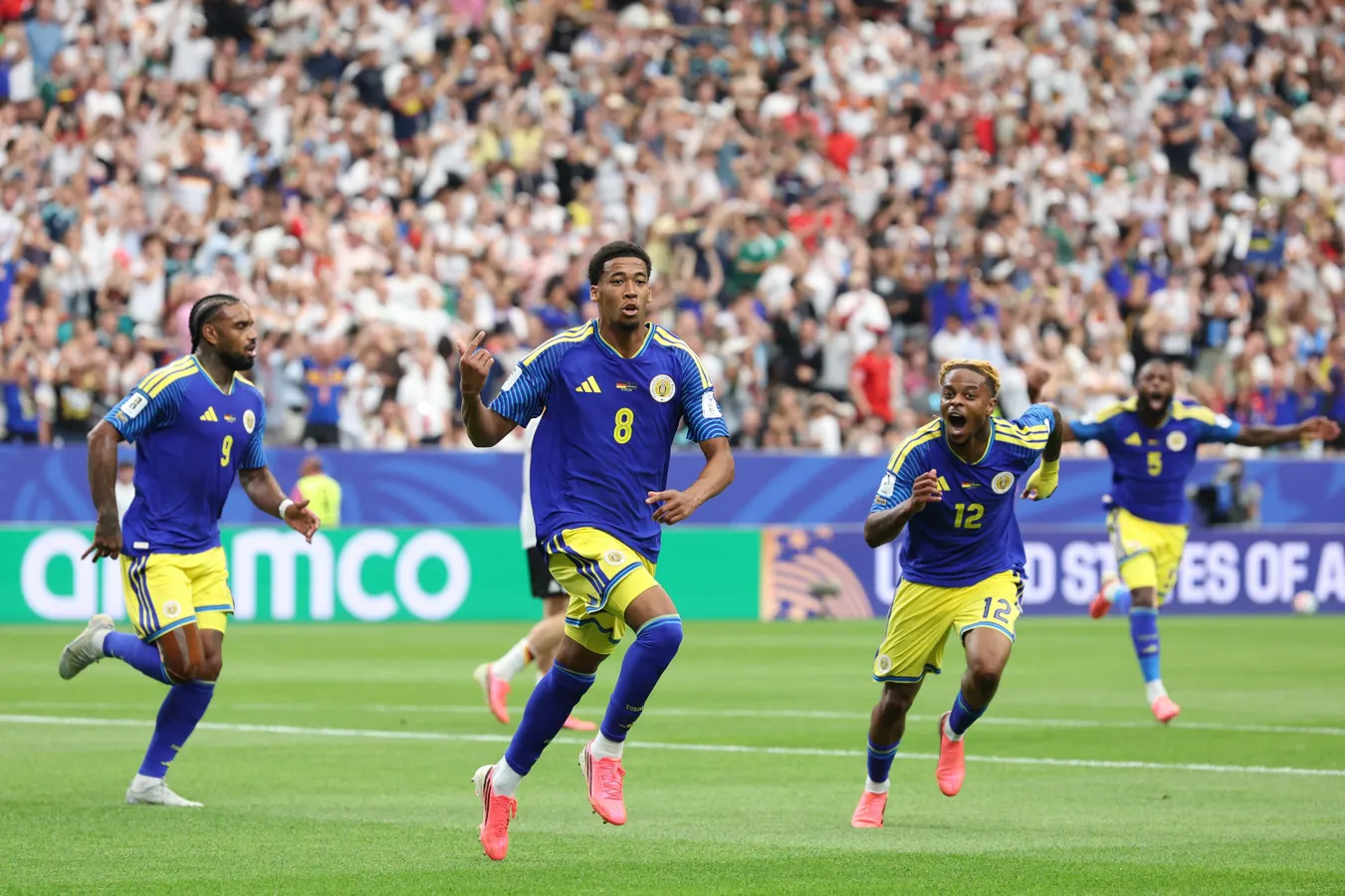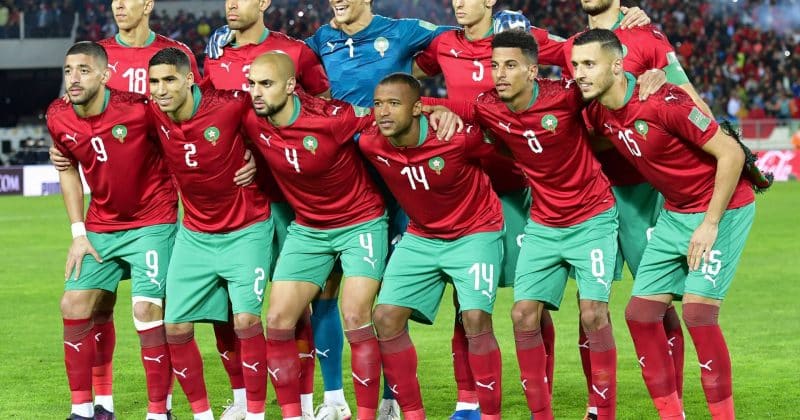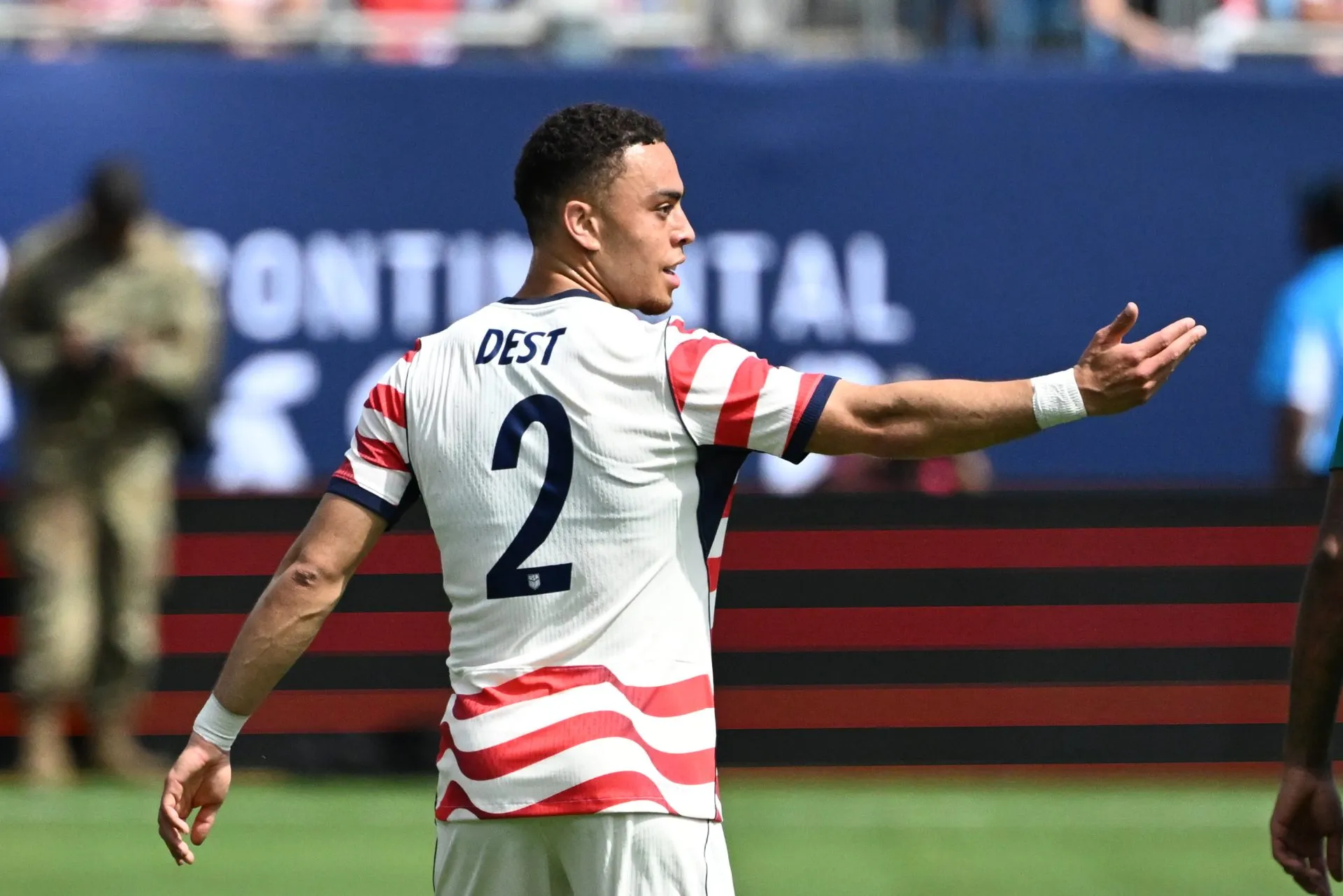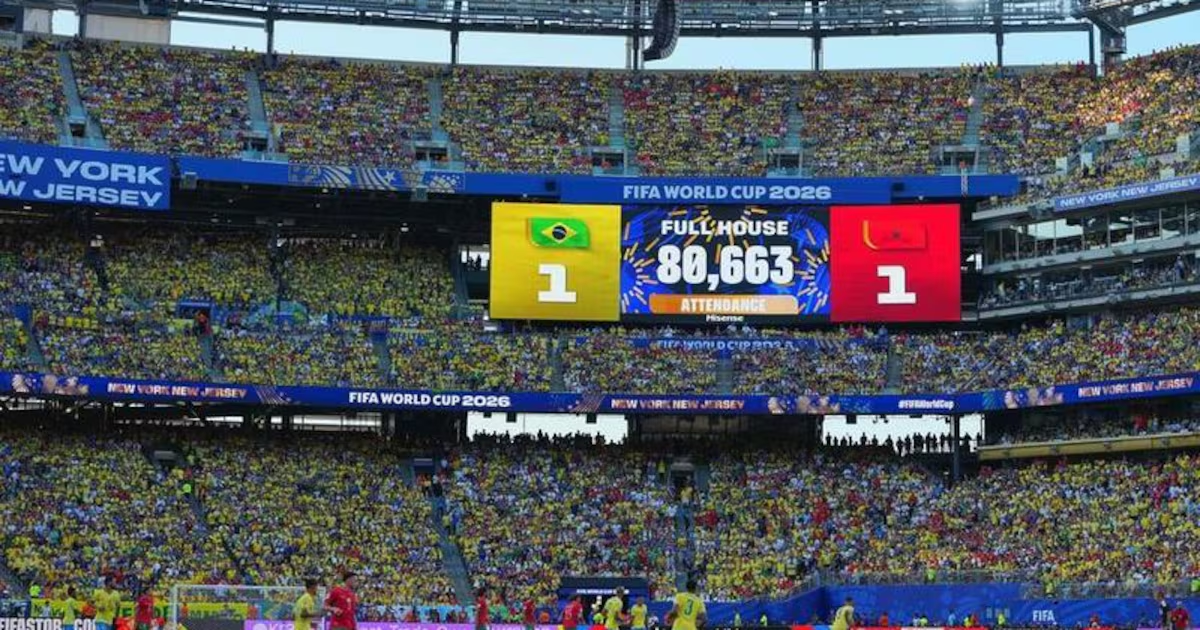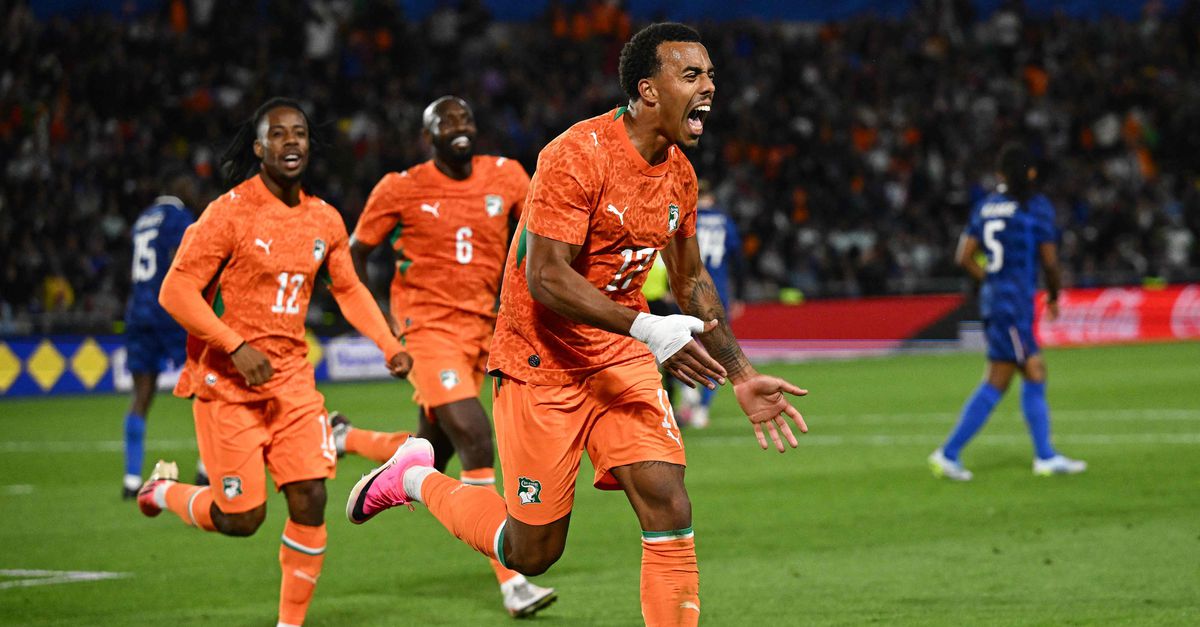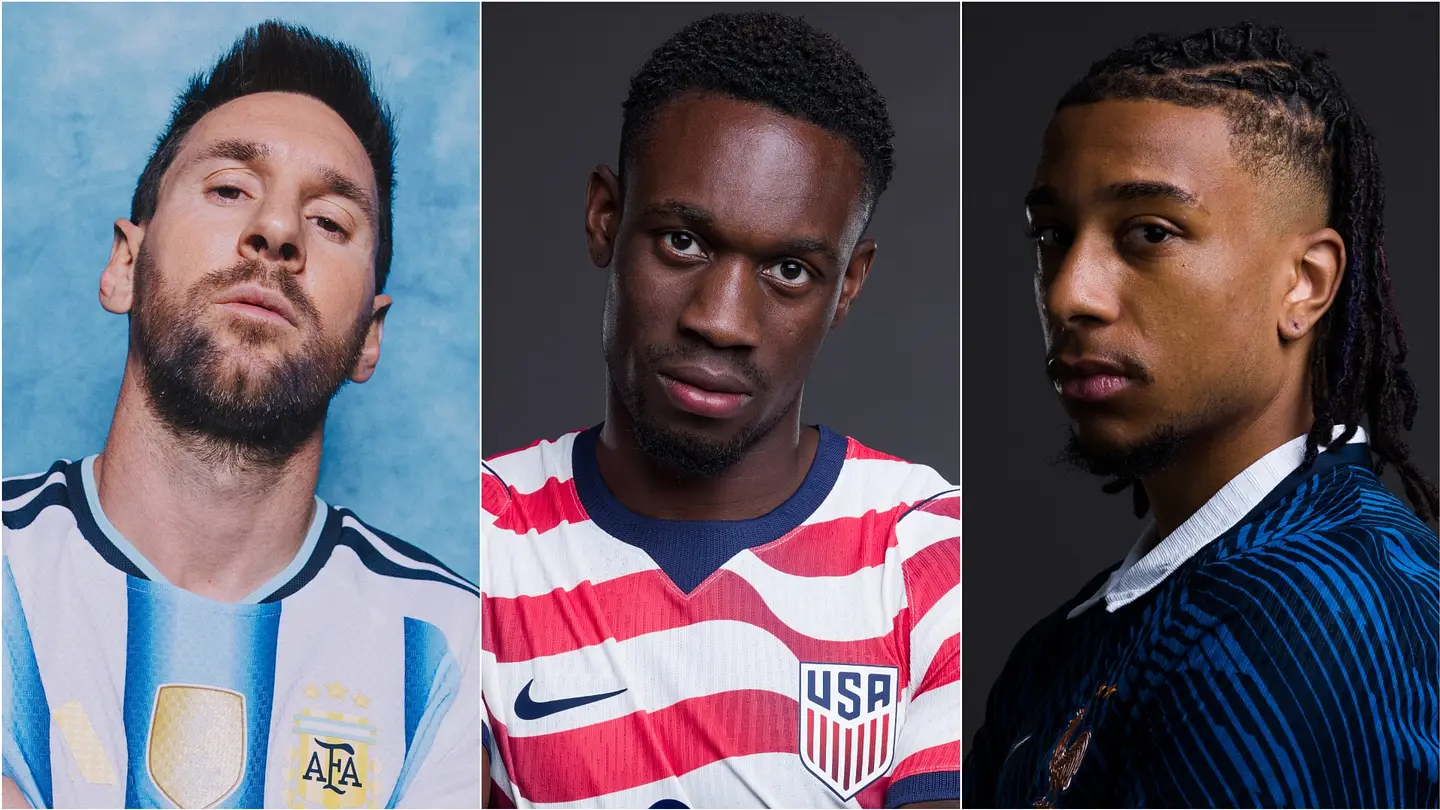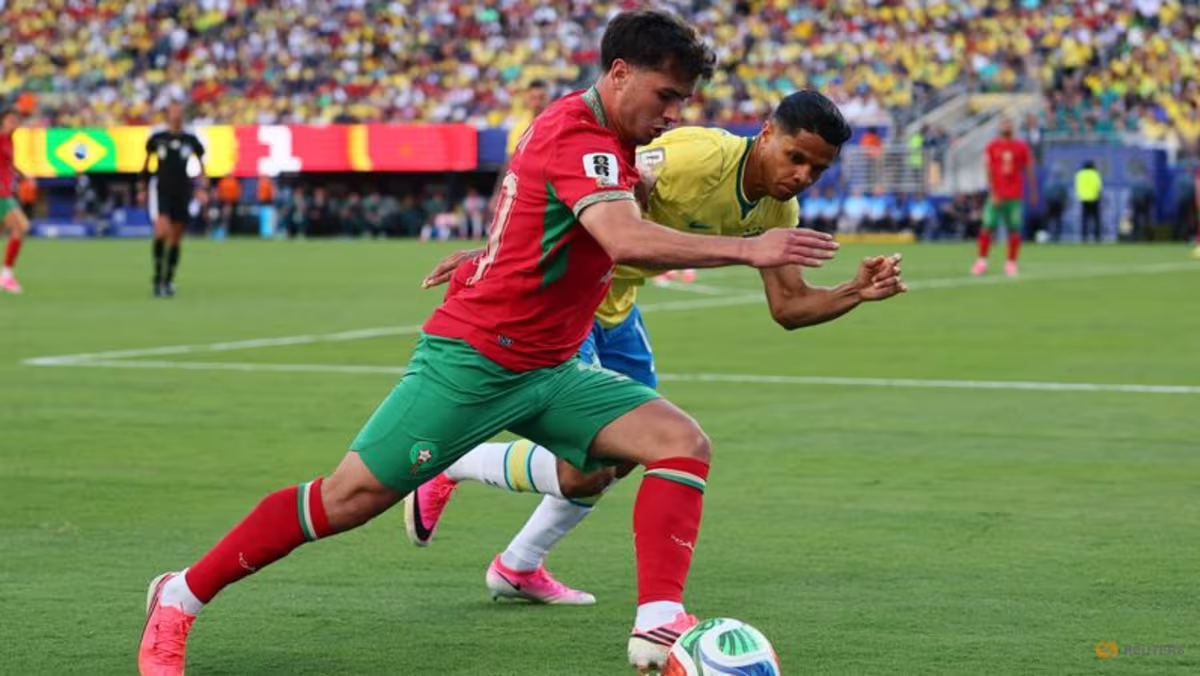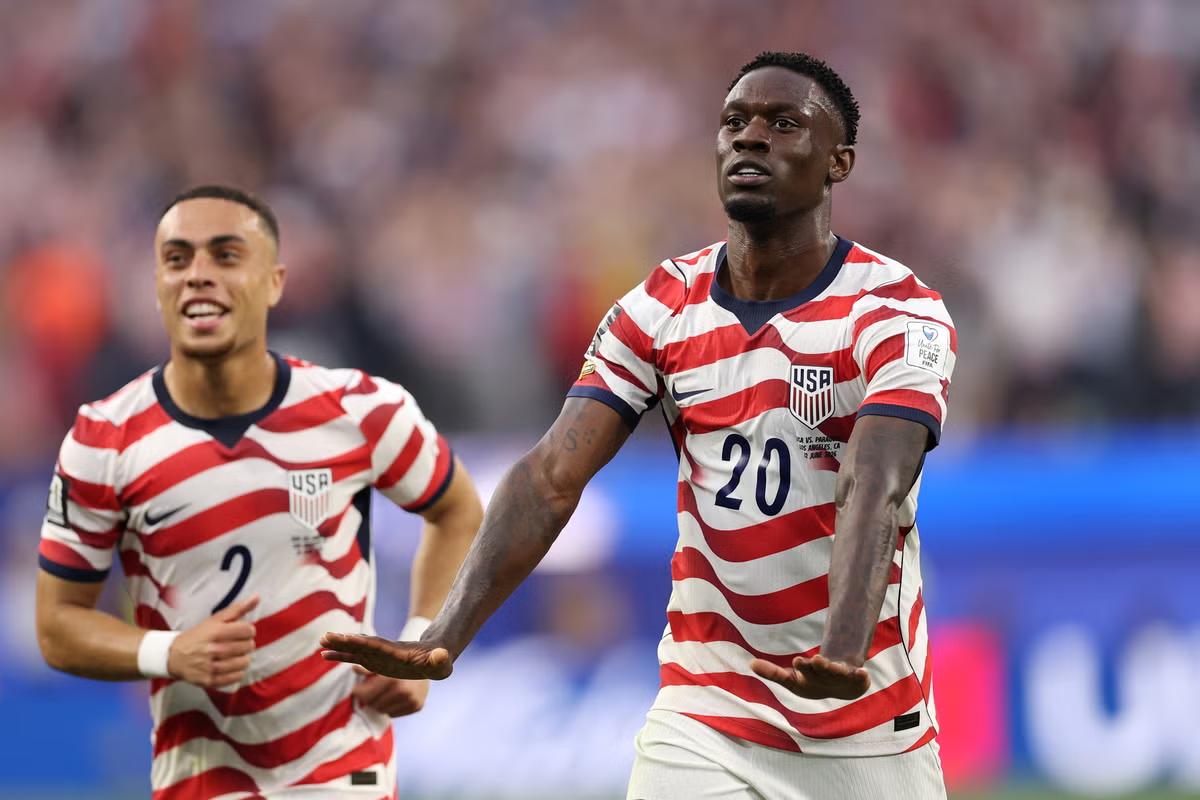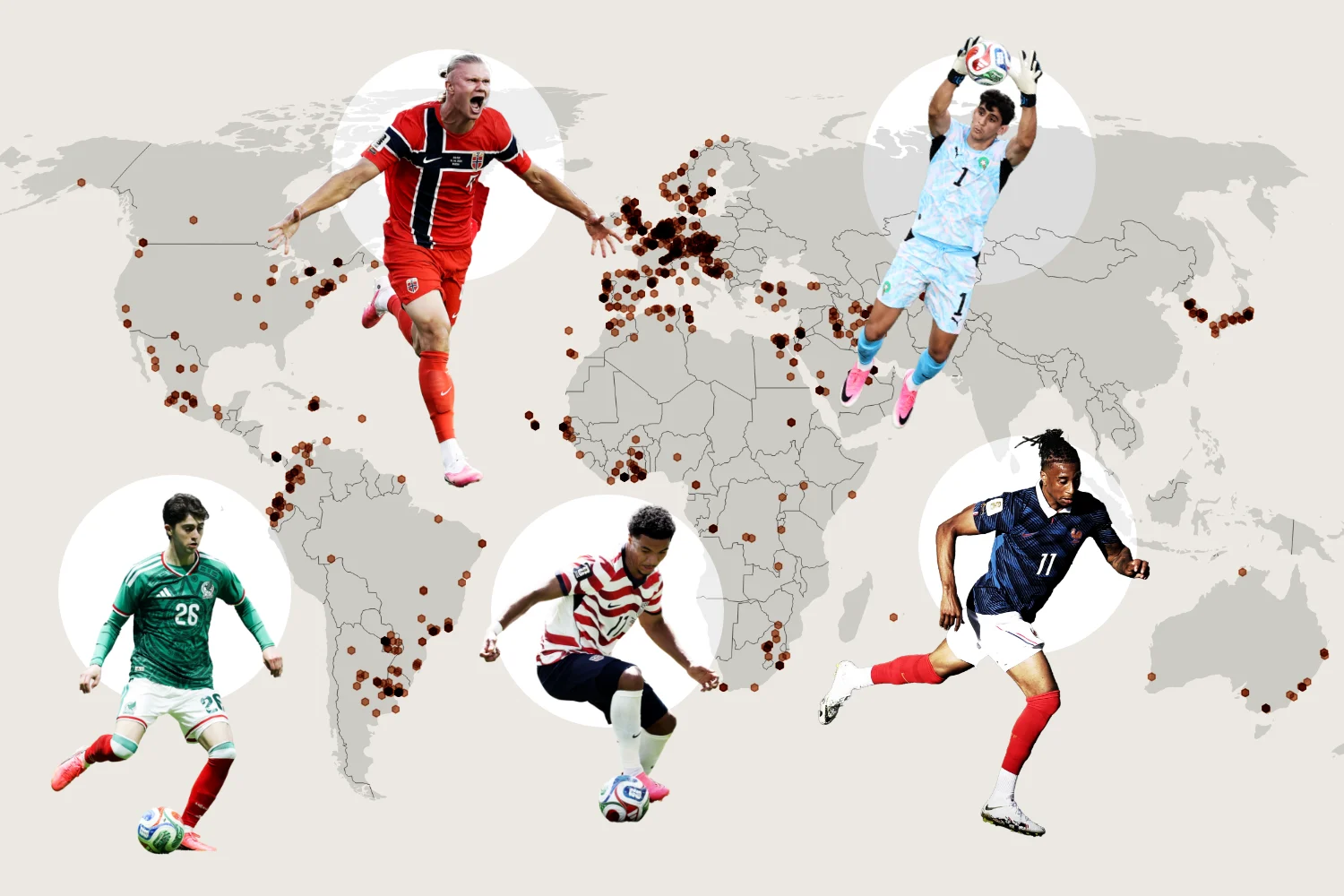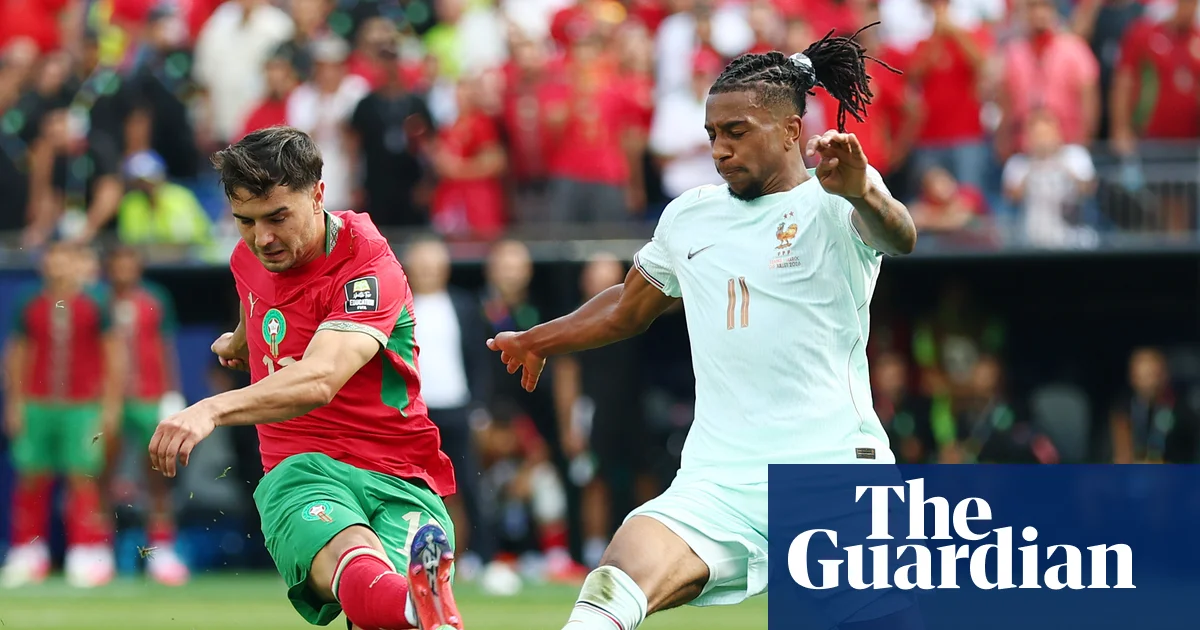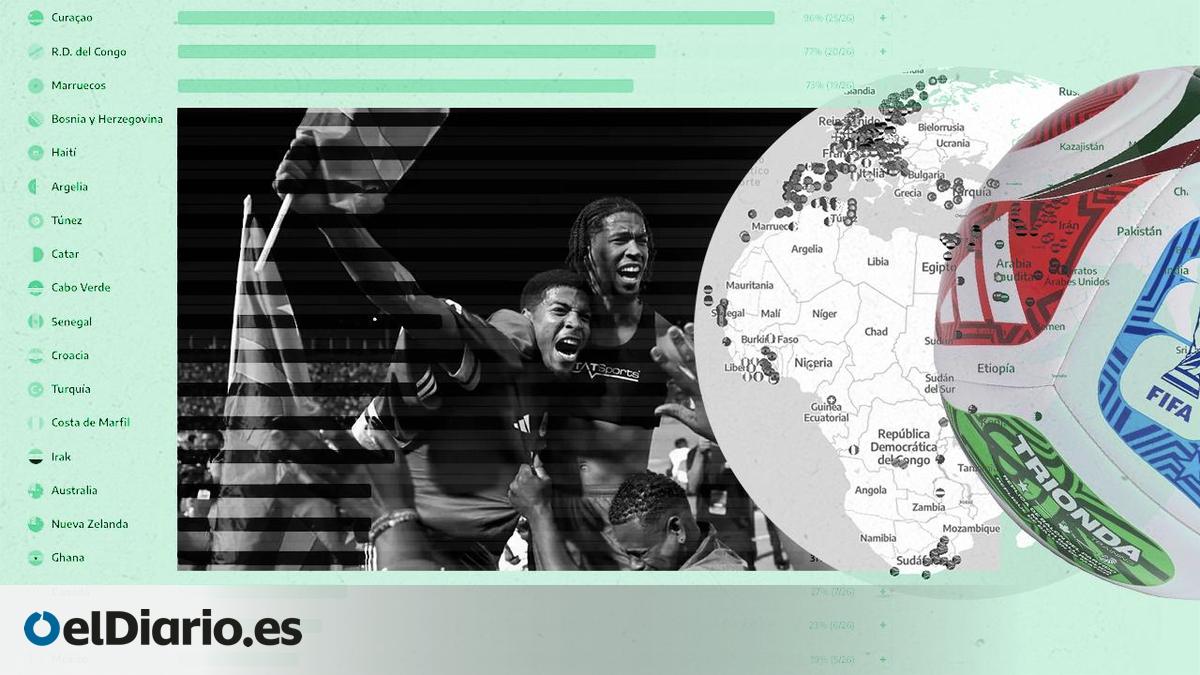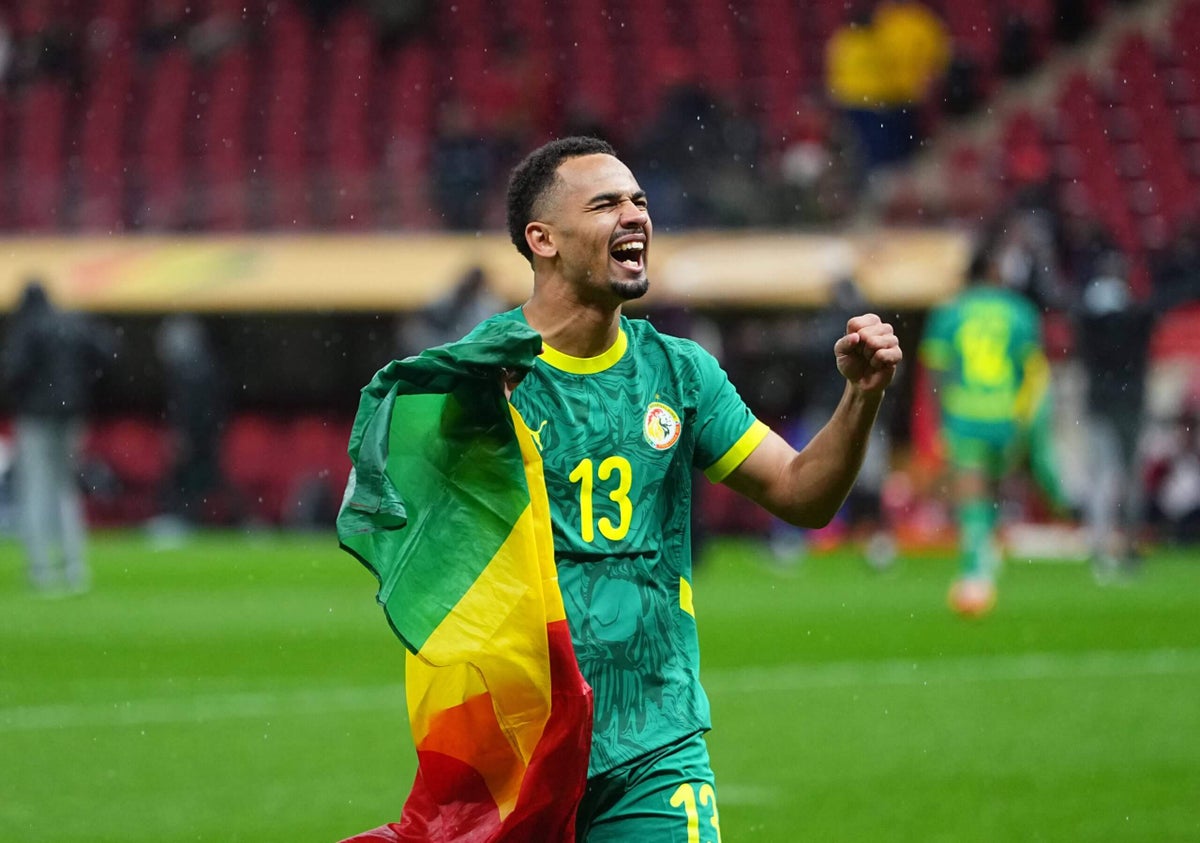
The first Englishman to play at a World Cup did not represent England.George Moorhouse, a Liverpool-born former Tranmere Rovers striker, lined up for the United States at the inaugural tournament in 1930. The U.S. finished joint-third with a squad that also included five players born in Scotland.Moorhouse emigrated to Canada in 1923 before later settling in the U.S.. Scotsmen Andy Auld and Jim Brown moved to America at the ages of 21 and 17 respectively, while the other three Scottish-born players emigrated as children with their families. Those circumstances made them eligible to represent the Stars and Stripes.While eligibility rules have changed, the World Cup remains shaped by migration and colonial ties nearly a century on, with many dual-national players tracing family histories across continents.Sweden’s Yasin Ayari, whose father is Tunisian, was reluctant to celebrate the first of his two excellent goals against the North African side on Sunday. The Brighton & Hove Albion midfielder was born in Sweden, but this tournament will regularly produce encounters between a player’s national team and their country of birth — as will be the case when France face Senegal on Tuesday in New Jersey.There are 98 players born in France at the World Cup, but there are more French-born players (76) representing other nations than any other country at the tournament. Senegal’s squad has 10 of them.Senegal are not, however, the nation with the most. That is Algeria (13), followed by Haiti (12), with the Ivory Coast and the Democratic Republic of Congo also heavily represented.Indeed, 292 of the 1,248 players involved were born outside the country they are representing, and all but eight nations at the tournament have a foreign-born player in their squad.The team with the most number of players born outside their country is first-timers Curacao. The Caribbean island is part of the Kingdom of the Netherlands and all but one of their squad is made up of Dutch-born players, with the group also overseen by Dutch manager Dick Advocaat.Most of the squad have connections to Rotterdam, the world’s largest seaport outside Asia, and a gateway for migration.Curacao’s players descend upon Livano Comenencia after his equaliser against Germany (Alexander Hassenstein/Getty Images)By contrast, some teams are very multinational.During the second half of Morocco’s game against Brazil, all 11 Moroccan players on the field were born outside Morocco, while Qatar’s squad features players from 11 other foreign nations: Algeria, Belgium, Brazil, Egypt, France, Ghana, Portugal, Senegal, Somalia, Sudan and Tunisia. The 48-team expanded World Cup is the largest ever and squads feature players born across the globe, including from non-qualified countries such as Cameroon, Denmark and Italy.Over the years, scouting dual-national players has become more sophisticated, but it is far from an exact science. It turns out a chat in a sauna, a LinkedIn connection and the video game Football Manager have all helped unearth potential representatives.Determining a player’s eligibility can be complicated, and there have been many iterations to the rules over the years.FIFA eligibility is built around nationality. A player can represent a country if they hold its citizenship, whether acquired automatically at birth or later through naturalisation, a legal citizenship application process.Dual nationals must have a genuine connection to the country either through birth, ancestry or residency. For example, a player might hold both French and Senegalese nationality but, in order to play for Senegal, they must meet at least one of these criteria:
How migration, colonial ties and tweaks to FIFA eligibility rules have made this the diaspora World Cup
Of the 1,248 players at the 2026 World Cup, 292 were born outside the country they represent, including 10 Senegalese born in France
1,811 words~8 min read