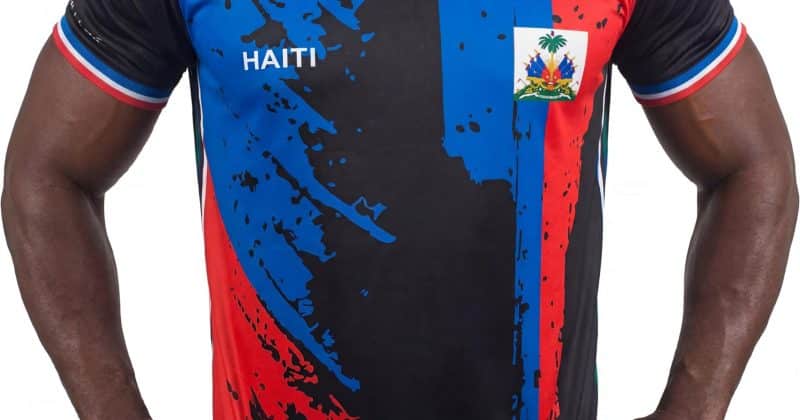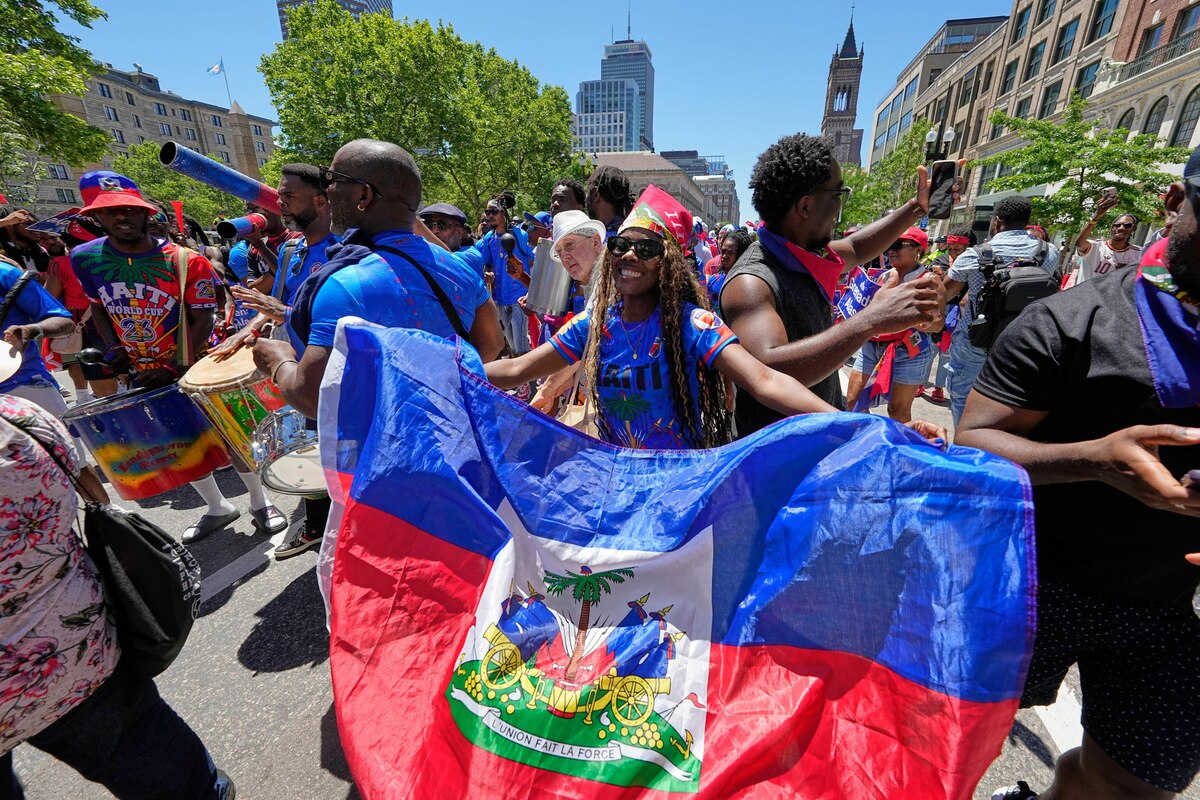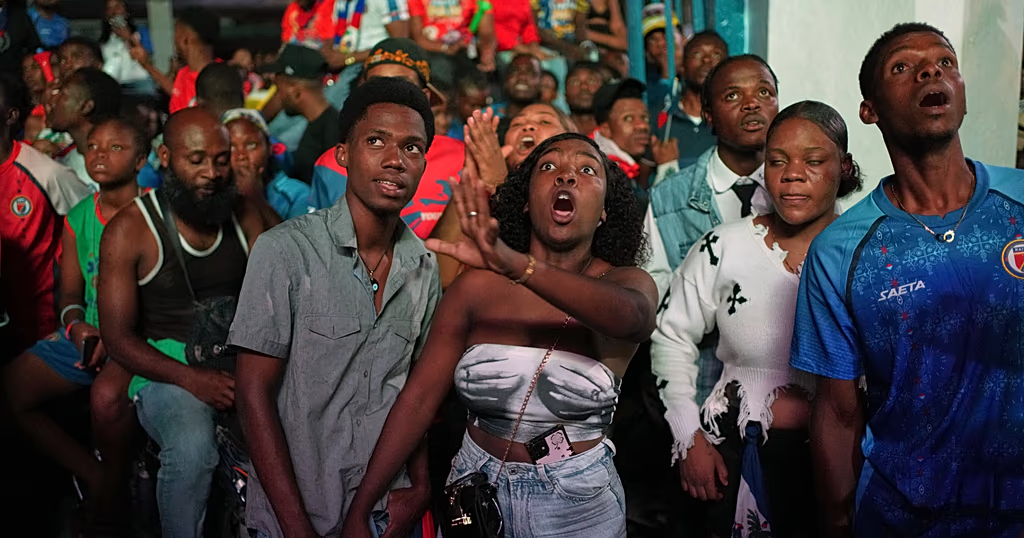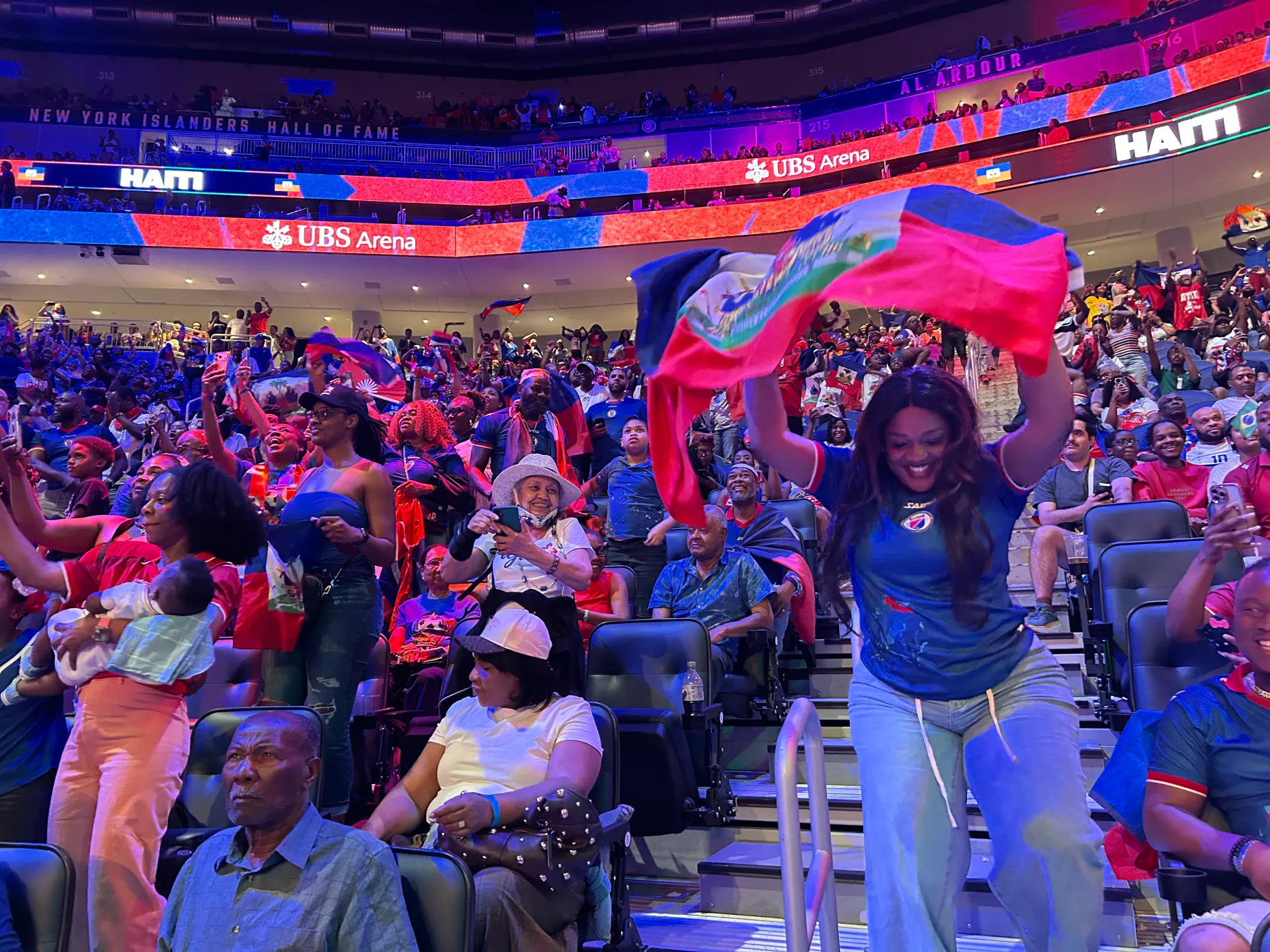
The first time that the Haitian men’s national soccer team played in the FIFA World Cup, in 1974, it was composed entirely of homegrown players: All 22 people on the roster were born in Haiti, and all but one represented local clubs.
More than 50 years later, 16 of the 26 players who took the field for their first game against Scotland on June 13 were born outside of Haiti, and most play for clubs in North America and Europe. These players are mostly eligible for the team through Haitian ancestry. Only one player, Woodensky Pierre, is based in the country. The national team’s head coach, Sébastien Migné of France, has never set foot in Haiti, even as he leads the squad in its second-ever World Cup appearance.
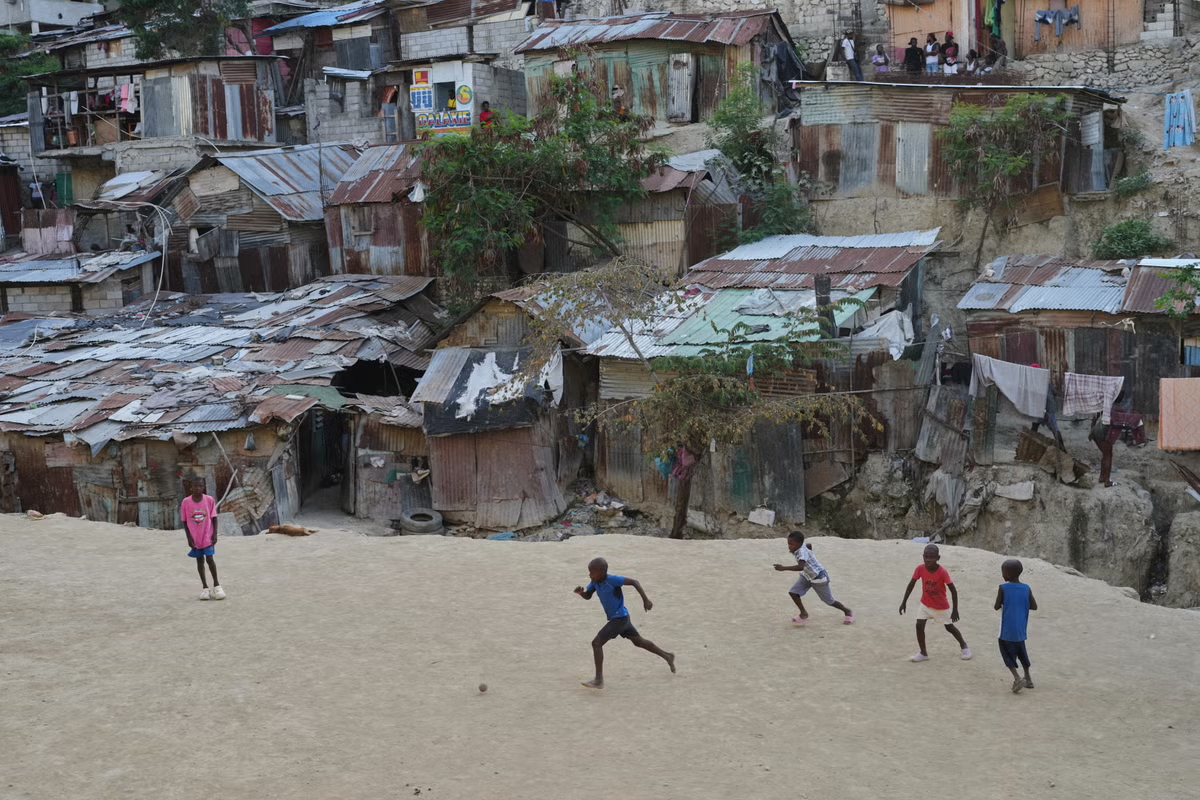
Haiti’s reliance on foreign-born talent is a by-product of conditions that have driven many people to leave the country: economic instability, political turmoil, and pervasive insecurity. Since the assassination of President Jovenel Moïse in 2021, gang-related violence has made it virtually impossible for the national team to host matches at home; Haiti played its home World Cup qualifiers in Curaçao and has trained in Florida and New Jersey.
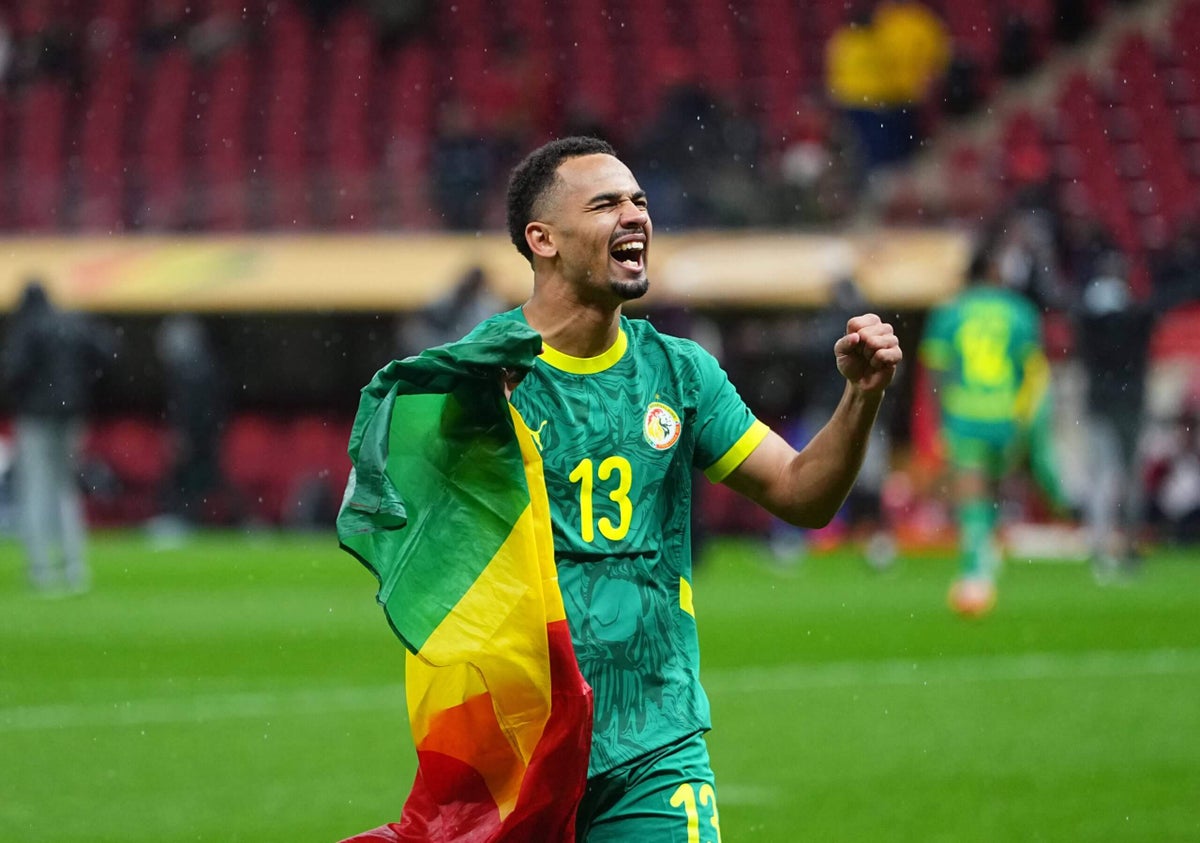
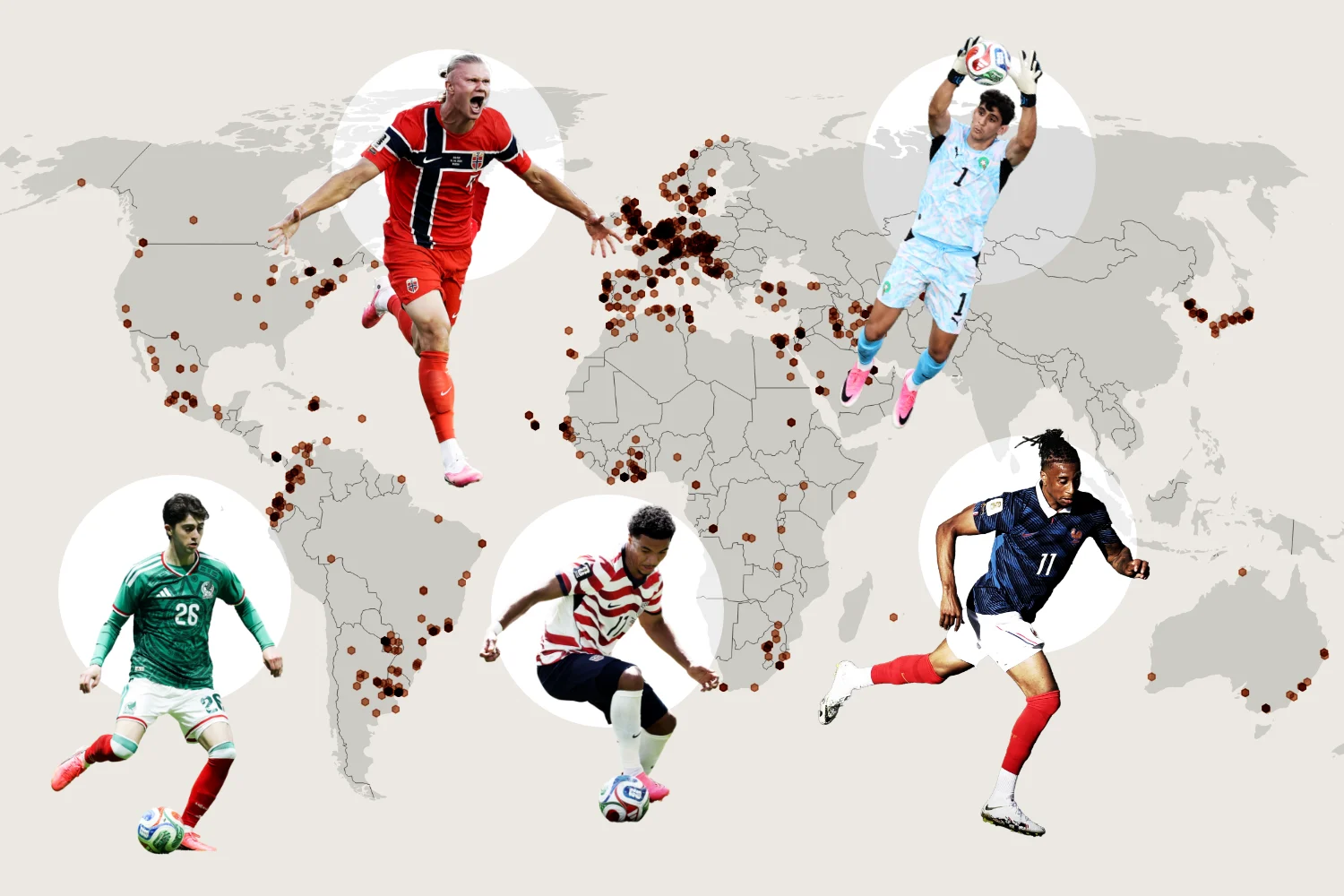
But Haiti’s roster is far from unique. At this year’s World Cup, co-hosted by the United States, Canada, and Mexico, many teams depend on players born outside the country that they represent. This trend has accelerated since the 1980s, reflecting the growing influence of migration on the composition of World Cup teams and the increasingly transnational nature of the sport.