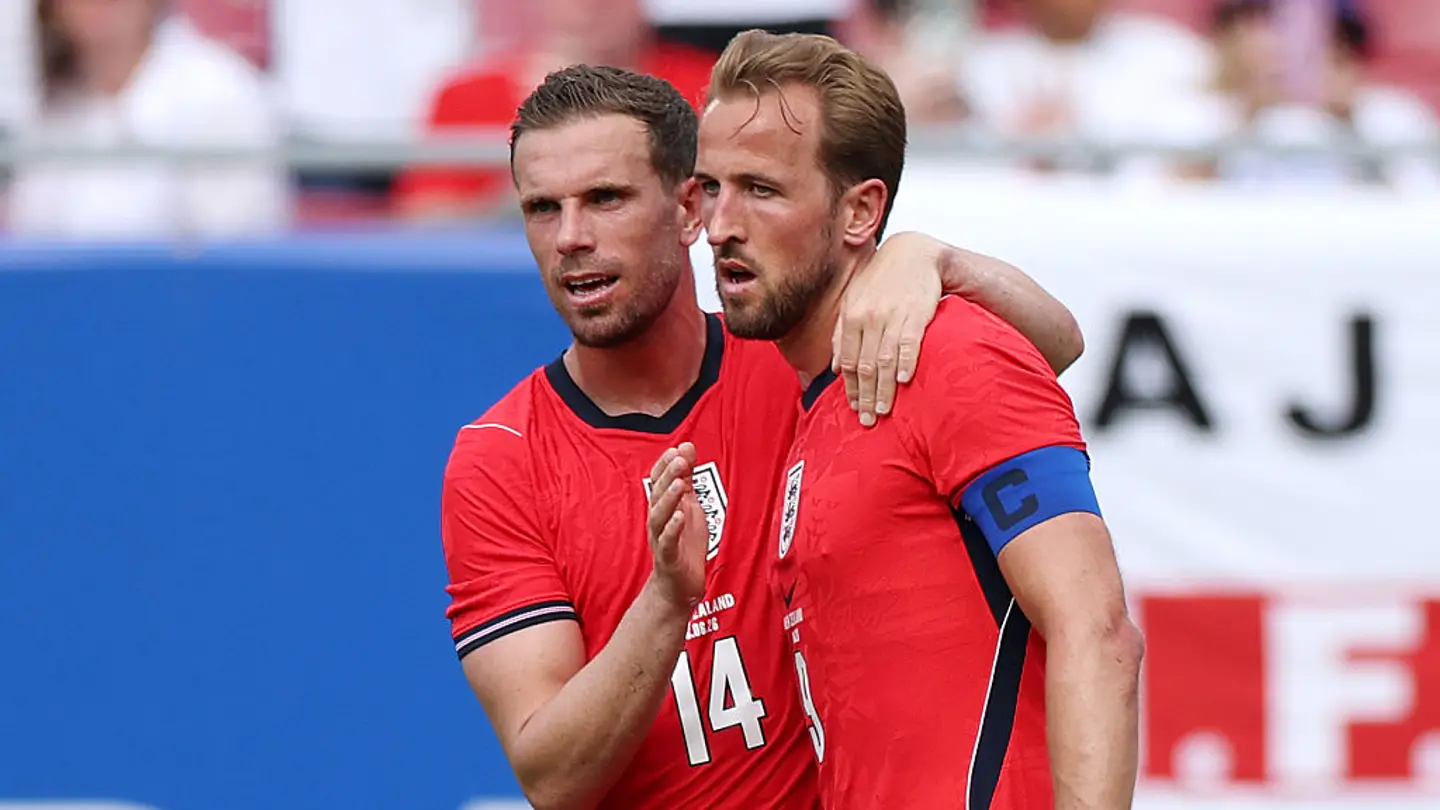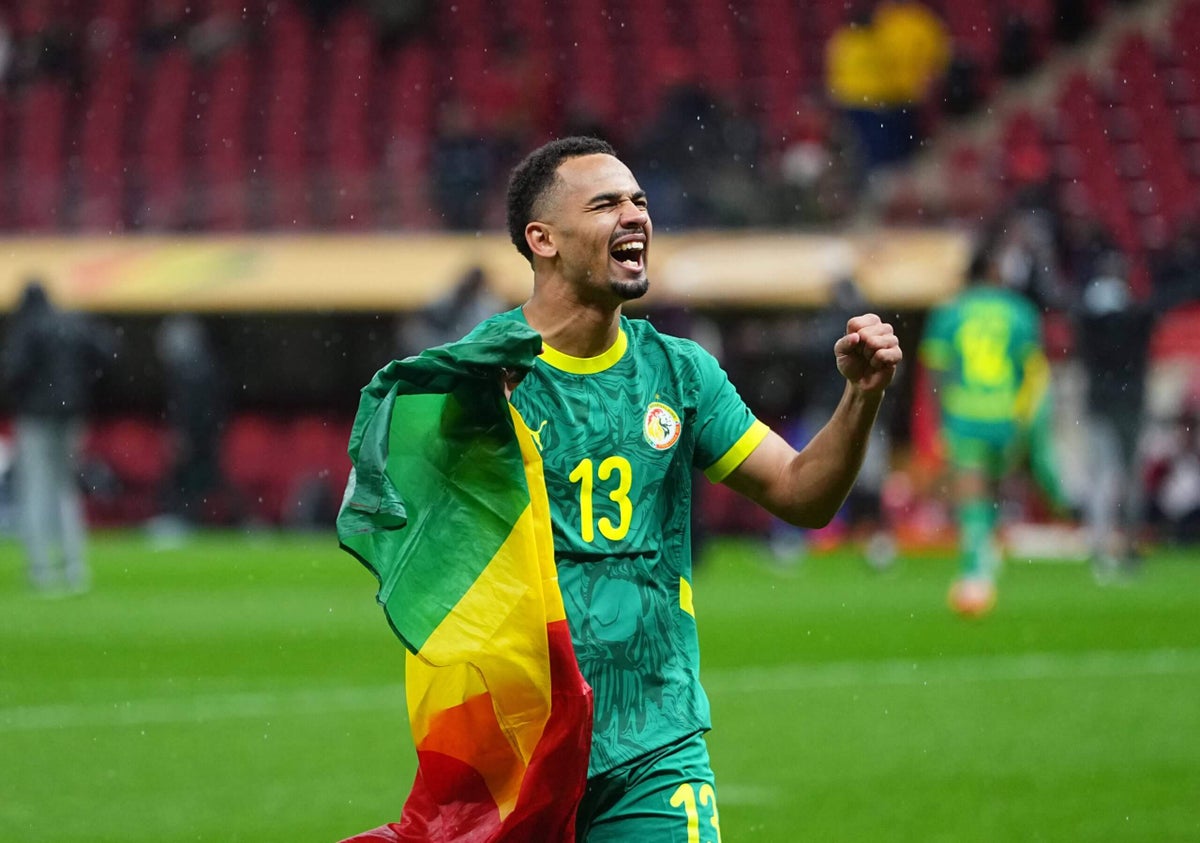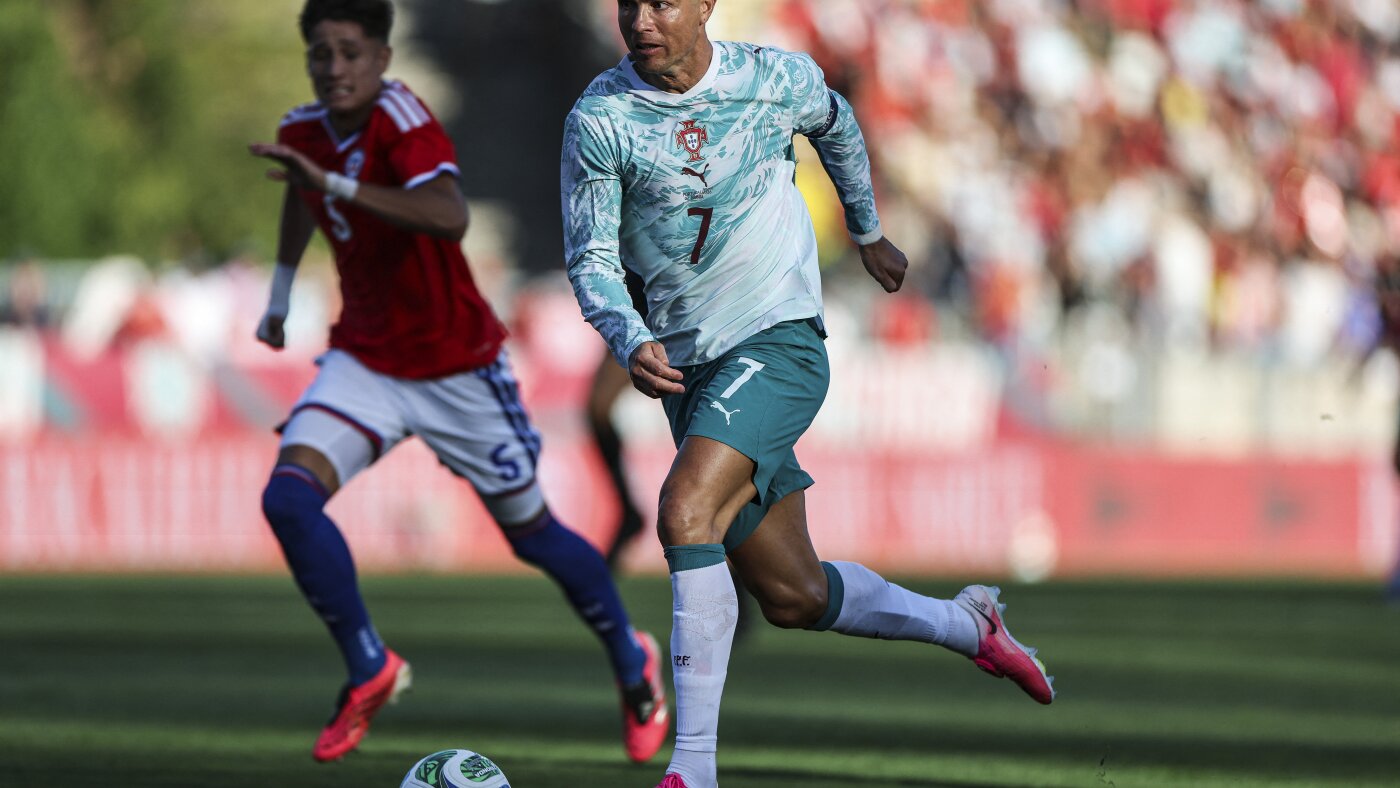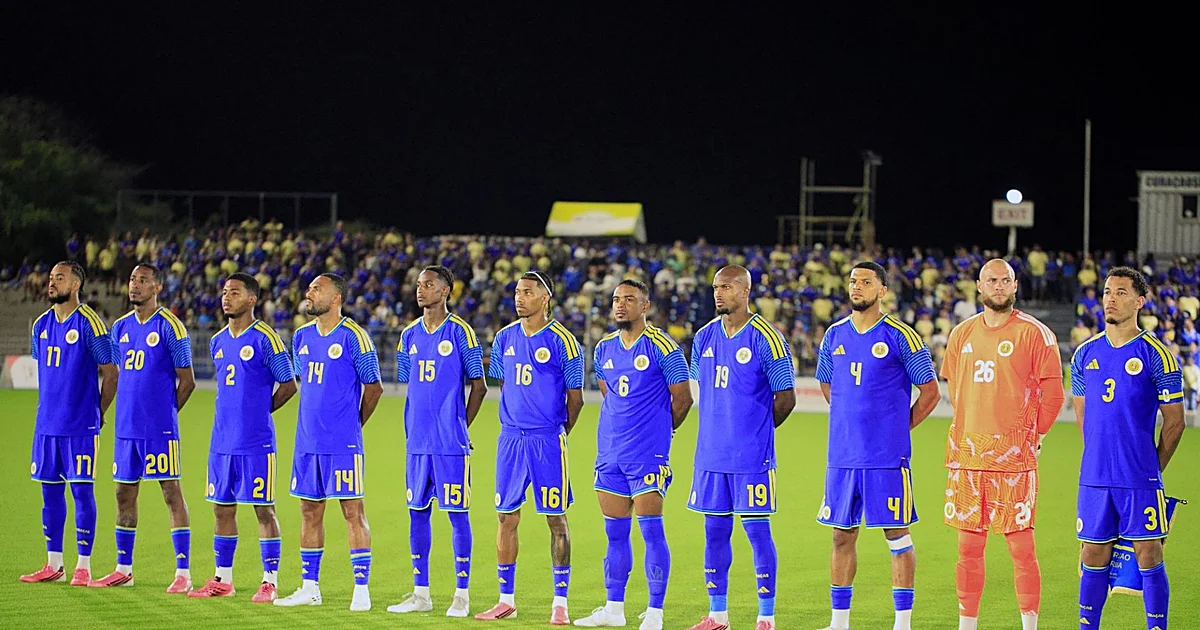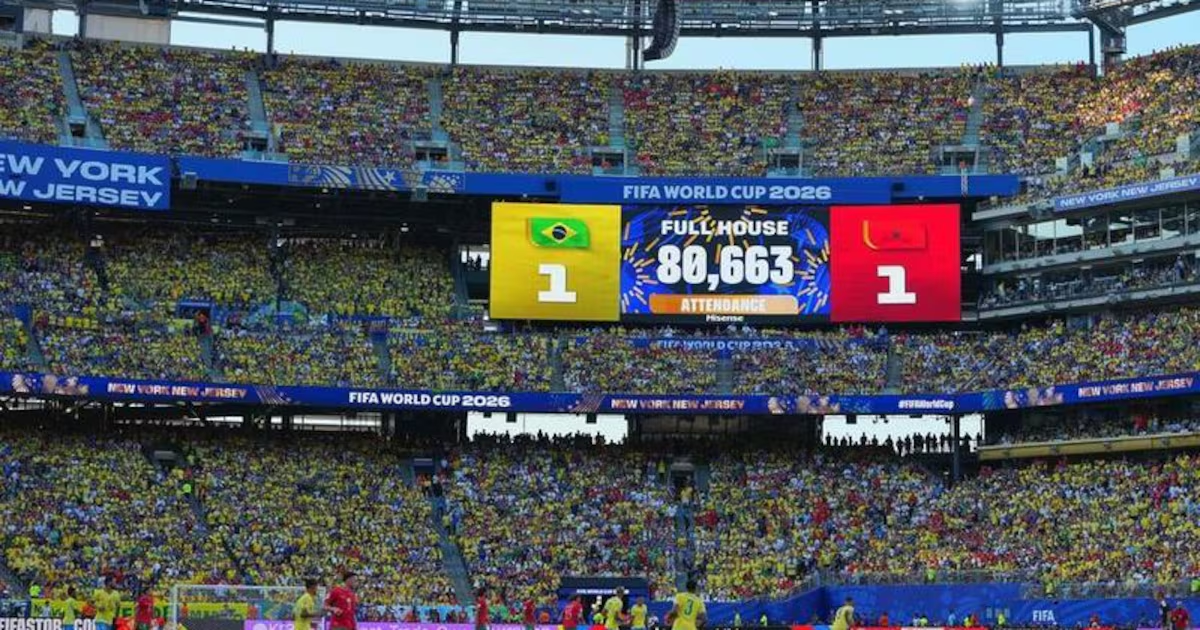
Almost 25% of the 1,248 players at this year’s World Cup are representing a team that’s different from the country of their birth.
That figure, according to data from Ecuadorian analyst Jaime Macías, represents a big change in the composition of national teams. At the 2006 tournament, by comparison, the number was less than 9%.
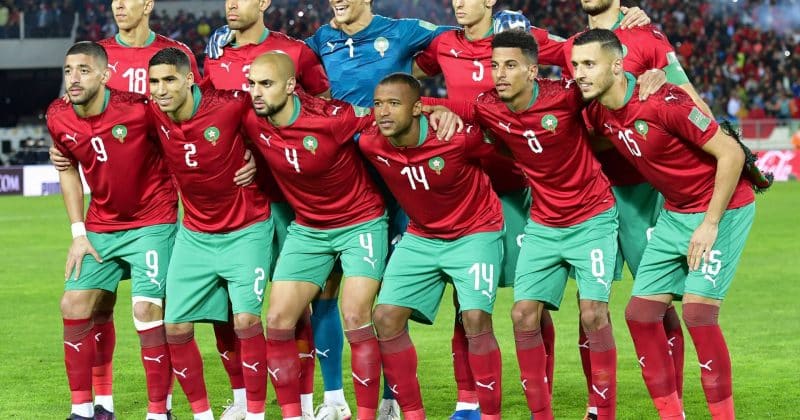
The growing popularity of stacking rosters with diaspora players is especially changing the landscape for international soccer’s emerging powers. Teams such as Morocco, Turkey, and Senegal are using the full flexibility of FIFA’s eligibility rules to stuff their squads with surplus talent from the sport’s traditional powerhouse countries.
FIFA’s rules determining eligibility are surprisingly loose—and are becoming more so. To play for a different side, a player must hold nationality from that country. But that doesn’t mean they have to be a resident. Nationality can be conferred if either of a player’s parents—or even a single grandparent—was born elsewhere.
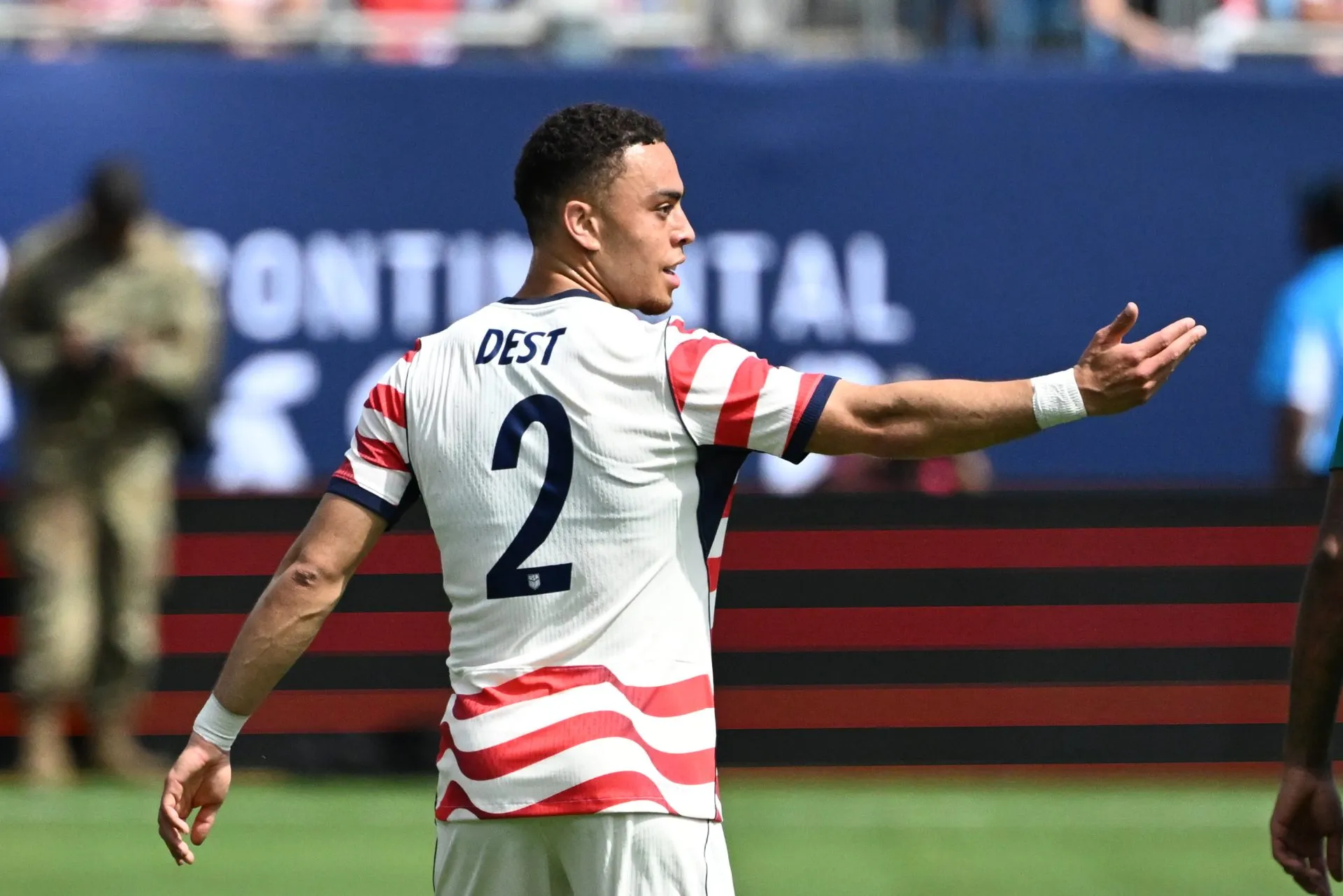
The USMNT’s Sergiño Dest was born in the Netherlands and has spent all of his playing career in Europe. But his father was born in Suriname and immigrated to the U.S. when he was a child, later becoming an American citizen. This unlocked Dest’s route into the U.S. national team.