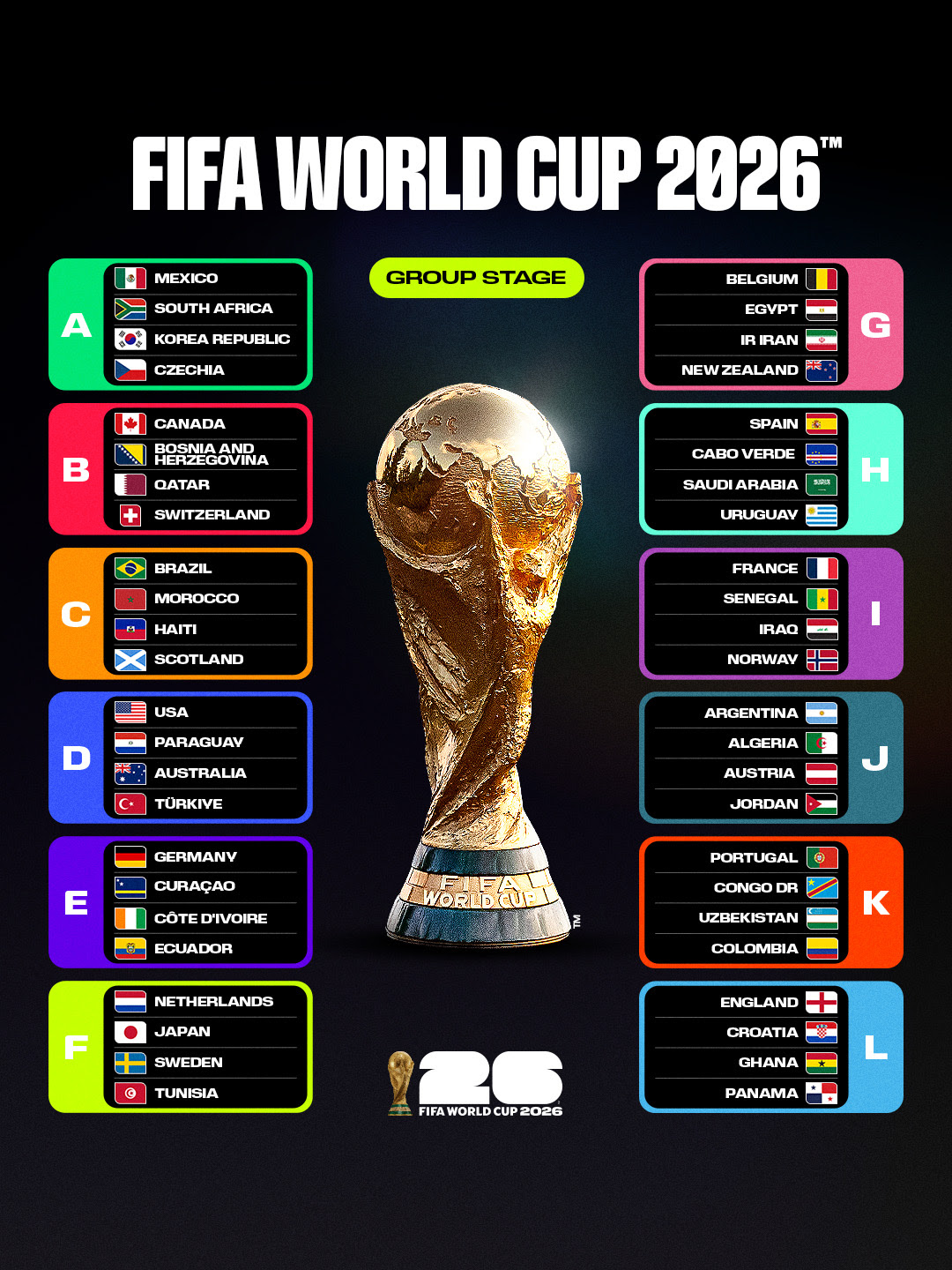
The 2026 FIFA World Cup across Canada, Mexico and the United States is not only the first edition expanded to 48 teams. It is also becoming a defining tournament for coaching globalization, where national identity and foreign expertise collide on an unprecedented scale.
Out of 48 teams, 28 are led by foreign head coaches while 20 rely on domestic managers. The balance reflects a clear shift in international football, where federations are increasingly outsourcing leadership to experienced tacticians who have proven themselves in different systems, leagues and tournament environments.
Argentine influence sets the standard
No nation shapes the coaching landscape more than Argentina. World champion manager Lionel Scaloni continues to lead Argentina, but the country’s influence extends far beyond its borders.
Marcelo Bielsa brings his high-intensity philosophy to Uruguay, while Nestor Lorenzo oversees Colombia’s structured rebuild. Sebastián Beccacece is guiding Ecuador’s tactical evolution, Gustavo Alfaro is in charge of Paraguay, and Mauricio Pochettino leads the United States.