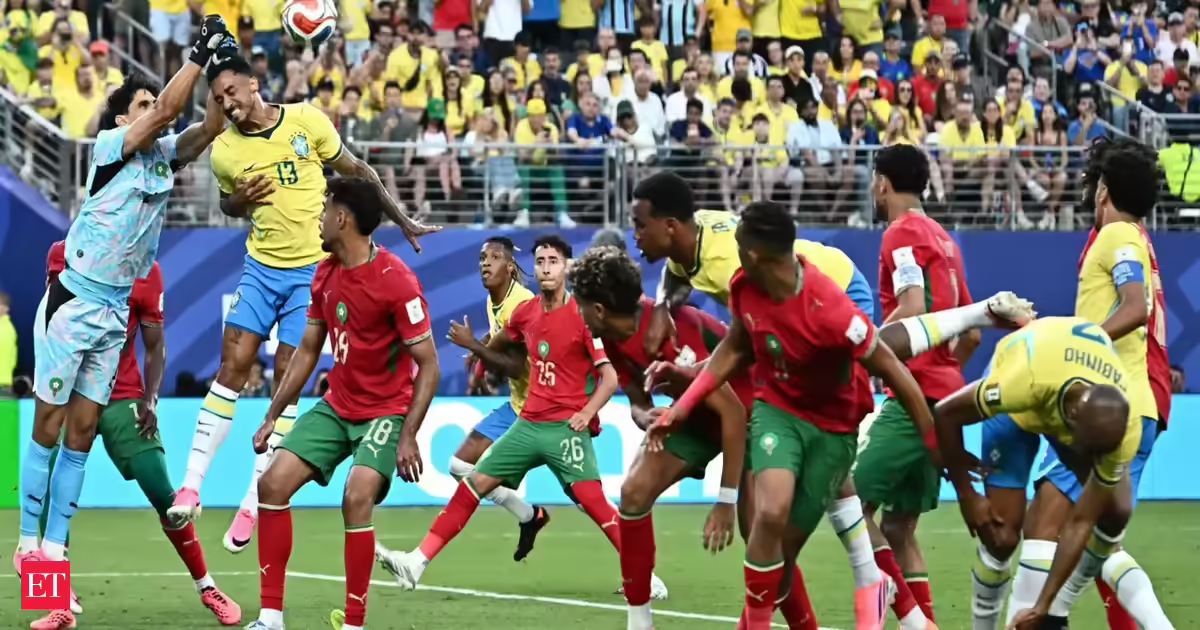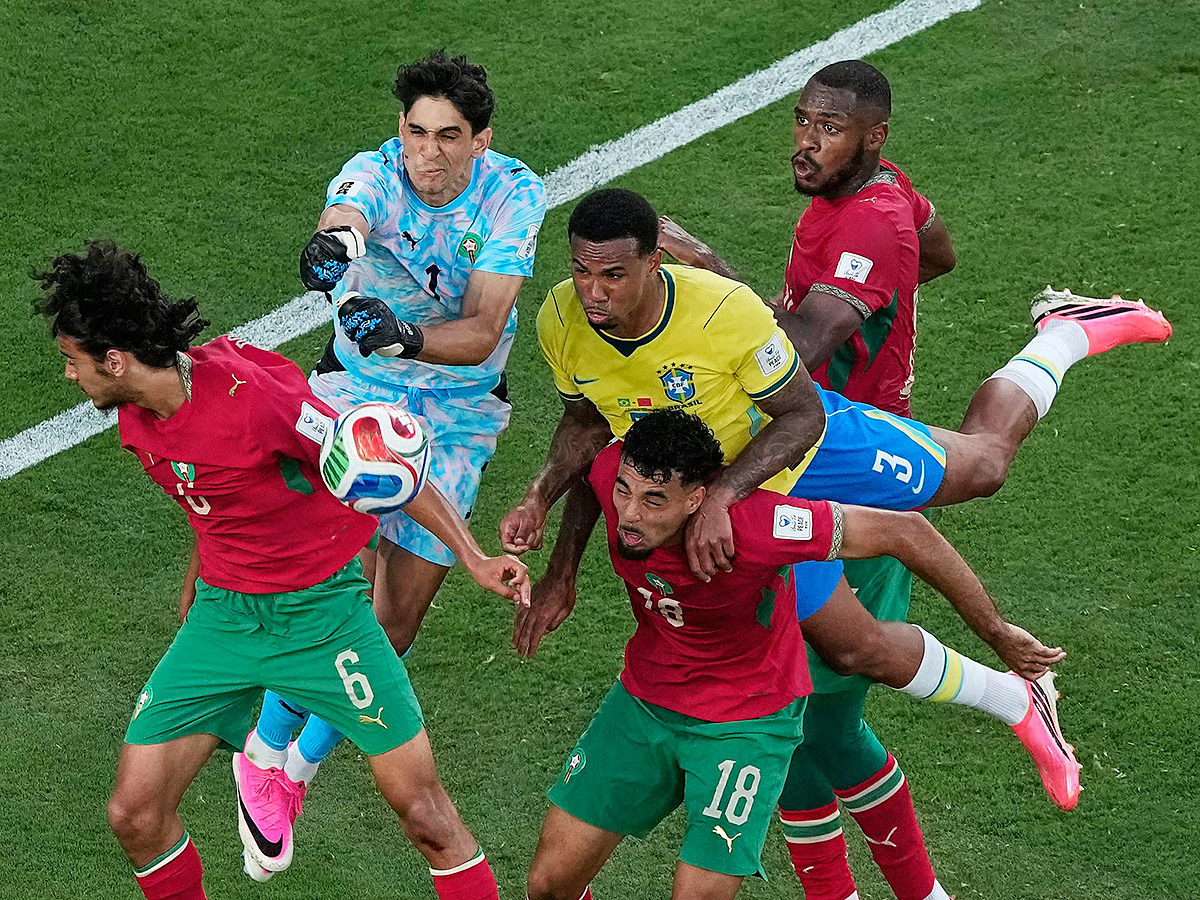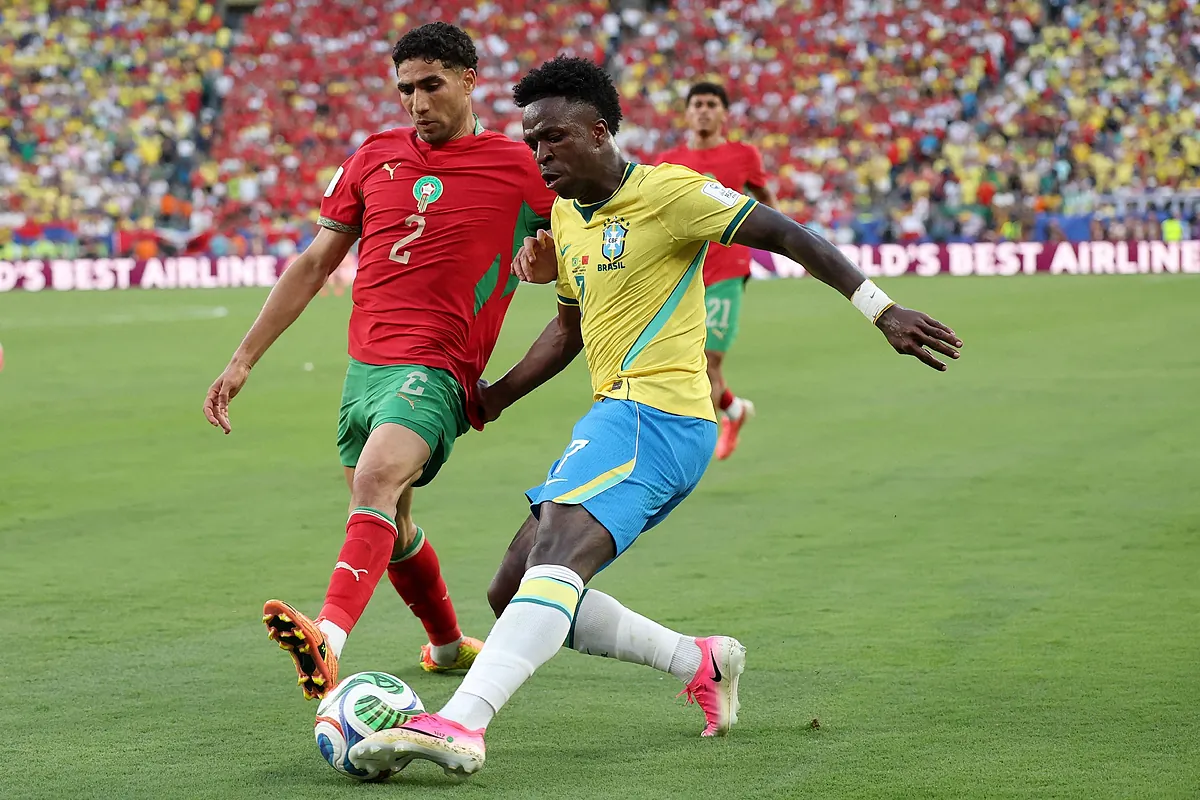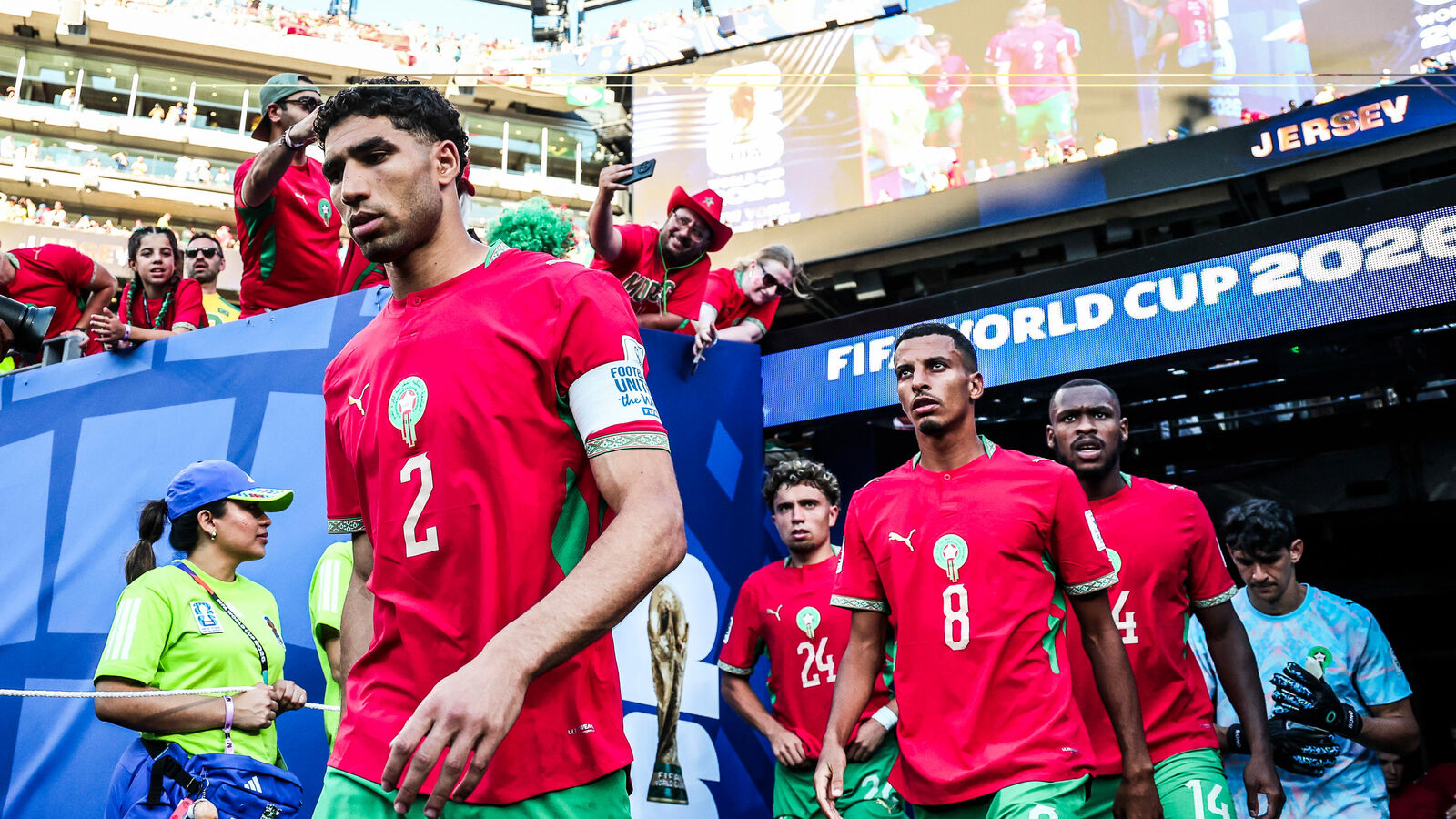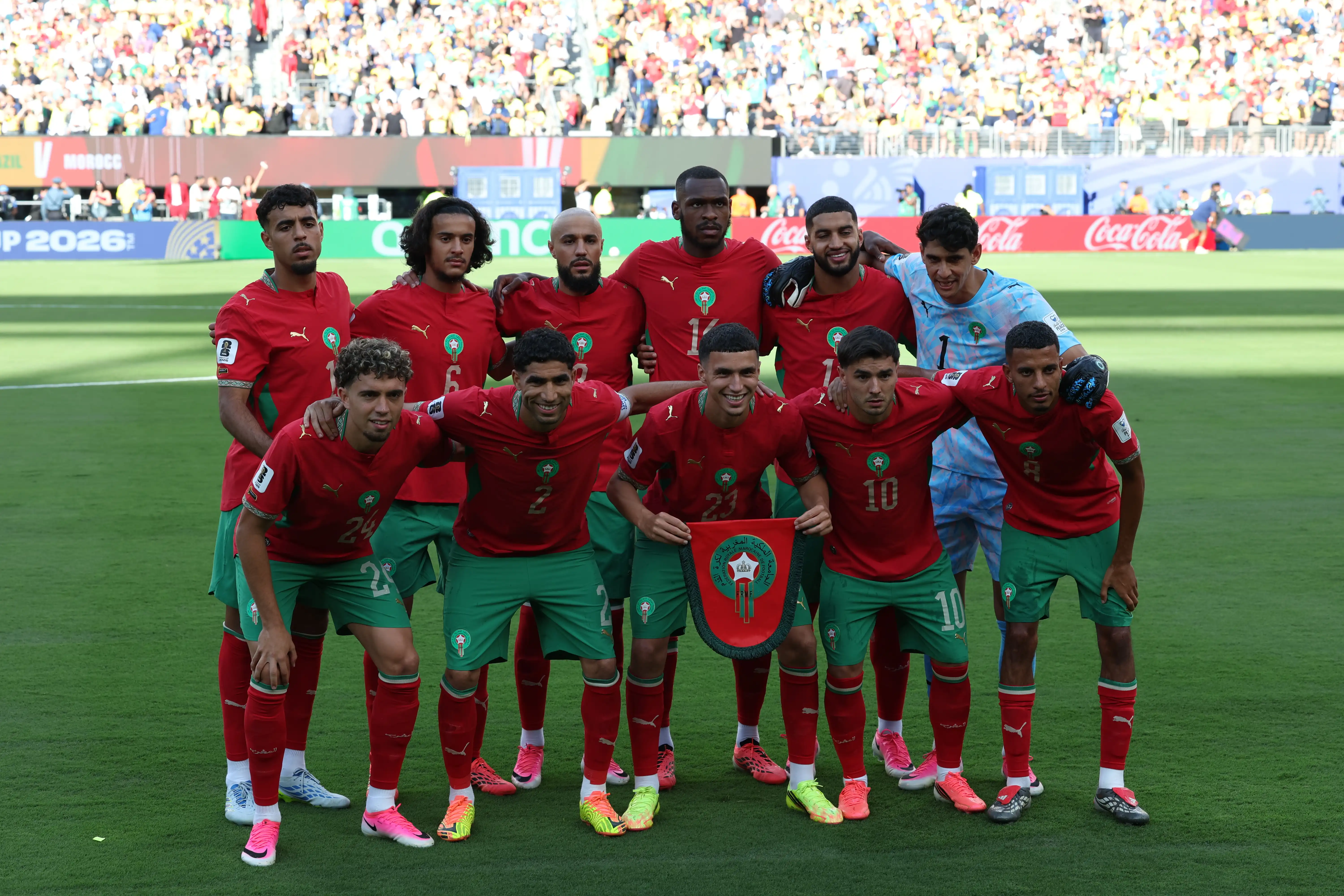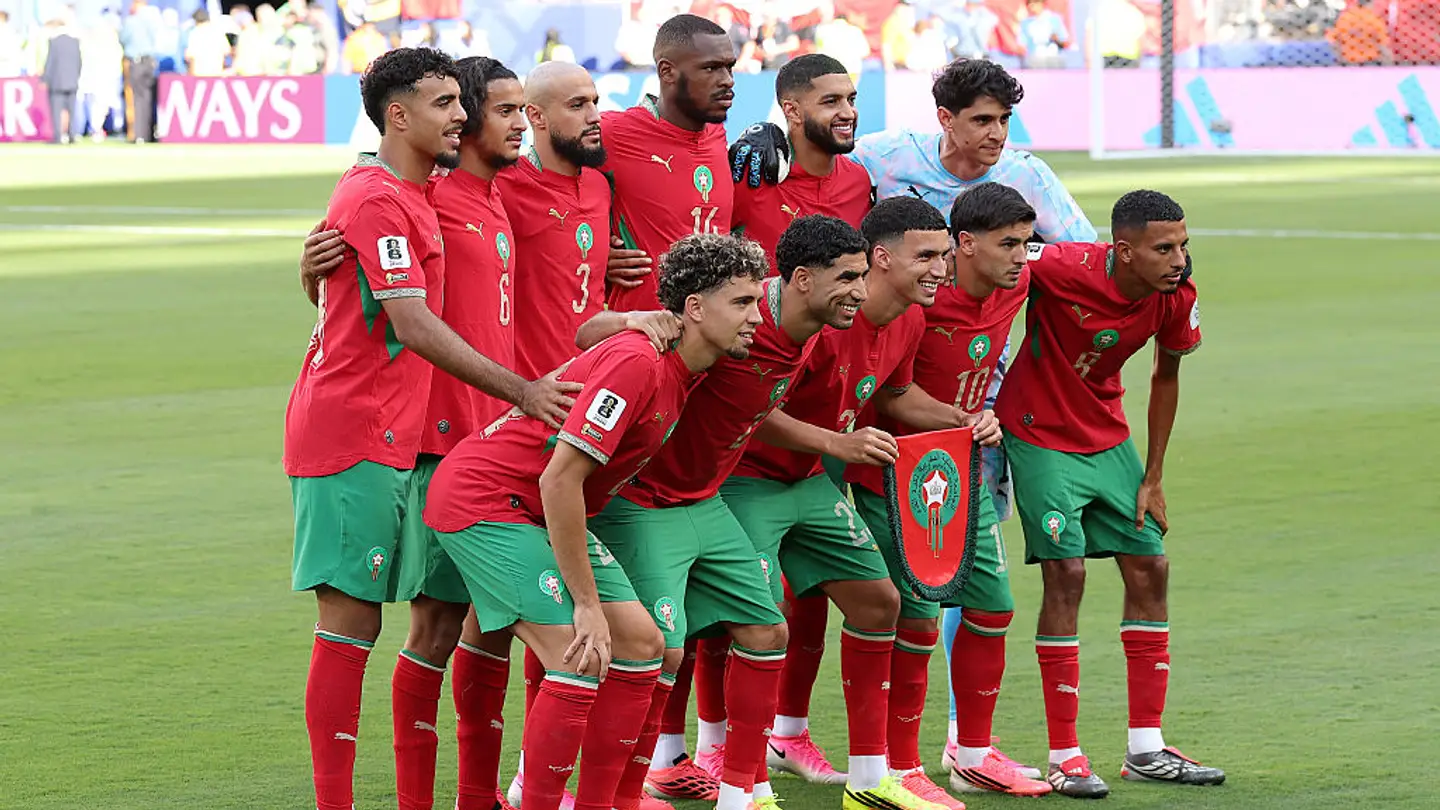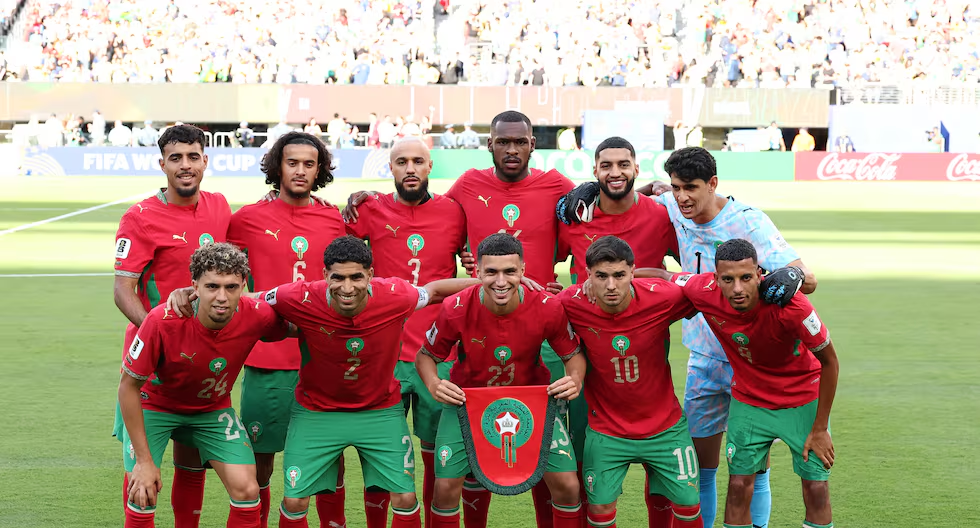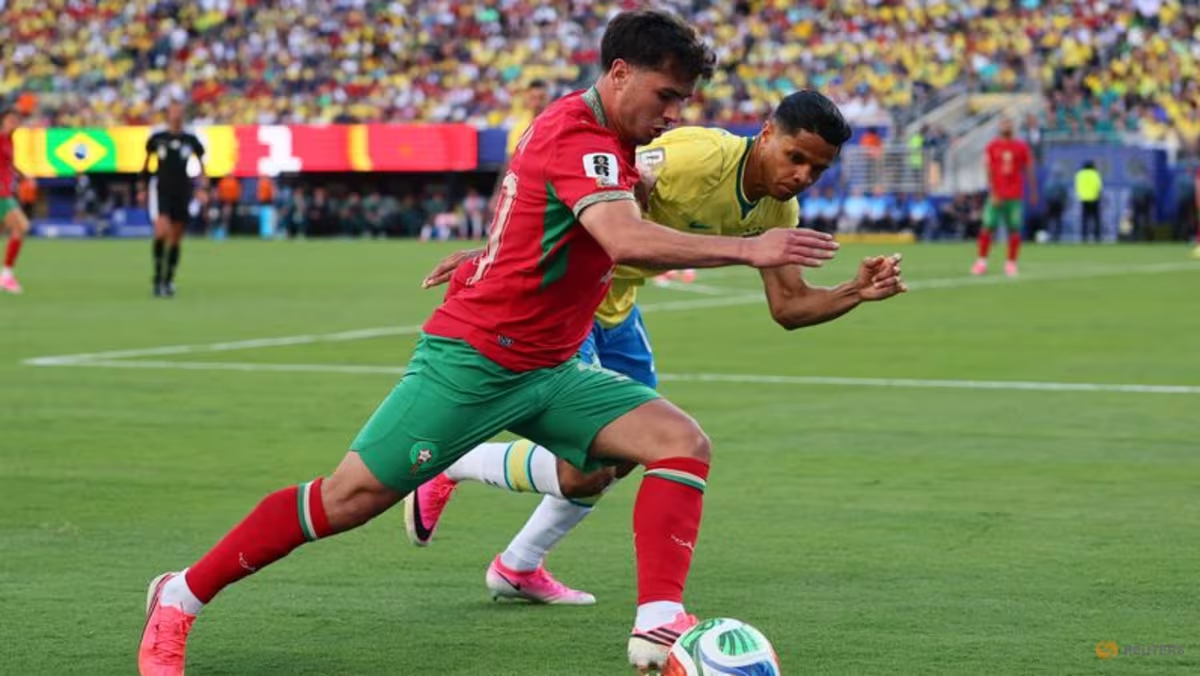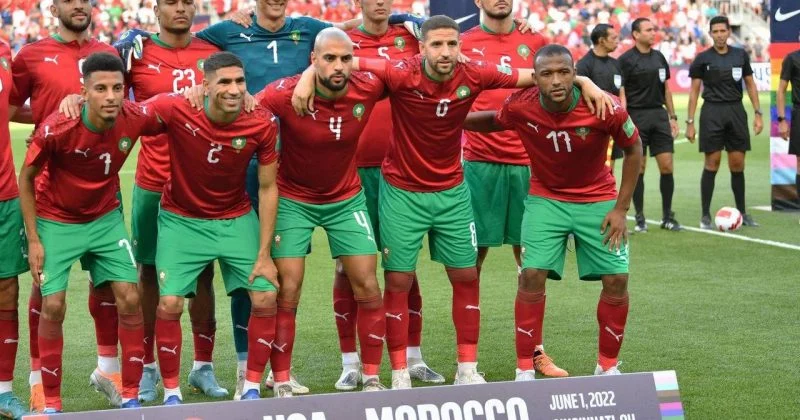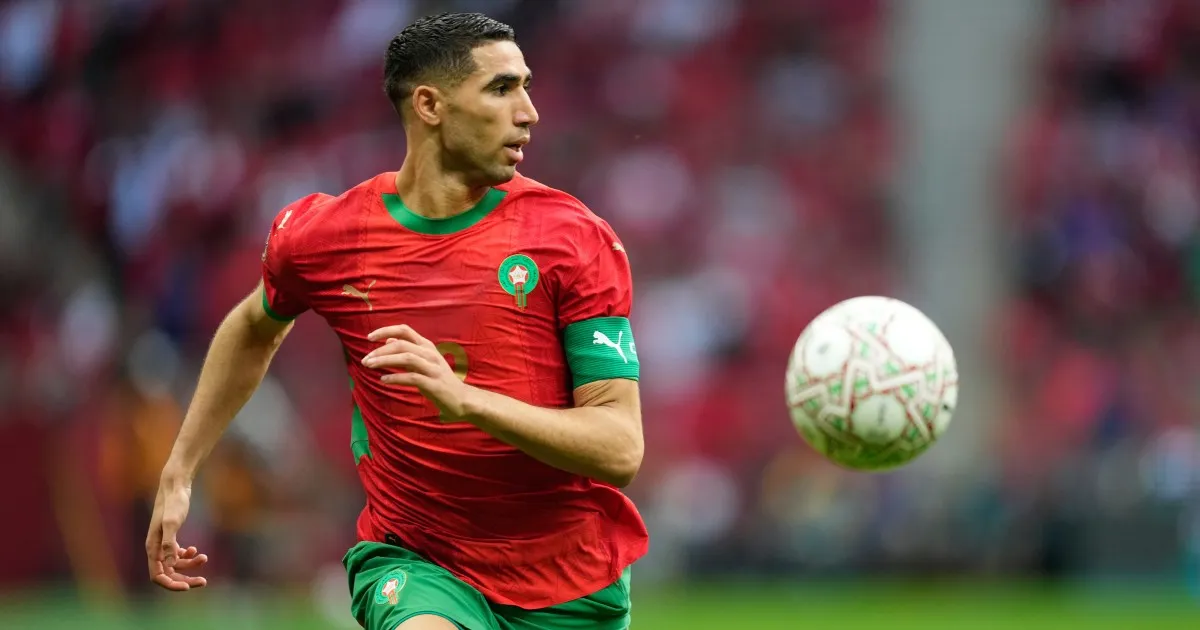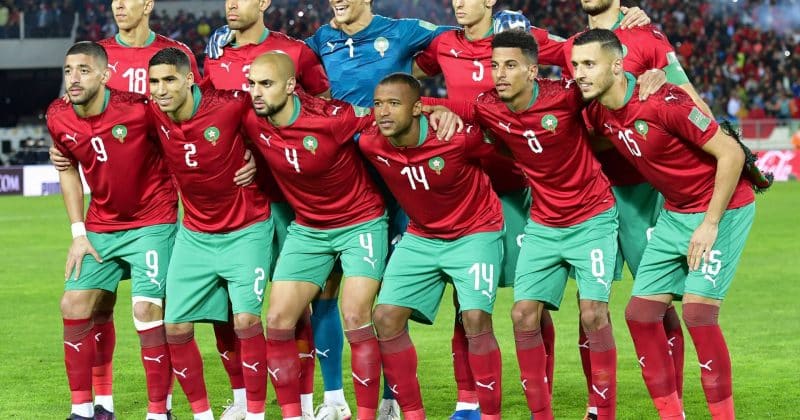
Every single player in the starting XI was born in a European country or Canada. For a nation that has been steadily leaning on its vast diaspora for years, this was less a sudden pivot and more the logical endpoint of a strategy that’s been building across multiple World Cup cycles.
The diaspora pipeline is not new, but the numbers are accelerating
Look at the trajectory. At the 2018 World Cup, 17 out of 23 players on Morocco’s roster were born abroad. By the 2022 World Cup, that figure was 14 out of 26. And for the upcoming 2026 World Cup cycle, the squad composition has pushed even further: 20 out of 26 players were born outside Morocco.
That’s roughly 77% of the roster holding birth certificates from countries like France, Spain, the Netherlands, Belgium, and Canada. The remaining six players born in Morocco are now the minority on their own national team.
This isn’t an accident, and it’s not a controversial loophole. It’s deliberate recruitment strategy executed by the Moroccan Football Federation, known as FRMF, and head coach Walid Regragui. FIFA eligibility rules allow dual-nationality players to choose which country they represent at the international level, and Morocco has been among the most aggressive nations in the world at leveraging that system.