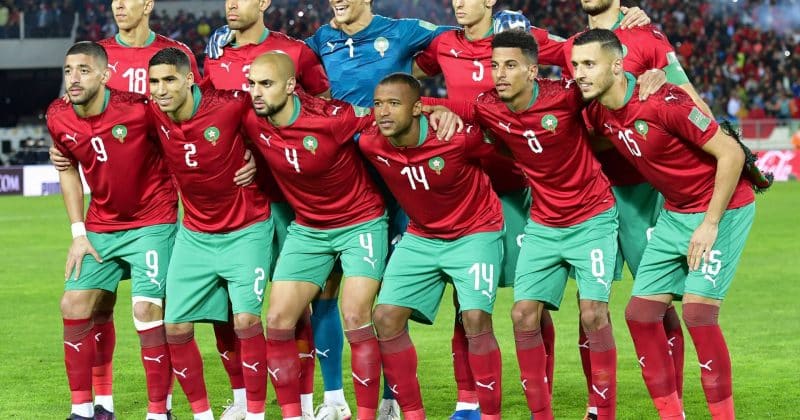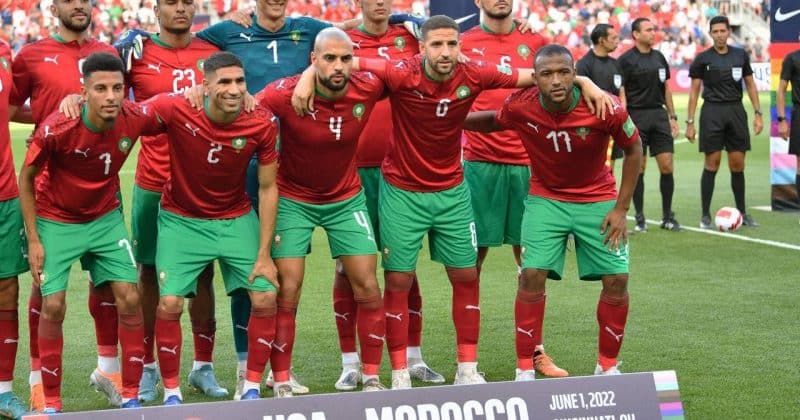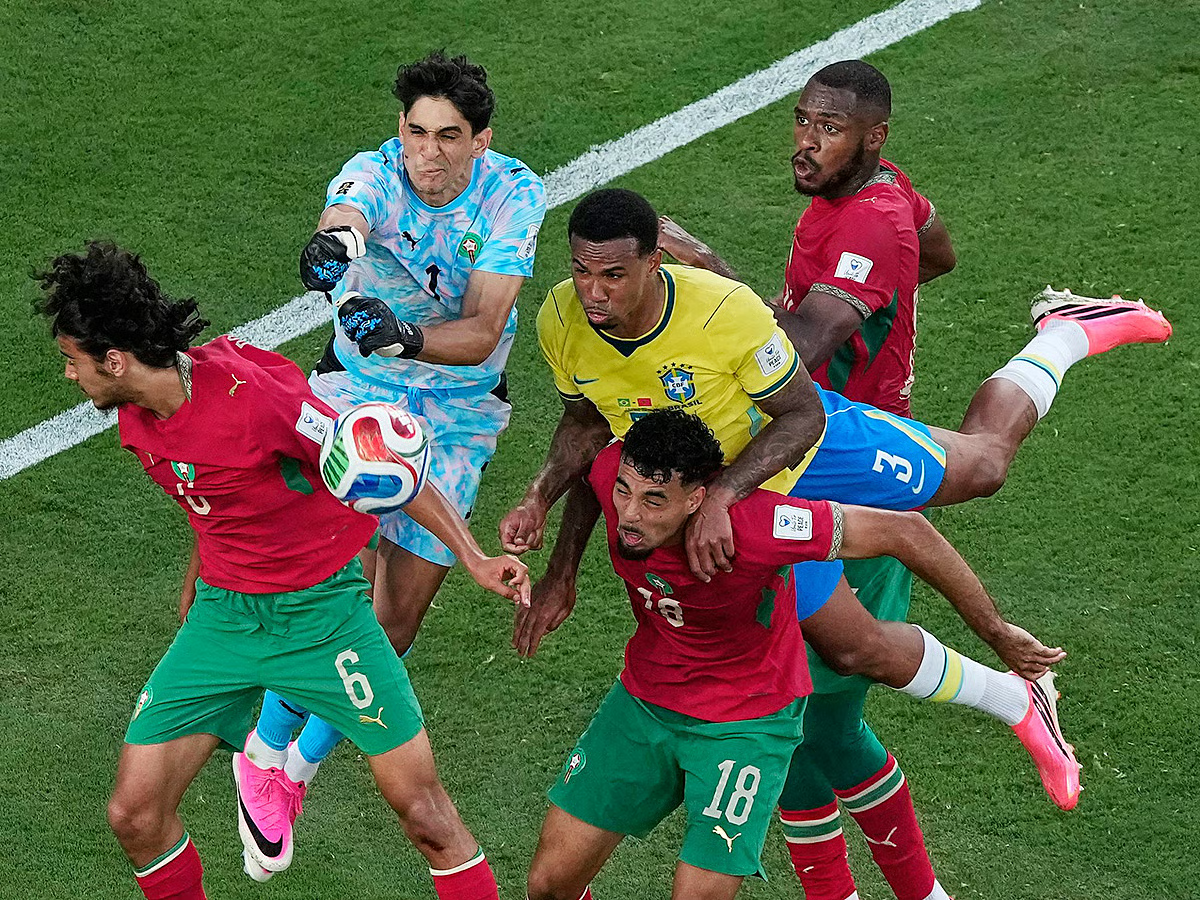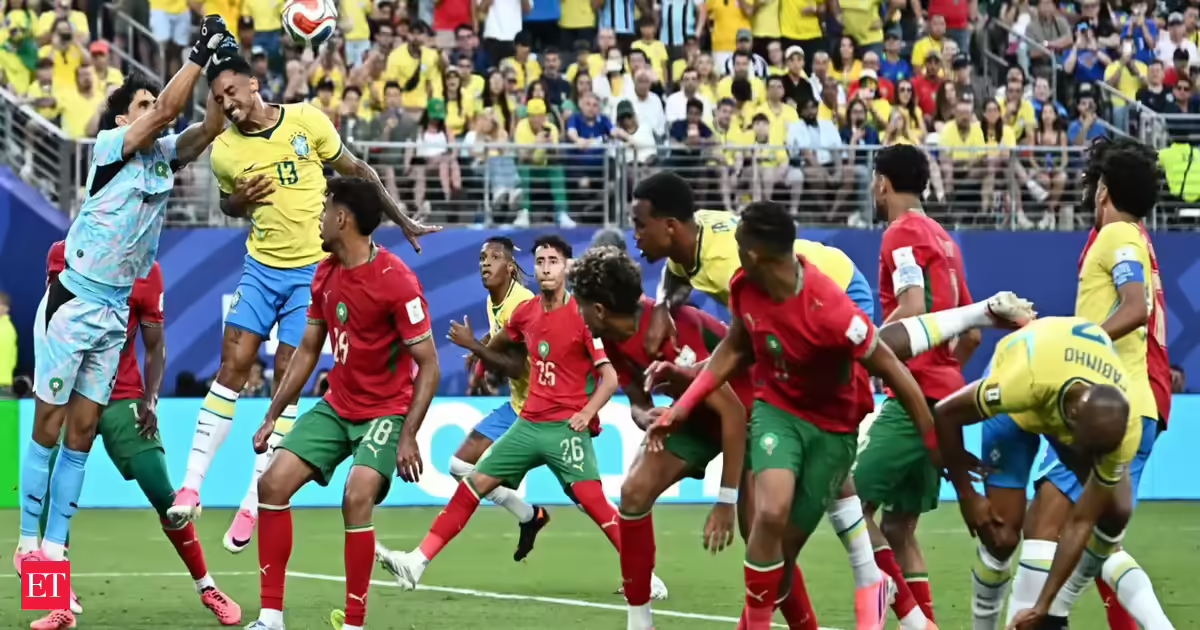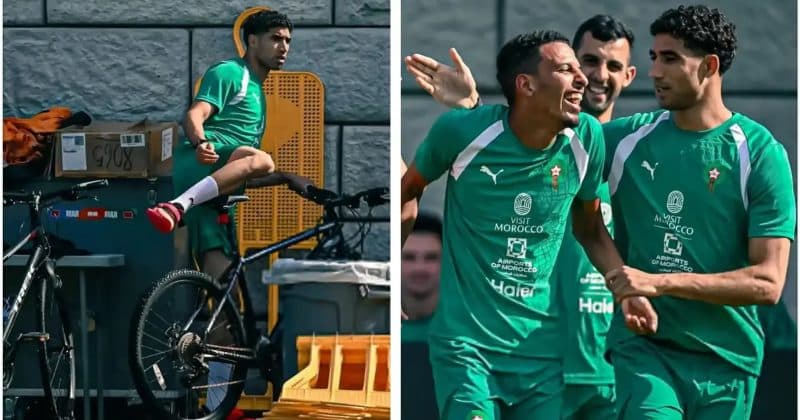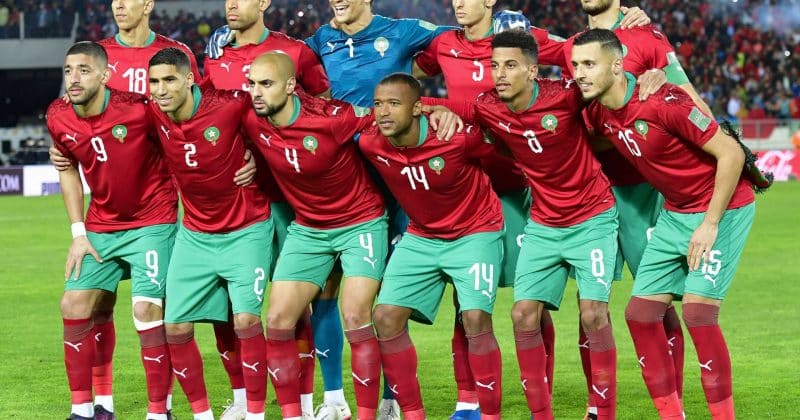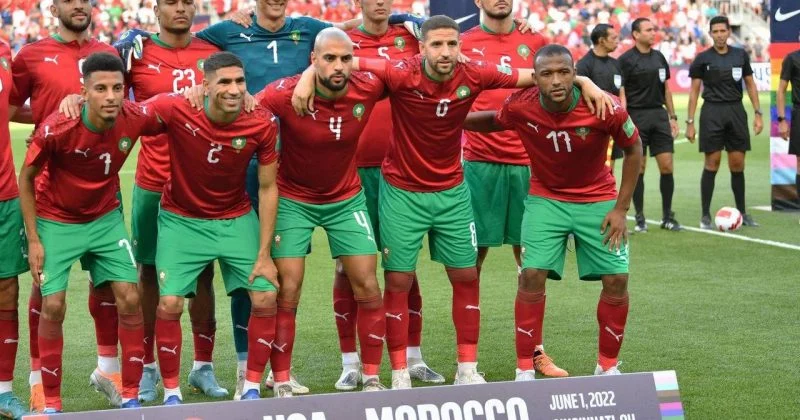
Morocco just fielded an entirely foreign-born starting lineup in their 2026 World Cup opener against Brazil. Every single player on the pitch wearing an Atlas Lions jersey was born outside Morocco. The match ended 1-1, but the real story isn’t the scoreline. It’s the strategy behind it.
The Royal Moroccan Football Federation has turned diaspora recruitment into an art form. Of the 26-man squad selected for the 2026 World Cup, 19 players were born abroad, with 18 of those coming from European nations like France, Spain, the Netherlands, and Belgium. For context, during Morocco’s fairy-tale semifinal run at the 2022 World Cup, 14 of their 26 players were foreign-born. The program has only accelerated since then.
The eligibility switch pipeline
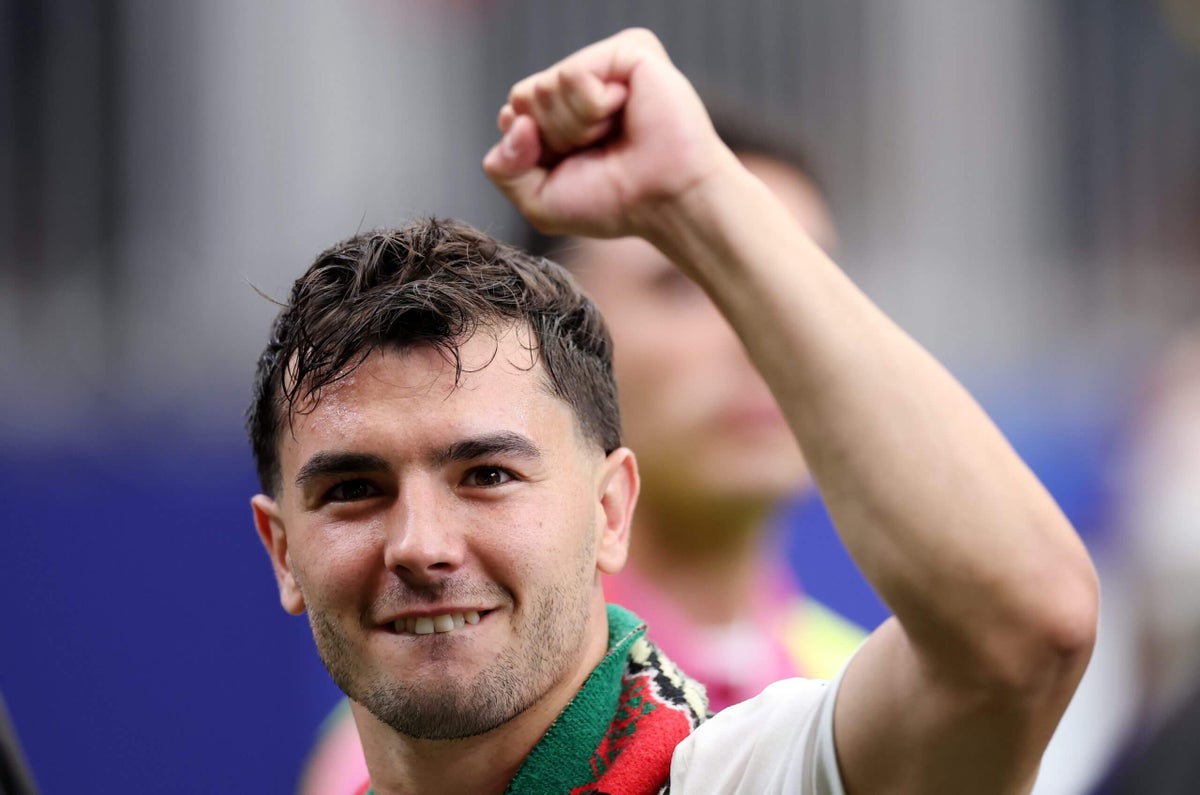
The crown jewel of this recruitment push is Ayyoub Bouaddi, an 18-year-old midfielder who received FIFA approval to switch his national allegiance from France to Morocco on May 15, 2026. Eleven days later, he was named to the World Cup squad. He then started against Brazil.
Bouaddi isn’t an isolated case. Since March 2025, the FRMF has successfully processed 16 eligibility switches for diaspora players. That’s roughly one switch per month, a cadence that suggests this isn’t opportunistic poaching but a systematic, institutional strategy.