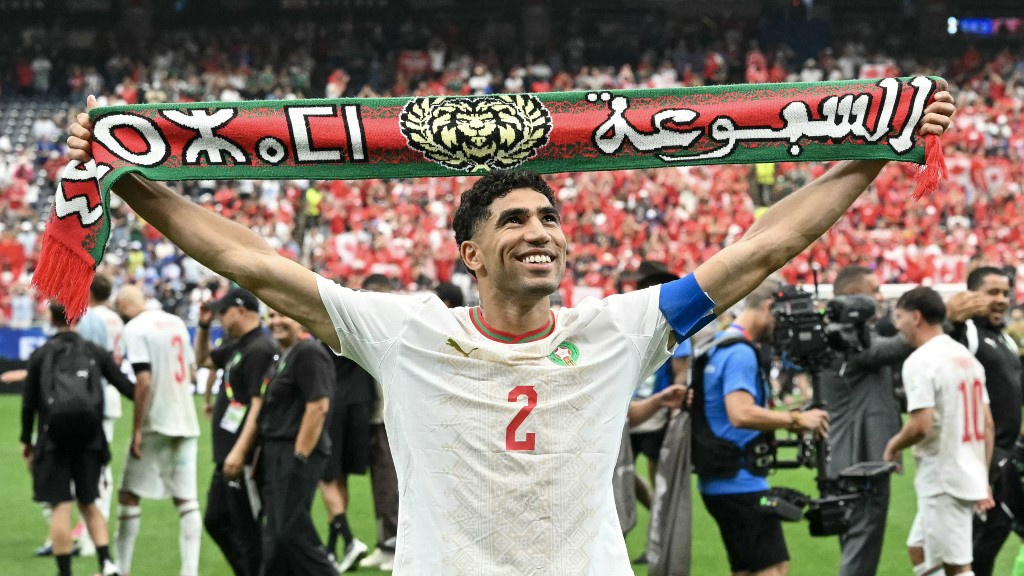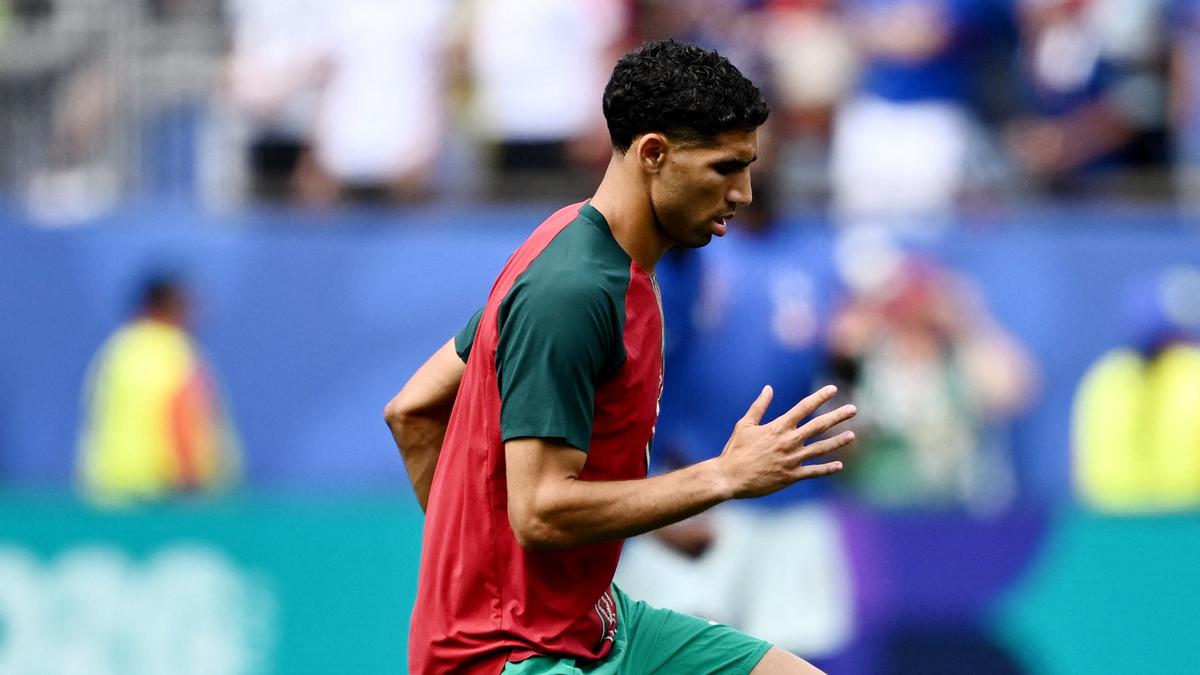
While Morocco has benefited from the presence of heritage players like Hakimi, other African nations have struggled at the global level despite their recruitment drive.
| Photo Credit: Reuters
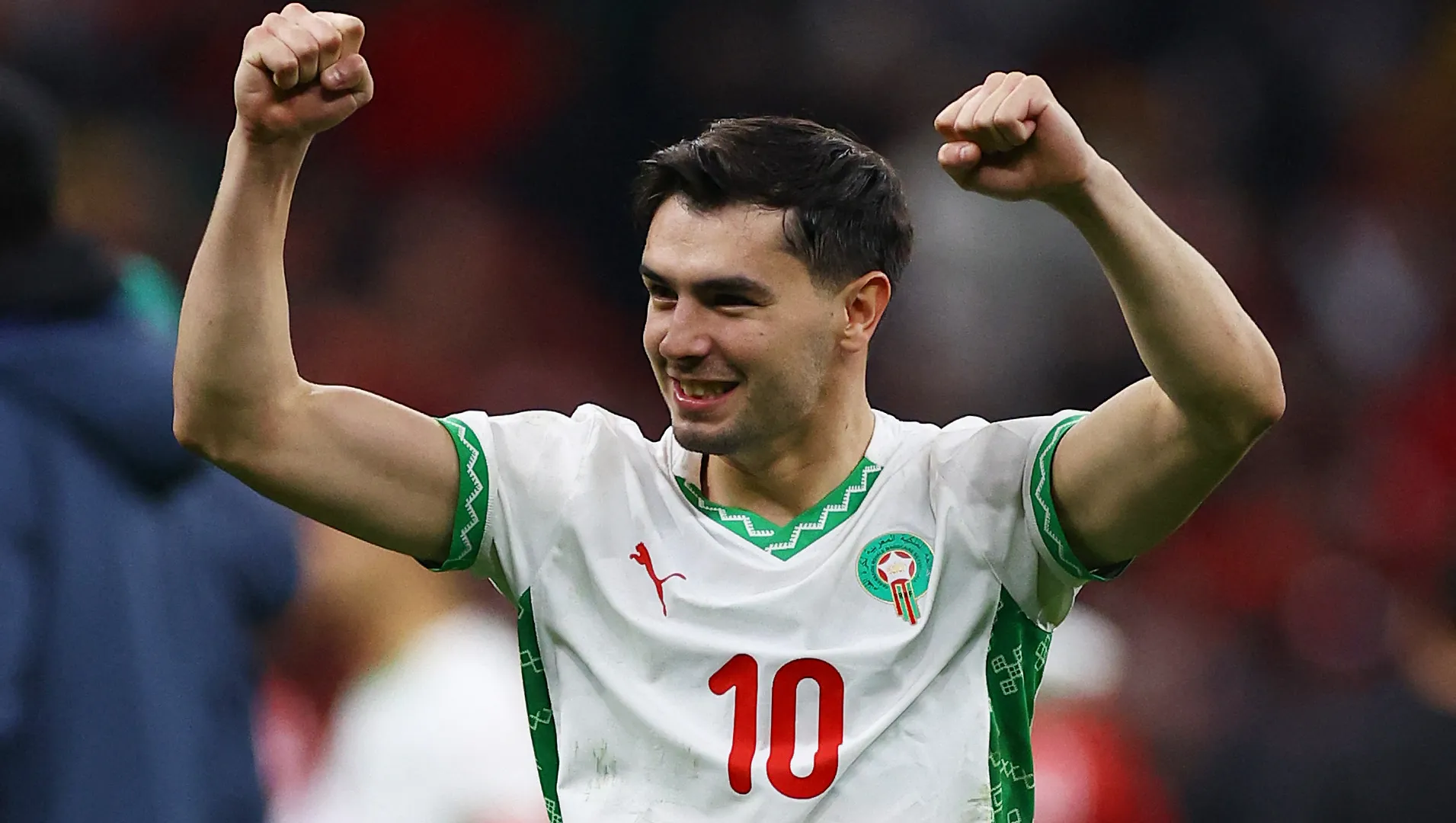
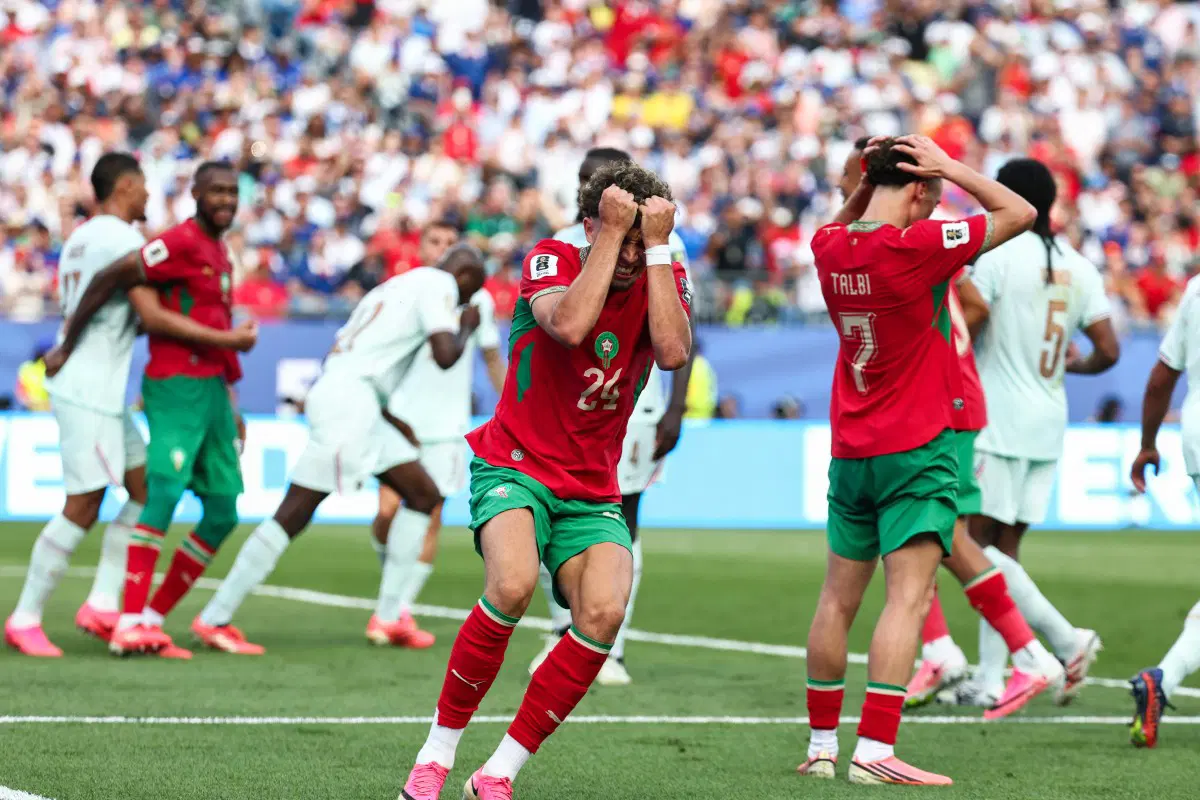
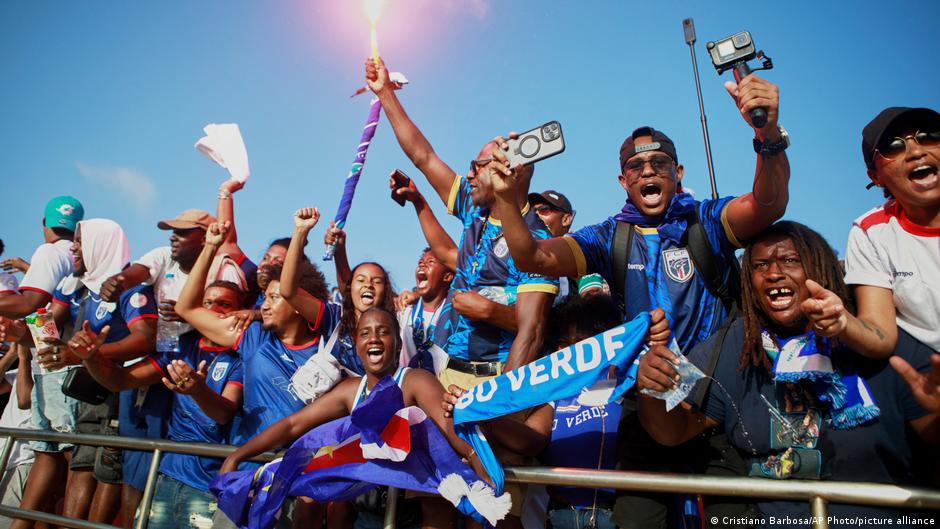
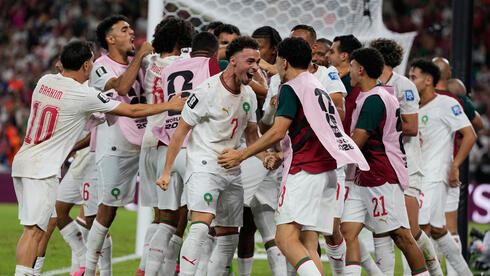
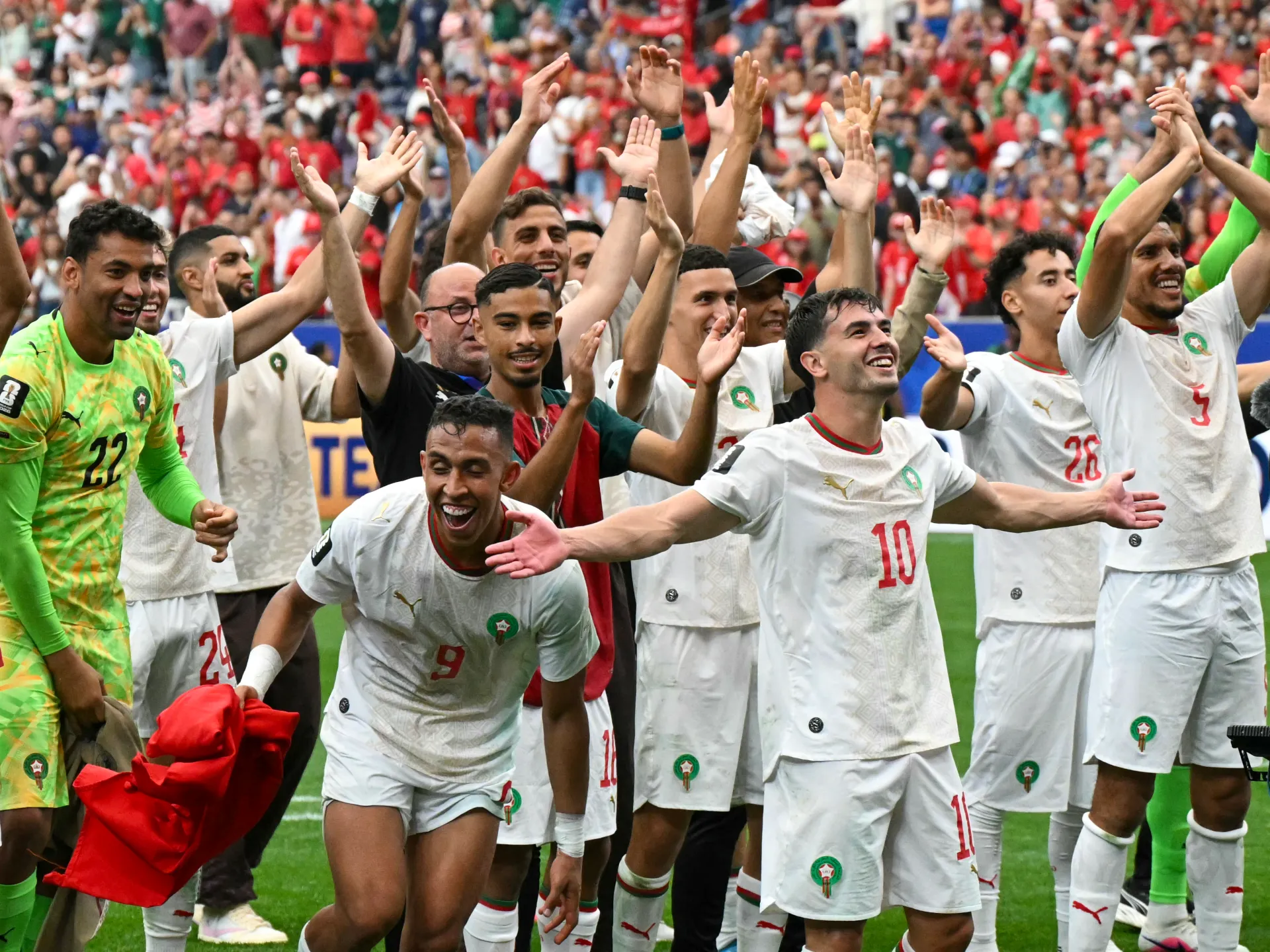
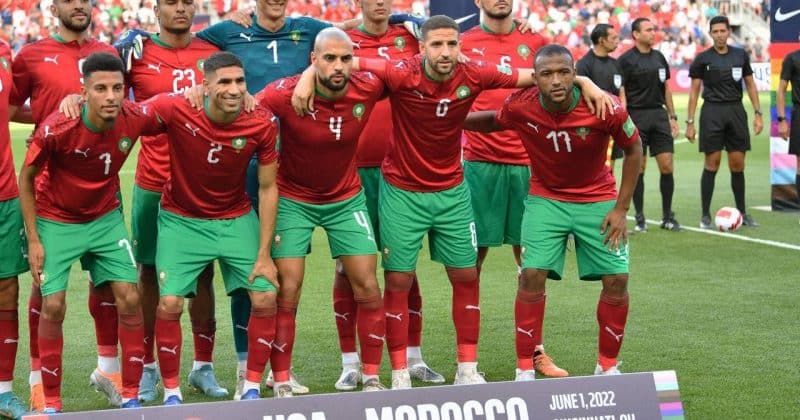
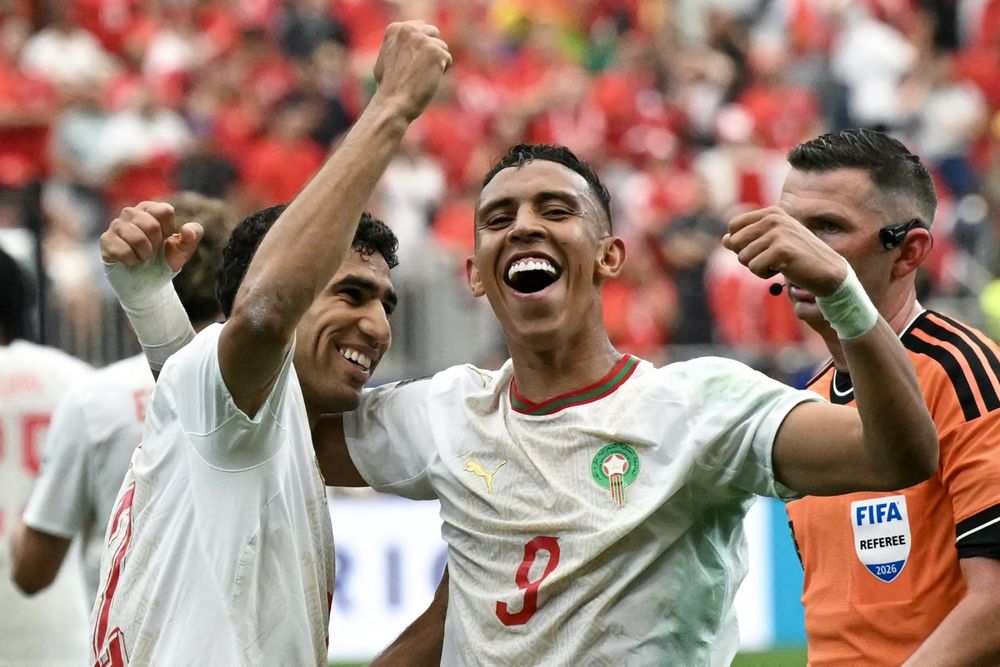
Spain, France and Belgium. To the wider football community, these are the three other active teams in the World Cup bracket that Morocco finds itself in (as on Thursday). But for those associated with the ‘beautiful game’ in the African nation, these are lands which produced and polished some of the gems who have sparkled at the global spectacle.It would not be an exaggeration to say that the 2022 WC semifinalist has hugely benefited from the strong presence of heritage players – as many as 19 members in the final 26-man squad were born outside the country.Fascinatingly, there was a period against Brazil when the Atlas Lions fielded an XI with no Morocco-born footballers.Morocco is not the only African nation relying on origin players. Algeria, DR Congo, Senegal, Ivory Coast and Cape Verde – some of the other sides from that continent which made it to the knockouts – have had a lot of European flavour. In a few cases, the teams pull out all stops to bring someone ‘home’.For instance, centre-back Pico Lopes, one of Cape Verde’s superheroes in its debut WC run, was roped in via a ‘recruitment drive’ on LinkedIn.But in the grand scheme of things, the acquisition of heritage players has not led to spectacular success at the global level, with Morocco being an exception.While the National federations have every right to coax players who satisfy the FIFA eligibility criteria, they must develop their respective football structures to expand the pool of home-grown talent. It should not be forgotten that the majority of the origin footballers learnt the tricks of their trade in European academies.In areas where people’s hearts beat for football, wisely investing more time, effort and money is not a strenuous task.When a solid groundwork is laid, the African nations can call the shots in the following instances – when heritage players view them as an easier route to international football and when they choose them only after being overlooked by their country of birth.Morocco is currently the standard-bearer for African football. For others to challenge it, ‘Made in Africa’ may not be a bad option. Published - July 10, 2026 01:00 am IST