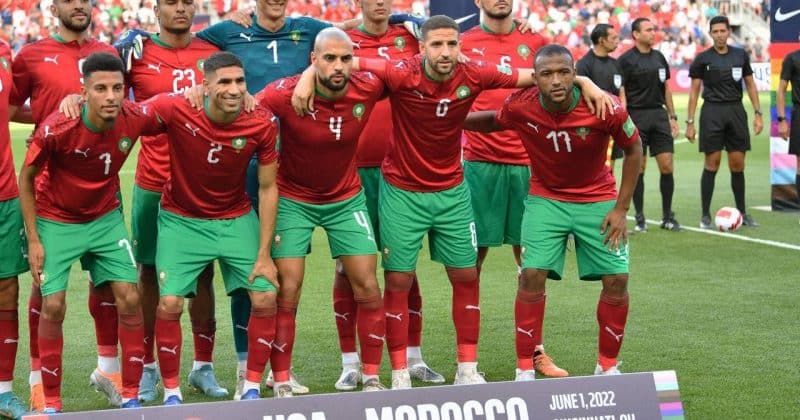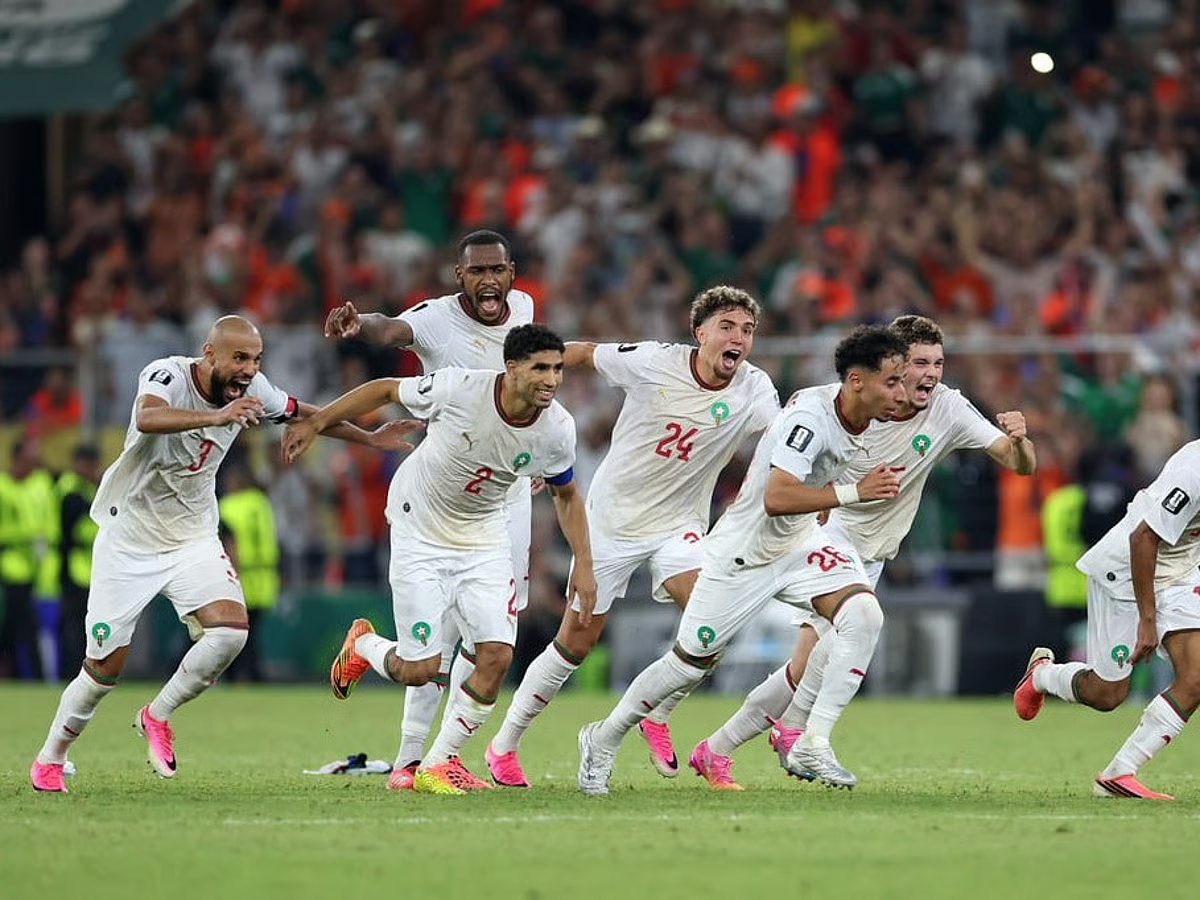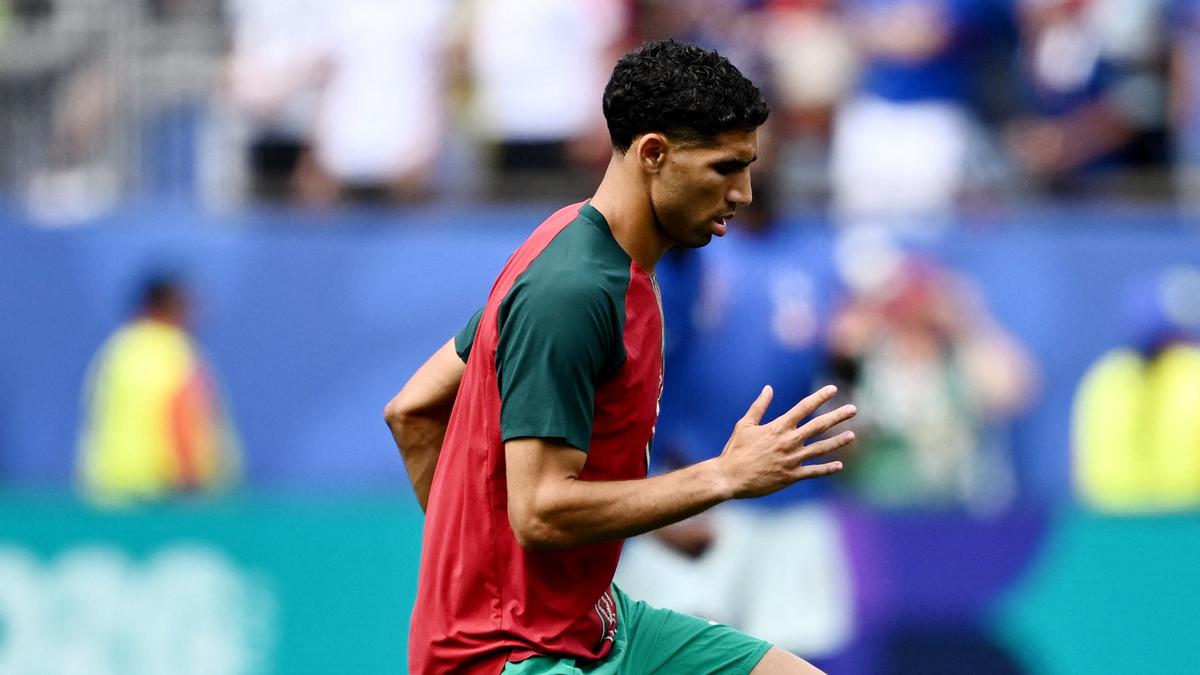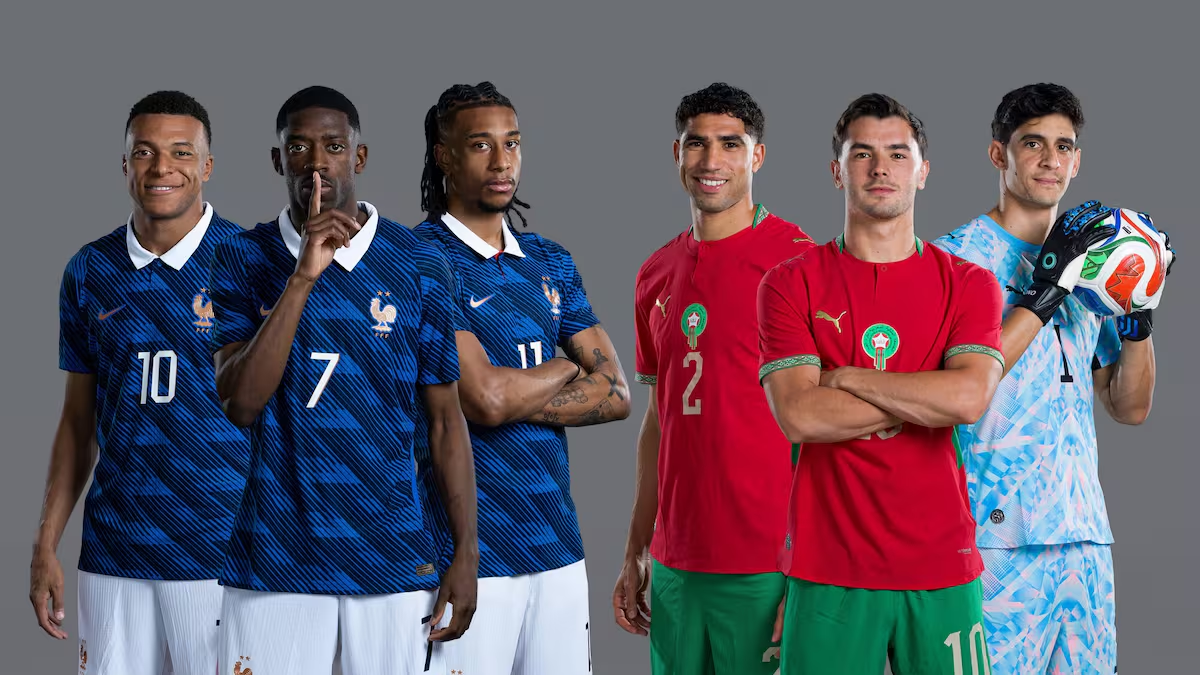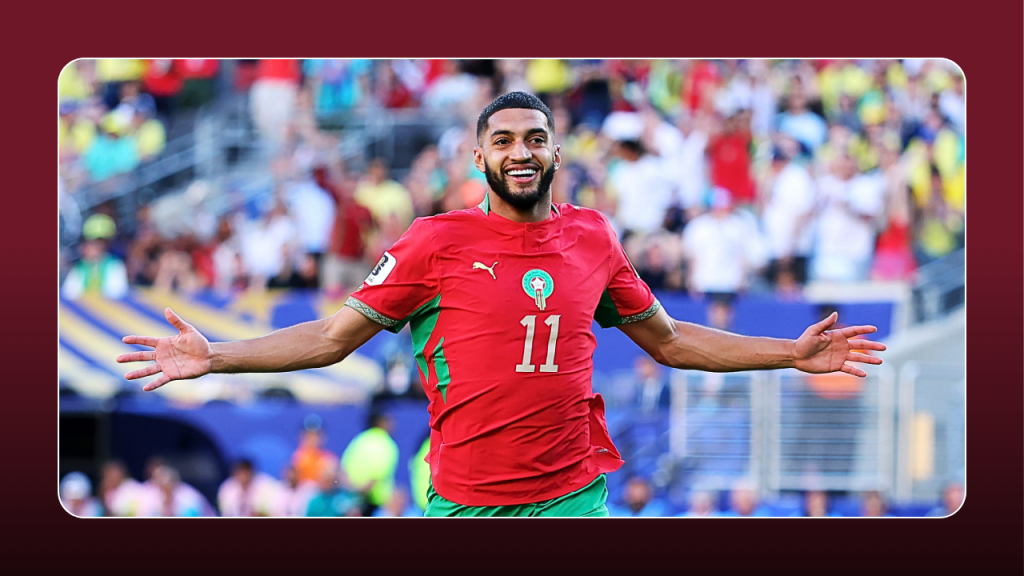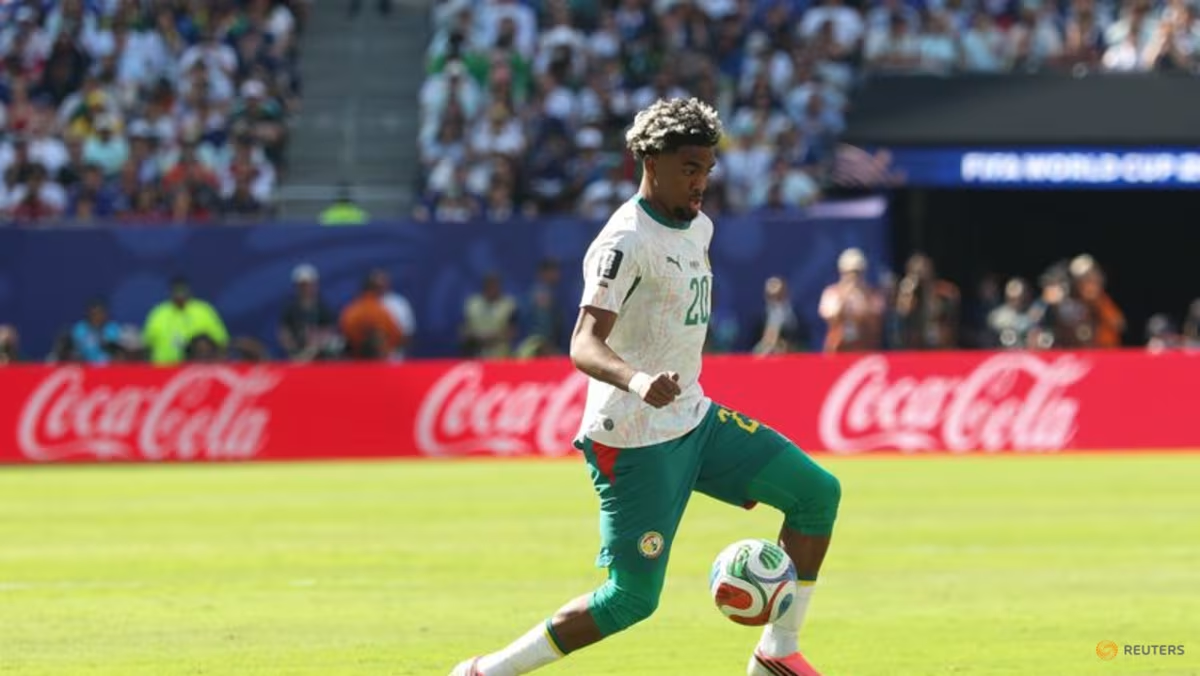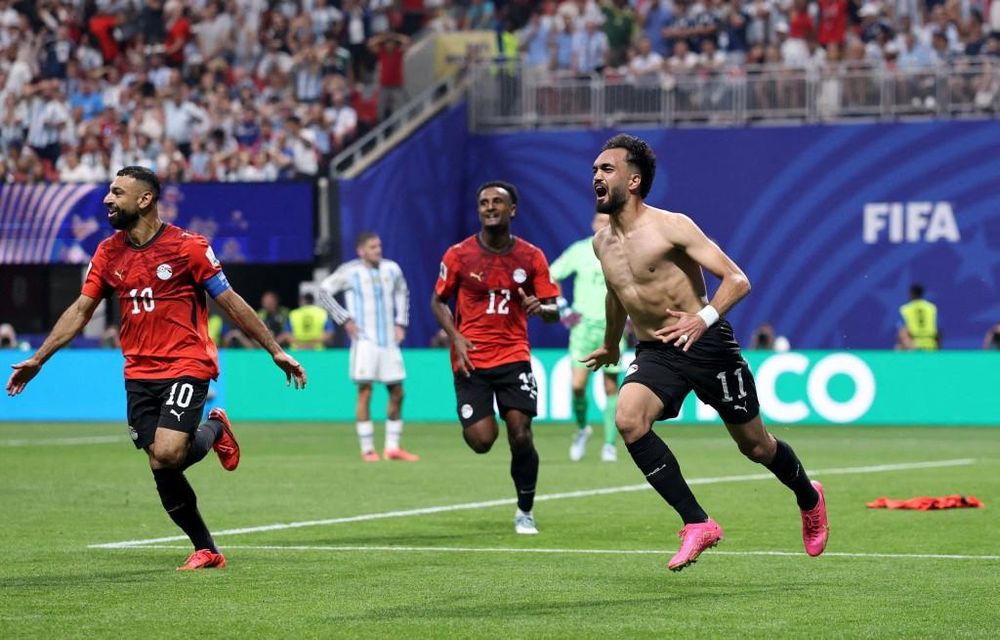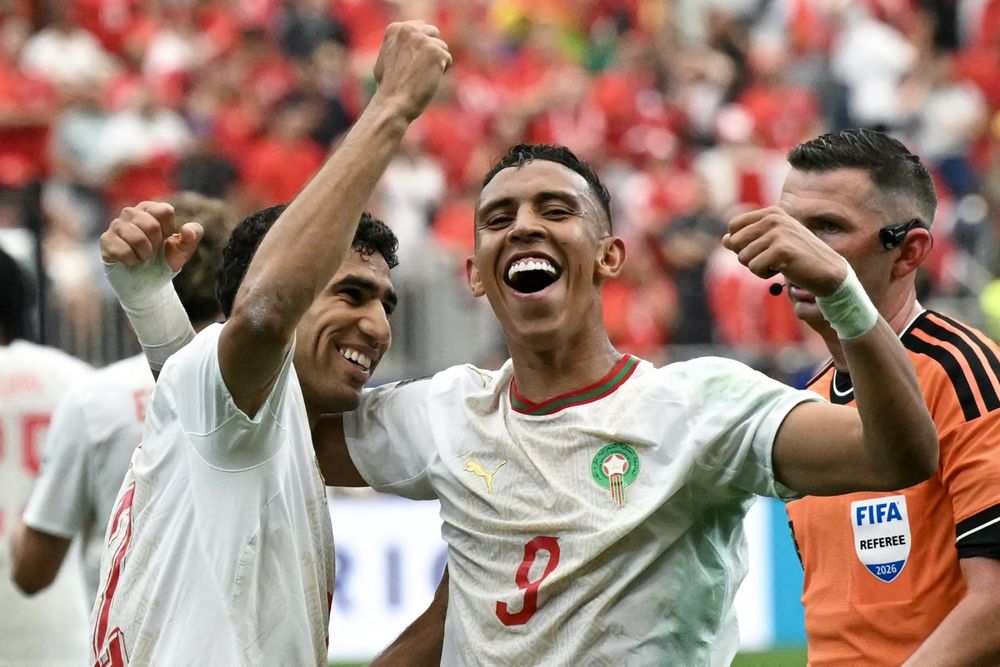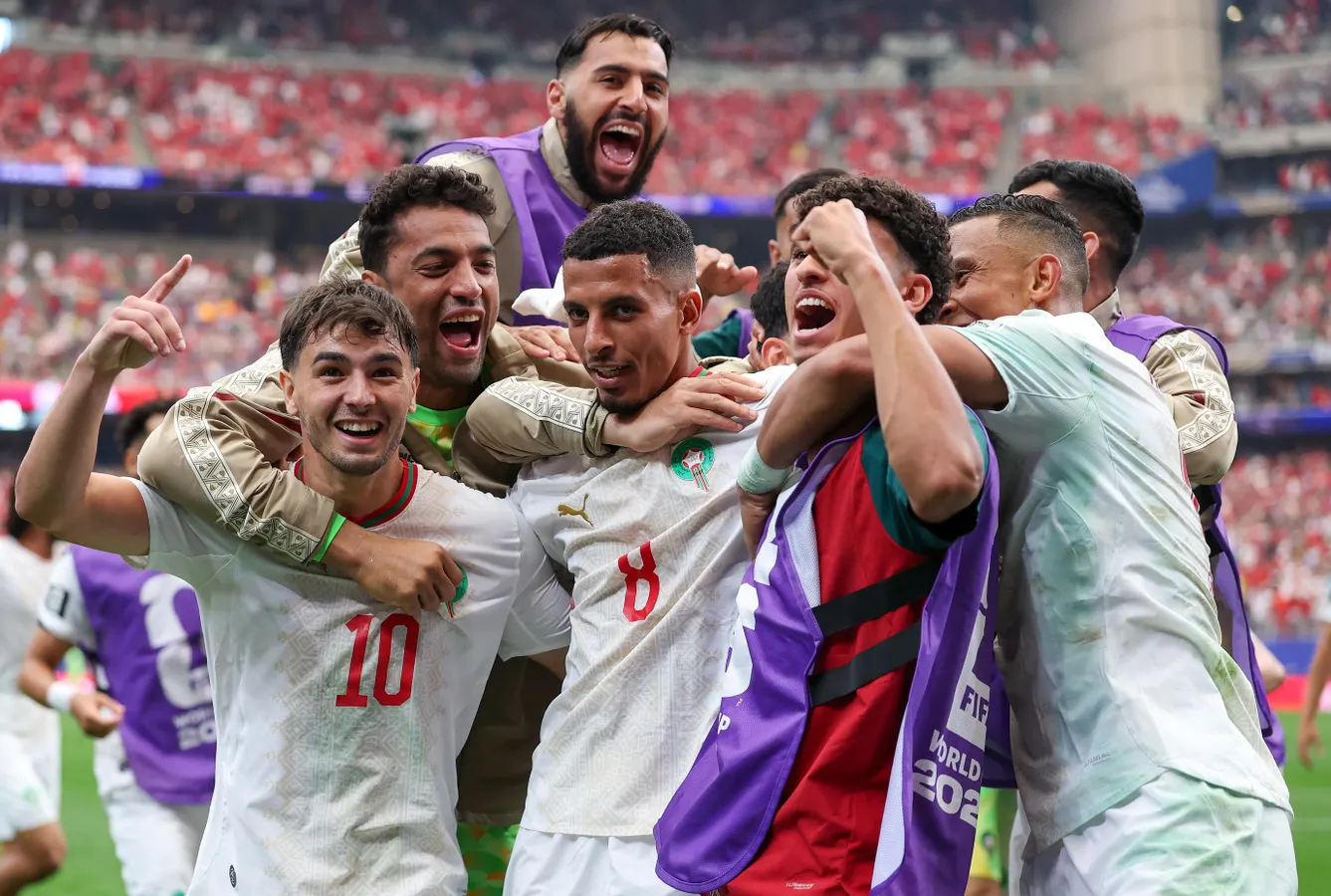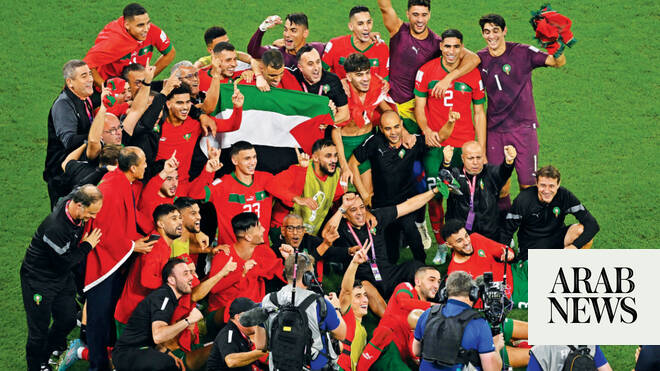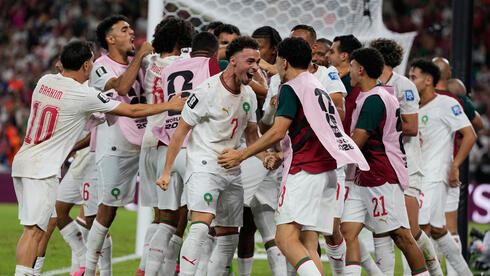
Morocco’s success shows how European-trained talent and African identity are reshaping the World Cup’s balance of powerDr. Ofer Mokhtar| Related TopicsThe current World Cup tournament may well signal a turning point in global soccer's traditional balance of power. Some of Europe's greatest soccer powerhouses, such as Italy (which failed to qualify altogether), Germany and the Netherlands, have suffered stinging defeats and are now undergoing a generational transition. Meanwhile, African national teams are surging ahead, showcasing a brand of passionate soccer that proves the historical quality gaps between the continents have been virtually erased.GalleryThe Morocco soccer national team (Photo: AP Photo/Ricardo Mazalan)The stellar performance of African teams in this World Cup—evidenced by nine out of ten teams advancing to the knockout stage, alongside the premature exit of European giants makes it clear that soccer's geopolitical map is shifting before our eyes.The ultimate testament to this paradigm shift is Morocco. The Atlas Lions stunned the world by becoming the first African and Arab nation in history to reach the World Cup semifinals in Qatar 2022. In the current tournament, they continue to prove that achievement was no fluke, going toe-to-toe with the titans of world soccer and eliminating the Netherlands.The vast majority of Morocco's squad consists of players who were not raised in the country, but were born or nurtured in France, the Netherlands, Belgium and Spain. Superstars like Achraf Hakimi, Sofyan Amrabat, Noussair Mazraoui and Brahim Díaz are pure products of elite European soccer culture, state-of-the-art facilities and advanced tactics. This unique fusion of Europe's scientific training and the African heart has forged one of the finest national teams in the world.Achraf Hakimi (Photo: IMAGO)In the past, dual-national players routinely opted for dominant European national teams like France or the Netherlands, chasing more prestigious international careers. The current shift is, above all, a psychological one—players are now choosing Morocco out of genuine pride and a deep sense of identity. Many European-born players grew up in traditional Moroccan households; for them, representing the homeland of their parents or grandparents is the fulfillment of a family dream and a connection to their roots, far transcending a mere professional career choice.Ultimately, global soccer has created an ironic paradox: while European nations invest immense resources into nurturing and educating these talents, they end up losing them to their ancestral homelands. African teams, spearheaded by Morocco, have successfully weaponized the flawless professional and tactical foundation these players received in Europe, blending it with fierce national commitment, a fighting spirit and deep cultural roots. In a sense, Europe has cultivated within its own elite academies the very generation that threatens to dethrone it from the pinnacle of world soccer.The author is a sports expert and senior lecturer in the Department of Criminology at Ashkelon Academic College.Comments
The rise of African soccer signals new world order
Morocco’s success shows how European-trained talent and African identity are reshaping the World Cup’s balance of power
459 words~2 min read