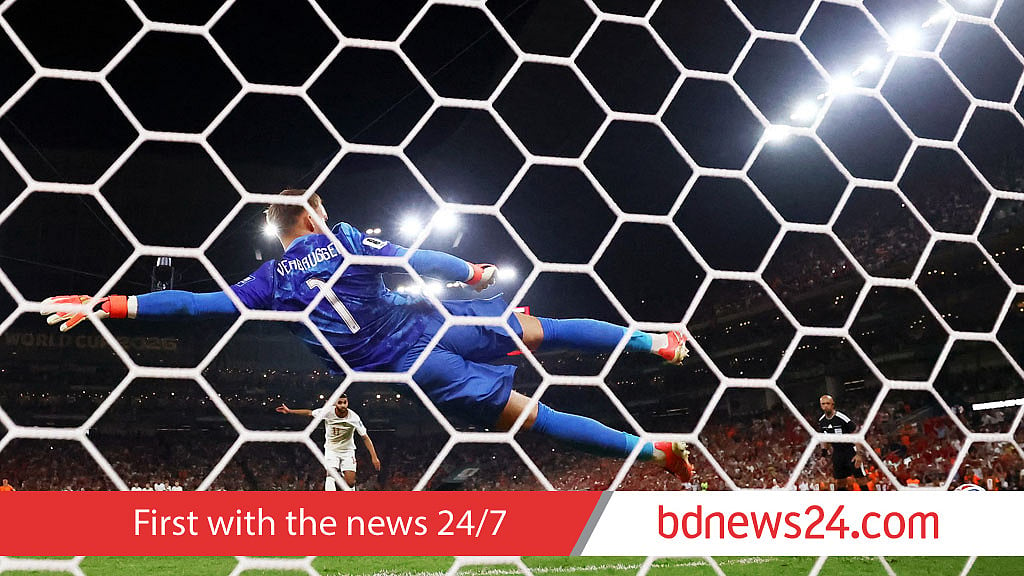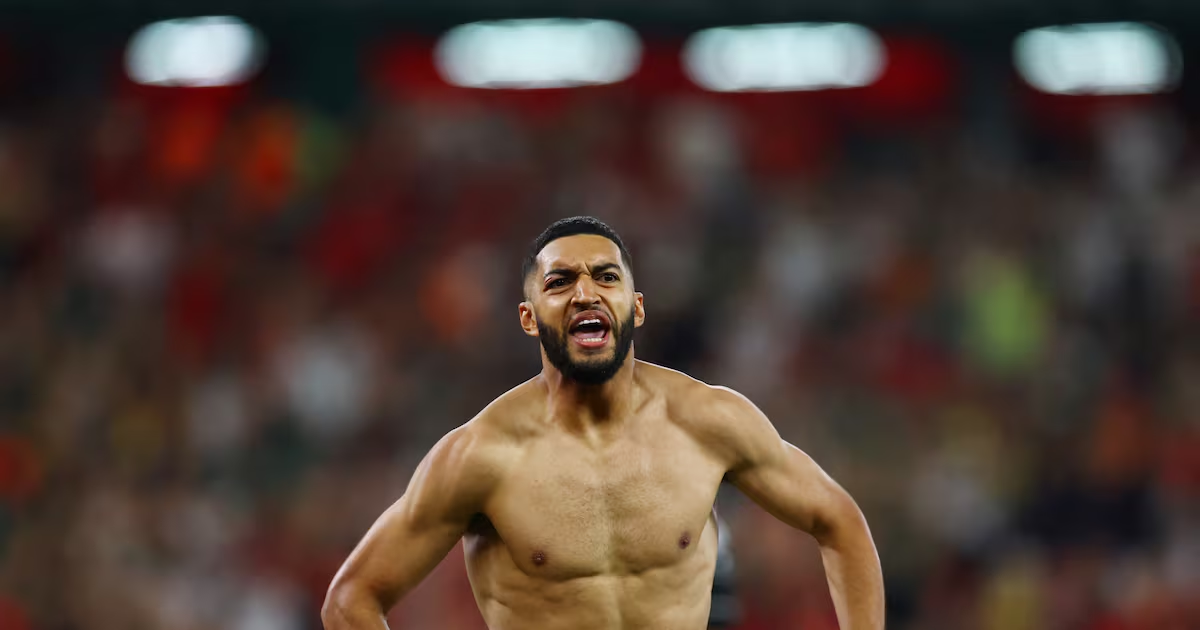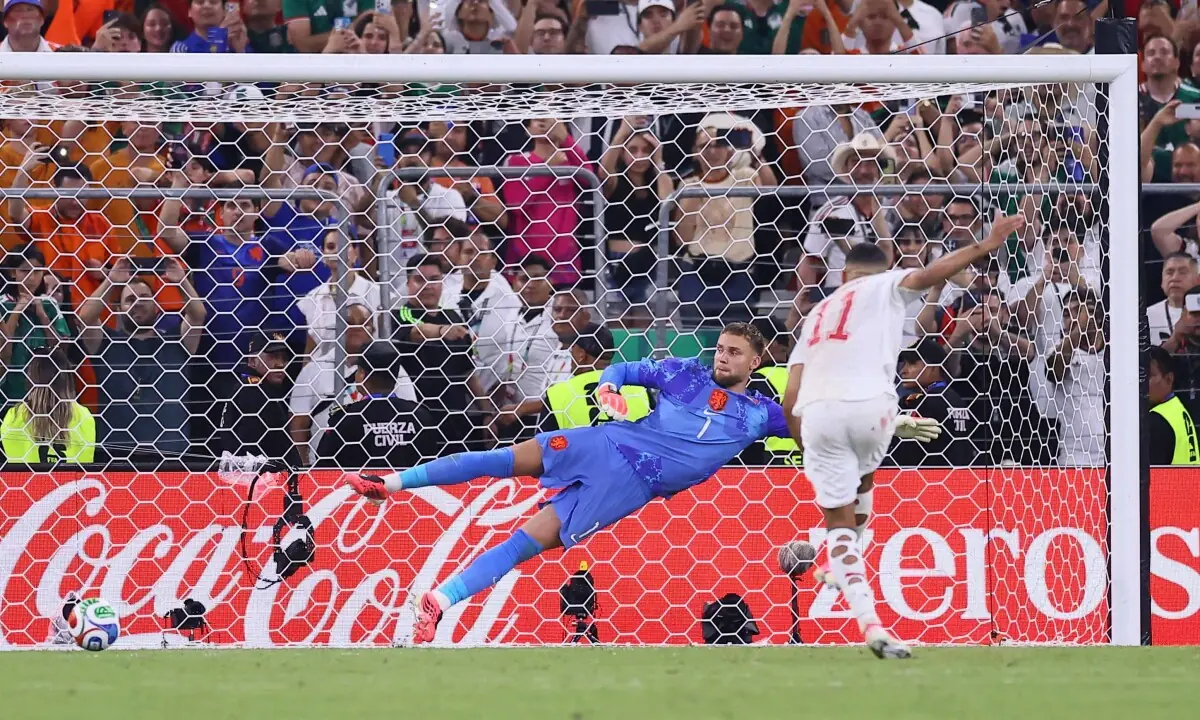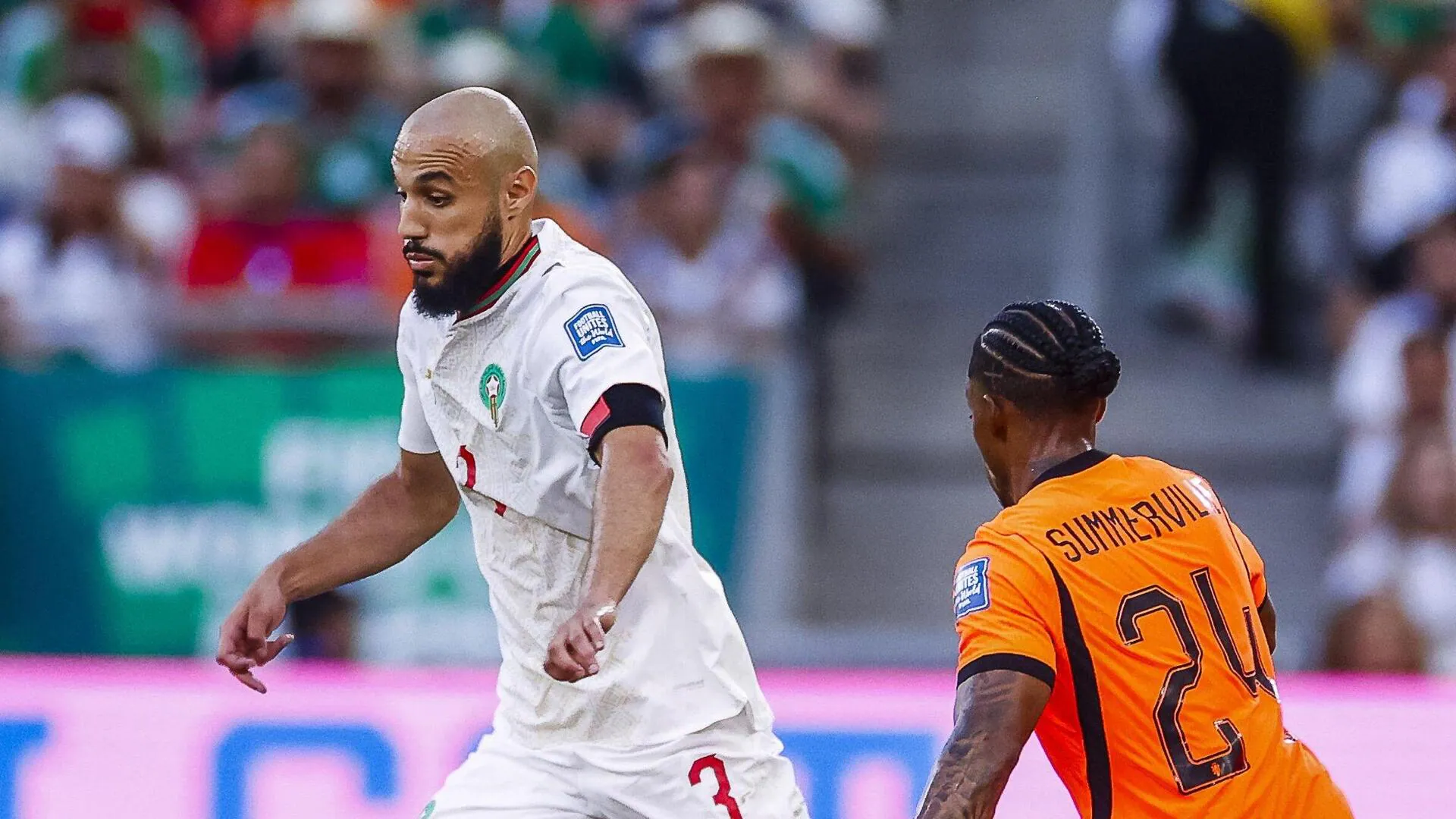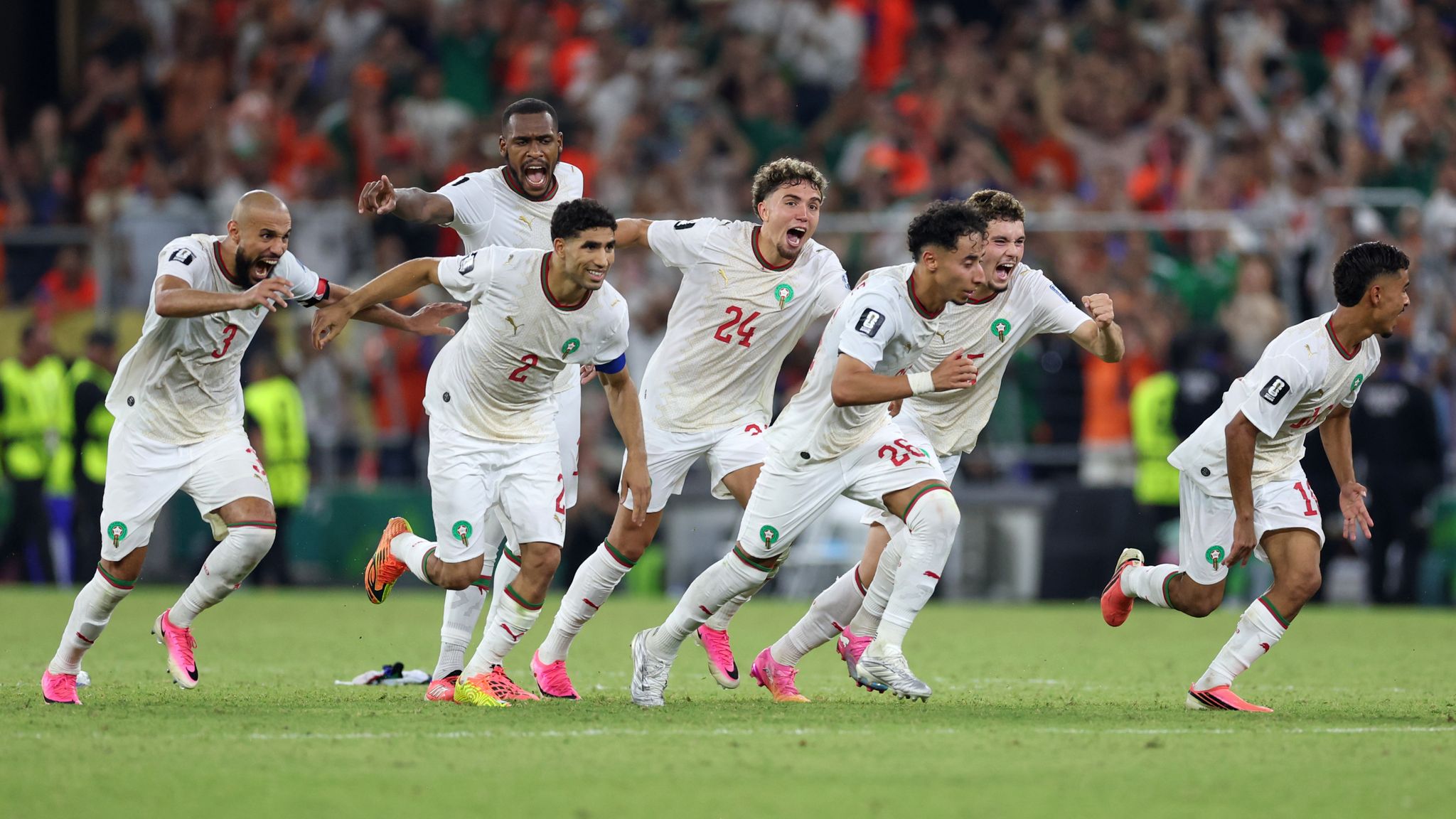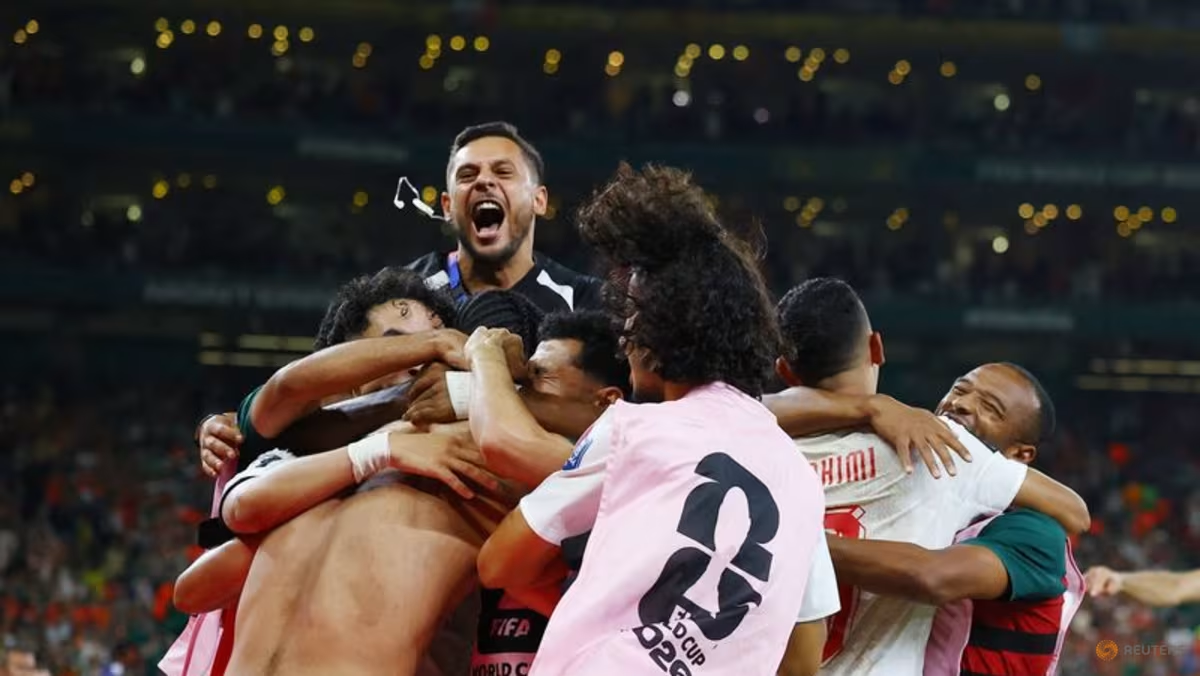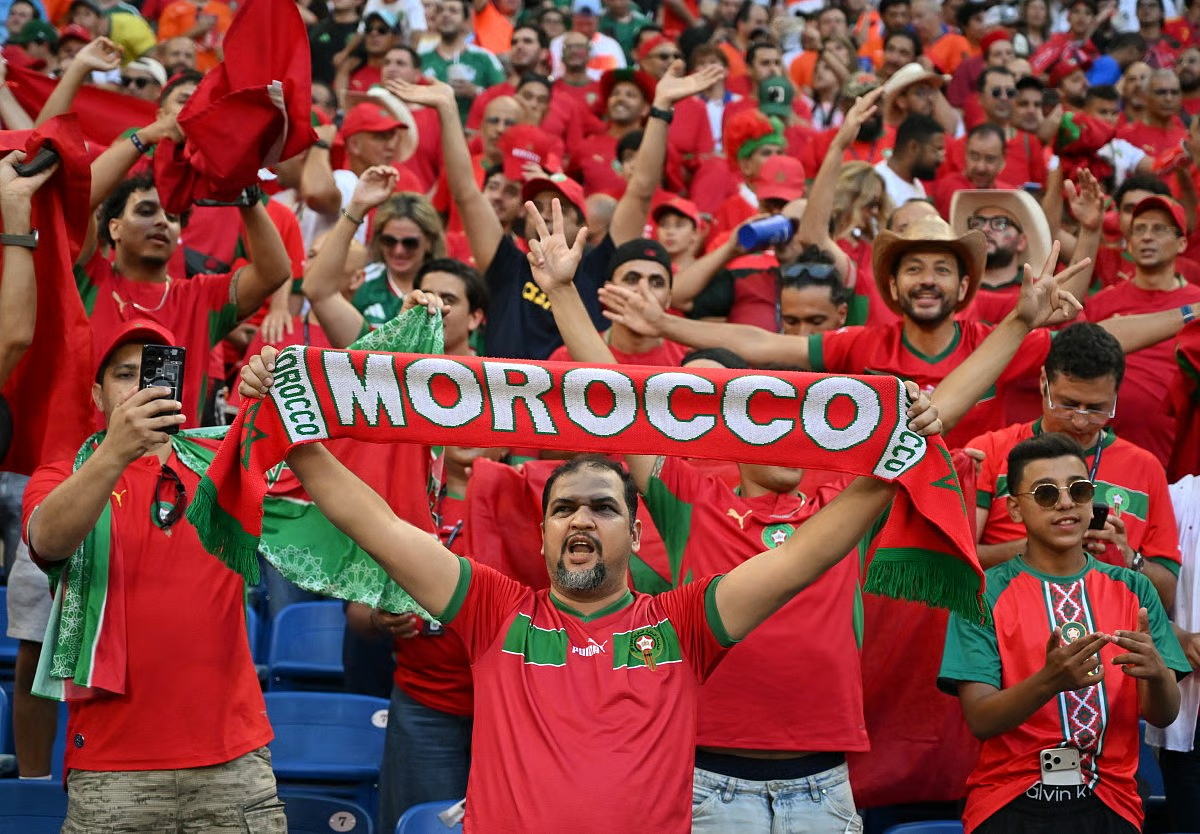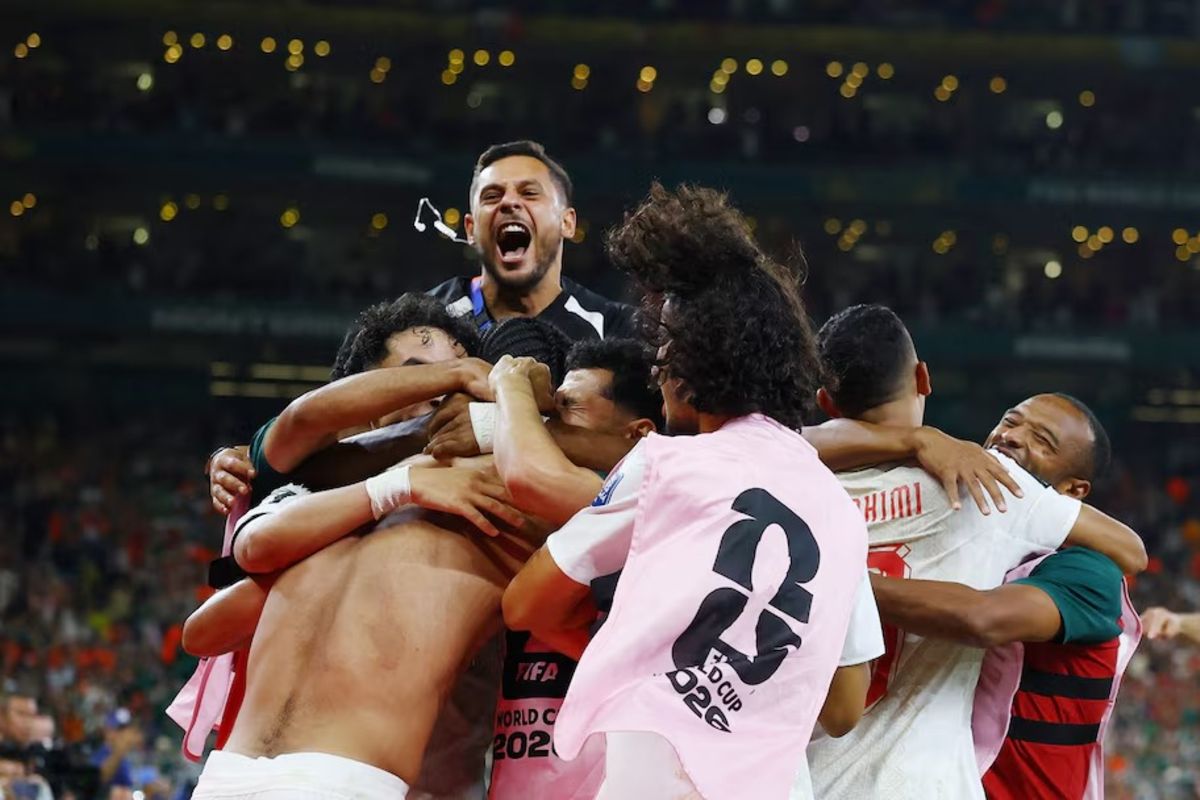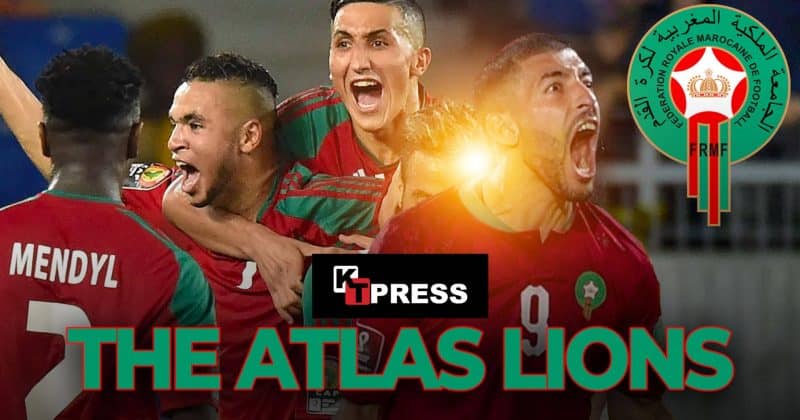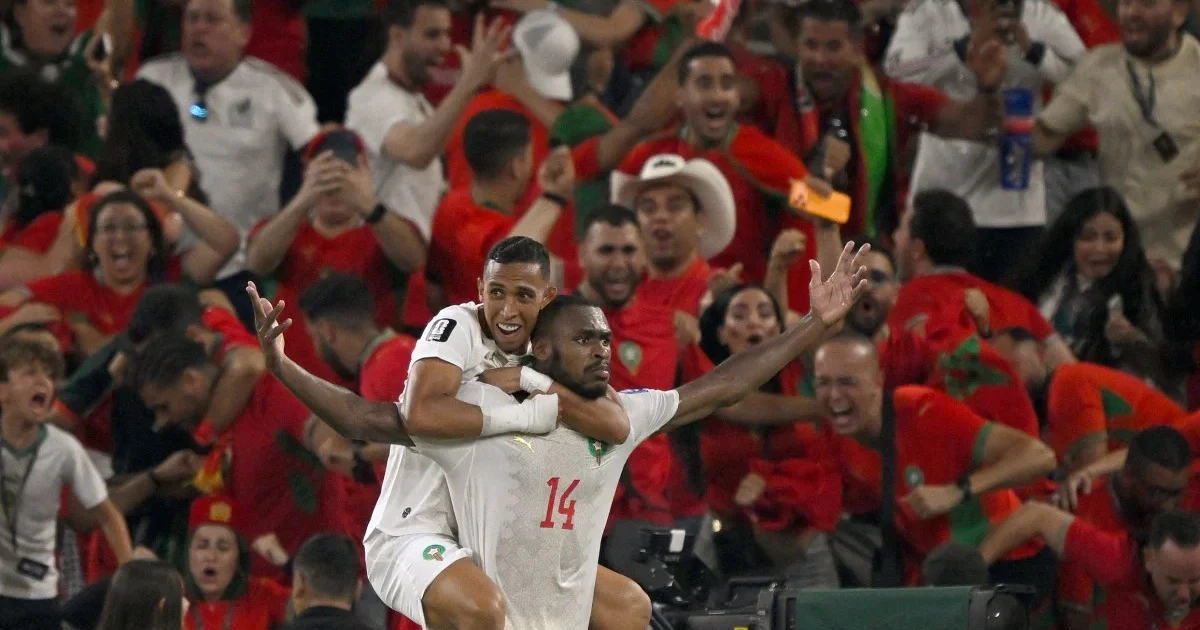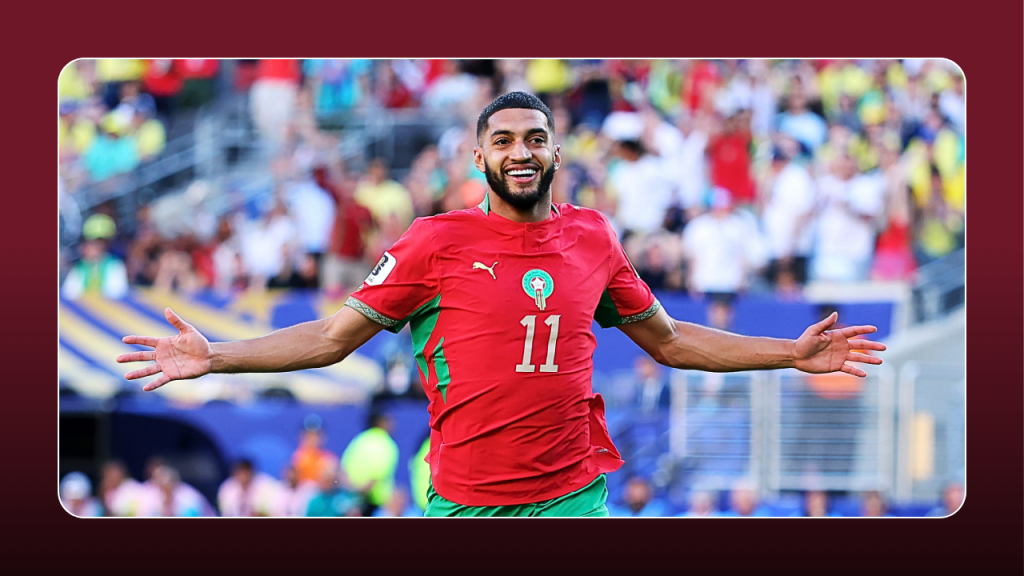
Four matches into the knockout round and the 2026 FIFA World Cup has rewarded fans with all the nerve-chewing drama they’ve come to expect from the win-or-go-home stage of the tournament. Rather than diluting the talent pool, Gianni Infantino’s expansion project appears to have pumped a syringe of adrenaline straight into Cinderella’s beating heart, and heavy pre-match favorites have been flung headlong into a phase of great uncertainty.Perhaps no contingent appears better suited to topple soccer’s ruling class from its pedestal than the seven remaining nations of the Confederation of African Football. While South Africa and Ivory Coast thus far are the lone CAF squads to get bounced from the knockout stage, an impressive nine of 10 CAF squads made it to the knockout stage. And Morocco’s win over the Dutch on Monday via penalty kicks suggests that recent developmental efforts have come to fruition.Morocco, it seems, is what happens when investment meets opportunity.At the 2018 event in Russia, only five African teams qualified, and none of them made it out of the group stage. Egypt, Morocco, Nigeria, Senegal and Tunisia did not exactly cover themselves in glory eight years ago, winning just three of their 15 games before getting bounced. Morocco was particularly ineffective, managing a single draw with Spain against two losses.The first stirrings of an African renaissance were registered in Qatar four years ago, when two CAF teams advanced to the knockout stage—the last under the legacy “round-of-16” format. While England breezily dismissed Senegal 3-0 in its fourth match of the tournament, Morocco eliminated Portugal in the quarterfinals before bowing out 2-0 to eventual runnersup France in the semis.Prior to the staging of the 2022 World Cup, only three African teams had reached the quarters, with Cameroon in 1990 becoming the first to get that far. Senegal (2002) and Ghana (2010) followed suit, but it wasn’t until Morocco made short work of its European competition four years ago—the Atlas Lions took care of Belgium in the group stage and erased Spain in its subsequent match before downing Portugal in the quarters—that a CAF representative had earned a spot in the final four.Morocco’s success is a function of a concerted effort to invest in the country’s youth soccer programs, and while its victory over the Netherlands on Monday night would have been all but unthinkable just a few years ago, this year’s team has shown from the jump that it can play against anyone. (Morocco so harried Brazil’s Casemiro in their June 13 opener that the Manchester United defensive midfielder was yanked by head coach Carlo Ancelotti at the half; Casemiro would go on to redeem himself with a second-half goal against Japan.)“The hard work and investments in youth football development, coaching, professional football leagues and football infrastructure … is bearing fruit,” CAF president Patrice Motsepe said in a statement released earlier this week. “The governance, transparency, management, financial and auditing best practices that have been introduced have attracted new sponsors and partners, and these financial partnerships have contributed to the development and growth of African football.”LaLiga has been instrumental in boosting the development of African soccer, establishing itself as the first European league to put down roots on the continent just over 10 years ago. The Spanish league is particularly active in South Africa, Kenya and Cameroon.If Morocco’s success is surely not as astonishing as the general improvement among CAF members—after all, the team’s FIFA ranking places it sixth behind only traditional powerhouses Argentina, France, Spain, England and Brazil—Egypt is the only other African side to be listed as favorites in this round. (Ivory Coast was the latest of the remaining CAF teams to be sent home, losing to Norway 2-1 in their hard-fought Tuesday afternoon match.)While Cape Verde’s improbable ride through the World Cup thus far has made it one of the tourney’s most endearing underdogs, the small island nation’s journey is all but certain to end in an abrupt derailment against the defending champs. Argentina is listed at -2000 favorites, which is to say that if you bet $100 on Messi & Co., you’ll stand to win all of $5. The same wager on Cape Verde will make you $1,180 richer.Similarly, DR Congo (a.k.a., the big Congo) is listed as a +560 underdog in its looming match against England, and Ghana isn’t being given much of a shot against Group K toppers Colombia. Put down a Benjamin on Colombia and you’ll make about enough for a couple of Happy Meals®.Given the construction of the bracket, any African team that has its eye on a quarterfinals bid will likely have to push through the likes of Argentina (gulp) or England (woof), France (le woof) or Spain (yipes). Morocco, which has the best shot of any CAF team of making a mid-July run, is very likely on a collision course with Mbappé’s crew, while four African teams are nestled in Argentina’s section of the bracket.Even if Morocco may be the only surviving CAF squad to have a realistic shot at continuing on through mid-July, the conference’s success stands in stark contrast to the state of the Asian game. The nine AFC teams eked out just three wins in 27 group stage outings, and Japan—the sole member that advanced to the knockout round—was eliminated by Brazil after a valiant effort in Houston. Arguably the only AFC rep that may have caused problems for its opponents in the later rounds, this Japanese team has sent 23 players to suit up for professional European squads.By way of comparison, 20 Morocco players have European contracts; among the highest-profile members are defender Noussair Mazraoui, who in 2024 left Bayern Munich for a post with Man United; Achraf Hakimi, a starter for Champions League winner Paris Saint-Germain; and Real Madrid midfielder Brahim Diaz.
Led by Morocco, African Soccer Is Having a Moment at the World Cup
In scoring the decisive penalty kick against the Dutch, Ismael Saibari advanced Morocco to a round of 16 meeting with Canada.
960 words~4 min read