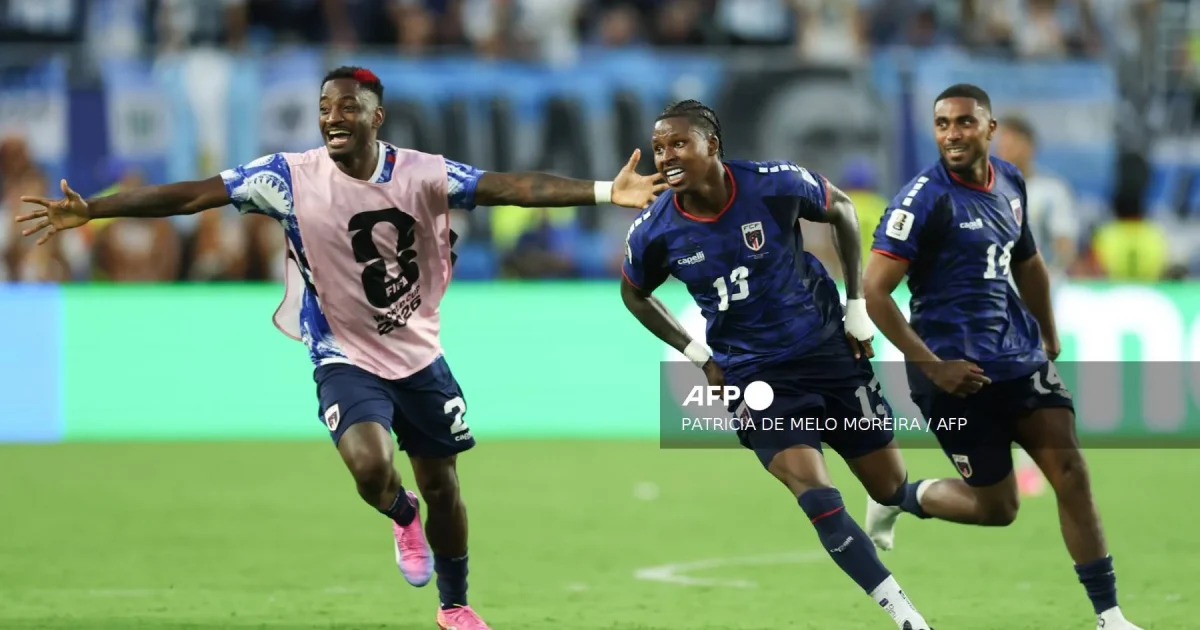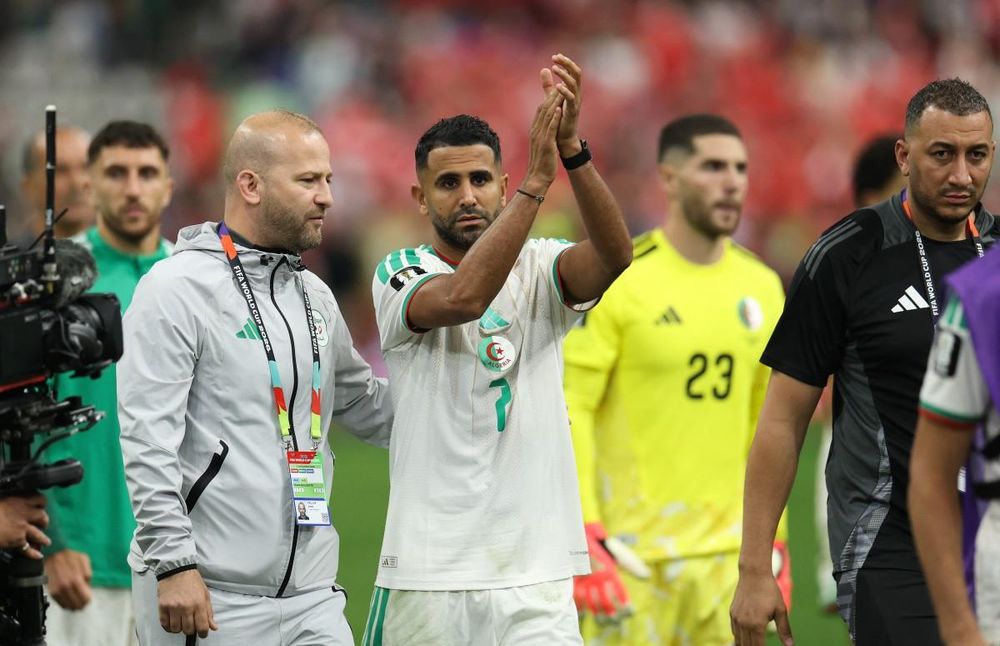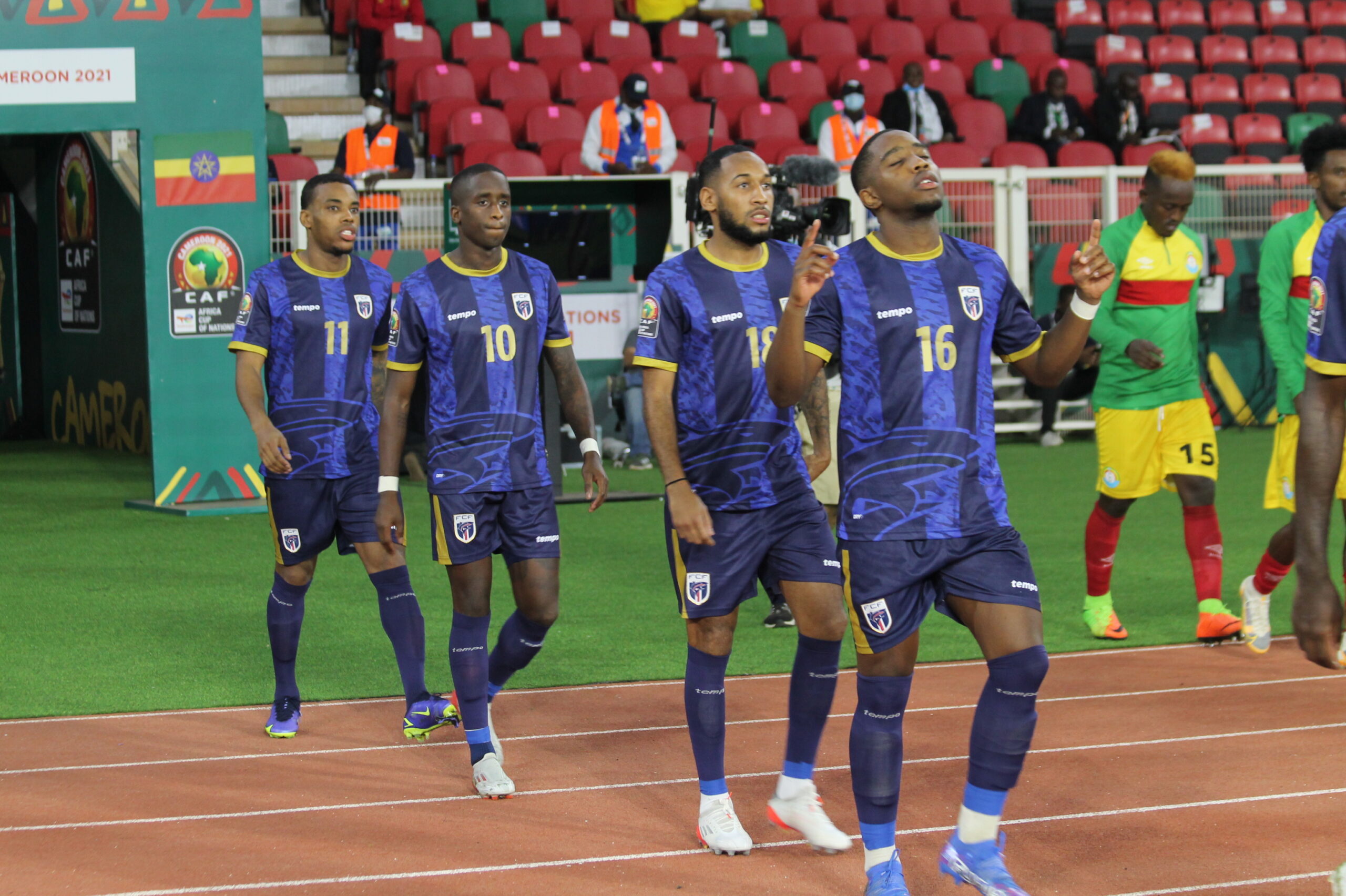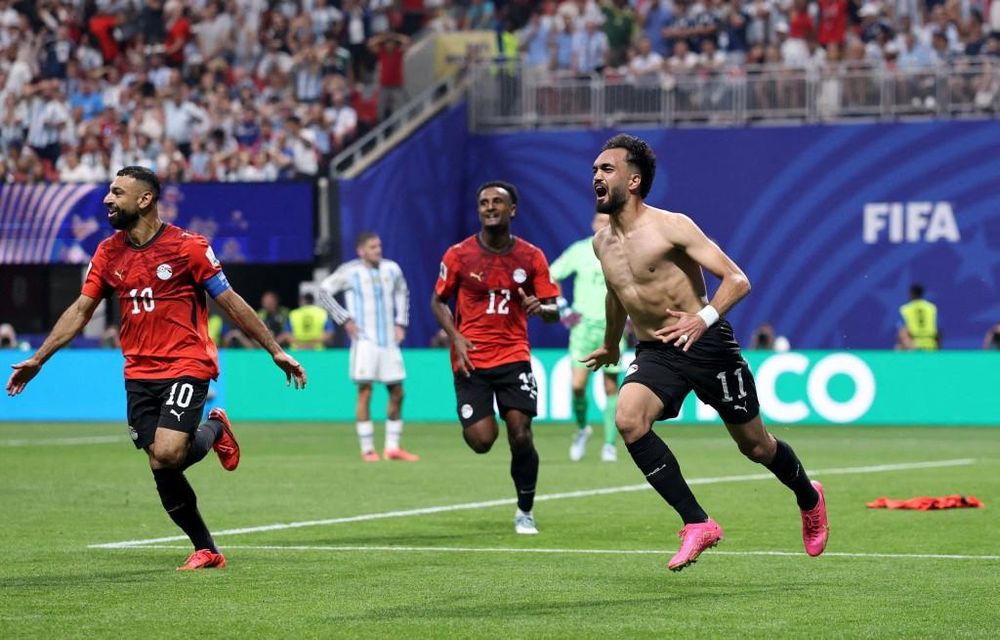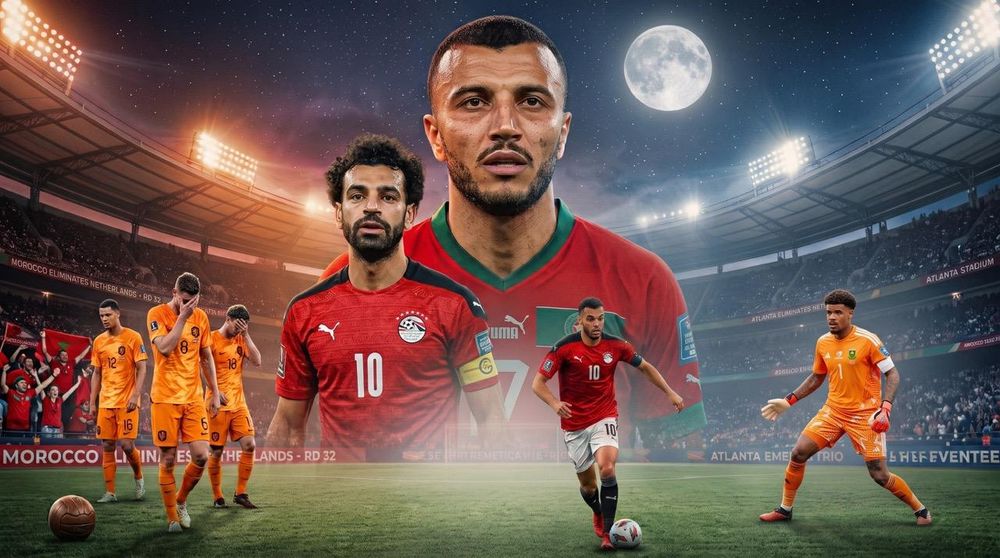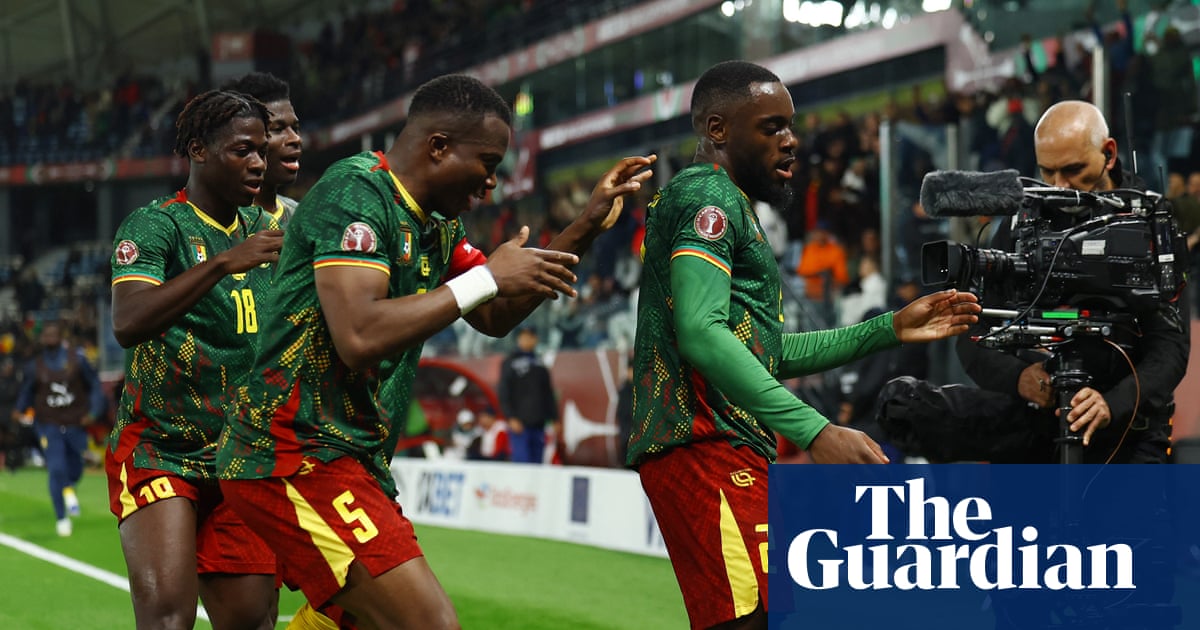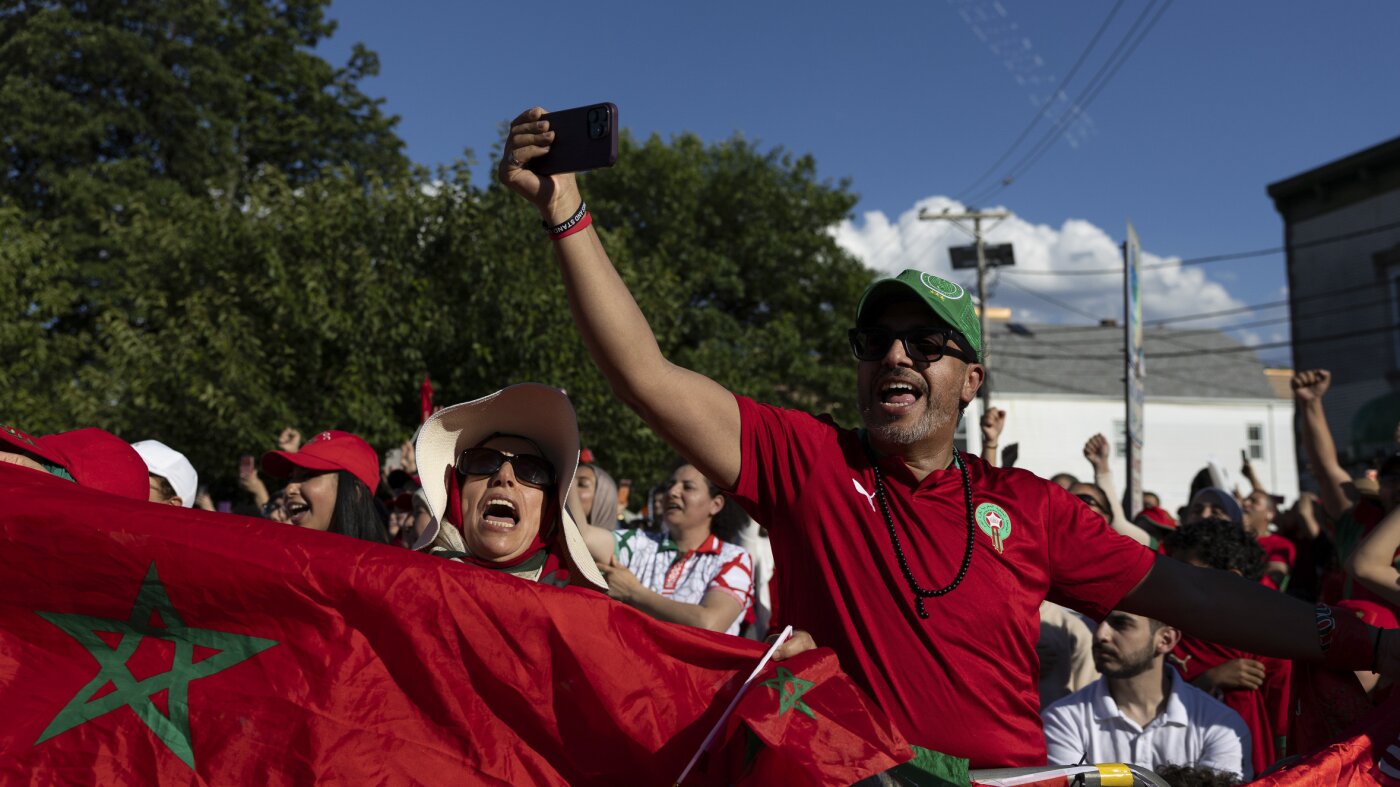
For Africa, this World Cup feels like one of those classic memes from the early days of social media. Is it a gold and white dress or a black and blue dress? Is it a duck or a rabbit? Has this been a good World Cup for Africa or one that underlines the ongoing problems of football on the continent? It probably depends where you’re standing.For years the Confederation of African Football (Caf) had been arguing that five slots were not enough for its 54 members: only 9% of African sides were represented at a World Cup, while 50% of South America’s members were. To which the response was that South American nations had won the World Cup 10 times, whereas Africa hadn’t even had a semi-finalist until Morocco got to the last four in Qatar in 2022. Getting the balance right between representation and the maintenance of quality isn’t easy and, for all the flaws of a 48-team tournament, the fact that Africa could be given nine guaranteed slots, plus the possibility of an additional one through the intercontinental play-offs – which was claimed by the Democratic Republic of the Congo (DRC) – is a positive.But there lurked a barely spoken fear. What if the 10 performed badly? What if the majority went out in the group stage? Had fewer than five African sides gone through to the last 32, an argument could have been made that far from being underrepresented at the World Cup, Caf had been given too many qualification slots.As it turned out, nine African sides made it through their groups, and those who had insisted Caf deserved better could claim vindication. Uefa and Conmebol, the South American federation, got 13 and five sides through to the last 32 respectively. It was Asia and, surprisingly, North and Central America who underperformed, only Japan and Australia making it through from the AFC and only the three hosts from Concacaf. In that regard, this has been an excellent World Cup for Africa, even if Tunisia did turn in one of the worst performances by any side in history. By falling behind after seven minutes then four minutes and three minutes in their three games, they broke Mexico’s 96-year-old record for most time spent trailing in a World Cup, taking the mark from 240 minutes to a remarkable 256.On the face of it having 90% of sides make it through the group sounds like a tremendous success for African football, although none topped the table. And there was a clear secondary target: to get three African sides into the last 16 for the first time. In Qatar, Morocco and Senegal reached that stage. In Russia, no African side did. In Brazil, Algeria and Nigeria did. In South Africa, when Caf had six participants, only Ghana did (and although they would ultimately go out as the victim of Luis Suárez’s quarter-final handball, they got out of the group only because Serbia were denied a clear penalty for handball against Australia). In Germany, only Ghana made it through. In Japan and South Korea, only Senegal.Algeria’s Ibrahim Maza, who plays for Bayer Leverkusen, showed his quality in a poor side. Photograph: Michael Steele/Getty ImagesThis time two African teams made it through, both on penalties. Given that has happened only twice before, it can be considered a qualified success. But there is also a clear sense that it could and perhaps should have been better. Algeria were ultimately well beaten by Switzerland, although Ibrahim Maza again showed his quality and it might have been a different story had Algeria not maintained their group-stage deficiency of conceding at least one daft and unnecessary goal per game. But the others lost by a single goal. The margins were extremely fine.Some were finer than others. Although South Africa lost to an injury-time goal against Canada, their last-32 defeat was the result of another disappointingly passive performance; they were nothing like the side they had been in reaching the Cup of Nations semi-final in 2024. Ghana, having gone behind to Colombia, seemed to have little idea how they might get back into the game, which is the downside of being managed by Carlos Queiroz: for every dogged draw against England, there is a game in which the opponent scores first and everything atrophies.For Cape Verde, being at the World Cup was remarkable, making it through the group astonishing; to then lose narrowly to Argentina, to take them to extra time, twice to equalise, burnishes their achievement. But for the other three there is a clear sense of what night have been.Senegal perhaps will feel they wasted the biggest opportunity. Whatever the rights and wrongs of the VAR decision to award Belgium a penalty in injury time in extra time, they had outplayed Belgium and were 2-0 up with four minutes remaining; they should never have let the game go to extra time. Côte d’Ivoire had equalised against Norway and momentum seemed with them, but they lost. DR Congo led England but, exhausted, succumbed in the final quarter hour.skip past newsletter promotionafter newsletter promotionNot only that, but Côte d’Ivoire had led Germany, Morocco had led Brazil and Senegal had looked comfortable at half-time against France in the group stage – and none had won. Good positions were attained, and not capitalised upon. Perhaps, as the Belgium coach, Rudi Garcia, observed, it is simply a matter of inexperience, of teams unfamiliar with leading against notionally higher-level opponents lacking the nous to see games out. Perhaps it’s the want of strength in depth, a lack of options from the bench; certainly fatigue was an issue for the DRC. It may even be a lack of belief against more vaunted sides. And there’s no reason why the same reason or combination of reasons should be true for each side.Defeat against Belgium was devastating for Senegal after they led 2-0 with four minutes remaining. Photograph: Emma Ottosen/ISI Photos/Getty ImagesPerhaps Morocco can kick on and establish themselves as a consistent member of the global elite, but the sense has been growing for some time that, even with the benefits of diaspora players, the pyramid of African football is getting broader but not a huge amount higher: there are a lot of teams capable of making it into a last 32 but not many who belong in the last 16. For that to change, teams such as Senegal and Côte d’Ivoire need to starting taking advantage of good starts, and winning games against vaunted opponents when they have the opportunity to do so.
For all Cape Verde’s heroics, Africa’s World Cup could and perhaps should have been better | Jonathan Wilson
Egypt and Morocco are in the last 16 after shootouts but the continent’s pyramid appears to be getting broader rather than much higher
1,089 words~5 min read